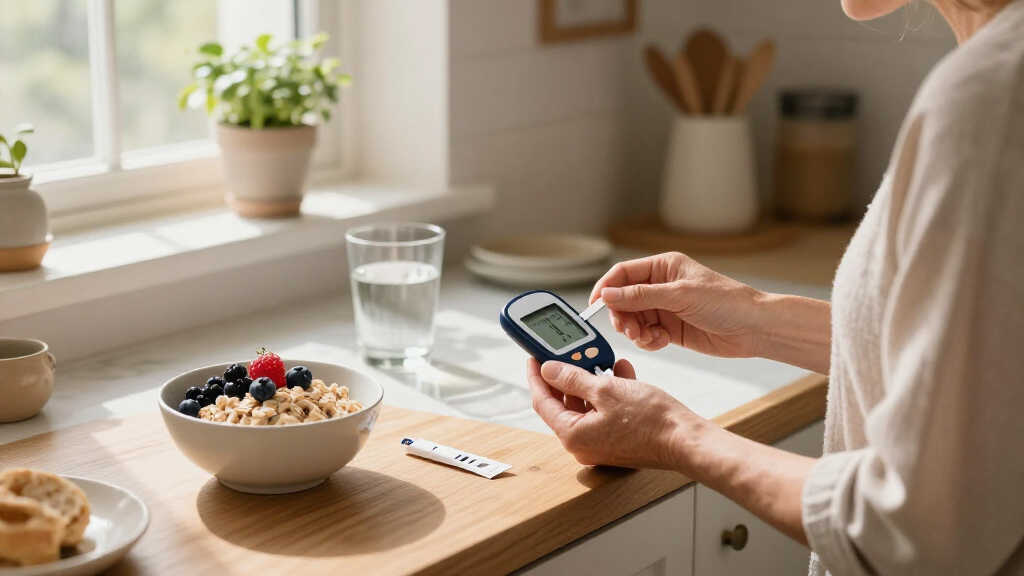

The best blood glucose monitor for most people is the Contour Next One, which pairs highly accurate readings with a compact app-connected design that makes trend tracking simple. If budget is the priority, the CareSens N kit bundles 100 strips, lancets, and a control solution for less than many bare meters cost, while the Stelo and Lingo biosensors offer a fundamentally different approach: 24/7 continuous glucose tracking without fingersticks. The main tradeoff in this category comes down to ongoing strip or sensor costs versus upfront convenience, and whether you need point-in-time readings or full-day trend data. Read on for the full breakdown of all 14 options.
Key Takeaways
- Meters using the Contour Next platform (Next One and Next GEN) deliver the most consistent accuracy in this lineup, which matters most if you dose insulin based on readings.
- Kit-heavy budget meters (Glucoracy, Metene, LinkSun, MicroTech) look cheap upfront, but strip availability and coding quirks vary — replacement strip cost matters more than the starter bundle.
- Wearable biosensors (Stelo, Lingo) eliminate fingersticks entirely but cost far more per month than strip meters and are aimed at wellness tracking rather than insulin-dosing decisions.
- The iHealth Gluco+ is the strongest middle path for smartphone users, syncing readings automatically instead of requiring manual logging.
- Control solution inclusion separated the serious kits (CareSens N, CareSens N Feliz) from the rest — a small detail that lets you verify meter accuracy at home.
| iHealth Gluco+ Wireless Smart Glucose Monitor Kit with 100 Test Strips and 100 Lancets |  | Best Overall | Brand: iHealth | Model: BG5S100 | Results Time: 5 seconds | VIEW LATEST PRICE | See Our Full Breakdown |
| Contour Next One Blood Glucose Meter |  | Best for Accuracy-First Testing | Brand: Ascensia Diabetes Care | Product Type: Blood Glucose Meter | Compatible Strips: Contour Next test strips | VIEW LATEST PRICE | See Our Full Breakdown |
| Glucoracy G-425-2 Blood Glucose Monitor Kit with 100 Test Strips and 100 Lancets |  | Best Value Starter Kit | Brand: Glucoracy | Model: G-425-2 | Result Time: 5 seconds | VIEW LATEST PRICE | See Our Full Breakdown |
| Stondon G-430 Blood Glucose Monitor Kit with 50 Test Strips & 50 Lancets |  | Best for Light or Occasional Testers | Brand: Stondon | Model: G-430 | Test Time: 5 seconds | VIEW LATEST PRICE | See Our Full Breakdown |
| Ascensia CONTOUR NEXT GEN Blood Glucose Monitor All-in-One Kit with 20 Test Strips | 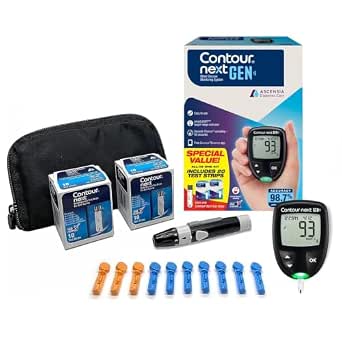 | Best Smart Features | Brand: Ascensia Diabetes Care | Model: CONTOUR NEXT GEN | Connectivity: Bluetooth | VIEW LATEST PRICE | See Our Full Breakdown |
| Lingo Continuous Glucose Monitor (CGM) – 24/7 Glucose Tracking Biosensor |  | Best CGM for Habit Building | Prescription Required: No | HSA/FSA Eligible: Yes | Wear Duration: Up to 14 days per biosensor | VIEW LATEST PRICE | See Our Full Breakdown |
| Ascensia CONTOUR NEXT GEN Blood Glucose Monitoring System with 90 Test Strips |  | Best Accuracy with App Connectivity | Brand: Ascensia | Model: CONTOUR NEXT GEN | Test Strips Included: 90 | VIEW LATEST PRICE | See Our Full Breakdown |
| CareSens N Blood Glucose Monitor Kit with 100 Test Strips, 100 Lancets, Lancing Device, Control Solution, and Travel Case |  | Best Complete Starter Kit | Model: CareSens N | Test Strips Included: 100 | Lancets Included: 100 | VIEW LATEST PRICE | See Our Full Breakdown |
| CareSens N Feliz Blood Glucose Monitoring Kit |  | Best Value for Long-Term Tracking | Model: CareSens N Feliz | Test Strips Included: 100 (50 in case, 50 in box) | Lancets Included: 100 | VIEW LATEST PRICE | See Our Full Breakdown |
| Stelo Glucose Biosensor & App – 2-Pack (Up to 15 Days Each) | 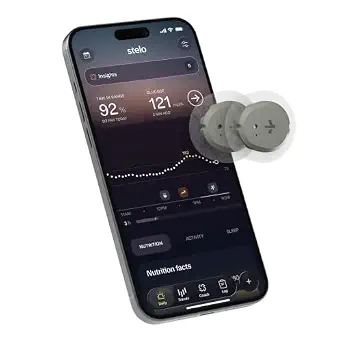 | Best Premium CGM Value | Quantity: 2 biosensors per box | Wear Time: Up to 15 days per sensor plus 12-hour grace period | Total Coverage: Up to 30 days per box | VIEW LATEST PRICE | See Our Full Breakdown |
| Lingo Continuous Glucose Monitor (CGM) 2-Pack |  | Best for Lifestyle Insights | Type: Continuous glucose monitor (biosensor) | Wear Duration: Up to 14 days per sensor | Tracking: 24/7, minute-by-minute | VIEW LATEST PRICE | See Our Full Breakdown |
| Metene TD-4116 Blood Glucose Monitor Kit |  | Best for Seniors | Test Time: 7 seconds | Blood Sample Size: 0.7 µL | Memory: 450 readings | VIEW LATEST PRICE | See Our Full Breakdown |
| MicroTech Blood Glucose Monitor Kit |  | Best Accuracy Assurance | Results Time: 5 seconds | Blood Sample Size: 0.5 µL | HCT Range: 10%-70% | VIEW LATEST PRICE | See Our Full Breakdown |
| LinkSun G-425-1 Glucose Monitor Kit |  | Best Complete Starter Kit | Test Time: 5 seconds | Accuracy: Up to ±12% | Standard: ISO 15197:2015 | VIEW LATEST PRICE | See Our Full Breakdown |
| blood glucose monitor | Model |
|---|---|
| iHealth Gluco+ Wireless Smart | BG5S100 |
| Contour Next One Blood Glucose | — |
| Glucoracy G-425-2 Blood Glucos | G-425-2 |
| Stondon G-430 Blood Glucose Mo | G-430 |
| Ascensia CONTOUR NEXT GEN Bloo | CONTOUR NEXT GEN |
| Lingo Continuous Glucose Monit | — |
| Ascensia CONTOUR NEXT GEN Bloo | CONTOUR NEXT GEN |
| CareSens N Blood Glucose Monit | CareSens N |
| CareSens N Feliz Blood Glucose | CareSens N Feliz |
| Stelo Glucose Biosensor & App | — |
| Lingo Continuous Glucose Monit | — |
| Metene TD-4116 Blood Glucose M | — |
| MicroTech Blood Glucose Monito | — |
| LinkSun G-425-1 Glucose Monito | — |
More Details on Our Top Picks
iHealth Gluco+ Wireless Smart Glucose Monitor Kit with 100 Test Strips and 100 Lancets
This option stands out for combining verified clinical accuracy with modern connectivity at a complete-kit value that most rivals can’t match. Meeting ISO 15197:2015 and 510(k) clearance, it delivers trustworthy readings in 5 seconds from a tiny 0.7 µL sample, and the rechargeable battery lasting up to 200 tests per charge eliminates the battery-buying hassle that the Glucoracy G-425-2 imposes with its AAA requirement. Bluetooth syncing to the free Gluco-Smart app also gives it unlimited storage, dwarfing the 500-reading on-device limits of the Glucoracy and Stondon kits. Compared with the CONTOUR NEXT GEN, it bundles ten times the strips and lancets upfront. The tradeoff: proprietary iHealth strips are an ongoing expense, and there’s no mention of alternate-site testing for fingertip-sensitive users.
Pros:- Clinically validated accuracy meeting ISO 15197:2015 and 510(k) standards
- Rechargeable battery supports up to 200 tests per charge
- Bluetooth app sync with unlimited storage and report sharing
- Complete kit includes 100 strips, 100 lancets, lancing device, and travel case
Cons:- Locked into proprietary iHealth test strips as an ongoing cost
- No alternate-site testing option mentioned for fingertip discomfort
Best for: Tech-comfortable diabetes managers who want app-based tracking, long battery life, and a fully stocked starter kit in one purchase
Not ideal for: Anyone who prefers a no-app, no-phone experience or wants to shop around for cheaper third-party strips
- Brand:iHealth
- Model:BG5S100
- Results Time:5 seconds
- Sample Size:0.7 µL
- On-Device Memory:500 readings
- Battery Life:Up to 200 tests per charge
- Connectivity:Bluetooth
- Certifications:510(k) Cleared, ISO 15197:2015, Medical CE
- Warranty:12 months
Our verdict“This is the pick for buyers who want clinical accuracy, app tracking, and everything in the box on day one.”
Contour Next One Blood Glucose Meter
The Contour Next One earns its place on meter reputation alone — the Contour Next line is widely regarded among clinicians for repeatable accuracy, and this meter pairs that pedigree with a compact, pocketable design for discreet daily testing. Compared with the CONTOUR NEXT GEN kit from the same family, this one skips the Bluetooth extras and SmartLIGHT indicator, which makes it better suited to buyers who want a straightforward, dependable reading without app overhead — but it also means less built-in trend tracking. Unlike the iHealth Gluco+ or Glucoracy G-425-2 kits, this is meter only, so strips, lancets, and a lancing device are separate purchases. That’s the real tradeoff: a lower entry cost balanced against assembling your own kit and paying closer attention to what’s in the box.
Pros:- Compact and lightweight for genuinely portable daily monitoring
- Backed by the Contour Next accuracy reputation
- Works with widely available Contour Next test strips sold in most pharmacies
Cons:- Meter only — no strips, lancets, or lancing device included
- Ongoing strip cost adds up over time
- Requires fingerstick blood samples, which some users find uncomfortable
Best for: Buyers who already own a lancing device and strips, or who prioritize a clinically trusted, highly portable meter above all else
Not ideal for: First-time testers who need an all-in-one kit with strips and lancets included from day one
- Brand:Ascensia Diabetes Care
- Product Type:Blood Glucose Meter
- Compatible Strips:Contour Next test strips
- Test Method:Fingerstick blood sample
- ASIN:B09NM15G5K
Our verdict“A smart add-on purchase for anyone who values meter accuracy and portability over bundled accessories.”
Glucoracy G-425-2 Blood Glucose Monitor Kit with 100 Test Strips and 100 Lancets
For pure out-of-the-box value, the Glucoracy G-425-2 is hard to beat: 100 strips, 100 lancets, a lancing device, and a travel case in one package, with a large 2.7-inch display that’s easier to read than the smaller screens on the iHealth Gluco+ or Contour Next One — a genuine advantage for older eyes. The 0.5 µL sample requirement is actually the smallest in this lineup, meaning gentler fingersticks than the 0.7 µL iHealth and Stondon meters. The compromises are real, though: it runs on two AAA batteries you must supply yourself, it’s locked to Glucoracy-branded strips, and strips expire just 3 months after opening, so light testers may waste supplies. There’s no Bluetooth either — tracking happens entirely on the 500-reading on-device log.
Pros:- Smallest blood sample in the roundup at 0.5 µL for gentler testing
- Extra-large 2.7-inch display for easy reading
- No coding required — insert strip and test
- Generous kit with 100 strips, 100 lancets, and travel case included
Cons:- Strips expire 3 months after opening, risking waste for occasional testers
- Requires 2 AAA batteries not included
- Only compatible with Glucoracy test strips
Best for: Budget-conscious first-time buyers or seniors who want a big display and a complete kit without app complexity
Not ideal for: Infrequent testers who won’t finish 100 strips within the 3-month post-opening window, or anyone wanting digital tracking
- Brand:Glucoracy
- Model:G-425-2
- Result Time:5 seconds
- Blood Sample Size:0.5 µL
- Display Size:2.7 inches
- Memory Capacity:500 results
- Lancing Depths:5 levels
- Coding Required:No
- Batteries:2 AAA (not included)
Our verdict“The most complete kit per dollar here, provided you test often enough to use the strips before they expire.”
Stondon G-430 Blood Glucose Monitor Kit with 50 Test Strips & 50 Lancets
The Stondon G-430 takes a different tack from the 100-strip Glucoracy and iHealth kits by including half the consumables — 50 strips and 50 lancets. That’s the point: for someone who tests a few times a week rather than daily, a smaller supply avoids the waste risk of strips expiring 90 days after opening. Its standout feature is before/after meal tagging on the meter itself, which adds trend context that the Glucoracy G-425-2’s plain 500-reading log lacks, all without needing a smartphone like the CONTOUR NEXT GEN does. The 5-level adjustable lancing device lets you tune fingerstick depth for comfort. On the downside, the control solution is sold separately and must be Stondon-compatible, so verifying accuracy costs extra — a step the CareSens N kits in this roundup include in the box.
Pros:- Meal tagging built into the meter for contextual trend tracking
- Right-sized 50-strip supply reduces expiration waste for light testers
- 5-level adjustable lancing depth for gentler fingersticks
- No coding required and simple enough for seniors
Cons:- Control solution sold separately and must be Stondon-branded
- Strips must be used within 90 days of opening
- Fewer included strips than competing 100-strip kits
Best for: Occasional testers and prediabetes monitors who test a few times weekly and want meal-tagged readings without an app
Not ideal for: Daily multi-testers who would burn through 50 strips quickly and prefer bulk kits
- Brand:Stondon
- Model:G-430
- Test Time:5 seconds
- Sample Size:0.7 µL
- Memory:500 readings with meal tagging
- Lancing Depth Levels:5
- Included:Meter, lancing device, 50 strips, 50 lancets, pouch, manual
- Strip Shelf Life:90 days after opening
Our verdict“A well-matched kit for infrequent testers who value meal-tagged data over sheer supply volume.”
Ascensia CONTOUR NEXT GEN Blood Glucose Monitor All-in-One Kit with 20 Test Strips
This kit makes the most sense for buyers who want intelligent feedback beyond a raw number. The SmartLIGHT target range indicator instantly color-codes readings as in-range, high, or low — something no other kit in this lineup does — while automatic Bluetooth syncing to a free app (with Apple Health support) removes the manual logging the Glucoracy and Stondon meters demand. Its killer feature is Second-Chance Sampling: if you don’t draw enough blood, you have 60 seconds to add more instead of burning a strip, cutting waste on expensive consumables. The catch is the thin starter supply — just 20 strips and 10 lancets, a fraction of the Glucoracy G-425-2’s 100 — and realizing the app’s full benefit assumes you carry a smartphone. Ongoing CONTOUR NEXT strip purchases are the real cost of entry.
Pros:- SmartLIGHT color indicator shows at a glance whether readings are in target range
- Second-Chance Sampling cuts wasted strips from insufficient samples
- Automatic Bluetooth sync with free app and Apple Health integration
- Clinically proven accuracy from a trusted diabetes care brand
Cons:- Only 20 strips and 10 lancets included — thin starter supply
- Ongoing dependence on CONTOUR NEXT strips
- App features require a smartphone to be worthwhile
Best for: App-oriented users who want color-coded feedback, automatic logging, and waste-reducing strip technology
Not ideal for: Strip-budget-sensitive buyers or those without a smartphone who’d pay for features they can’t use
- Brand:Ascensia Diabetes Care
- Model:CONTOUR NEXT GEN
- Connectivity:Bluetooth
- Coding Required:No
- Second-Chance Sampling Window:60 seconds
- Test Strips Included:20
- Lancets Included:10 MICROLET lancets
- App Compatibility:Apple App Store, Google Play, Apple Health
Our verdict“The smartest meter here for connected tracking, as long as you accept a smaller starter kit and pricier strip refills.”
Lingo Continuous Glucose Monitor (CGM) – 24/7 Glucose Tracking Biosensor
Most of the finger-prick meters in this roundup—like the CareSens N or CONTOUR NEXT GEN—give you a handful of snapshots per day. The Lingo takes a different approach entirely: a painless biosensor worn on the back of the upper arm streams minute-by-minute glucose data to the Lingo app for up to 14 days. That continuous picture is what makes this option stand out for anyone trying to understand how specific meals, workouts, and sleep patterns move their glucose, rather than just logging isolated numbers. It’s prescription-free and HSA/FSA eligible, which lowers the barrier compared with traditional CGMs. The tradeoff is structural: strips-based meters have cheap consumables, while Lingo requires a new biosensor every two weeks, and you’re locked into the Lingo app ecosystem rather than a more open platform like Stelo’s.
Pros:- No prescription needed and HSA/FSA eligible
- Up to 14 days of continuous, minute-by-minute data with no finger pricking
- Water-resistant and comfortable enough to forget you’re wearing it
- Free replacement if a biosensor fails before 14 days
Cons:- Ongoing biosensor purchases make it far more expensive over time than strip-based meters
- App is closed off to the Lingo ecosystem with limited third-party options
- Only one biosensor per package
Best for: Health-conscious adults who want continuous, needle-free insight into how food and lifestyle affect their glucose
Not ideal for: Anyone on insulin or needing clinical-grade diabetes management — this is a wellness tool, not a medical management device
- Prescription Required:No
- HSA/FSA Eligible:Yes
- Wear Duration:Up to 14 days per biosensor
- Application:Back of upper arm, no finger pricking
- Water Resistant:Yes
- Compatibility:iOS and Android (Apple Health, Health Connect)
- Included:1 biosensor with Lingo app access
Our verdict“This pick makes the most sense for habit-focused users who want round-the-clock glucose context, not for those managing diabetes on a budget.”
Ascensia CONTOUR NEXT GEN Blood Glucose Monitoring System with 90 Test Strips
If reliability is the deciding factor, the CONTOUR NEXT GEN is the strongest traditional meter in this lineup. Compared with the CareSens N, which meets basic ISO standards, Ascensia’s accuracy reputation makes it the safer choice for people whose medication decisions depend on trustworthy numbers. The SmartLIGHT target range indicator turns each reading into instant color-coded feedback, and Bluetooth syncing to a free app means no manual logbook entries—something the CareSens N Feliz can’t do without upgrading to its BT variant. The standout feature for anyone who has ever wasted a strip on an insufficient sample is Second-Chance Sampling: you get 60 seconds to add more blood before the strip is dead. The downsides are the usual ones for branded meters—ongoing CONTOUR NEXT strip costs run higher than budget brands like Glucoracy—and the listing’s conflicting strip counts (90 vs. 20 in places) are worth confirming before ordering.
Pros:- Clinically proven accuracy trusted for medication decisions
- Bluetooth syncing with a free app eliminates manual logging
- Second-Chance Sampling prevents wasted strips
- Complete kit with meter, strips, lancing device, logbook, and case
Cons:- Ongoing CONTOUR NEXT strip costs exceed budget-brand alternatives
- Listing contains conflicting strip counts between sections
Best for: Insulin users and serious diabetes managers who need clinically trusted accuracy plus automatic digital logging
Not ideal for: Budget-conscious buyers who test infrequently and don’t need app syncing or premium strip accuracy
- Brand:Ascensia
- Model:CONTOUR NEXT GEN
- Test Strips Included:90
- Lancets Included:10
- Connectivity:Bluetooth
- App Compatibility:Apple App Store, Google Play, Apple Health
- Special Features:SmartLIGHT target range indicator, Second-Chance Sampling, no coding required
Our verdict“When accuracy is non-negotiable, this is the traditional meter to beat—just budget for the proprietary strips.”
CareSens N Blood Glucose Monitor Kit with 100 Test Strips, 100 Lancets, Lancing Device, Control Solution, and Travel Case
Where the CONTOUR NEXT GEN kit includes only 10 lancets and the Stondon G-430 ships with just 50 strips, the CareSens N goes all-in on out-of-box readiness: 100 strips, 100 lancets, control solution, and a travel case—everything needed for months of testing before the first reorder. Testing itself is fast and gentle, needing only a 0.5 μL sample with 5-second results, and auto-coded strips mean there’s no calibration fumbling, which matters if the user is a senior or newly diagnosed. The 1000-test battery life also means the meter likely dies of old age before it dies of use. Compared with its sibling, the CareSens N Feliz, this model offers slightly less memory (250 vs. 1,000 results) but a similar experience. The honest tradeoff: accuracy meets personal-use standards rather than the clinical pedigree of the CONTOUR line, and you’re committed to proprietary strips forever.
Pros:- Genuinely complete kit — 100 strips and 100 lancets means no immediate reorders
- Tiny 0.5 μL sample with fast 5-second results
- Auto-coded strips eliminate manual calibration
- Long 1000-test battery life and included travel case
Cons:- No Bluetooth or app connectivity for digital tracking
- Proprietary strips lock you into the CareSens ecosystem
- Personal-use accuracy rather than clinical-grade
Best for: Newly diagnosed patients and seniors who want a true everything-included kit with simple, no-fuss operation
Not ideal for: Users who want smartphone syncing — this model has no Bluetooth, unlike the CONTOUR NEXT GEN or iHealth Gluco+
- Model:CareSens N
- Test Strips Included:100
- Lancets Included:100
- Blood Sample Size:0.5 μL
- Result Time:5 seconds
- Memory Capacity:250 tests
- Battery Life:1000 tests
- Auto Coding:Yes
Our verdict“For a first meter that works out of the box with nothing left to buy, this kit delivers more immediate value than anything else here.”
CareSens N Feliz Blood Glucose Monitoring Kit
Think of the CareSens N Feliz as the CareSens N stretched for the long haul. Both kits include the same 100 strips and 100 lancets, but the Feliz stores 1,000 test results versus the standard model’s 250, and its battery lasts roughly 2,000 tests—double the sibling’s rating. That matters for anyone tracking trends over months or bringing data to doctor’s appointments without an app. It also meets ISO 15197:2013 accuracy requirements, giving it more documented credibility than bargain kits like the Glucoracy G-425-2. One packing quirk to know: the strips are split between the carrying case and the product box, so check both before assuming any are missing. The absence of Bluetooth is the real limitation—if you want automatic syncing, you’d need the Feliz BT variant or the CONTOUR NEXT GEN, and this version won’t send data anywhere on its own.
Pros:- 1,000-result memory for long-term trend tracking
- Battery supports roughly 2,000 tests
- Meets ISO 15197:2013 accuracy requirements
- Automatic strip recognition with no coding needed
Cons:- No Bluetooth connectivity or automatic data transfer
- Strips split across two packaging locations create confusion
- Proprietary strips required for ongoing use
Best for: Frequent testers who want deep onboard memory and long battery life without app dependence
Not ideal for: Data-driven users who want wireless syncing — this meter has no Bluetooth capability
- Model:CareSens N Feliz
- Test Strips Included:100 (50 in case, 50 in box)
- Lancets Included:100
- Memory Capacity:1,000 test results
- Battery Life:Approximately 2,000 tests
- Blood Sample Size:0.5 μL
- Result Time:Approximately 5 seconds
- Accuracy Standard:ISO 15197:2013
- Bluetooth:No
Our verdict“The best pick in this lineup for set-it-and-forget-it tracking where memory and battery outlast the competition.”
Stelo Glucose Biosensor & App – 2-Pack (Up to 15 Days Each)
Stacked against the Lingo CGM, the Stelo wins on nearly every wearable metric: each sensor lasts up to 15 days versus Lingo’s 14, the box includes two sensors for roughly a month of coverage, and the waterproofing carries the highest rating of any glucose biosensor. Its app goes beyond raw data with AI-powered coaching, meal logging, and syncing to Apple Health, Google Health Connect, and even Oura—noticeably more open than Lingo’s closed ecosystem. The free replacement policy for failed sensors is also stronger here. But this is explicitly an over-the-counter wellness device for adults 18+ not on insulin, and roughly 20% of sensors may quit before day 15. It’s also MR unsafe, so anyone anticipating an MRI or CT scan will need to remove and sacrifice the sensor. For non-insulin users wanting the deepest glucose insight available without a prescription, it’s the premium choice.
Pros:- Longest prescription-free wear time at up to 15 days per sensor
- Two sensors per box deliver up to 30 days of coverage
- AI coaching and syncs with Apple Health, Google Health Connect, and Oura
- Highest waterproof rating of any glucose biosensor
Cons:- Roughly 20% of sensors may not last the full 15 days
- Not suitable for insulin users or people with serious hypoglycemia
- MR unsafe — must be removed before MRI, CT, or diathermy
Best for: Non-insulin adults invested in metabolic health who want a month of continuous data with smart coaching per box
Not ideal for: Insulin users, people on dialysis, or those with problematic hypoglycemia — this OTC device isn’t designed for them
- Quantity:2 biosensors per box
- Wear Time:Up to 15 days per sensor plus 12-hour grace period
- Total Coverage:Up to 30 days per box
- Product Type:OTC integrated Continuous Glucose Monitor (iCGM)
- Intended Users:Adults 18+ not using insulin
- Compatibility:iOS and Android
- Data Sync:Apple Health, Google Health Connect, Oura
- Storage Temperature:36°F to 86°F (no freezer)
Our verdict“The strongest wearable glucose option here for health optimizers who aren’t on insulin and want longer wear than Lingo with a smarter app.”
Lingo Continuous Glucose Monitor (CGM) 2-Pack
Unlike every fingerstick meter in this roundup — the Metene TD-4116 or MicroTech kit, for example — the Lingo isn’t about occasional spot checks. It’s a continuous glucose monitor that sits on the back of your arm for up to two weeks per sensor, logging minute-by-minute data and showing you exactly how specific meals, workouts, and sleep affect your glucose. That shift from snapshots to trends is the entire value proposition, and no traditional meter here can replicate it. The no-prescription, HSA/FSA-eligible setup also lowers the barrier compared with prescription CGMs. The tradeoff is cost structure: sensors are consumables, so ongoing expenses climb far faster than replacing test strips, and it’s aimed at wellness and prediabetes insight rather than insulin dosing decisions. Compared with the Stelo biosensor, Lingo pairs its hardware with a more coaching-oriented app experience.
Pros:- Up to 14 days of minute-by-minute continuous tracking per sensor
- No finger pricking — painless, water-resistant arm-worn biosensor
- No prescription needed and HSA/FSA eligible
- Syncs with Apple Health and Health Connect for unified data
- Free replacement if a biosensor fails before 14 days of use
Cons:- Ongoing sensor costs far exceed traditional test strips over time
- Not designed for insulin dosing or clinical decision-making
- Requires smartphone use; there’s no standalone reader option
Best for: Health-conscious adults, prediabetic users, and biohackers who want to see how food and lifestyle actually move their glucose across entire days
Not ideal for: Anyone on insulin or needing documented clinical readings — this is a lifestyle tool, not a replacement for a physician-guided monitoring regimen, and the recurring sensor cost adds up
- Type:Continuous glucose monitor (biosensor)
- Wear Duration:Up to 14 days per sensor
- Tracking:24/7, minute-by-minute
- Prescription Required:No
- HSA/FSA Eligible:Yes
- App Compatibility:iOS and Android; Apple Health and Health Connect sync
- What’s Included:2 glucose biosensors plus full Lingo app access
Our verdict“Buy Lingo if you want round-the-clock behavioral insight into your glucose; stick with a fingerstick kit like Metene if you just need quick, affordable spot checks.”
Metene TD-4116 Blood Glucose Monitor Kit
The Metene TD-4116 earns its place by solving the problems older users actually run into. The large, easy-to-read display and four daily reminder alarms mean fewer missed tests and less squinting, while the 0.7 µL sample requirement keeps each fingerstick relatively gentle. Results land in 7 seconds — a hair slower than the MicroTech and LinkSun G-425-1, both at 5 seconds, but the difference is imperceptible in daily use. Where it pulls ahead of those two is trend visibility: 450 stored readings with 14/21/28/60/90-day averaging give caregivers and doctors a fuller picture at appointments. The code-free design also removes a classic error source for shaky hands. What you give up is polish — the included lancing device and lancets feel basic next to dedicated lancing tools, and like all meters here, you’re locked into proprietary strips as an ongoing expense.
Pros:- Four daily reminder alarms help maintain a consistent testing schedule
- Large display suited to aging eyes
- 450-reading memory with multi-day averaging for trend tracking
- Code-free operation with control solution included for accuracy checks
Cons:- Ongoing cost of proprietary test strips
- Included lancing device and lancets are basic compared with dedicated lancers
- No app or Bluetooth connectivity for digital logging
Best for: Seniors and caregivers who need reminder alarms, a big readable screen, and long-term averaging for doctor visits
Not ideal for: Data-focused users who want Bluetooth syncing to an app — this meter is standalone only, unlike the iHealth Gluco+ wireless option
- Test Time:7 seconds
- Blood Sample Size:0.7 µL
- Memory:450 readings
- Averaging:14/21/28/60/90-day averages
- Reminder Alarms:4 per day
- Coding:Code-free
- Includes:100 test strips, 100 lancets, lancing device, control solution
- HSA/FSA Eligible:Yes
Our verdict“This pick makes the most sense for older adults who test on a schedule and want reminders and averages rather than app connectivity.”
MicroTech Blood Glucose Monitor Kit
MicroTech’s standout trait is its 10%–70% hematocrit range, which keeps readings reliable for populations many meters handle poorly — infants, pregnant women, and frail or anemic users. Combined with ISO 15197:2015 certification plus FDA, CE, and GMP credentials, it’s the most credentialed budget kit in this lineup. In practice it also nudges out the Metene TD-4116 on comfort, needing only 0.5 µL of blood and returning results in 5 seconds, and its 500-result memory edges Metene’s 450. The lifetime warranty is another differentiator no competitor here matches. The honest weakness is data handling: there’s no Bluetooth or app sync, so everything lives on the meter unless you log manually — users who want digital records should look at the iHealth Gluco+ instead. And the bundled control solution is marked as unnecessary for routine use, which may leave first-timers unsure when to use it.
Pros:- Wide 10%-70% HCT range validated for infants, pregnancy, and frail users
- Fast 5-second results from a tiny 0.5 µL sample
- 500-result memory with 7/14/30/60/90-day averaging
- Lifetime warranty plus ISO 15197:2015, FDA, CE, and GMP certifications
Cons:- No Bluetooth or app connectivity for data syncing
- Included control solution is labeled as not needed, which can confuse new users
- No reminder alarms, unlike the Metene TD-4116
Best for: Pregnant women, parents of young children, and frail or anemic users who need validated accuracy across a wide hematocrit range
Not ideal for: Tech-forward users who want automatic app syncing and cloud logs — this meter keeps everything on-device with no wireless features
- Results Time:5 seconds
- Blood Sample Size:0.5 µL
- HCT Range:10%-70%
- Storage Capacity:500 results
- Averages:7/14/30/60/90-day
- Coding Required:No
- Certifications:FDA, CE, GMP, ISO 15197:2015
- Warranty:Lifetime
Our verdict“Choose MicroTech when accuracy across unusual hematocrit levels and strong certifications matter more than wireless convenience.”
LinkSun G-425-1 Glucose Monitor Kit
The LinkSun G-425-1 is the most turnkey package of the traditional meters here: meter, lancing device, 100 strips, 100 lancets, control solution, and a carrying case, all in one box. That case matters more than it sounds — the Metene and MicroTech kits make you source your own storage, and travelers or anyone testing away from home will feel the difference immediately. Testing itself is quick and simple: 5-second results, no coding, and five lancing depth settings, which is better skin-depth flexibility than most rivals offer. Accuracy is stated at ±12% under ISO 15197:2015, putting it in the same compliance camp as MicroTech. Its quirks are procedural rather than fatal: the meter wakes only when a strip is inserted, which confuses first-time users expecting a power button, and you must switch to CTL mode before running control solution or risk misreading the results.
Pros:- Genuinely complete kit including a carrying case most rivals omit
- Five adjustable lancing depths for personalized comfort
- Fast 5-second, no-coding tests with large display
- Complies with ISO 15197:2015 with accuracy up to ±12%
Cons:- Must switch to CTL mode before using control solution or results may be wrong
- Meter only wakes by inserting a strip, which can confuse new users
- No reminder alarms or data averaging modes highlighted for trend tracking
Best for: Newly diagnosed diabetics and frequent travelers who want everything — including a carrying case — in a single ready-to-go box
Not ideal for: Users with low vision or dexterity issues — the non-obvious strip-to-wake behavior and CTL-mode requirement add error opportunities the Metene TD-4116 avoids
- Test Time:5 seconds
- Accuracy:Up to ±12%
- Standard:ISO 15197:2015
- Coding:No-coding required
- Lancing Depths:5 levels
- Includes:Meter, lancing device, 100 test strips, 100 lancets, control solution, user guide, carrying case
Our verdict“Pick the LinkSun if you want the most complete out-of-the-box kit with a case; pick Metene if reminders and simpler operation outrank portability for you.”
How We Picked
I evaluated each monitor against four factors that actually drive long-term satisfaction: reading accuracy and consistency, since a meter you can’t trust is worthless regardless of price; total cost of ownership, meaning strip or sensor prices over months rather than the sticker price of the kit; ease of daily use, covering sample size requirements, result speed, and how simply data moves off the device; and kit completeness, including whether lancing devices, control solution, and cases are bundled.
Ranking also reflected who each product serves. Clinical-grade accuracy put the Contour models near the top, generous starter kits lifted the CareSens and Metene options for value-focused buyers, and the CGM-style biosensors were judged on a different axis entirely — continuous data quality and app experience rather than per-strip economics. Products were ordered so each successive pick has a clearly narrower use case than the one before it.
| blood glucose monitor | Model |
|---|---|
| iHealth Gluco+ Wireless Smart | BG5S100 |
| Contour Next One Blood Glucose | — |
| Glucoracy G-425-2 Blood Glucos | G-425-2 |
| Stondon G-430 Blood Glucose Mo | G-430 |
| Ascensia CONTOUR NEXT GEN Bloo | CONTOUR NEXT GEN |
| Lingo Continuous Glucose Monit | — |
| Ascensia CONTOUR NEXT GEN Bloo | CONTOUR NEXT GEN |
| CareSens N Blood Glucose Monit | CareSens N |
| CareSens N Feliz Blood Glucose | CareSens N Feliz |
| Stelo Glucose Biosensor & App | — |
| Lingo Continuous Glucose Monit | — |
| Metene TD-4116 Blood Glucose M | — |
| MicroTech Blood Glucose Monito | — |
| LinkSun G-425-1 Glucose Monito | — |
Factors to Consider When Choosing Blood Glucose Monitors
Choosing a glucose monitor is less about finding the “best” device and more about matching the monitor to how often you test, who interprets the data, and what your insurance or budget tolerates. These are the factors that tend to get overlooked until they become expensive mistakes.Strips and Sensors Cost More Than the Meter
Almost every meter in this category is sold near cost or as a loss leader — the real money is in consumables. Before committing to any brand, check the price and availability of its test strips over a 90-day period, because a cheap kit with expensive or hard-to-find strips becomes the priciest option on the shelf within a few months. Biosensors like Stelo and Lingo flip this equation: no strips at all, but each wearable sensor runs 14–15 days, so annual costs can easily exceed strip-based testing. A common mistake is comparing kit prices while ignoring that a once-daily tester and an eight-times-daily tester face completely different economics. Do the multiplication for your actual testing frequency before deciding.
Accuracy Tolerance Depends on Why You Test
Home meters are allowed a margin of error, and that margin is acceptable for trend tracking but can be risky for insulin dosing. If a reading directly determines a medication decision, prioritize meters with a documented track record of lab-comparable results — typically the hospital-tier brands — and use control solution regularly to confirm the device and strips are behaving. If you’re monitoring for wellness, prediabetes management, or diet experiments, a slightly wider tolerance is a reasonable trade for lower cost or continuous data. Buyers who skip control solution checks entirely are the ones most likely to chase a false high or low. Verify, then act.
Fingerstick Meters vs. Continuous Biosensors
These two categories answer different questions. A fingerstick meter tells you your glucose right now; a biosensor shows where it’s been all day, including overnight spikes and post-meal curves you’d never catch with spot checks. Continuous data is genuinely transformative for understanding how food, sleep, and stress affect you — but biosensors sold without a prescription are positioned for lifestyle insight, not diabetes diagnosis or insulin titration. Some people benefit from running both: a sensor for pattern discovery and a fingerstick meter to confirm readings that drive decisions. Don’t assume newer technology automatically replaces the meter you already trust.
Data Handling and App Quality
A meter that traps readings on a small screen forces you to become the data logger, and manual logbooks are where numbers get lost or mistyped. Look for Bluetooth syncing, clean trend charts, and simple export options if you share data with a clinician — app quality varies more between brands than hardware does. Meters from companies with established health platforms generally offer more reliable syncing, while some budget kits ship with apps that haven’t been updated in years or require clunky manual entry. If you see a doctor regularly, exportable reports may matter more than any other feature. Decide whether the data lives on the device, in an app, or both.
Sample Size, Speed, and Fingertip Comfort
Meters requiring larger blood samples mean deeper lances, more failed attempts, and sorer fingertips over time — a small spec difference with a big daily-life impact. Modern meters need only a fraction of a droplet and return results in under five seconds, which reduces the odds of a wasted strip when the sample falls short. Lancing device quality is also uneven: adjustable-depth lancers hurt far less than fixed ones, especially on calloused or cold fingers. Testing ten times a day with a punishing lancet is how people start skipping readings. Handle these ergonomics as seriously as accuracy.
Kit Completeness and Travel Needs
What arrives in the box determines whether you can test on day one or place a second order for missing pieces. A complete kit should include the meter, lancing device, a genuinely useful strip count, lancets, and ideally control solution and a case — the difference between a 20-strip starter and a 100-strip bundle is roughly a month of testing for many users. Frequent travelers should also weigh carrying case quality, meter size, and whether the brand’s strips are stocked at mainstream pharmacies in case they run out away from home. Bulkier kits with everything included suit a stationary bathroom drawer; slim meters suit a commuter bag. Match the format to your routine, not the photo on the listing.
Frequently Asked Questions
Should I buy a traditional fingerstick meter or a continuous biosensor like Stelo or Lingo?
It depends on what you’re trying to learn. Fingerstick meters give you a precise snapshot at a moment you choose, and they remain the standard when a reading will guide a medication decision. Biosensors shine at revealing patterns — overnight glucose, post-meal spikes, and how exercise or stress shifts your curve — data that spot checks simply can’t capture. The tradeoffs are cost and purpose: sensors must be repurchased every two weeks or so, and over-the-counter biosensors are designed for wellness insight rather than clinical diabetes management. Many people find the most value in starting with a sensor to learn their patterns, then using an affordable meter for ongoing spot checks.
Why do two monitors sometimes give different readings from the same fingerstick?
Home meters carry an accepted error margin, typically around 15 percent, so modestly different numbers between devices are normal and not a sign one is broken. Reading differences also come from technique: insufficient blood sample, strips past their expiration date, dirty hands with sugar residue, or squeezing the finger too hard can all skew results. This is exactly why control solution matters — it lets you confirm each meter is performing within spec using a known glucose concentration. If two devices consistently disagree by large amounts, run control solution on both and contact the manufacturer of whichever fails. Use the same meter for decisions rather than hopping between devices.
Are cheap budget meter kits accurate enough to trust?
Most name-brand budget meters meet the same regulatory accuracy standards as premium models, so the readings themselves are generally dependable — the differences show up elsewhere. Where budget kits cut corners is consistency across strip batches, long-term app support, and customer service when something goes wrong, and off-brand strip availability can dry up with little warning. The safest approach with a budget kit is to verify it once against a control solution or a lab-drawn fasting glucose, then trust it once confirmed. For people making insulin-dosing decisions, established clinical brands offer more documented reliability. For general monitoring, a verified budget meter is a perfectly reasonable choice.
How many test strips should a starter kit realistically include?
Think of the strip count as runway, not value. If you test once daily, 100 strips is a three-month supply and a genuinely complete start; if you test before and after every meal, that same bundle lasts barely two weeks. What matters more than the number in the box is the price and availability of the next 100, because that recurring cost defines your real annual spending. Kits with only 10 or 20 strips essentially function as trials, which is fine for evaluating the device but plan your resupply immediately. Also check expiration dates on bundled strips, since surplus strips that expire before you use them are wasted money.
Do I need a monitor that connects to a smartphone app?
Connectivity matters in proportion to how much you act on trends rather than single readings. If you log results for a doctor, sync to an app with exportable reports, and want automatic pattern detection, a Bluetooth meter saves hours of manual entry and reduces transcription errors. If you test occasionally and just glance at the number, connectivity is a nice-to-have that adds setup friction without daily benefit. One caveat: app quality varies widely, so a meter with an abandoned app can be more frustrating than a dumb meter with a paper logbook. Check whether the app has been updated recently and supports your phone’s operating system before you buy.
Conclusion
For best overall, the Contour Next One earns the top spot on proven accuracy, fast results, and dependable app syncing — the combination that serves the widest range of testers. The CareSens N kit is the best value, bundling everything a new tester needs, including control solution, at a price that keeps strip costs manageable. For premium continuous insight, the Stelo or Lingo biosensor is worth the premium if you want 24/7 trend data without fingersticks — just remember they’re built for lifestyle insight, not clinical dosing decisions. Beginners get the gentlest entry through the CareSens N Feliz or the Metene TD-4116, both forgiving kits with generous supplies that make building a testing habit easier. And for smartphone-first users who want automatic data logging on a strip-based budget, the iHealth Gluco+ is the pick. Match the monitor to your testing frequency and who reads the data, and you’ll land on the right one.