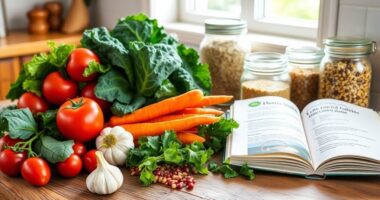
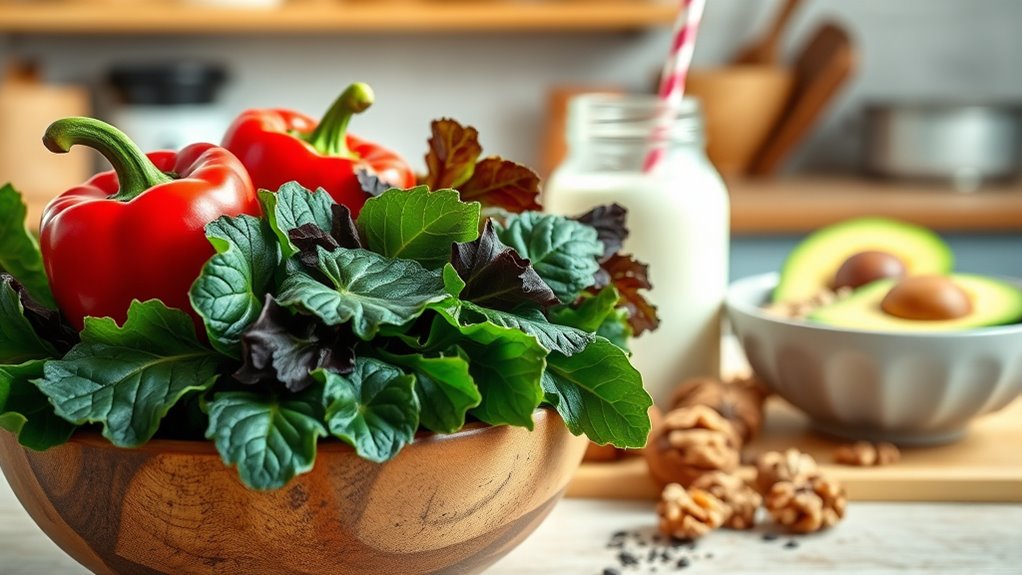
To meet your nutrient needs on a vegan diet, include fortified foods like plant-based milks, cereals, and nutritional yeast for vitamin B12, or consider daily supplements to guarantee consistent intake. For iron, combine plant sources like lentils and spinach with vitamin C-rich foods to boost absorption, and consider iron supplements if needed. Incorporate omega-3s from flaxseeds, walnuts, and algae supplements. Keep track of your levels with regular blood tests to stay healthy and balanced.
Key Takeaways
- Incorporate fortified foods and supplements to reliably meet vitamin B12 requirements on a vegan diet.
- Consume plant-based iron sources with vitamin C-rich foods to enhance iron absorption.
- Include algae-based omega-3 supplements or foods like flaxseeds and walnuts for adequate EPA and DHA intake.
- Regularly monitor nutrient levels through blood tests to prevent deficiencies.
- Diversify nutrient sources and consult healthcare providers for personalized supplementation plans.

Switching to a vegan diet can be a healthy choice, but it requires paying attention to key nutrients to make sure your body stays balanced. Among the most critical are vitamin B12, iron, and omega-3 fatty acids. Without careful planning, you might find yourself deficient in these essential nutrients, which can impact your energy levels, brain health, and overall well-being. Fortunately, you can address these concerns with strategic dietary choices and supplementation strategies.
Vitamin B12 is naturally found almost exclusively in animal products, so as a vegan, you need to seek alternative sources. Fortified foods are your best friends here; look for plant-based milks, breakfast cereals, and nutritional yeast that are fortified with B12. These can provide a reliable, consistent intake without the need for supplements, though many vegans opt for B12 supplements to ensure they meet daily requirements. Supplementation strategies are straightforward and effective—taking a daily B12 supplement or a multivitamin containing B12 can prevent deficiency. Regularly checking your B12 levels through blood tests helps you stay ahead of potential issues, especially since deficiency can lead to neurological problems and anemia.
Fortified foods and supplements are essential for vegans to maintain adequate vitamin B12 levels.
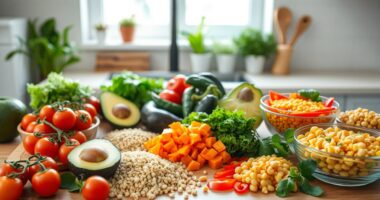
Iron is another crucial nutrient that vegans must pay attention to. Plant-based sources like lentils, chickpeas, tofu, spinach, and fortified cereals contain non-heme iron, which isn’t absorbed as efficiently as the heme iron from animal products. To improve absorption, pair iron-rich foods with vitamin C sources such as citrus fruits, strawberries, or bell peppers. Fortified foods can also play a significant role here, especially those enriched with extra iron. If you find it challenging to meet your iron needs through diet alone, iron supplementation can be considered, but it’s best to consult with a healthcare provider before starting supplements, as excess iron can cause health issues.
Omega-3 fatty acids are essential for brain health, but they are mostly found in fatty fish. As a vegan, your best options include flaxseeds, chia seeds, walnuts, and algae-based supplements. Algae oil supplements are particularly effective because they contain EPA and DHA—the two most beneficial forms of omega-3s. Incorporating fortified foods that contain omega-3s or taking algae-based supplements ensures you get enough of these healthy fats. This is especially important if you don’t consume enough flax or chia seeds regularly.
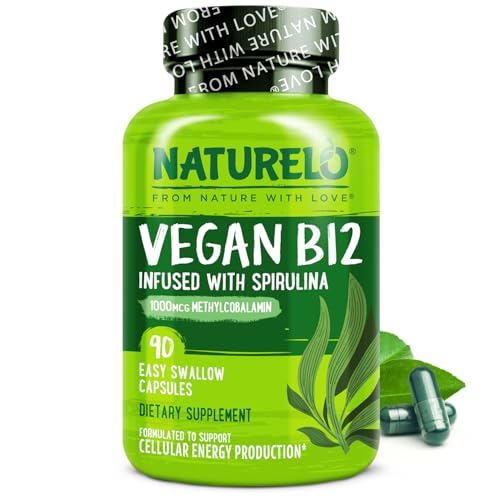
NATURELO Vegan B12 – Methyl B12 with Organic Spirulina – High Potency Vitamin B12 1000 mcg Methylcobalamin – Supports Healthy Mood, Energy, Heart & Eye Health – 90 Capsules
VEGAN-FRIENDLY: Vegans and vegetarians are often lacking B12 because of a lack of plant-based food sources. Our vegan…
As an affiliate, we earn on qualifying purchases.
As an affiliate, we earn on qualifying purchases.
Frequently Asked Questions
Can Vegans Get Enough Vitamin B12 From Plant-Based Sources?
You can’t get enough vitamin B12 from plant-based sources alone, as natural plant foods lack it. To meet your needs, incorporate fortified foods like plant milks, cereals, or supplements into your diet. Since B12 absorption can vary, regularly consuming fortified foods guarantees consistent intake. This way, you support your B12 levels effectively without relying solely on natural sources, keeping your vegan diet balanced and healthy.
What Are the Best Plant Foods for Iron Absorption?
Think of your body as a sponge, soaking up iron from your food. To optimize iron absorption, include plant foods like cooked spinach, lentils, quinoa, and pumpkin seeds. Cooking reduces phytates that block iron absorption, so focus on phytate reduction techniques. Pair these with vitamin C-rich foods like bell peppers or citrus to boost iron uptake. This combo helps your body absorb more iron from your plant-based choices.
How Can Vegans Ensure Adequate Omega-3 Intake?
To make certain of adequate omega-3 intake, include plenty of plant-based omega-3s like flaxseeds, chia seeds, walnuts, and hemp seeds in your diet. These vegan fatty acids provide essential nutrients for heart and brain health. Consider taking algae oil supplements if you need a concentrated source of vegan EPA and DHA. Regularly consuming these foods helps you meet your omega-3 needs without relying on fish or animal products.
Are Supplements Necessary for Vegan Nutrient Needs?
Supplements aren’t always necessary if you focus on dietary diversity and include fortified foods. By eating a variety of plant-based options, like fortified plant milks and cereals, you can meet your nutrient needs. However, for nutrients like B12 and certain omega-3s, supplements can be a reliable way to fill gaps, especially if you’re concerned about absorption or limited food sources. Always consider consulting a healthcare professional for personalized advice.
How Do Cooking Methods Affect Nutrient Retention in Vegan Foods?
Did you know that over 50% of nutrients can be lost during cooking? Your cooking methods considerably impact nutrient retention in vegan foods. For example, fermentation offers benefits like enhancing vitamin B12 and iron bioavailability while minimizing cooking nutrient loss. Steaming or blanching preserves more nutrients compared to boiling or frying. So, choosing gentle cooking techniques helps you maximize nutrient intake and keeps your vegan meals nutritious and delicious.

PlantFusion Vegan Iron Supplements from, Premium Plant Based Iron Supplements for Women and Men (25mg), Plus Folate & B12, 90 Veggie Capsules
NATURAL IRON SUPPLEMENTS: We start with a scientifically validated and patented source of natural iron concentrated to 25mg…
As an affiliate, we earn on qualifying purchases.
As an affiliate, we earn on qualifying purchases.
Conclusion
Staying mindful of your nutrient intake guarantees your vegan journey stays on track. Focus on incorporating B12, iron, and omega-3-rich foods and consider supplements if needed. Remember, a little effort now can prevent bigger health issues down the road. Don’t put all your eggs in one basket—diversify your sources and stay informed. With dedication and a balanced approach, you’ll find that nourishing your body plant-based doesn’t have to be a tall order.

Vegan Omega 3 Algae Oil (60 Softgels) Plant Based DHA EPA – Sustainably Sourced, No Carrageenan, Non GMO | Heart, Brain, and Eye Health – Fish Oil Alternative – Algae Omega 3 Supplement – USA Made
VEGAN OMEGA 3 SUPPLEMENT – Supports heart and brain health with essential omega 3 fatty acids for women…
As an affiliate, we earn on qualifying purchases.
As an affiliate, we earn on qualifying purchases.

PLANTSTRONG MILK Unsweetened Almond – Whole Plant-Based Milk, Fortified with Calcium, B12 & D3, No Gums or Oils, Non-GMO Project Verified, Gluten Free, Vegan (6-Pack (32 Fl Oz Each)) + Recipe Guide
WHOLE-ALMOND, CLEAN FLAVOR: Made using every part of the almond (except the shells) for more of the good…
As an affiliate, we earn on qualifying purchases.
As an affiliate, we earn on qualifying purchases.