
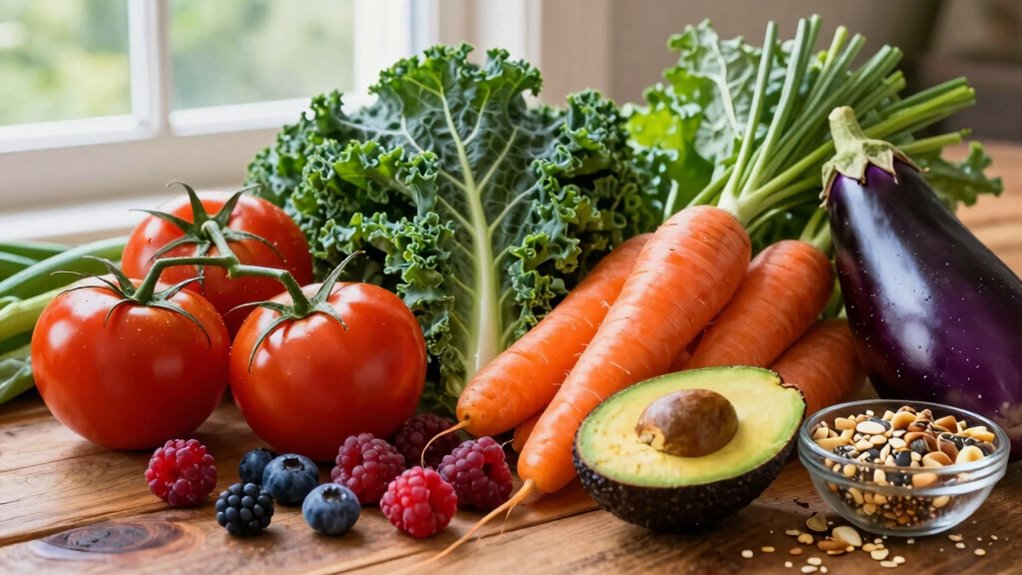

A heart-supportive vegan diet focuses on nutrient-dense, minimally processed plant foods like fruits, vegetables, whole grains, nuts, and seeds, which provide fiber, antioxidants, and healthy fats. Incorporate plant-based fats from sources like avocados, nuts, and seeds to boost your cholesterol profile and reduce inflammation. Choosing nutrient-rich choices helps protect your arteries and improve heart function. If you want to learn more about making heart-friendly vegan choices, keep exploring and discovering how to optimize your diet.

Get health and wellness essentials delivered free — and shop member deals
- Fast, free delivery on millions of items
- Access to Prime Big Deal Days deals on October 6–7
- Prime Video, Amazon Music and more included
Key Takeaways
- Emphasizes healthy plant-based fats like nuts, seeds, avocados, and olive oil to improve cholesterol and reduce inflammation.
- Rich in antioxidants, vitamins, and minerals from diverse plant foods to support overall heart function.
- High fiber intake from whole grains, legumes, and vegetables helps regulate blood pressure and cholesterol levels.
- Promotes gut health through fiber and probiotic-rich foods, reducing systemic inflammation.
- Focuses on minimally processed, nutrient-dense foods to maximize cardiovascular benefits.
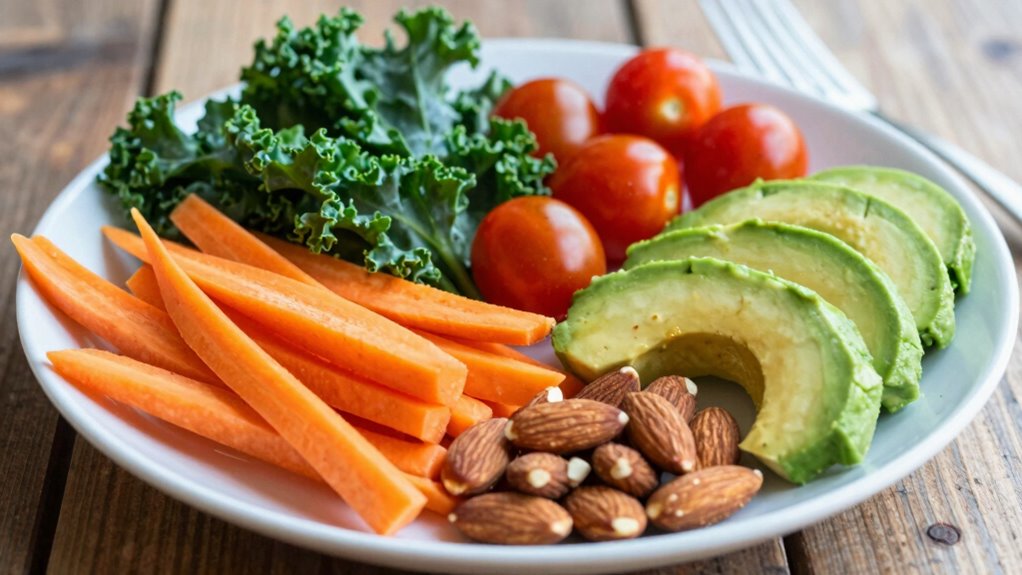
Switching to a vegan diet can considerably boost your heart health by reducing the intake of saturated fats and cholesterol found in animal products. This shift not only lowers your risk of cardiovascular disease but also introduces a variety of nutrient-dense foods that support overall wellness. A key factor in making a vegan diet heart-supportive is choosing foods rich in plant-based fats. These healthy fats, primarily found in nuts, seeds, avocados, and olive oil, help improve your cholesterol profile by increasing HDL (good cholesterol) and lowering LDL (bad cholesterol). Unlike saturated fats from animal sources, plant-based fats are linked to reduced inflammation and better arterial health, which are essential for maintaining a strong, healthy heart.
Furthermore, a vegan diet enhances nutrient absorption, especially of antioxidants and phytochemicals that fight oxidative stress and inflammation—two major contributors to heart disease. When you consume a variety of plant foods, your body efficiently absorbs vitamins like A, C, and E, along with minerals such as magnesium and potassium, all of which are essential for heart function. For instance, leafy greens and berries are rich in antioxidants that protect your cells from damage, while whole grains supply fiber that helps regulate blood pressure and cholesterol levels. The fiber in plant foods also promotes better gut health, which has been increasingly linked to cardiovascular health, as a healthy gut microbiome can reduce systemic inflammation. Understanding the role of gut health is crucial in comprehending how a balanced diet impacts overall heart wellness.
To make your vegan diet truly heart-friendly, focus on nutrient-dense, minimally processed foods. Whole foods like beans, lentils, quinoa, and a rainbow of vegetables supply a broad spectrum of nutrients necessary for ideal heart health. Incorporate sources of plant-based fats, such as chia seeds and walnuts, to enhance your intake of omega-3 fatty acids, which are essential for reducing inflammation and supporting cardiovascular function. Keep in mind that variety is key—different plant foods provide different nutrients, and together, they create an all-encompassing defense against heart disease. Understanding the role of saturated fats and cholesterol can help you make more informed dietary choices for heart health. Additionally, paying attention to nutrient bioavailability ensures you’re maximizing the health benefits of your plant-based foods.
As an affiliate, we earn on qualifying purchases.
Frequently Asked Questions
Can Vegans Get Enough Omega-3 Fatty Acids?
Yes, you can get enough omega-3 fatty acids on a vegan diet. Focus on plant-based sources like flaxseeds, chia seeds, walnuts, and hemp seeds, which are rich in alpha-linolenic acid (ALA). Incorporate vegan calcium sources like fortified plant milks and leafy greens to support overall health. Including these foods guarantees you get essential nutrients, including omega-3s and antioxidants, promoting heart health and well-being.
How Do Plant-Based Diets Affect Cholesterol Levels?
Like a skilled gardener tending to a thriving garden, your plant-based diet can lower your cholesterol levels. It promotes cholesterol reduction by incorporating foods rich in plant sterols, which block cholesterol absorption. Consuming fiber-rich fruits, vegetables, and whole grains further supports heart health. This natural approach helps maintain healthy cholesterol levels, reducing your risk of heart disease, and keeps your cardiovascular system in ideal condition—proving that nature’s bounty truly nurtures your heart.
Are Vegan Processed Foods Heart-Healthy?
Vegan processed foods aren’t automatically heart-healthy, but smart choices can help. Look for vegan snack options that use whole, minimally processed ingredients, and prioritize plant-based protein sources like beans, lentils, and tofu. These options provide fiber and healthy fats, supporting heart health. Avoid highly processed vegan foods high in added sugars, sodium, and unhealthy fats, which can undermine your heart health goals. Always read labels carefully.
What Are Good Vegan Sources of Iron for Heart Health?
You can boost your heart health with vegan iron sources like lentils, tofu, spinach, and chickpeas, which are rich in plant-based iron. Incorporate these regularly into your meals to improve absorption. Additionally, consider plant-based supplements if needed, but focus on whole foods first. Vitamin C-rich foods like oranges or peppers help enhance iron absorption, supporting your overall heart health on a vegan diet.
How Does a Vegan Diet Impact Blood Pressure?
Think of your blood pressure like a garden hose; too much pressure can cause damage. A vegan diet can lower blood pressure by boosting plant-based antioxidants and encouraging vegan sodium reduction. For example, I noticed my blood pressure improved after switching to a plant-rich diet, emphasizing how reducing processed foods and increasing fruits and vegetables can help keep your blood pressure in check.
As an affiliate, we earn on qualifying purchases.
Conclusion
Switching to a vegan diet can markedly boost your heart health. Imagine Sarah, who adopted plant-based eating and lowered her cholesterol levels in just a few months. By focusing on whole grains, fruits, and vegetables, you support your heart’s wellbeing and enjoy vibrant energy. Remember, small changes add up—making mindful food choices today can lead to a healthier, happier tomorrow. Embrace the journey to a heart-supportive vegan lifestyle and feel the difference.
As an affiliate, we earn on qualifying purchases.
plant-based antioxidants capsules
As an affiliate, we earn on qualifying purchases.
As an affiliate, we earn on qualifying purchases.
Fall Picks
fall essentials
As an affiliate, we earn on qualifying purchases.