
TL;DR
Scientists have discovered that aging muscle stem cells can be reprogrammed to act young again. However, this process involves complexities that may hinder clinical applications. The breakthrough offers hope but also highlights current limitations.
Researchers have demonstrated that muscle stem cells from aged individuals can be reprogrammed to restore their youthful regenerative functions. This breakthrough in cellular aging offers potential pathways for treating age-related muscle decline, though significant challenges remain before clinical use. The findings, published in Nature Aging, mark a notable step forward in regenerative medicine.
The study, conducted by scientists at the University of California, San Francisco, involved reprogramming aged muscle stem cells using specific genetic and molecular techniques. Results showed that these cells, which normally decline in function with age, could be induced to behave like young cells, with improved regenerative capacity and increased ability to repair muscle tissue.
However, the process is complex. The reprogramming involved manipulating multiple pathways, including those related to cellular aging and stress responses. Experts caution that translating this approach into therapies will require overcoming technical hurdles, such as ensuring safety and stability of the reprogrammed cells.
Implications for Aging and Muscle Regeneration
This research suggests that age-related decline in muscle regeneration might not be irreversible. If scientists can refine the reprogramming process, it could lead to new treatments for sarcopenia and other muscle-wasting conditions common in the elderly. Nonetheless, the current methods are experimental, and safety concerns about reprogramming cells remain.
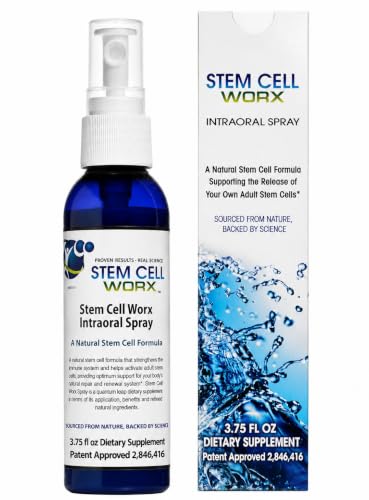
The Leader in Stem Cell Supplements. Endorsed by USA Regenerative Physicians. Rapid Results and Instant 95% Absorption. Repair and Renew Your Body at The Cellular Level.
FIGHTS BIOLOGICAL AGING AT THE CELLULAR LEVEL. In a Fast-Acting Spray. Unfiltered ingredients. Patent approved, guaranteed stem cell…
As an affiliate, we earn on qualifying purchases.
As an affiliate, we earn on qualifying purchases.
Previous Advances in Cellular Reprogramming and Aging
Cellular reprogramming has been a major focus in aging research since the discovery of induced pluripotent stem cells (iPSCs) in 2006. Prior studies showed that reprogramming could reset some aging markers in cells, but applying this to specific tissues like muscle has been challenging. Recent efforts have aimed to develop targeted approaches to rejuvenate aged tissues without causing uncontrolled cell growth or cancer.
“Our findings demonstrate that aging muscle stem cells are not permanently damaged but retain the capacity to regain youthful functions under the right conditions.”
— Dr. Emily Carter, lead researcher
sarcopenia muscle regeneration supplements
As an affiliate, we earn on qualifying purchases.
As an affiliate, we earn on qualifying purchases.
Technical Challenges and Safety Concerns for Clinical Use
It remains unclear how safely and effectively these reprogrammed cells can be used in humans. Risks such as uncontrolled cell growth, tumor formation, or immune rejection are significant hurdles. Researchers are still investigating how to refine the process to minimize these risks, and long-term effects are unknown.
aging muscle recovery products
As an affiliate, we earn on qualifying purchases.
As an affiliate, we earn on qualifying purchases.
Future Research to Address Safety and Efficacy
Scientists plan to conduct further studies to optimize reprogramming techniques, test safety in animal models, and explore potential delivery methods suitable for human therapies. Clinical trials could be years away, depending on the progress in overcoming current challenges.
cell reprogramming research kits
As an affiliate, we earn on qualifying purchases.
As an affiliate, we earn on qualifying purchases.
Key Questions
Can this reprogramming method reverse aging in all tissues?
Currently, the research focuses on muscle tissue, and it is unclear whether similar techniques could be effective or safe in other tissues. More studies are needed to understand tissue-specific responses.
Are there risks associated with reprogramming cells in this way?
Yes, risks include potential tumor formation, immune reactions, and unintended genetic changes. Ensuring safety is a primary concern before considering human applications.
It is still in early research stages. Developing safe, effective therapies could take several years, depending on further experimental success and regulatory approval.
Does this mean aging can be completely reversed?
Not yet. While the findings are promising, complete reversal of aging in humans remains a distant goal. The research shows potential for partial rejuvenation of specific cells.
Source: rss