
TL;DR

Get health and wellness essentials delivered free with Prime
- Fast, free delivery on millions of items
- Prime Video, Amazon Music and more included
- Member-only deals all year
Blue-green algae have been identified at two popular Berlin beaches, leading to health warnings. Authorities are testing water quality, but no official closures have been announced yet.
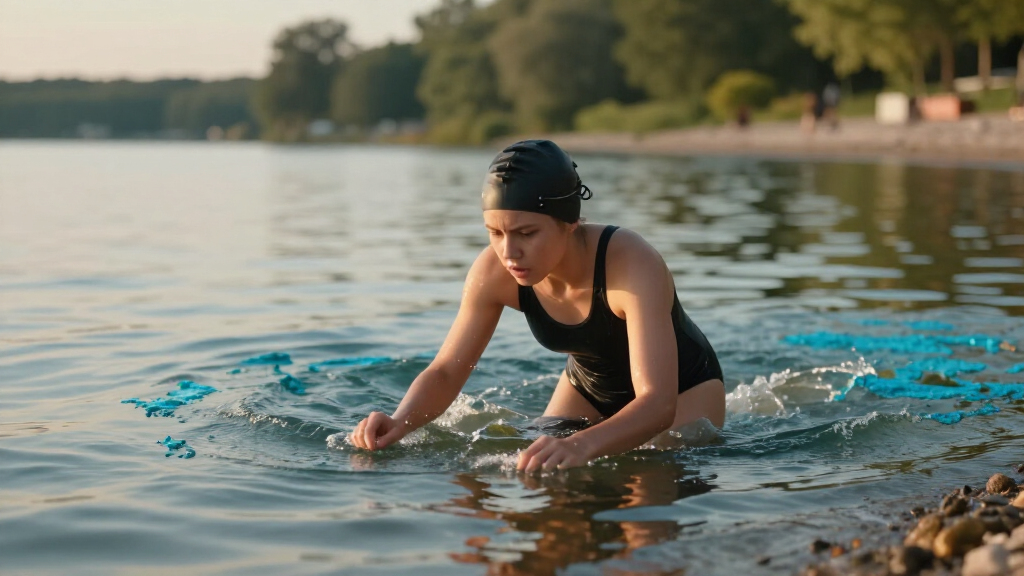
Blue-green algae have been detected at two popular swimming locations in Berlin, prompting health warnings from local authorities. The findings, confirmed by berlin.de, raise concerns about water safety during the upcoming swimming season.
Berlin’s environmental and health officials announced that samples taken from the beaches at Strandbad Wannsee and Strandbad Müggelsee tested positive for blue-green algae, also known as cyanobacteria. The presence of these algae can pose health risks, especially for children, pets, and individuals with skin sensitivities.
Authorities have not yet ordered the immediate closure of the beaches but have issued warnings advising visitors to avoid swimming or ingesting water from these spots until further testing confirms the algae’s toxin levels are safe. The tests are ongoing, and officials expect results within the next few days.
Berlin’s environmental agency emphasized that blue-green algae are common in warm weather and can produce toxins harmful to humans and animals. The algae have been observed in the water, with authorities monitoring the situation closely.
Impact on Public Health and Beach Safety
The detection of blue-green algae at these beaches highlights potential health risks for beachgoers, especially during peak summer months. While no official closures have been ordered, the warnings may influence public behavior and tourism. The situation underscores the importance of water quality monitoring and timely communication from authorities to prevent health incidents related to cyanobacteria toxins.blue-green algae water testing kit
As an affiliate, we earn on qualifying purchases.
As an affiliate, we earn on qualifying purchases.
Previous Incidents of Blue-Green Algae in Berlin
Blue-green algae are a common occurrence in Berlin’s lakes and rivers during warm weather, with periodic reports of blooms over the past several years. Last summer, similar warnings were issued at various lakes, prompting temporary closures and public advisories. Experts note that climate change and rising temperatures can increase the frequency and intensity of cyanobacteria blooms in urban water bodies.
Authorities have been increasing water quality testing and public awareness campaigns to mitigate health risks, but the presence of algae remains a recurring challenge during heatwaves and warm seasons.
“We are currently monitoring the situation and will update the public once we have the results of further water tests. In the meantime, we advise caution and recommend avoiding swimming at these locations.”
— Berlin Environmental Agency spokesperson
As an affiliate, we earn on qualifying purchases.
Unconfirmed Toxin Levels and Potential Closure Plans
It is still unclear whether the detected blue-green algae are producing toxins at levels that pose a significant health risk. The final assessment depends on the analysis of toxin concentrations in water samples, which is expected within the next few days. Authorities have not yet announced any formal closures or restrictions but are considering measures based on test results.
As an affiliate, we earn on qualifying purchases.
Next Steps in Water Testing and Public Communication
Water samples from the affected beaches are currently undergoing laboratory analysis to determine toxin levels. Authorities plan to release updated safety recommendations once results are available. They will also decide whether to implement closures or additional safety measures depending on the findings.
Public advisories and signage will be updated accordingly, and authorities will continue to monitor water quality throughout the season.
As an affiliate, we earn on qualifying purchases.
Key Questions
Are the beaches currently closed due to blue-green algae?
No, the beaches remain open at this time, but authorities have issued warnings advising against swimming until further testing confirms safety.
What health risks do blue-green algae pose?
Blue-green algae can produce toxins harmful to humans and animals, potentially causing skin irritation, gastrointestinal issues, or more serious health effects if ingested or if contact occurs in significant amounts.
How long will it take to get test results?
Water samples are being analyzed, and results are expected within a few days. Authorities will update the public once toxin levels are confirmed.
Should I avoid swimming at these beaches?
Yes, officials recommend avoiding swimming or water ingestion at the affected beaches until further notice and official confirmation that water quality is safe.
What causes blue-green algae blooms in Berlin?
Warm temperatures, nutrient runoff, and climate change contribute to algae blooms. These conditions promote cyanobacteria growth in lakes and rivers, especially during heatwaves.
Source: local
Halloween Picks
halloween
As an affiliate, we earn on qualifying purchases.