
TL;DR

Get health and wellness essentials delivered free with Prime
- Fast, free delivery on millions of items
- Prime Video, Amazon Music and more included
- Member-only deals all year
A Sixty and Me contributor describes how three women in their 70s living in the same Cuenca apartment building developed an informal support network for aging in place. Their arrangements include check-ins, spare keys and emergency contacts; one friend also bought another’s apartment after its owner decided to sell. The account is a personal example, not a formal program or a tested model.
A personal report published by Sixty and Me describes how three women in their 70s living in one apartment building in Cuenca, Ecuador, have built an informal support network to help one another stay independent as they age. Their steps include sharing spare keys, setting a three-day check-in rule and preparing emergency contact information, while a friend’s decision to buy another woman’s apartment helped keep the group together.
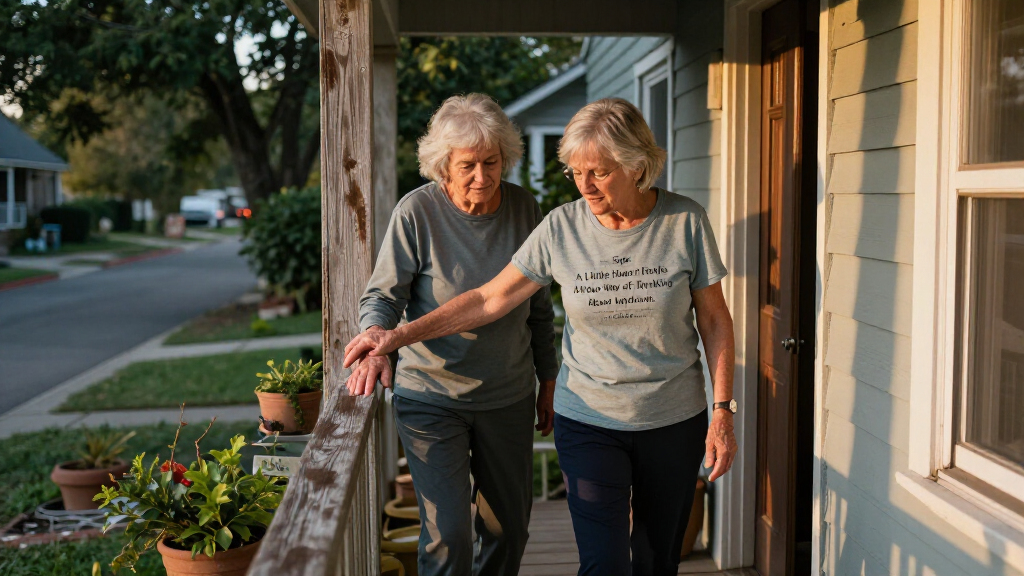
The women—identified in the report as Blake, Emma and the narrator—did not move into the building intending to create an aging-in-place arrangement. They became friends through drinks and dinners, and their conversations grew more personal over time. The author describes them as “thinking friends” who listen, offer advice when asked and support one another during difficult periods.
Their practical arrangements developed gradually. They initially checked in every morning and evening, but the author says the routine felt unnecessary. They now use a three-day rule: if one has not heard from another for three days, she checks in by text or through their group chat. Each woman also has a spare key to the others’ apartments, with additional keys hidden in agreed locations.
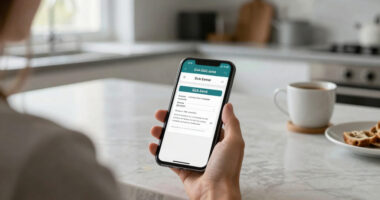
The three created a phone-based emergency group that includes other trusted nearby contacts. They prepared laminated contact sheets listing local ambulance services, hospitals, emergency numbers, doctors, medical proxies, lawyers and people with power of attorney. The report says they have also discussed pooling money to arrange a nurse or caregiver in the building if their needs change, but they have not settled the logistics or put that plan into operation.
A Neighborly Plan for Staying Independent
The account frames aging in place as more than adapting a home with grab bars or checking access to medical care. It also asks who might notice if something goes wrong, help contact relatives or provide practical assistance. For people living alone, the women’s experience offers a concrete example of how friendships and nearby contacts can become part of planning for later life.
The report does not establish that this approach will work for others or replace professional care. The arrangements depend on trust, proximity and the friends’ ability to help. Still, the example shows how a small group can discuss emergencies and future care before a crisis, while trying to preserve each person’s control over daily life.
The housing decision made the support network tangible. When the landlord decided to sell Blake’s apartment, the report says Emma, who had recently sold an investment property, bought it. Emma told Blake she would have a home with the group, according to the narrator. The purchase addressed one immediate risk to their shared arrangement, though the source provides no financial terms or further details.
personal emergency contact laminated sheets
As an affiliate, we earn on qualifying purchases.
As an affiliate, we earn on qualifying purchases.
How the Friendship Became a Support Network
The author begins from familiar questions about remaining at home while growing older: whether there are stairs, whether bathrooms can be adapted, whether a building can accommodate mobility needs and whether medical services are nearby. The report then shifts attention from the physical setting to the people close at hand.
The three women have different living circumstances. Blake is widowed and has an adult child; Emma is divorced and lives alone; the author describes herself as single. Blake rents, while Emma and the narrator own their apartments. The report says their relationship began socially and developed into a support arrangement without a formal plan or organization.
Some parts remain proposals rather than established services. The friends have talked about creating an interest-bearing fund to help pay for in-home support and potentially renting another apartment in the building for a caregiver. The author says other residents may be interested, but the group is still working out how such an arrangement could function.
spare apartment keys hidden lockbox
As an affiliate, we earn on qualifying purchases.
As an affiliate, we earn on qualifying purchases.
Care Plans Still Under Discussion
The source is a first-person account, not an evaluation of a formal aging-in-place program. It does not provide independent confirmation of the arrangements, details about the apartment purchase or information on how the group would handle disagreements, costs or changing care needs.
The proposed shared fund and caregiver plan are not yet operational. The report does not say how much each person might contribute, what legal or financial structure they would use, or whether other residents will join. It also does not describe whether the women have assessed the building for accessibility or arranged professional support beyond their emergency contact lists.
The narrator’s account reflects the circumstances of three friends in one building. It does not establish that similar arrangements are suitable or available for every older person, particularly someone without nearby trusted friends or with more extensive care needs.
As an affiliate, we earn on qualifying purchases.
Planning for Future Support Needs
According to the report, the women are continuing to think through whether to create a shared fund and how they might arrange in-home nursing or caregiving if needed. The author says others in the building may be interested, but no decision, timetable or finalized plan is given.
The group’s immediate practices remain informal: check in after three days without contact, use the emergency group when urgent help is needed and keep relevant contacts accessible. The report does not identify a scheduled next milestone. Any expansion of the arrangement will depend on the women working out the practical details and deciding whether other residents want to participate.
home safety checklists for aging in place
As an affiliate, we earn on qualifying purchases.
As an affiliate, we earn on qualifying purchases.
Key Questions
What happened in the Sixty and Me report?
A contributor described how three women in their 70s in a Cuenca apartment building developed a friendship-based support network as they planned for aging in place.
What do the friends do to check on one another?
They use a three-day rule: if one has not heard from another for three days, she checks in by text or group chat. They also share spare keys and have an emergency contact group.
Have the women arranged shared caregiving?
No. The report says they have discussed pooling money for a caregiver or nurse in the building, but are still working out the logistics. It does not describe a funded or operating care arrangement.
Why did one friend buy another’s apartment?
The narrator says Blake’s landlord decided to sell, which could have meant Blake had to leave. Emma bought the apartment and told Blake she would have a home with the group, according to the report.
Is this a formal aging-in-place program?
No. It is a personal account of an informal arrangement among friends, not a formal service or a study showing that the approach works for everyone.
Source: rss
Halloween Picks
halloween
As an affiliate, we earn on qualifying purchases.