

TL;DR

Get health and wellness essentials delivered free with Prime
- Fast, free delivery on millions of items
- Prime Video, Amazon Music and more included
- Member-only deals all year
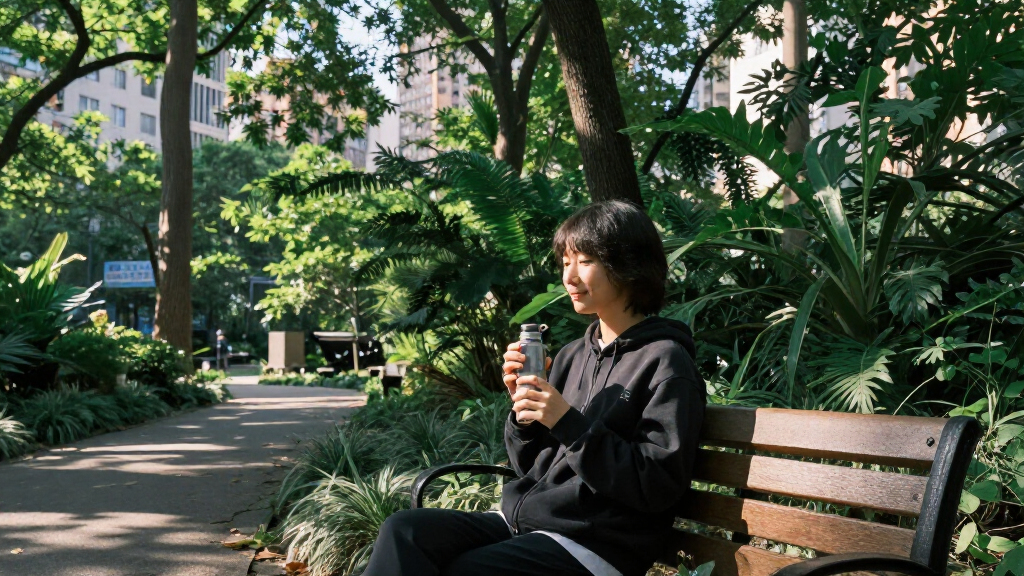
A recent study finds that individuals living near urban woodlands are less likely to use antidepressants. The research suggests that access to natural green spaces may support mental health and reduce reliance on medication.
People living in areas with greater access to urban woodlands are statistically less likely to use antidepressants, according to a new study published in the Journal of Environmental Psychology. The research indicates that exposure to natural green spaces within cities may have a protective effect on mental health, potentially reducing the need for medication. This finding underscores the importance of urban planning that incorporates accessible natural environments for community well-being.
The study analyzed health records and geographic data from over 50,000 residents across multiple cities in the United Kingdom. Researchers found that individuals with easy access to urban forests, parks, and green corridors had approximately 15% lower rates of antidepressant prescriptions compared to those with limited green space access. The analysis accounted for factors such as age, socioeconomic status, and pre-existing health conditions.
Lead researcher Dr. Emily Carter from the University of Bristol explained, “Our findings suggest that the presence of natural environments within urban areas can serve as a non-pharmacological support for mental health. Access to green spaces appears to be associated with reduced reliance on antidepressant medication, which has significant implications for public health strategies.”
The study also noted that the quality and size of green spaces matter; larger and more accessible woodlands correlated with more pronounced reductions in antidepressant use. The researchers emphasized that urban planning should prioritize creating and maintaining accessible natural areas to promote mental well-being.
Implications for Urban Planning and Public Health
This research highlights the potential of urban green spaces as a tool for improving mental health outcomes and reducing medication dependence. As mental health issues continue to rise globally, integrating accessible natural environments into city designs could serve as a cost-effective, non-invasive intervention. Policymakers and urban planners might consider prioritizing green infrastructure investments to foster healthier communities, especially in densely populated areas where access to nature is often limited.
As an affiliate, we earn on qualifying purchases.
Previous Evidence Linking Nature and Mental Health
Prior studies have indicated that exposure to natural environments can reduce stress, improve mood, and enhance overall psychological well-being. Research published over the past decade has shown that urban residents with access to parks and green spaces report lower levels of depression and anxiety. However, few large-scale studies have specifically examined the relationship between green space access and medication use, making this new research a significant addition to the field.
Historically, urban development has often prioritized infrastructure and housing over green space preservation. Recent policy shifts in several countries aim to reverse this trend, recognizing the health benefits of integrating nature into cityscapes. The current study adds to this momentum by providing concrete evidence that access to urban woodlands can have measurable mental health benefits.
“Our findings suggest that the presence of natural environments within urban areas can serve as a non-pharmacological support for mental health. Access to green spaces appears to be associated with reduced reliance on antidepressant medication.”
— Dr. Emily Carter, University of Bristol
As an affiliate, we earn on qualifying purchases.
Limitations and Unanswered Questions About Causality
While the study shows a correlation between access to urban woodlands and lower antidepressant use, it does not establish a direct causal relationship. It remains unclear whether increased green space access directly reduces depression or if other factors, such as lifestyle or socioeconomic status, contribute to the observed outcomes. Additionally, the impact of individual differences, such as frequency of visits or personal attitudes toward nature, was not measured.
Further research is needed to determine whether actively encouraging outdoor activity in green spaces can produce similar mental health benefits or if other environmental or social variables influence the results.
As an affiliate, we earn on qualifying purchases.
Further Research and Policy Development Needed
Researchers plan to conduct longitudinal studies to better understand causality and explore how specific features of green spaces, such as size, accessibility, and biodiversity, influence mental health. Policymakers may consider incorporating these findings into urban development guidelines, promoting equitable access to natural environments across socio-economic groups. Public health campaigns could also focus on encouraging outdoor activity in local green spaces as a complementary approach to traditional mental health treatments.
As an affiliate, we earn on qualifying purchases.
Key Questions
Does access to urban woodlands directly reduce depression?
The study shows a correlation but does not confirm causality. More research is needed to determine if access directly reduces depression or if other factors are involved.
How significant is the reduction in antidepressant use?
The research found approximately a 15% lower rate of antidepressant prescriptions among those with better access to green spaces.
Can visiting parks and woodlands improve mental health?
While the study indicates an association between green space access and lower medication use, it did not specifically measure individual visits or activity levels. However, existing evidence suggests that spending time in nature can benefit mental well-being.
What should cities do to improve mental health through green spaces?
Cities should prioritize creating and maintaining accessible, high-quality green spaces, especially in underserved areas, to support community mental health and well-being.
Are there differences based on socioeconomic status?
The study accounted for socioeconomic factors, but further research is needed to understand how disparities in green space access affect mental health outcomes across different populations.
Source: hn
Fall Picks
fall essentials
As an affiliate, we earn on qualifying purchases.