
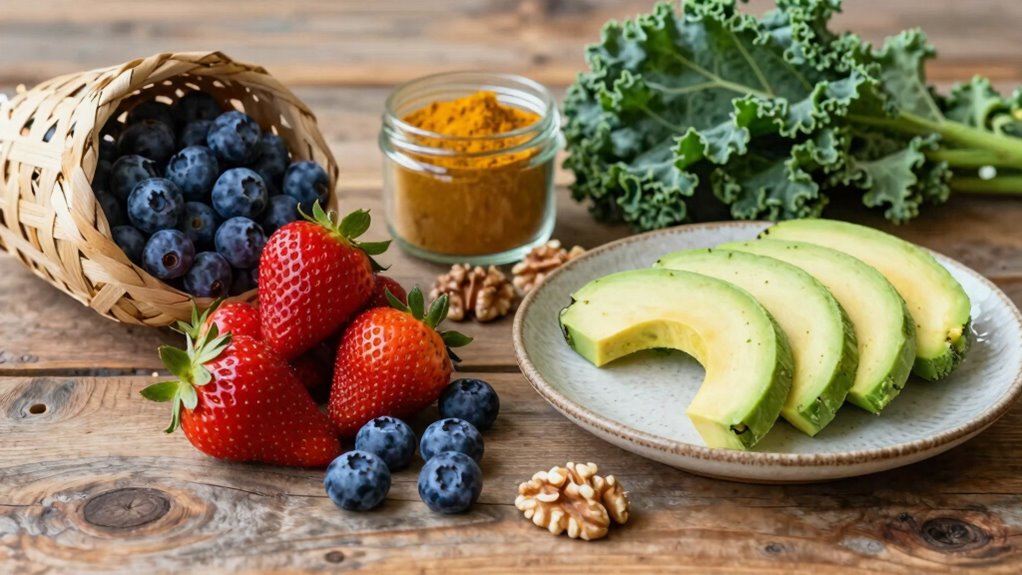
To eat more anti-inflammatory foods without falling for trends, focus on simple, whole ingredients. Incorporate colorful vegetables, whole grains, fatty fish, nuts, and herbs like turmeric and ginger into your meals. Use meal prep to keep healthy options handy and make small, consistent ingredient swaps, like olive oil instead of butter. By sticking to basic, nutrient-rich foods and mindful habits, you’ll create a sustainable eating pattern. Keep going to discover more practical tips for lasting health benefits.

Get health and wellness essentials delivered free with Prime
- Fast, free delivery on millions of items
- Prime Video, Amazon Music and more included
- Member-only deals all year
Key Takeaways
- Focus on incorporating whole, unprocessed anti-inflammatory foods like vegetables, fruits, nuts, and fatty fish into your meals regularly.
- Use simple ingredient swaps, such as whole grains and olive oil, instead of trendy or processed options.
- Plan and batch-cook nutrient-dense ingredients to make healthy eating easy and sustainable.
- Add anti-inflammatory spices like turmeric and ginger to your everyday dishes for extra benefits.
- Practice mindful eating and nutritional awareness to make consistent, informed food choices without relying on trends.
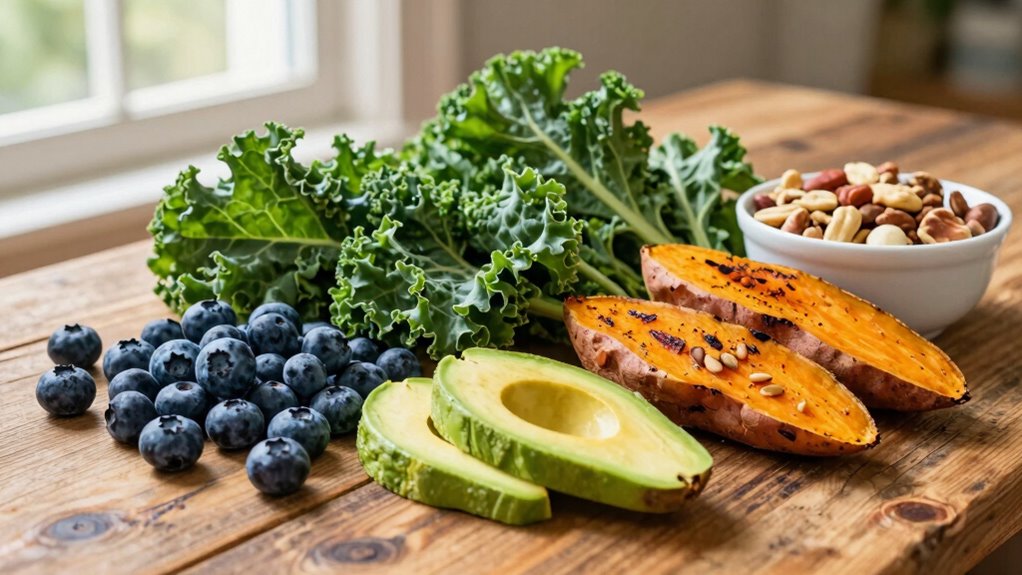
Inflammation is a natural response by your body, but chronic inflammation can contribute to various health issues like heart disease, arthritis, and even some autoimmune conditions. To combat this, eating more anti-inflammatory foods is a smart move, but you don’t have to fall for fleeting trends or spend a fortune on exotic ingredients. Instead, focus on simple, practical strategies that fit into your daily routine. One effective approach is meal prep. By planning and preparing your meals in advance, you gain control over what goes into your dishes, making it easier to include nutrient-dense, anti-inflammatory ingredients regularly. For instance, batch-cook grains like quinoa or brown rice, and add plenty of colorful vegetables, such as spinach, bell peppers, and broccoli, which are rich in antioxidants and phytochemicals that fight inflammation.
Meal prep with grains and colorful vegetables makes anti-inflammatory eating simple and sustainable.
When it comes to ingredient swaps, small changes can make a big difference. Swap refined grains for whole grains, and replace processed snacks with fresh fruit and nuts. For example, instead of white bread, choose whole-grain bread or wraps to increase fiber intake, which supports gut health and reduces inflammation. Incorporate healthy fats by using olive oil instead of butter or margarine, and add fatty fish like salmon or mackerel to your weekly menu, as they contain omega-3 fatty acids known for their anti-inflammatory properties. You can also swap out sugary beverages for herbal teas or infused water, reducing your intake of pro-inflammatory sugars and additives. Additionally, choosing high-quality projectors can enhance your viewing experience, just as selecting the right foods can improve your health.
Incorporating more anti-inflammatory foods doesn’t mean you need to overhaul your entire diet overnight. Start small by revising your grocery list, focusing on whole, unprocessed foods, and experimenting with simple ingredient swaps. For example, replace creamy dressings with homemade vinaigrettes made from olive oil, lemon juice, and herbs. Use spices like turmeric and ginger in your cooking, which are well-known for their anti-inflammatory benefits. As you plan your meals, think about how you can incorporate these ingredients into dishes you already enjoy. Meal prep makes this easier because it allows you to set aside time to prepare ingredients in advance, so healthy options are always available when you’re short on time. Being aware of nutritional content can help you make more informed choices and optimize your anti-inflammatory efforts. Incorporating mindful eating can help you better recognize hunger cues and prevent overeating, supporting your overall health goals.
Understanding the importance of a balanced diet can motivate you to make more consistent, informed choices, and embracing whole foods is a key step in reducing inflammation naturally. Ultimately, eating more anti-inflammatory foods is about consistency, not perfection. By making mindful ingredient swaps and dedicating time to meal prep, you can naturally boost your intake of inflammation-fighting foods without falling for fleeting trends. This approach helps you create a sustainable, healthful eating pattern that supports your body’s natural defenses against chronic inflammation.
As an affiliate, we earn on qualifying purchases.
Frequently Asked Questions
Are There Affordable Ways to Incorporate Anti-Inflammatory Foods Daily?
Yes, you can incorporate anti-inflammatory foods affordably by focusing on budget shopping at local markets and buying seasonal produce. Incorporate affordable options like turmeric, ginger, and leafy greens into your meals, using flavor masking techniques like spices and herbs to enhance taste. Cooking at home more often also helps you control costs and ingredients, making it easier to enjoy anti-inflammatory benefits daily without breaking the bank.
Can I Supplement My Diet With Anti-Inflammatory Foods if I Dislike Certain Flavors?
If you dislike certain flavors, you can still supplement your diet with anti-inflammatory foods. Don’t worry—there are plenty of options to suit your taste buds. Try flavor-neutral supplements like turmeric capsules or ginger teas, or add small amounts of anti-inflammatory spices into dishes you enjoy. You can also incorporate anti-inflammatory foods through smoothies or supplements, making it easier to get benefits without compromising your flavor preferences.
How Do I Identify Genuine Anti-Inflammatory Foods Beyond Trendy Labels?
You can identify genuine anti-inflammatory foods by looking for natural markers like fresh, whole ingredients and checking food origins for minimal processing. Opt for foods grown locally or organically, which often retain their anti-inflammatory properties. Avoid trendy labels that may lack scientific backing. Focus on colorful fruits, vegetables, nuts, and fatty fish, and read labels carefully to guarantee you’re selecting authentic, nutrient-rich options that truly support inflammation reduction.
Are Frozen or Canned Anti-Inflammatory Foods as Effective as Fresh Ones?
You might find that frozen benefits retain most nutrients, making them just as anti-inflammatory as fresh options. Canned considerations, like added salt or preservatives, can affect their effectiveness, but rinsing canned goods helps reduce these. Frozen and canned anti-inflammatory foods are convenient and nutritious, especially when fresh produce isn’t available. They’re a practical way to incorporate anti-inflammatory foods into your diet without sacrificing quality or health benefits.
How Can I Meal Prep Anti-Inflammatory Dishes Efficiently?
To meal prep anti-inflammatory dishes efficiently, plan ahead with meal prep tips like batching ingredients and using versatile recipes. Keep antioxidant-rich ingredients like turmeric, ginger, and leafy greens on hand, and use ingredient substitutions such as cauliflower rice instead of grains or frozen berries instead of fresh. Store pre-chopped vegetables in airtight containers, and cook in bulk to save time. This approach keeps your meals healthy, simple, and ready to enjoy anytime.
As an affiliate, we earn on qualifying purchases.
Conclusion
Eating more anti-inflammatory foods doesn’t mean you have to follow every trendy diet. Focus on simple swaps—add berries to your breakfast or include leafy greens in your meals. You might worry about it being expensive or time-consuming, but small, consistent changes make a big difference. Stick with what’s accessible and enjoyable for you. Over time, these habits can boost your health without the need for fads, making healthy eating sustainable and stress-free.
As an affiliate, we earn on qualifying purchases.
As an affiliate, we earn on qualifying purchases.
Halloween Picks
halloween
As an affiliate, we earn on qualifying purchases.