


TL;DR
Scientists have created a new at-home testing kit that allows individuals to detect if a tick they find is infected with Lyme disease bacteria. This development could lead to earlier diagnosis and treatment, reducing long-term health risks.
Researchers have developed a new at-home testing kit that allows individuals to determine if a tick they find is infected with Lyme disease bacteria. This innovation aims to improve early diagnosis and reduce the risk of long-term health complications associated with Lyme disease, which is caused by the bacteria Borrelia burgdorferi.

Get health and wellness essentials delivered free with Prime
- Fast, free delivery on millions of items
- Prime Video, Amazon Music and more included
- Member-only deals all year
The new testing method involves a portable kit that users can apply directly to a tick to identify the presence of Lyme disease bacteria. According to the research team at the University of New Hampshire, preliminary trials show the test can deliver results within 30 minutes, with high accuracy in detecting infected ticks.
Currently, diagnosis of Lyme disease relies on symptom assessment and laboratory blood tests, which often delay detection until symptoms appear or laboratory results are processed. This new at-home test could enable earlier detection, especially in cases where individuals find ticks but do not yet show symptoms.
The development is still in the prototype stage, with further validation and regulatory approval needed before commercial availability. Researchers emphasize that the test is intended as a preventive tool, not a definitive diagnosis for Lyme disease in humans.
Potential Impact on Lyme Disease Prevention and Early Detection
This development could significantly impact public health by enabling individuals to quickly determine if a tick they encounter is infected, prompting prompt medical consultation and treatment. Early detection of infected ticks may lead to a reduction in Lyme disease cases and prevent long-term health issues such as joint pain, neurological problems, and fatigue, which can occur if the disease is untreated.
Experts suggest that widespread use of such kits could also improve data collection on tick infection rates and inform public health strategies for Lyme disease prevention.
Products Worth Considering
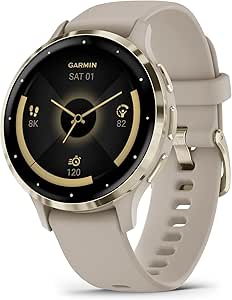
Garmin Venu 3S GPS Fitness Smartwatch, 41 mm, French Gray

Withings Body Scan Smart Scale with Segmental Body Composition and ECG, Black

LEVOIT Vital 200S-P Smart Air Purifier for Large Rooms, White
As an affiliate, we earn on qualifying purchases.
Background on Lyme Disease and Tick Testing Challenges
Lyme disease is the most common vector-borne illness in the United States, with approximately 476,000 cases reported annually, according to the CDC. The disease is transmitted through the bite of infected black-legged ticks (Ixodes scapularis), which often carry the bacteria Borrelia burgdorferi.
Current methods for diagnosing Lyme disease primarily rely on blood tests that detect antibodies, which may not be present in early stages. Consequently, many cases are diagnosed late, complicating treatment. Additionally, there is no widely available at-home method for testing ticks for infection before they bite humans.
The new at-home test aims to fill this gap by allowing individuals to assess ticks immediately after discovery, potentially reducing the number of undetected infections and enabling more timely medical intervention.
“Our prototype offers a quick and reliable way for people to identify infected ticks, which could be a game-changer in preventing Lyme disease.”
— Dr. Emily Carter, lead researcher at the University of New Hampshire
Uncertainties About Test Accuracy and Regulatory Approval
It is not yet clear how the test will perform in large-scale, real-world settings or how quickly it will receive regulatory approval. Further validation studies are ongoing, and the accuracy rate in diverse environments remains to be confirmed.
Additionally, it is unknown how the test will be priced and whether it will be accessible to at-risk populations. Experts caution that, until fully validated, it should not replace professional medical diagnosis.
Next Steps for Validation and Commercialization
The research team plans to conduct larger clinical trials to validate the test’s accuracy and reliability. Pending successful results and regulatory approval, the kit could become available to consumers within the next 1-2 years.
Public health authorities and medical professionals will monitor the rollout and evaluate the test’s impact on Lyme disease prevention efforts.
Key Questions
Can this at-home test definitively diagnose Lyme disease?
No, the test is designed to detect infected ticks, not to diagnose Lyme disease in humans. It can help identify risky ticks, but a medical diagnosis is still necessary for symptoms or confirmed infection.
How accurate is the test based on current trials?
Preliminary results indicate high accuracy in detecting infected ticks, but full validation is still underway. Further studies are needed before it is widely recommended.
When might this test become available to the public?
If validation and regulatory approval proceed smoothly, the test could be commercially available within 1-2 years.
Will this test reduce Lyme disease cases?
Potentially, by enabling early detection of infected ticks, it could lead to earlier intervention and reduce the number of cases that develop into serious illness. However, its real-world impact remains to be seen.
Source: hn