
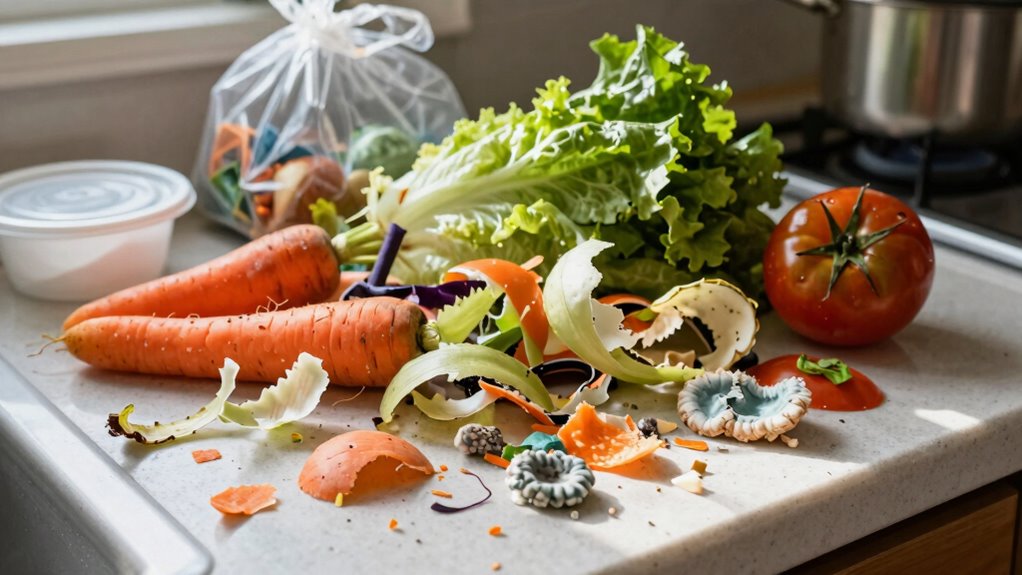

Food waste poses a bigger vegan issue than many realize because it directly conflicts with the core principles of minimizing harm and respecting resources. As a vegan, you aim to reduce unnecessary suffering and environmental impact, but wasting food undermines these goals. Even plant-based foods contribute to waste, which wastes water, land, and energy. If you want a truly ethical lifestyle, understanding how reducing waste supports your values is essential. Keep exploring to uncover more insights on this important connection.

Get health and wellness essentials delivered free — and shop member deals
- Fast, free delivery on millions of items
- Access to Prime Big Deal Days deals on October 6–7
- Prime Video, Amazon Music and more included
Key Takeaways
- Vegan ethics emphasize minimizing harm, including reducing food waste, which is often overlooked despite its environmental impact.
- Plant-based diets still contribute to food waste, challenging the notion that veganism alone ensures ethical resource use.
- Wasting food contradicts vegan principles of respecting resources and promoting sustainability.
- Addressing food waste enhances the ethical commitment to environmental stewardship inherent in veganism.
- Recognizing and reducing food waste extends vegan ethics beyond diet to encompass responsible consumption and waste management.

Food waste is a pressing issue that often intersects with vegan concerns, highlighting how our food systems can be both inefficient and ethically problematic. When you consider the broader picture, wasting food isn’t just about throwing away leftovers. It reflects deeper issues around how we produce, distribute, and consume food—especially plant-based foods that vegans typically prioritize. While many focus on reducing meat consumption for ethical reasons, food waste reveals a complex layer: even plant-based diets can contribute to unnecessary waste, which undermines the ethical consumption principles many vegans uphold. If you’re committed to a vegan lifestyle, you need to recognize that minimizing food waste is an essential part of practicing ethical consumption. Composting practices play a vital role here, turning what would otherwise be discarded into valuable soil amendments, closing the loop in your food system. By composting scraps, you diminish the environmental footprint of your food choices, ensuring that resources aren’t wasted and that the soil benefits from organic matter. This act aligns with your ethical stance, emphasizing respect for the environment and the life cycles of plants.
However, many people overlook the importance of composting or assume it’s too complicated. In reality, integrating composting practices into your routine is straightforward and impactful. It reduces the amount of food waste sent to landfills, where it produces methane—a potent greenhouse gas. When you compost, you’re actively participating in a sustainable cycle, making your vegan choices more environmentally responsible. It’s also a form of ethical consumption because it minimizes harm. Wasting food means wasting the resources—water, land, energy—that went into producing it. Your effort to compost and prevent unnecessary waste reflects your commitment to respecting those resources and living in harmony with nature. Additionally, raising awareness about food waste reduction can inspire others in your community to adopt similar practices, amplifying the positive impact. Understanding the full lifecycle of food can further deepen your appreciation for the importance of waste reduction efforts. Moreover, addressing issues like food storage can help prevent spoilage and reduce waste at the source, making your efforts even more effective.
Furthermore, addressing food waste pushes you to be more mindful about purchasing and preparing food. It encourages planning meals accurately, buying only what you need, and using leftovers creatively. These habits reinforce your ethical stance by reducing excess and ensuring that your food choices contribute positively to the planet. Incorporating sustainable food practices can further deepen your impact and align your actions with your values. Ultimately, the fight against food waste is a vital extension of vegan ethics. It reminds you that your actions, from composting practices to mindful consumption, have tangible impacts. By tackling food waste head-on, you uphold the core principles of minimizing harm and promoting sustainability—values at the heart of veganism. In doing so, you demonstrate that veganism isn’t just about diet but a holistic commitment to ethical living and environmental stewardship.
compost bin for kitchen countertop
As an affiliate, we earn on qualifying purchases.
As an affiliate, we earn on qualifying purchases.
Frequently Asked Questions
How Does Veganism Impact Global Food Distribution Systems?
Veganism impacts global food distribution by reducing demand for land and resources used in animal agriculture. This shift streamlines the supply chain, making food systems more efficient and less wasteful. You help free up land, which can be repurposed for growing plant-based foods, improving land use. As a result, veganism promotes a more sustainable and equitable distribution system, helping to address food scarcity and reduce environmental stress.
Are Plant-Based Foods More Sustainable in Waste Management?
Think of plant-based foods as the seed of sustainability. They’re generally more sustainable in waste management because plant waste, like stems and peels, can be easily composted, enriching the soil instead of clogging landfills. Your composting practices turn leftovers into essential nutrients, reducing overall waste. This cycle supports eco-friendly practices and minimizes environmental impact, making plant-based foods a smarter choice for sustainable waste management.
What Role Do Consumer Habits Play in Vegan Food Waste?
Your consumer habits considerably influence vegan food waste, especially through food overconsumption. When you buy more than you need or don’t plan meals properly, waste increases. By being mindful of portion sizes and shopping intentionally, you can reduce waste. Small changes in your habits, like composting leftovers or choosing smaller portions, help minimize food waste and support sustainability within the vegan movement, making your choices more eco-friendly.
Can Vegan Agriculture Reduce Overall Food Waste?
Vegan agriculture can reduce overall food waste by improving crop efficiency and streamlining supply chains. When farmers optimize crop yields, fewer resources are wasted, and surplus produce is minimized. A well-managed supply chain guarantees that food reaches consumers faster, reducing spoilage. Embracing sustainable practices in vegan farming not only cuts waste but also promotes a more efficient, eco-friendly food system that benefits everyone.
How Do Vegan Food Packaging Practices Affect Waste Levels?
You’re hitting the nail on the head—vegan food packaging practices can profoundly influence waste levels. Packaging innovation aims to create eco-friendly, biodegradable options that cut down on plastic waste and spoilage, helping with waste reduction. When you choose products with sustainable packaging, you’re supporting efforts to lessen environmental impact. Ultimately, thoughtful packaging practices make a real difference, turning the tide against unnecessary waste in the vegan food industry.
As an affiliate, we earn on qualifying purchases.
Conclusion
You might not realize it, but reducing food waste is a crucial part of embracing a vegan lifestyle. Imagine someone throwing away perfectly good vegetables simply because they’re past their prime—think of the waste and environmental impact. By being mindful, you can help cut down on waste, support sustainable practices, and make your vegan choices even more impactful. Every small step counts, so start rethinking how you use and value your food today.
As an affiliate, we earn on qualifying purchases.
As an affiliate, we earn on qualifying purchases.
Halloween Picks
halloween
As an affiliate, we earn on qualifying purchases.