

TL;DR

Get health and wellness essentials delivered free with Prime
- Fast, free delivery on millions of items
- Prime Video, Amazon Music and more included
- Member-only deals all year
A reader told advice columnist R. Eric Thomas that a six-woman dinner group has become less relaxing after four members began using GLP-1 medications and finish meals quickly. Thomas suggested hosting at home, adding a second stop or discussing the group’s shared goal of spending time together. The account is one reader’s experience, not evidence that GLP-1 use generally changes social gatherings.
A reader’s regular six-woman dinner group has become less enjoyable for her and another member after four women began using GLP-1 medications and finished their restaurant meals sooner, according to an advice column published by Seniors Guide on Nov. 9, 2026. Columnist R. Eric Thomas recommended changing the format or talking as a group about how to preserve time for conversation.
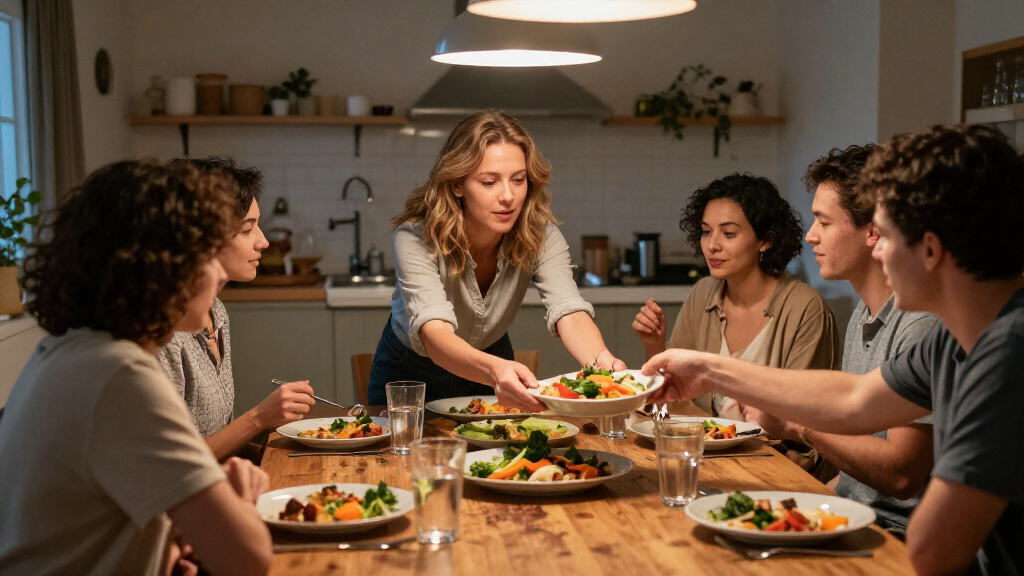
The reader, writing under the name “Dining Out,” said the group had met every three months for four years, usually spending 1½ to two hours at a restaurant. Of the six women, four now use GLP-1 medications: two for diabetes and two for weight loss. The reader and one other member do not use them.
According to the letter, the four medication users finish eating quickly, making the other two feel rushed. The reader said they sometimes feel pressure to finish when waitstaff see the others are done, and that they have even stopped eating salads. The letter describes these women’s experience; it does not establish that GLP-1 medications cause the same dining pattern for everyone who takes them.
Thomas proposed hosting dinner at a member’s home, with attendees contributing to food or catering costs, or arranging a potluck that could accommodate different diets. If restaurant dinners continue, he suggested adding a tea house or dessert shop, or meeting for coffee or drinks before the meal. He also advised discussing the issue with the whole group rather than leaving the two dissatisfied members to solve it alone.
Keeping Conversation at the Center
The dispute described in the column is about more than how much food people eat: the group’s shared social routine has changed, and some members feel unable to linger. That matters to readers facing differences in appetite, health needs or eating pace among friends and family. A meal can serve as the setting for a gathering without being its only activity.
Thomas’s suggestions shift attention from asking members to eat at the same speed to making more room for conversation. Hosting at home or adding a second destination could reduce the sense that everyone must leave when the first diners finish. These are practical options offered in response to one letter, not tested solutions or medical guidance.
Products Worth Considering

Blueair Blue Pure 311i Max Air Purifier

Garmin Forerunner 165 GPS Running Smartwatch, 43 mm, Whitestone

Oral-B iO Series 3 Rechargeable Electric Toothbrush for Adults, Black, 3 Modes, 2 Brush Heads and Travel Case
As an affiliate, we earn on qualifying purchases.
A Four-Year Dinner Tradition
The reader described a group that rotates responsibility for choosing a restaurant and meets once every three months. The routine had worked for four years, with dinners lasting long enough for the women to catch up on their lives. The letter says the change came after four of the six women began using GLP-1 medications, but it does not give a timeline for when each person started or explain any individual’s eating habits beyond the reported difference in pace.
The two members who felt rushed had already suggested other activities, including craft classes and walks, but the ideas had not worked out. Thomas’s response therefore focused on adapting the dinner gathering itself and on deciding collectively whether the group’s main aim is a meal, a long conversation, or both.
““What used to be an enjoyable time for all of us has turned into not fun for the other woman and me.””
— The reader, writing as “Dining Out”
What One Letter Cannot Establish
The column reports one reader’s account and does not provide independent reporting, medical records or statements from the other five women. It is unclear whether the medication users themselves feel rushed, whether the restaurant or service style contributes to the pressure, or whether the group has discussed the issue together. The source also does not identify the medications, doses or individual reasons for use beyond the reader’s account that two members have diabetes and two use them for weight loss.
The account should not be taken as evidence that GLP-1 medications universally shorten meals or alter friendships. The column offers social advice, not medical findings, and gives no information about medication effects for the individuals involved.
A Group Conversation Comes Next
Thomas’s immediate recommendation is for the members to talk together about what they want from their quarterly meetings. They could then try a home-hosted meal, a potluck, a pre-dinner coffee or drinks, or a second stop where people can keep talking after the meal ends.
The source does not say whether the group adopted any of these options or how the members responded. Whether the gatherings become enjoyable again will depend on what the group agrees to try and whether the new format suits all six women.
Key Questions
What changed in the dinner group?
The reader said four of the six women now use GLP-1 medications and finish eating sooner, leaving her and another member feeling rushed during restaurant dinners.
How often did the group meet?
According to the letter, the six women met every three months and had done so for four years.
What did R. Eric Thomas suggest?
He suggested hosting at home, sharing food costs, having a potluck, adding a tea or dessert stop, or meeting for coffee or drinks before dinner. He also advised discussing the issue as a group.
Does the column show that GLP-1 medications make people eat faster?
No. It describes one reader’s experience with her friends and does not establish a general effect of GLP-1 medications on meal pace or social gatherings.
Source: seniorsguide.com