

TL;DR
A Sixty and Me contributor says she stopped drinking at 63 after decades of consuming what she describes as too much wine. In a first-person account, she shares seven lessons about alcohol, ageing and retirement; the supplied source gives details for only five of the seven lessons.
Sixty and Me published a first-person account by a woman who says she stopped drinking at 63 after decades of consuming what she describes as too much wine. Now 75, she writes that quitting changed how she viewed alcohol and retirement, and shares lessons for readers questioning their own drinking; the supplied article excerpt includes only five of the seven lessons in its headline.

Get health and wellness essentials delivered free with Prime
- Fast, free delivery on millions of items
- Prime Video, Amazon Music and more included
- Member-only deals all year
The writer says she once pictured retirement as time in a garden with a book and a glass of chilled white wine. Near the end of her corporate career, she regarded wine as a small pleasure she had earned after years of work and family responsibilities. She later questioned whether that image matched the retirement she wanted. Her account is a personal reflection, not a report of a clinical assessment or a study of retirees’ drinking.
She says she stopped drinking at 63 after years of what she calls drinking too much. At 75, she reports having founded an international sobriety community, started a podcast and written her first book. Those are details about her own experience; the source does not provide independent documentation or evidence that quitting produces the same results for others.
In the excerpt, the writer’s first five lessons are that people need not reach a crisis to question their drinking; alcohol can affect how some people experience ageing; wine may not provide lasting relief from stress; changing habits can take planning beyond willpower; and supportive friends matter. The supplied text begins the fifth lesson but cuts off before explaining it, and does not include lessons six and seven.
Rethinking Wine in Retirement
The account challenges a familiar idea in the writer’s own retirement plans: that an evening glass of wine is a harmless reward and a reliable way to relax. Its relevance is not that one person’s story proves wine harms every retiree, but that it encourages readers to notice their own patterns, including whether they drink more than intended or repeatedly try to cut back.
The writer also links drinking with sleep, mood and stress. These are personal observations and general claims in the article, not a medical evaluation of readers. People’s health, alcohol use and responses to stopping differ. The source’s practical warning is that anyone who may be physically dependent on alcohol should seek medical advice before stopping suddenly, because withdrawal can be dangerous.
For readers approaching retirement, the article raises a practical question about the routines attached to leisure and stress relief. It presents a change in drinking as something that may require preparation and support, rather than simply a test of character. It does not establish that abstinence is necessary for all retirees or offer a one-size-fits-all plan.
Products Worth Considering

Therabody Theragun Relief Massage Gun, 3-Speed, Navy

Fitbit Charge 5 Health and Fitness Tracker with Built-In GPS, Stress Management, Sleep Tracking, and 24/7 Heart Rate Monitoring
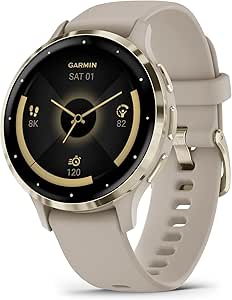
Garmin Venu 3S GPS Fitness Smartwatch, 41 mm, French Gray
As an affiliate, we earn on qualifying purchases.
From Career Plans to Sobriety
The writer describes having a successful career, a home, a marriage and an active social life while privately worrying about how much she drank. She says those outward signs led her to believe she could not have a drinking problem. Her reflection argues that a person does not need to experience a major crisis before reconsidering alcohol. That is the writer’s perspective, rather than a diagnostic standard.
She recalls attributing tiredness on her 60th birthday to ageing, then later concluding that alcohol had contributed to her poor sleep and low energy. She also describes using wine as a response to different emotions, from celebration to stress, and says the habit had become part of her daily routines. The excerpt does not give dates for when she first began to reconsider drinking, how much she consumed, or details of any medical support.
In discussing change, she says earlier attempts to moderate involved counting units, setting rules and limiting drinking to weekends, but that the pattern returned. She recommends preparing strategies for cravings, social situations and difficult moments, and writing down personal reasons for making a change. She calls this a “WHY list” and describes it as an anchor when motivation weakens.
“You don’t have to lose everything before deciding that alcohol is taking more from your life than it’s giving.”
— The contributor, on deciding to change
Limits of the Published Account
The source is a first-person essay, and the supplied material does not include medical records, research citations or comments from independent health professionals. Its observations about sleep, anxiety, ageing and energy should therefore be understood as the writer’s account, not proof of what will happen to other people.
The headline promises seven lessons, but the provided excerpt contains only the first four in full and the opening of the fifth. It does not identify lessons six and seven or explain the remainder of the fifth. The source also gives no publication date, no description of the writer’s drinking quantity, and no details about whether she consulted a clinician when she quit.
It is not clear from the supplied text how the sobriety community or podcast are named, how they operate, or what evidence supports the article’s broader claims about alcohol and older adults. Readers with concerns about their drinking, particularly those who may be physically dependent, should discuss changes with a qualified health professional.
More Detail Needed on Seven Lessons
The next step for readers seeking the full list is to consult the complete Sixty and Me article, since the supplied excerpt stops during the fifth lesson. That would clarify the two lessons absent here and the writer’s full discussion of finding supportive friends.
The source does not announce a follow-up report, new research or a scheduled event. For now, the development is the publication of a personal account rather than a change in health guidance. Any broader conclusions about alcohol use in retirement would require evidence beyond this individual’s experience.
Key Questions
What is the news development?
Sixty and Me published a first-person account by a woman who says she quit drinking at 63 and reflects on the role wine played in her plans for retirement.
What are the lessons included in the supplied excerpt?
The excerpt says readers need not hit a crisis to question their drinking, describes possible effects of alcohol on ageing and stress, argues that changing habits can take planning, and begins a lesson about supportive friends. It does not provide all seven lessons.
Does the account show that alcohol affects every retiree in the same way?
No. It reports one person’s experience and does not establish that other people will have the same effects or outcomes. The source does not present a study or clinical evidence.
Is it safe to stop drinking suddenly?
The article warns that stopping suddenly can be dangerous for people who are physically dependent on alcohol. Anyone concerned about dependence should seek medical advice before making changes.
Source: rss