
TL;DR

Get health and wellness essentials delivered free with Prime
- Fast, free delivery on millions of items
- Prime Video, Amazon Music and more included
- Member-only deals all year
The FDA is requiring manufacturers of all glucagon-like peptide-1 receptor agonist (GLP-1 RA) medicines to add a warning about a potential increased risk of non-arteritic anterior ischemic optic neuropathy (NAION). The agency says patients who develop sudden, painless vision changes in one eye should contact a health professional promptly; the alert does not establish that the medicines caused an individual case.
The U.S. Food and Drug Administration is requiring manufacturers of glucagon-like peptide-1 receptor agonist (GLP-1 RA) medicines to add information about a potential increased risk of non-arteritic anterior ischemic optic neuropathy (NAION) to the drugs’ Warnings and Precautions labeling. NAION is a rare condition that can cause sudden, painless vision loss in one eye and may result in permanent impairment, the agency said.
The requirement applies to application holders for all GLP-1 RA medications, according to the FDA safety communication. The agency is directing them to update the Warnings and Precautions section with information about the potential association. The supplied communication does not name individual products or give a deadline for when revised labeling must appear.
The FDA advises patients and caregivers to watch for sudden, painless vision loss in one eye, blurred or missing areas of vision, changes in color perception, or reduced central sharpness, such as blurry or hazy spots. Symptoms may be noticed on waking. Patients experiencing these changes should contact a health professional right away, the agency says.
For clinicians, the FDA recommends that patients be told to report sudden vision changes or other visual disturbances in one eye immediately. If NAION is suspected, clinicians should promptly refer the patient to an ophthalmologist. The agency says clinicians should consider stopping a GLP-1 RA in patients who develop NAION unless the treatment’s benefits clearly outweigh the risk. Patients who have had an NAION event should discuss whether to continue or stop the medication with their health professional.
What the Warning Means for Patients
The label change adds information about a rare but potentially serious eye condition to the safety information patients and clinicians consult when considering GLP-1 RA treatment. The FDA advises patients to report specified symptoms promptly and recommends clinical evaluation when NAION is suspected.
The action does not advise all patients to stop their medication. It calls for awareness and individualized clinical decisions, particularly if NAION is suspected or diagnosed. GLP-1 RAs are used to treat type 2 diabetes and to reduce excess body weight and maintain weight reduction; treatment decisions should consider the potential eye risk and the reasons a medicine was prescribed.
The FDA describes the reported risk as potential and rare. The source material does not provide an absolute risk estimate or say how the risk compares across specific medicines or patient groups. The label update alone does not establish that an individual patient will develop NAION.
Products Worth Considering

Withings BPM Connect Wi-Fi and Bluetooth Blood Pressure Monitor
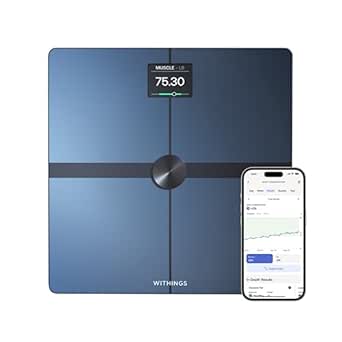
Withings Body Smart Wi-Fi and Bluetooth Body Composition Scale

Therabody Theragun Relief Massage Gun, 3-Speed, Black
As an affiliate, we earn on qualifying purchases.
How GLP-1 Medicines Fit In
GLP-1 RAs mimic the effects of glucagon-like peptide-1, a hormone released by the intestine. According to the FDA, GLP-1 helps lower blood sugar after eating and acts in parts of the brain involved in appetite and food intake. The medicines are used for type 2 diabetes and weight management.
The FDA describes NAION as a reduction in blood flow to the front part of the optic nerve, called the optic disc. The underlying cause is not completely understood. The agency lists smoking, diabetes, high blood pressure, sleep apnea, anemia and kidney disease as possible risk factors. It also says a person who has had NAION in one eye faces an increased risk of the condition occurring in the other eye.
The FDA’s notice is a labeling and safety communication, not a statement that every GLP-1 RA user faces the same risk. It identifies a potential association and sets out reporting and referral steps for patients and clinicians.
What the FDA Notice Does Not Quantify
The supplied FDA communication does not state how many cases have been reported, provide an absolute or comparative risk estimate, or identify whether the potential risk differs among GLP-1 RA products. It also does not explain the evidence or analysis behind the labeling requirement in the material provided here. The phrase “potential increased risk” should not be read as proof that a particular patient’s NAION was caused by a medication.
The notice does not specify when each manufacturer’s revised labeling will be available. It also does not give a general instruction for every patient to stop treatment. Patients who have symptoms or a history of NAION should seek advice from their health professional about their own medication and care.
Label Updates and Clinical Follow-Up
GLP-1 RA application holders are expected to revise their product labeling to include the FDA-required information in the Warnings and Precautions section. The source material does not set out a timetable, so the rollout date for individual product labels remains unclear.
In the meantime, the FDA’s advice is for patients to report sudden, painless vision loss or other listed vision changes promptly. Clinicians should arrange ophthalmology evaluation when NAION is suspected and discuss whether treatment should continue if the condition occurs. Patients should make medication decisions with a qualified health professional rather than stopping a prescribed GLP-1 RA solely on the basis of the alert.
Key Questions
What is the FDA requiring for GLP-1 RA medicines?
The FDA is requiring application holders for all GLP-1 RA medications to add information about the potential increased risk of NAION to the Warnings and Precautions section of labeling.
What symptoms should patients report?
The FDA says patients should contact a health professional right away for sudden, painless vision loss in one eye, blurred or missing areas of vision, color distortion, or reduced central sharpness, including blurry or hazy spots.
Does the alert mean patients should stop taking their medication?
No. The alert does not advise every patient to stop treatment. People who have had NAION should discuss whether to continue or stop their GLP-1 RA with a health professional. For patients who develop NAION, the FDA says clinicians should consider discontinuation unless treatment benefits clearly outweigh the risk.
How common is NAION among GLP-1 RA users?
The supplied FDA communication describes NAION as rare but does not provide a rate, case count, or comparison of risk between medicines. The size of any increased risk is not specified in the source material.
What should clinicians do if they suspect NAION?
The FDA advises clinicians to arrange prompt referral to an ophthalmologist for evaluation when NAION is suspected and to tell patients to report sudden vision changes or other visual disturbances in one eye immediately.
Source: fda.gov