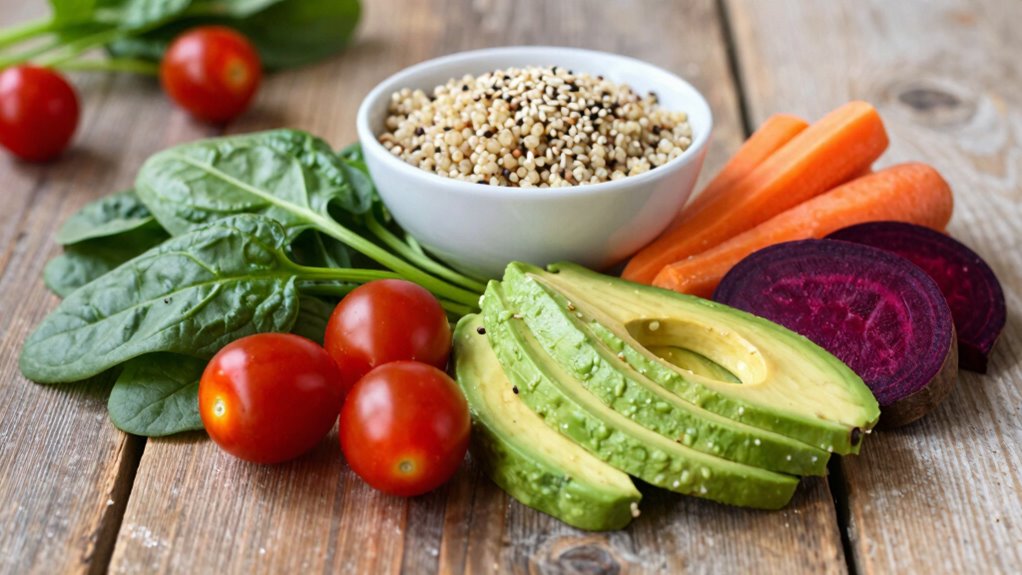
To start with plant-based meals, focus on core components like grains, vegetables, and healthy fats to build balanced dishes. Use herbs, spices, citrus, and fermented condiments to boost flavor naturally. Incorporate protein sources like beans, lentils, or tofu, and experiment with different textures and techniques for variety. Paying attention to quality and consistency guarantees satisfying results. Keep exploring these components, and you’ll discover how to create delicious, nourishing meals that suit your tastes and lifestyle.
Key Takeaways
- Focus on whole grains, vegetables, and healthy fats as foundational components for balanced plant-based meals.
- Use herbs, spices, and natural flavor enhancers to develop rich, satisfying flavors.
- Incorporate diverse plant proteins like beans, lentils, and tofu for nutritional variety.
- Master culinary techniques to improve textures and elevate the overall dish quality.
- Ensure ingredient quality and proper seasoning for consistent, flavorful results.
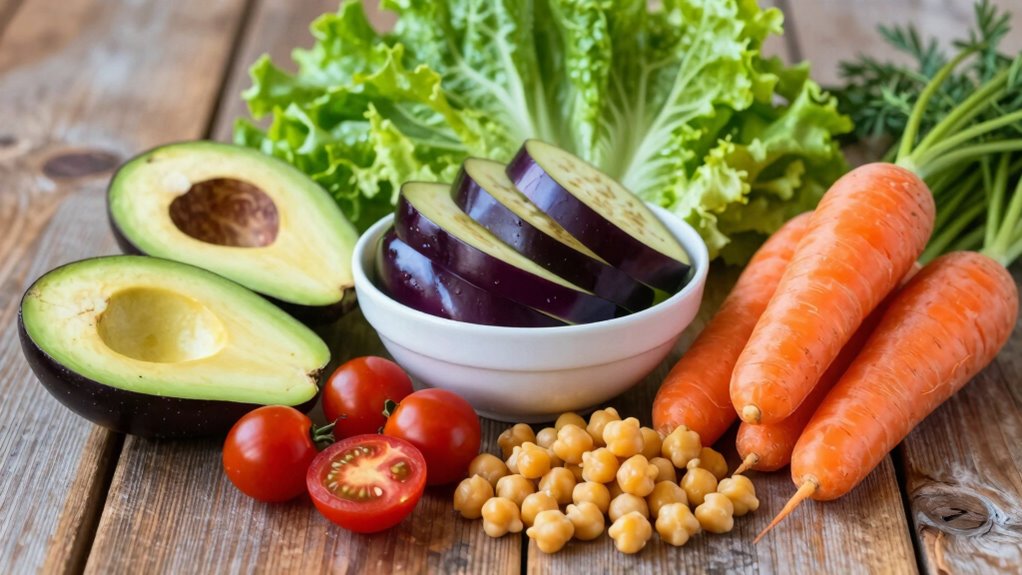
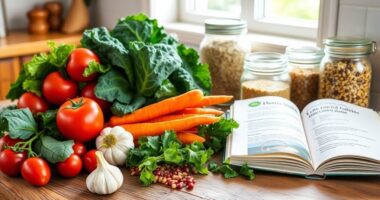
Flavor enhancers play a pivotal role in making plant-based dishes appealing and satisfying. Since plant proteins and ingredients can sometimes lack the savory depth of animal products, you’ll want to use herbs, spices, and seasonings to boost flavor. Fresh garlic, onion, ginger, and chili peppers are powerful flavor enhancers that can elevate simple ingredients into flavorful dishes. You might also experiment with nutritional yeast, which adds a cheesy, umami taste to sauces, soups, or sprinkled over salads. Using citrus juices, vinegar, soy sauce, and miso can add brightness and complexity, making your meals more enjoyable. Proper seasoning transforms a basic ingredient into a delicious experience, encouraging you to stick with your plant-based journey. Incorporating natural flavor sources can also support sustainable practices and enhance the overall sensory appeal of your meals. Understanding the role of flavor profile development in recipe development can help you create well-balanced dishes that appeal to a variety of tastes. Additionally, exploring different culinary techniques can further elevate your plant-based cooking and bring new textures and flavors to your dishes. Grains, such as quinoa, brown rice, oats, and whole wheat pasta, serve as the foundation of many meals, providing carbohydrates and fiber. They complement protein sources and help create filling, well-rounded dishes. Vegetables are also fundamental, offering vitamins, minerals, and fiber, which are essential for health and digestion. Leafy greens like spinach, kale, and arugula add freshness and nutrients, balancing the meal’s flavor profile. Incorporating healthy fats from avocados and olive oil not only enhances taste but also supports heart health. Incorporating plant-based ingredients is increasingly popular as more people seek sustainable and environmentally friendly diets. Additionally, understanding the role of requirements traceability in recipe development can help ensure consistency and quality in your plant-based cooking. In your journey to a plant-based diet, focus on experimenting with different combinations of these components. By understanding the role of protein sources and flavor enhancers, you can craft meals that are both nourishing and flavorful. With a little creativity, you’ll find that plant-based eating is not only sustainable but also delicious and diverse.

Healthworks Superfoods Organic Quinoa White Whole Grain Raw – 80 Oz / 5 Lbs – Protein, Fiber & Iron – Peruvian Origin – Rice & Pasta Substitute
RAW ORGANIC QUINOA: Healthworks Quinoa is certified organic and all-natural! Quinoa is a fiber-rich grain crop that is…
As an affiliate, we earn on qualifying purchases.
As an affiliate, we earn on qualifying purchases.
Frequently Asked Questions
Can Plant-Based Meals Meet All Essential Amino Acids?
Yes, plant-based meals can meet all essential amino acids. You just need to focus on amino acid balance by combining diverse protein sources like beans, lentils, grains, nuts, and seeds. These complementary foods provide a complete amino acid profile, ensuring your body gets the nutrients it needs. By mixing different plant sources throughout the day, you can easily achieve a well-rounded, protein-rich, plant-based diet.
What’s the Best Way to Store Plant-Based Ingredients?
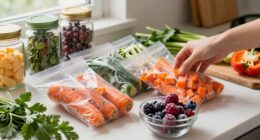
To keep your plant-based ingredients fresh, use airtight storage containers to prevent spoilage and maintain nutrients. Follow meal prep tips by labeling containers with dates and organizing them in your fridge or freezer for easy access. Store leafy greens in breathable bags, and keep grains or beans in cool, dark places or sealed containers. Proper storage guarantees your ingredients stay fresh longer, making your meal prep more efficient and enjoyable.
Are Plant-Based Meals Suitable for Children and Seniors?
Imagine a child thriving on a colorful lentil and vegetable stir-fry; plant-based meals are indeed suitable for children and seniors. With proper planning, these meals provide essential nutrients like plant-based protein and fiber that support growth and health. For seniors, they aid digestion and reduce health risks. By tailoring textures and ingredients, you guarantee every age group enjoys nutritious, delicious plant-based options that promote overall well-being.
How Do I Flavor Plant-Based Dishes Without Animal Products?
You can flavor plant-based dishes with vegan spices and natural flavor enhancers. Use herbs like basil, oregano, and thyme to add depth, and spices like cumin, paprika, and turmeric for warmth and complexity. Incorporate ingredients like nutritional yeast, soy sauce, or miso to boost umami flavor without animal products. These options help you create rich, satisfying dishes that appeal to your taste buds while remaining entirely plant-based.
What Are Common Pitfalls for Beginners in Plant-Based Eating?
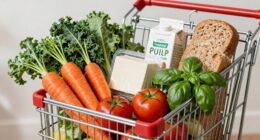
As a beginner, you might struggle with meal prepping and grocery shopping efficiently, leading to missed ingredients or repetitive meals. Don’t forget to plan balanced dishes with varied veggies, grains, and proteins. Avoid relying solely on processed plant-based foods; instead, focus on whole foods for better health. Also, don’t be discouraged by mistakes—learning from them helps you develop confidence and enjoy your plant-based journey more.

Great Vegan Protein Book: Fill Up the Healthy Way with More than 100 Delicious Protein-Based Vegan Recipes – Includes – Beans & Lentils – Plants – Tofu & Tempeh – Nuts – Quinoa (Great Vegan Book)
As an affiliate, we earn on qualifying purchases.
As an affiliate, we earn on qualifying purchases.
Conclusion
Don’t worry if switching to plant-based meals feels overwhelming at first. Remember, it’s about progress, not perfection. Incorporate simple components like grains, legumes, and vegetables gradually, and you’ll see how flavorful and satisfying plant-based eating can be. Over time, these components become second nature, making your meals more nutritious and varied. So, stay patient and open-minded—your taste buds will thank you, and you’ll be supporting your health and the planet with every bite.
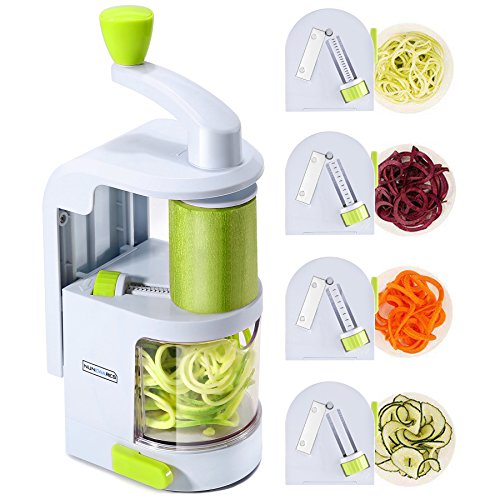
Spiralizer Vegetable Slicer (4-in-1 Rotating Blades) Heavy Duty Veggie Spiralizer with Strong Suction Cup, Zucchini Spiral Noodle/Zoodle/Spaghetti/Pasta Maker (Recipe Book and Cleaning Brush)
▶EASY TO USE Vertical Spiralizer: The Gravity does half the work so no awkward sideways pressure is needed…
As an affiliate, we earn on qualifying purchases.
As an affiliate, we earn on qualifying purchases.

Pawco Dog Food Toppers for Picky Eaters, Original – Supports Digestive & Immune Health – Functional Dog Food Flavor Enhancer with Nutritional Yeast, Pumpkin & Carrots – Magic Topper – 5.6oz
Supports Heart Function: Includes taurine and antioxidants to promote long-term heart health.
As an affiliate, we earn on qualifying purchases.
As an affiliate, we earn on qualifying purchases.