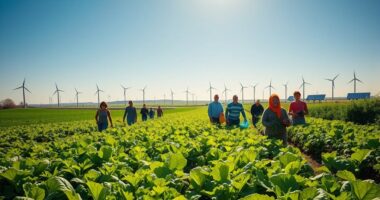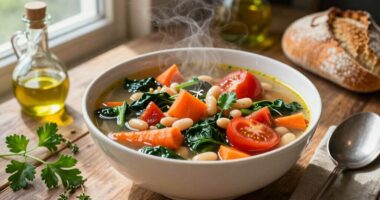
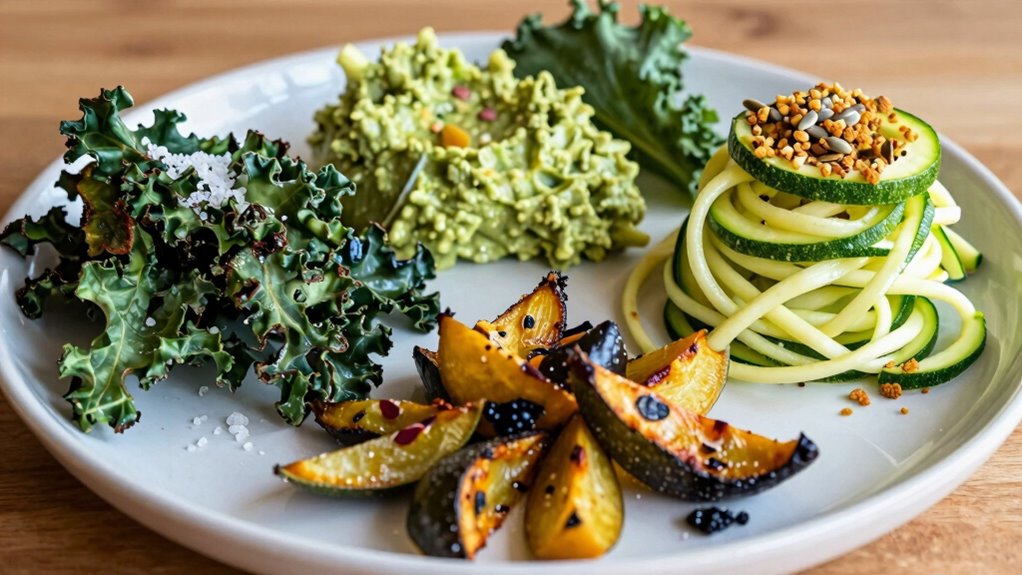

Upcycled ingredients are set to reshape the future of vegan food by turning food waste into nutritious, sustainable components. You’ll see more innovative products that use surplus produce, imperfect fruits, or by-products, helping reduce food waste and conserve resources. These ingredients support environmentally friendly practices without sacrificing taste or quality. By choosing foods with upcycled ingredients, you contribute to a more sustainable food system. Explore further to discover how this trend can impact your plant-based choices and the planet.

Get health and wellness essentials delivered free with Prime
- Fast, free delivery on millions of items
- Prime Video, Amazon Music and more included
- Member-only deals all year
Key Takeaways
- Upcycled ingredients enable sustainable, innovative vegan products by transforming food waste into nutritious, appealing components.
- They help reduce food waste, conserve resources, and lower greenhouse gas emissions in vegan food production.
- Adoption of upcycled ingredients drives industry innovation and enhances product quality without compromising taste or appearance.
- Consumer awareness and demand for sustainable options promote transparency and more conscious purchasing habits.
- Growing use of upcycled ingredients will shape a more environmentally responsible and resource-efficient future for vegan cuisine.
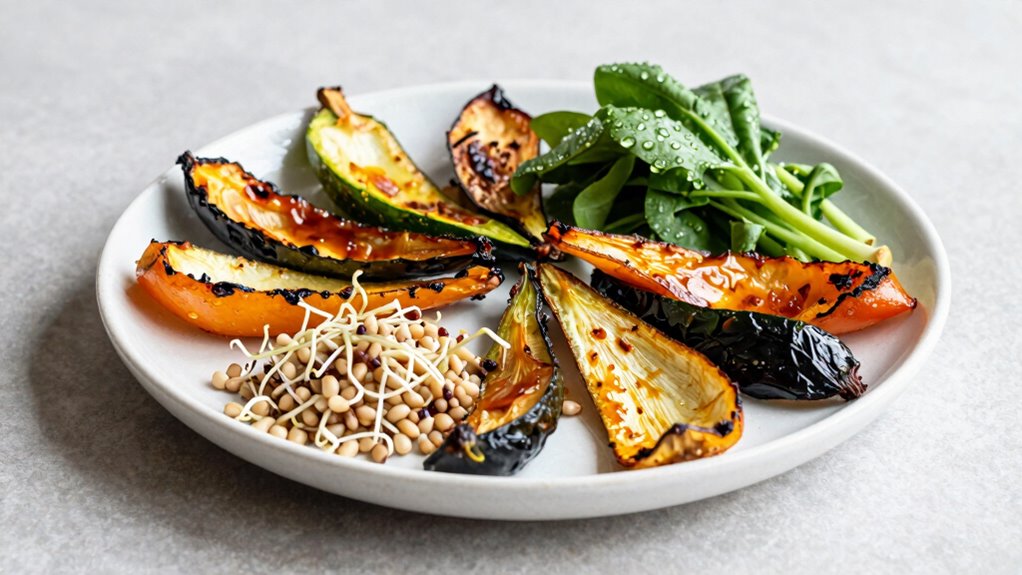
As more people seek sustainable eating options, upcycled ingredients have become a game-changer in the vegan food movement. These ingredients are created from food that would otherwise be discarded, turning waste into valuable resources. By doing so, they support sustainable sourcing and help reduce food waste, two critical goals for a more environmentally friendly future. When you choose products made with upcycled ingredients, you’re actively participating in minimizing the enormous amount of food that goes to waste each year. This approach not only conserves resources like water, energy, and land but also decreases greenhouse gas emissions associated with food production and disposal.
The idea behind upcycled ingredients is simple but powerful. Instead of letting surplus produce, imperfect fruits, or by-products from processing go to waste, manufacturers transform them into nutritious, appealing components of vegan foods. This process promotes sustainable sourcing since it makes use of ingredients that might have been discarded, reducing the demand for new raw materials. You get to enjoy flavorful, plant-based foods that are not only good for your health but also better for the planet. As more companies adopt upcycling practices, you’ll see an increase in innovative vegan products that prioritize environmental responsibility without sacrificing taste or quality. Additionally, the use of calibration ensures that color reproduction remains accurate, which helps maintain the visual appeal of these products.
Food waste reduction is at the heart of upcycled ingredients’ potential to reshape the future of vegan food. Every scrap saved from the compost bin or landfill means fewer resources spent on growing, harvesting, and processing food that ultimately gets thrown away. When you choose vegan options crafted with upcycled components, you’re supporting a cycle that extends the life of food and cuts down on waste. This reduces pressure on landfills and helps combat the methane emissions that result from decomposing organic matter. Plus, it encourages a more conscious consumer mindset, where valuing every part of the food becomes the norm. Incorporating food waste reduction strategies can further amplify these positive impacts across the entire food system.
Furthermore, embracing natural resource conservation practices in food production enhances the sustainability of upcycled ingredients and encourages broader industry adoption. Looking ahead, the role of upcycled ingredients in vegan cuisine is poised to grow considerably. As awareness around sustainability deepens, you’ll likely see more brands prioritizing transparency about their sourcing and waste reduction efforts. By embracing these ingredients, you’re not just making healthier choices for yourself but also championing a more sustainable food system. This shift can inspire broader change—encouraging farms, processors, and consumers alike to rethink how we approach food production and consumption. Ultimately, upcycled ingredients represent a practical, impactful way to nourish yourself while safeguarding the environment for future generations.
vegan upcycled ingredient products
As an affiliate, we earn on qualifying purchases.
As an affiliate, we earn on qualifying purchases.
Frequently Asked Questions
How Do Upcycled Ingredients Impact the Nutritional Value of Vegan Foods?
Upcycled ingredients can enhance the nutritional diversity of vegan foods by adding unique vitamins, minerals, and bioactive compounds. They often maintain good ingredient stability, ensuring nutritional quality isn’t compromised during processing. By incorporating these ingredients, you get more nutrient-rich options that support a balanced diet. Plus, they help reduce waste, making your vegan choices more sustainable without sacrificing nutritional value or food integrity.
Are Upcycled Ingredients Cost-Effective for Large-Scale Vegan Food Production?
Upcycled ingredients are incredibly cost-effective for large-scale vegan food production, saving you massive amounts of money! They optimize your supply chain by transforming what would be waste into valuable ingredients, slashing costs dramatically. This approach allows you to produce vegan foods more affordably while reducing waste and environmental impact. Embracing upcycled ingredients can revolutionize your production process, making plant-based foods more accessible and sustainable on a huge scale.
What Are the Environmental Benefits of Using Upcycled Ingredients?
Using upcycled ingredients boosts sustainability innovations by reducing food waste and lowering environmental impact. You help minimize resource use, like water and energy, during ingredient sourcing, making your vegan foods more eco-friendly. This approach promotes a circular economy, where byproducts are repurposed rather than discarded. As a result, you contribute to a more sustainable food system, cutting emissions and conserving natural resources while supporting innovative, eco-conscious practices.
How Do Consumers Perceive Upcycled Ingredients in Vegan Products?
You can’t judge a book by its cover, and that’s true for upcycled ingredients in vegan products. Consumer acceptance varies, but transparent marketing strategies highlighting sustainability and health benefits boost trust. When brands share stories about reducing waste and supporting eco-friendly practices, you’re more likely to view upcycled ingredients positively. Emphasizing quality and environmental impact helps shift perceptions, making you more open to trying innovative vegan options with upcycled components.
What Regulatory Challenges Exist for Upcycled Ingredients in Vegan Foods?
You’ll face regulatory challenges like obtaining approval for upcycled ingredients, which often lack clear classification within existing food laws. Labeling standards can also be tricky, as you need to accurately communicate the sustainability and origin of these ingredients without misleading consumers. Managing different regional regulations requires careful attention, ensuring your vegan products meet all legal requirements while highlighting their eco-friendly benefits.
sustainable vegan snacks with upcycled ingredients
As an affiliate, we earn on qualifying purchases.
As an affiliate, we earn on qualifying purchases.
Conclusion
As you embrace upcycled ingredients, you’re not just fueling your plate—you’re shaping a sustainable future. Like a pebble creating ripples across a pond, your choices can transform the food industry, reducing waste and inspiring innovation. This isn’t just about vegan food; it’s about nurturing the planet with every bite. By choosing upcycled, you become part of a movement where sustainability and compassion collide, proving that even the smallest acts can change the course of tomorrow.
vegan plant-based foods made from food waste
As an affiliate, we earn on qualifying purchases.
As an affiliate, we earn on qualifying purchases.
upcycled ingredient vegan protein
As an affiliate, we earn on qualifying purchases.
As an affiliate, we earn on qualifying purchases.
Halloween Picks
halloween
As an affiliate, we earn on qualifying purchases.