TL;DR
Vegan protein powder is a convenient way to add protein, but it does not cause weight loss by itself; weight loss generally requires a sustained calorie deficit. Check protein, calories, added sugar, allergens, and serving size, and use a shake in place of a snack or as part of a meal rather than automatically adding it to what you already eat.
A scoop of vegan protein powder can look like a shortcut to weight loss, especially when its label promises “lean” or “fat-burning” results. But a powder is food, not a switch that turns fat loss on. What matters is how it fits into your whole day.

Get health and wellness essentials delivered free with Prime
- Fast, free delivery on millions of items
- Prime Video, Amazon Music and more included
- Member-only deals all year
This guide explains what vegan protein powder can—and cannot—do for weight loss. You’ll learn how to compare labels, choose a source that suits you, and use a shake without accidentally adding a meal’s worth of extra calories. You’ll also see when ordinary foods like tofu or lentils may already cover your needs.
Think of protein powder as a spare ingredient in your kitchen drawer: useful when dinner runs late, unnecessary when the pantry is already full. Your routine, appetite, health, and preferences all matter more than a flashy tub.
Vegan protein powder can help you get protein conveniently, but sustained calorie balance drives weight loss.
Compare protein, calories, added sugar, allergens, serving size, testing information, and cost per serving.
Use a shake to replace a snack or contribute to a meal; count milk, fruit, and other mix-ins too.
Soy, pea, rice, hemp, and blended powders vary by product, and no source guarantees fat loss.
If you have kidney disease or another relevant medical condition, get personalized guidance before substantially increasing protein.
Does Vegan Protein Powder Actually Help You Lose Weight?
Vegan protein powder can support a weight-loss plan by helping you get protein conveniently, but it does not cause fat loss on its own. Weight loss generally requires eating fewer calories than your body uses over time. A shake helps only if it fits that broader pattern.
Protein may help some people feel satisfied, especially when it replaces a less filling snack. For example, if you usually grab a low-protein pastry at 3 p.m., a shake might keep you satisfied until dinner. If you drink that shake after eating your usual snack, you’ve added calories instead of replacing them.
Protein also plays a role in maintaining lean mass. During weight loss, eating enough protein alongside resistance exercise may help preserve muscle, though individual needs vary. Think of protein as the bricks used to maintain a wall while you renovate the house; it supports the structure, while the overall calorie balance shapes the project.
Claims that a particular vegan protein powder for weight loss burns fat or detoxes your body go beyond the evidence in the facts available here. A powder can be a practical tool, not a guaranteed result. If you want weight-loss guidance tailored to your health, ask a qualified clinician or registered dietitian.
Products Worth Considering

Garmin Fenix 8 47 mm AMOLED Sapphire Multisport GPS Smartwatch with Titanium Case and Silicone Band

Withings BPM Connect Wi-Fi and Bluetooth Blood Pressure Monitor

Withings Body Smart Wi-Fi and Bluetooth Body Composition Scale
As an affiliate, we earn on qualifying purchases.
Choose a Powder by Comparing Five Label Details
The best vegan protein powder for weight loss is the one whose serving, calories, ingredients, and price fit your routine. Compare labels using a realistic scoop size; a brand’s “serving” may not match the amount you actually pour. A kitchen scale can show whether your usual scoop is smaller or larger than the label portion.
Use this checklist when you’re standing in a bright aisle, comparing tubs with nearly identical claims:
- Protein and calories: Compare both per serving. A powder with more protein may also have more calories, depending on its formulation.
- Added sugar and extras: Look for sugars, oils, flavorings, and other ingredients you prefer to limit.
- Protein source and allergens: Check for soy, pea, rice, hemp, or a blend, and read the allergen information.
- Tolerance and testing: Consider how the ingredients sit with your stomach, and look for independent quality testing if that matters to you.
- Cost per serving: Compare the price of the amount you will actually use.
For example, one shopper may choose an unsweetened blend because flavored powders taste too sweet in a morning smoothie. Another may prefer a ready-to-drink shake for the train commute, even if the cost per serving is higher. Neither choice is automatically better for weight loss. The label helps you judge the tradeoffs; the “lean” wording on the front doesn’t.
Third-party testing can add information about product identity or contaminants, but it does not prove that a powder produces weight loss. Avoid assuming a whole category is unsafe—or that any particular brand is safe—without current, product-specific evidence.
Pick a Protein Source That Fits Your Meals and Stomach
Vegan powders commonly use soy, pea, rice, hemp, or blends, and their protein content and nutrition profiles vary by product. No single source guarantees weight loss. Compare the nutrition label and ingredients on the exact product you’re considering instead of relying on the ingredient name alone.
Soy and pea proteins are relatively protein-dense, while some products combine sources such as pea and rice to broaden the amino-acid profile. You may also see discussions of essential amino acids, digestibility, and leucine. Those details relate to nutrition, but a score or amino-acid claim cannot tell you whether a powder will make you lose weight.
Consider an ordinary example: you blend a scoop into a smoothie before work and notice that a particular product leaves you bloated. Sweeteners, gums, or the protein source could be involved, and people vary in what they tolerate. Try paying attention to the ingredient list and your own response; a different formula or simply eating breakfast may work better.
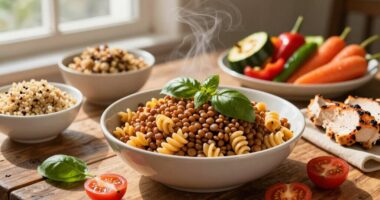
Food can cover protein too. Beans, lentils, tofu, tempeh, seitan, nuts, seeds, and whole grains offer protein along with other nutrients, and many also provide fiber. If you already enjoy a bowl of lentils for lunch and tofu at dinner, protein powder may add convenience without adding much value. You don’t have to buy a tub just because it is labeled vegan.
Use a Shake Without Turning It Into Extra Calories
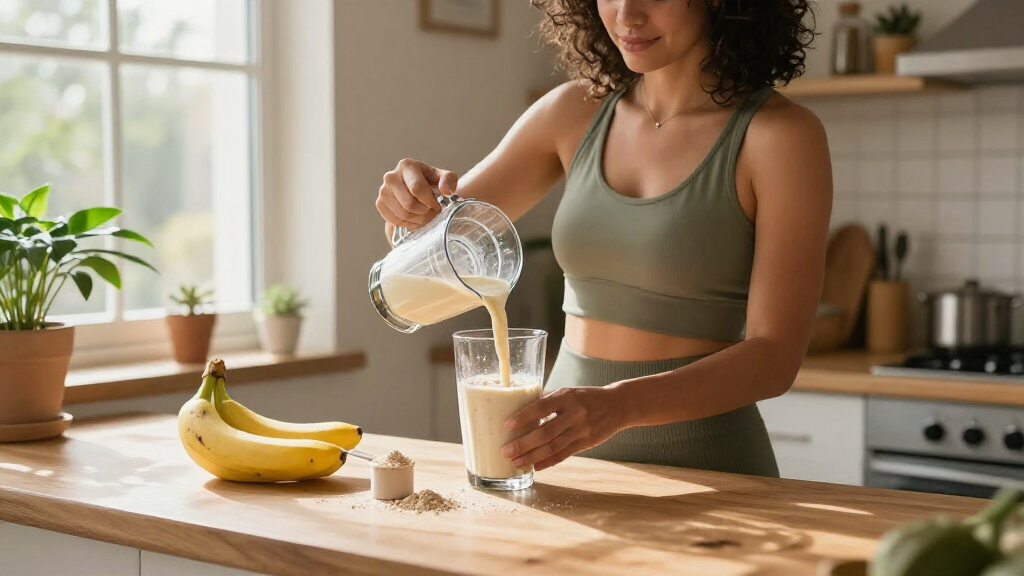
A protein shake fits best when you decide what it replaces or contributes before you pour it. The scoop is only one part of the total: plant milk, fruit, nut butter, oats, and other mix-ins all add calories. Measure your usual additions once so you know what goes into the glass.
Picture a busy afternoon: you’re hungry at 4 p.m., dinner is at 7, and a small shake sounds convenient. If you use it instead of your usual snack, it may help with planning; if you drink it alongside that snack, you’ve added another item. Whether it keeps you full depends on the ingredients and your appetite, so notice how the routine works for you over several days.
Here’s a simple way to build the habit:
- Choose the job: Is the shake a snack, or one component of a meal?
- Check the serving: Measure the powder according to the label and your needs.
- Count the additions: Include fruit, milk, nut butter, and anything else in the drink.
- Notice fullness: Ask whether the shake holds you comfortably until your next meal.
- Adjust the routine: If it leaves you hungry or feels unnecessary, change the ingredients or choose a whole-food option.
A shake can also sit beside a meal instead of replacing it: for instance, a smaller portion with fruit and toast may suit someone who struggles to eat a full breakfast early. Treat this as one option in a varied diet, not a rule that every meal needs a scoop.
Set Protein Goals Around Your Health, Not a Trend
Your protein needs depend on factors such as body size, age, activity, health, and goals, so there is no single powder dose that suits everyone. The facts in this guide do not set a universal grams-per-day target. If you’ve seen different numbers online, they may reflect different people and circumstances rather than one rule you must follow.
For example, a person who does resistance training while losing weight may ask a dietitian how to meet protein needs while protecting overall nutrition. Someone who eats beans, tofu, and whole grains regularly may find that meals already do the job. The answer depends on the whole diet and the person, not just the scoop.
More is not always better. A large shake can crowd out foods that provide fiber and other nutrients, and the extra calories may not support your plan. Protein powder is a convenience, not a requirement; if the texture feels chalky or the taste is like sweetened paste, there’s no reason to force it into your day.
If you have kidney disease, another relevant medical condition, or a food allergy, speak with a qualified clinician or dietitian before substantially increasing protein or choosing a product. This is especially useful if you’re unsure how an ingredient interacts with your needs. Health decisions deserve advice based on your situation rather than a general article.
Spot the Marketing Claims That Don’t Belong in Your Plan
Claims like “fat-burning,” “detox,” and promises of rapid weight loss do not establish that a vegan protein powder will make you lose weight. Protein can be part of a filling eating pattern, but evidence about protein and satiety does not show that a specific powder reliably causes weight loss. Treat those phrases as marketing until you see credible, product-specific support.
Imagine two tubs on the shelf. One shows a waistline graphic and promises fast results; the other lists protein, calories, sugar, allergens, and serving size clearly. The second label gives you more useful information for choosing a food. Neither tub can tell you how it will fit into the rest of your day.
Nutrition headlines also tend to flatten the details. A discussion of protein quality, for example, can explain why a blend combines ingredients, but it cannot settle whether you need powder at all. Formulas vary, and a product’s full nutrient profile matters more than a broad promise about one ingredient.
A powder can make protein easier to serve; it cannot make an overall eating pattern disappear.
If you’re writing down key facts for a blog article or comparing options for yourself, keep the central distinction clear: protein powder is a food supplement and convenience, not a weight-loss medicine. Start with your meals, preferences, and goals, then decide whether the product fills a real gap.
Frequently Asked Questions
Does vegan protein powder help you lose weight?
It may help you meet protein needs conveniently, and a protein-rich snack may satisfy some people. The powder itself does not cause fat loss; your overall eating pattern and sustained calorie balance matter.
Which is best for weight loss: pea, soy, rice, hemp, or a blend?
No source is automatically best for weight loss. Compare the exact product’s protein, calories, added sugar, allergens, and ingredients, then choose one that fits your taste and digestion.
Can a protein shake replace a meal?
A shake can be one component of a meal or a convenient snack, but replacing meals routinely requires attention to your overall nutrient needs. A varied meal with foods such as beans, tofu, vegetables, and grains may provide nutrients a simple shake lacks.
Will vegan protein powder make me gain weight?
A serving adds calories, so the effect depends on how it fits into your usual intake. Adding a shake on top of your normal meals is different from using it instead of a snack.
Can vegan protein powder cause bloating?
Some people experience digestive symptoms, and ingredients such as sweeteners, gums, or a particular protein source may contribute. Check the label and consider discussing persistent symptoms or dietary changes with a qualified professional.
Conclusion
Choose vegan protein powder for the practical job it can do: helping you fit protein into a busy day. Read the whole label, count the ingredients you blend in, and decide whether the shake replaces something or simply adds to it.
Your weight-loss plan is built across ordinary meals and habits, not inside a scoop. Let the powder earn its place in your kitchen—one useful glass at a time.