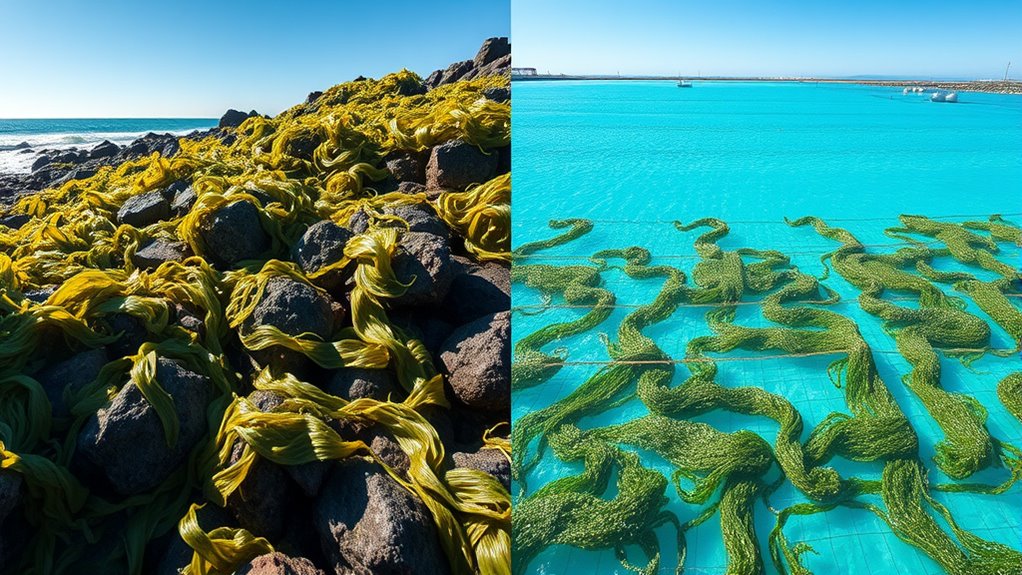

Wild seaweed grows naturally, supporting diverse marine ecosystems and maintaining ecological balance, but overharvesting can threaten wild populations and disrupt habitats. Cultivated seaweed, on the other hand, is farmed using controlled methods that reduce pressure on wild stocks and allow for sustainable supply. However, poorly managed farms can cause environmental issues like nutrient pollution and habitat alteration. Understanding these impacts helps you make eco-conscious choices; exploring further reveals how sustainable practices can benefit marine environments.
Key Takeaways
- Wild seaweed supports biodiversity but risks overharvesting, which can disrupt ecosystems if not managed sustainably.
- Farmed seaweed allows controlled growth, reducing pressure on wild populations and promoting consistent supply.
- Unsustainable wild harvesting can lead to habitat degradation and decline of marine species.
- Properly managed seaweed farms can enhance local habitats and promote marine biodiversity.
- Environmental impacts of seaweed farming depend on site selection and adherence to sustainable practices.

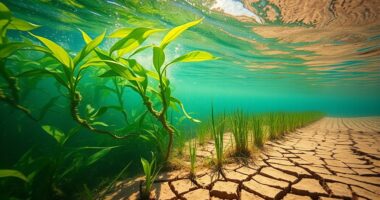
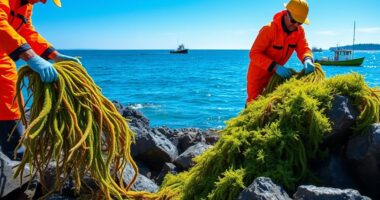
Seaweed plays an essential role in marine ecosystems and offers numerous benefits for human consumption, but not all seaweed is created equal. When considering wild versus farmed seaweed, it’s important to understand how each impacts marine biodiversity and the cultivation methods used. Wild seaweed grows naturally in the ocean, thriving in diverse environments that support a wide range of marine species. This natural growth maintains the health of ecosystems by providing habitats and food for fish, invertebrates, and other marine life. Because wild harvesting depends on natural populations, it often preserves the ecological balance, allowing marine biodiversity to flourish. However, overharvesting can threaten wild stocks, leading to declines that disturb local ecosystems and reduce biodiversity. Sustainable harvesting practices are critical to prevent these issues, assuring wild populations remain resilient and ecosystems stay balanced.
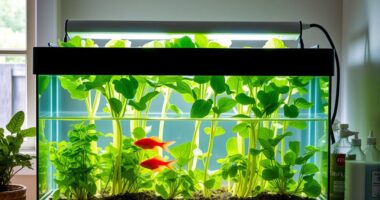
On the other hand, farmed seaweed is cultivated intentionally using different methods designed to maximize production while minimizing environmental impact. Cultivation methods for farmed seaweed include using ropes, nets, or submerged tanks, which are often placed in coastal areas or offshore farms. These methods allow for controlled growth, reducing pressure on wild populations and providing a steady supply of seaweed. When done responsibly, seaweed farming can enhance marine biodiversity by creating habitats that attract small fish and invertebrates, contributing to local ecosystems. Furthermore, farming can help alleviate the pressure on wild stocks, especially if demand for seaweed increases due to its popularity as a food source and supplement. Still, poorly managed cultivation can have unintended consequences—such as nutrient pollution, habitat alteration, or the spread of invasive species—if the cultivation methods aren’t carefully planned and monitored. Additionally, researching the ecological impact of seaweed farming is vital for developing best practices that support sustainability.
The key to balancing these approaches lies in adopting responsible cultivation methods. Sustainable farming practices involve choosing locations that don’t disrupt sensitive habitats, avoiding the use of harmful chemicals, and implementing proper waste management. By doing so, farmed seaweed can support marine biodiversity without compromising ecosystem health. Both wild and farmed seaweed have their roles, but understanding the environmental considerations linked to each helps you make informed choices. Whether you’re harvesting wild stocks or supporting sustainable farming operations, being aware of how cultivation methods influence marine ecosystems ensures that seaweed remains a beneficial and environmentally friendly resource.

Organics Ocean Wild Sea Moss Capsules – 100% Organic Irish Sea Moss with Organic Chlorella, Bladderwrack and Vitamin D for Energy, Lung Health and Thyroid Support for Women and Men – 60 Capsules
Unmatched Organic Formulation: We combined wildcrafted sea moss with the organic antioxidant-rich superfoods chlorella and vitamin D3 to…
As an affiliate, we earn on qualifying purchases.
As an affiliate, we earn on qualifying purchases.
Frequently Asked Questions
How Does Seaweed Farming Impact Local Marine Biodiversity?
Seaweed farming can positively impact local marine biodiversity by providing new habitats and food sources, but it may also cause biodiversity loss if not managed carefully. Habitat alteration from farm structures can disrupt native species, and overconcentration might reduce habitat complexity. To minimize negative effects, you should guarantee sustainable practices, monitor ecological changes, and balance farm density, helping protect your local ecosystem while supporting seaweed cultivation.
What Are the Long-Term Environmental Effects of Wild Seaweed Harvesting?
You might think wild seaweed harvesting is a win-win, but it can strain ecosystem resilience if overdone. Long-term, it risks depleting natural stocks, making ecosystems more fragile. Sustainable harvest practices help maintain ecosystem health and ensure harvest sustainability. If you disregard these, you could face a barren coast and diminished biodiversity, which ultimately harms the environment and local communities relying on healthy marine resources. Balance is key.
Can Wild Seaweed Populations Recover From Overharvesting?
Wild seaweed populations can recuperate from overharvesting if harvesting practices support their regrowth potential. Sustainable harvesting methods, such as leaving enough seaweed behind and avoiding destructive techniques, promote harvesting sustainability. By managing harvest levels carefully and respecting natural growth cycles, you help ensure wild seaweed stocks remain resilient and can recover over time, safeguarding the environment and supporting ongoing seaweed availability for future use.
How Do Farming Methods Influence Seaweed Nutritional Content?
Farming methods considerably influence seaweed’s nutritional content through different farming techniques. When you choose specific practices, like controlled nutrient supply or ideal water conditions, it can enhance nutrient variability, leading to richer nutritional profiles. Conversely, less precise techniques may result in lower nutrient levels. So, by understanding and selecting effective farming methods, you can guarantee seaweed offers excellent health benefits and consistent nutrient content.
Are There Any Invasive Species Risks Associated With Farmed Seaweed?
Yes, farmed seaweed can pose invasive species risks if it escapes into local ecosystems. You might introduce invasive species that disrupt the ecological balance, outcompeting native marine life. To minimize this risk, farm operators often implement strict containment measures. Being aware of these practices helps you understand how responsible seaweed farming aims to protect the environment and maintain the delicate ecological balance in coastal areas.

Organic Atlantic Dulse Flakes Young Seaweed Grown in North Atlantic, Vacuum Dried Premium Quality. Soft Texture & Mild Taste. Add 1 tsp to your dish for daily vitamins/minerals. 45 Servings (1 Oz)
✅ HIGHEST QUALITY: Get 100% pure, vacuum dried Atlantic dulse seaweed. Our vacuum drying technique locks in nutrients…
As an affiliate, we earn on qualifying purchases.
As an affiliate, we earn on qualifying purchases.
Conclusion
As you consider wild versus farmed seaweed, remember that each choice shapes our planet’s future like a delicate thread in a vast tapestry. By supporting sustainable practices, you become part of a larger story—one where your actions can nurture the ocean’s health. Will you let your decision be the ripple that sustains or the wave that washes away? The power is yours—choose wisely, for the sea’s fate depends on it.

Fiskars Folding Produce Knife, Gardening Tool for Harvesting Produce with Foldable Ergonomic Design, Stainless Steel Curved Blade, Orange
FOLDING PRODUCE KNIFE: Ideal for clean, precise harvesting of smaller garden stalks and stems
As an affiliate, we earn on qualifying purchases.
As an affiliate, we earn on qualifying purchases.
![Assorted Seaweed Salad [Korean Food] – 해초샐러드 – Ready-to-Eat Salad Kit, 7 Kinds of Seaweed, Korean Side Dishes Made Easy [Salad Mix] 7 Bags](https://m.media-amazon.com/images/I/51GnXgYLukL._SL500_.jpg)
Assorted Seaweed Salad [Korean Food] – 해초샐러드 – Ready-to-Eat Salad Kit, 7 Kinds of Seaweed, Korean Side Dishes Made Easy [Salad Mix] 7 Bags
ONE MINUTE MEAL – Just rehydrate the seaweed medley for one minute for a quick addition to any…
As an affiliate, we earn on qualifying purchases.
As an affiliate, we earn on qualifying purchases.