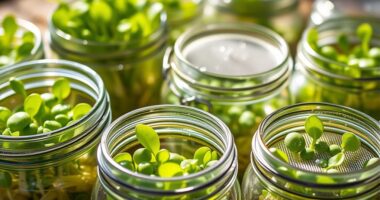
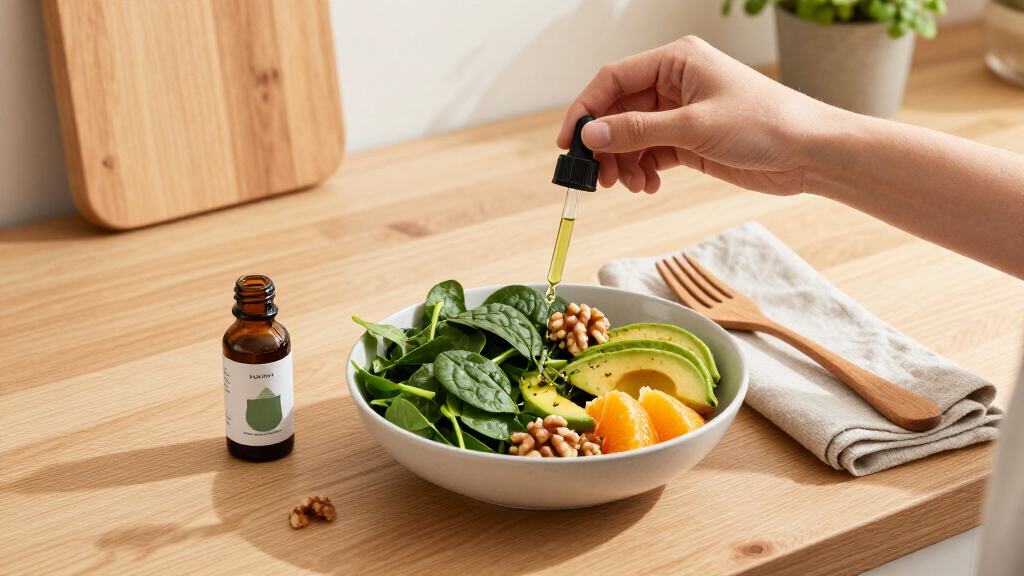

For a straightforward vegan omega-3, Nordic Naturals Algae DHA stands out for its clearly stated DHA amount, while Sports Research and Barlean’s offer different approaches for shoppers weighing combined omega-3s against a liquid format. The main tradeoffs are whether you need DHA alone or both DHA and EPA, how many softgels make up a serving, and whether you prefer capsules or oil. Some formulas also add DPA, flaxseed, or flavoring, which may suit particular routines but can make product-to-product comparisons harder. My picks prioritize clear composition and practical serving details over broad claims. Read on for the full breakdown and guidance on matching a formula to your needs.

Get health and wellness essentials delivered free with Prime
- Fast, free delivery on millions of items
- Prime Video, Amazon Music and more included
- Member-only deals all year
Key Takeaways
- Nordic Naturals Algae DHA is the clearest choice for shoppers who want a named DHA amount; its DHA-focused formula differs from products that list both DHA and EPA.
- Sports Research foregrounds a 1,020 mg algae-oil amount, but oil weight should not be confused with the amount of DHA and EPA delivered.
- Barlean’s is the liquid-format outlier, combining flax and algae oils with omega-3-6-9; that broader blend may not suit buyers seeking a simple algae-derived DHA/EPA supplement.
- Several listings add lemon flavor or scent, flaxseed, or DPA, so check the full ingredient and nutrient panel if you want only algae-derived DHA and EPA.
- Capsule counts range from 60 to 240, but a larger bottle does not reveal how long it lasts unless you compare the serving size and softgels per serving.


| vegan omega-3 algae oil | Count | Source |
|---|---|---|
| Carlyle Vegan Omega-3 Suppleme | 150 | Algae oil |
| Vegan Omega 3 Algae Oil | — | Algae |
| Zenwise Health Vegan Omega 3 S | 120 | Marine algae |
| Barlean’s Vegan Omega 3-6-9 Fl | — | — |
| AMANDEAN Vegan Omega-3 Supplem | 120 softgels | Marine algae (algal oil) |
| Sports Research Vegan Omega-3 | 60 softgels | Sustainable algae oil |
| Micro Ingredients Vegan Omega- | 240 vegetarian softgels | — |
| Nordic Naturals Algae DHA | 90 soft gels | Microalgae |
| Vegan Omega 3 Algae Oil Supple | 120 veggie softgels | — |
| Freshfield Vegan Algae Omega-3 | — | Microalgae |
| Vegan Omega-3 Algae Oil Softge | — | — |
| Vegan Omega-3 Algae Oil Supple | 150 softgels | Marine algae oil |
| Sapling Vegan Algae Omega-3 Su | 180 softgels | Algae oil |
| Vegan Omega 3 Algae Oil | — | — |
| Vegan Algae Omega-3 Supplement | 60 softgels | Algae |
More Details on Our Top Picks
Carlyle Vegan Omega-3 Supplement, 150 Softgels, Algae Oil
Carlyle keeps the formula simple: its algae oil softgels provide 250 mg of omega-3 per capsule and avoid several common allergens. The 150-softgel bottle also gives buyers more capsules on hand than Zenwise Health’s 120-count bottle, though the supplied details do not state Carlyle’s serving size or supply duration. Its listed omega-3 amount is less specific than Zenwise’s EPA and DHA breakdown, and the description says it focuses primarily on DHA. That makes Carlyle easier to match to someone seeking a basic vegan option, but less informative for buyers comparing individual fatty acids. The tradeoff is a modest stated amount per softgel and limited detail on the omega profile.
Pros:- Algae-derived, vegan-friendly omega-3
- 250 mg of omega-3 per softgel
- Free from listed allergens including milk, soy, and wheat
- Non-GMO formula with 150 softgels
Cons:- The stated amount per softgel may be modest for buyers seeking a concentrated option
- Primarily focused on DHA rather than a detailed broader omega profile
Best for: Vegan shoppers who want a simple, allergen-conscious algae oil softgel with a larger stated capsule count.
Not ideal for: Buyers who need a clearly specified EPA-to-DHA breakdown or want a higher, explicitly stated omega-3 amount per serving.
- Brand:Carlyle
- Form:Softgels
- Count:150
- Source:Algae oil
- Omega-3 per softgel:250 mg
- Diet type:Vegan, vegetarian
- Non-GMO:Yes
- Free from:Gluten, wheat, yeast, milk, lactose, soy, artificial flavor
Our verdict“Choose Carlyle for a simple vegan DHA-focused routine with 150 softgels; pick Zenwise Health if a stated EPA and DHA breakdown matters more.”
Vegan Omega 3 Algae Oil, Plant Based DHA EPA, Sustainably Sourced, Non-GMO
This option names both DHA and EPA and identifies algae as the source, which gives it a clear plant-based fit alongside Zenwise Health and AMANDEAN. Its description also cites sustainable sourcing and a non-GMO formula. That is the extent of the useful detail supplied: there is no dosage, capsule count, serving guidance, or certification information to help me compare its daily contribution with Zenwise’s stated 510 mg EPA/DHA/DPA per serving. That information gap is the main tradeoff. It may suit someone who only needs a basic DHA-and-EPA product description, but buyers choosing by dose, bottle size, or verifiable sourcing details have better-defined options elsewhere in this lineup.
Pros:- Algae-derived DHA and EPA without fish oil
- Described as suitable for vegan and plant-based diets
- Sustainably sourced algae is stated
- Non-GMO formulation is stated
Cons:- No dosage or per-serving nutrient amounts are supplied
- Capsule count, form, and serving guidance are unspecified
- No specific sourcing certifications are listed
Best for: Vegan buyers who prioritize algae-derived DHA and EPA and are willing to verify dose and serving details before choosing.
Not ideal for: Shoppers comparing potency, daily servings, bottle quantity, or documented certifications, since those details are not provided.
- Type:Algae oil supplement
- Key nutrients:DHA, EPA
- Dietary attributes:Vegan, plant-based, non-GMO
- Source:Algae
- Sourcing:Described as sustainably sourced
- Dosage:Not provided
- Capsule count:Not provided
Our verdict“Consider this only if the basic algae, DHA, and EPA description fits your needs and you can confirm the missing dose and bottle details.”
Zenwise Health Vegan Omega 3 Supplement – Algae Oil EPA DHA, 120 Count
Zenwise is the most dose-specific capsule option here: two softgels provide 510 mg of EPA, DHA, and DPA, including 100 mg EPA and 310 mg DHA per serving. That breakdown makes comparison easier than with Carlyle’s 250 mg of omega-3 per softgel, where the supplied details do not give a comparable EPA amount. The 120-count bottle is listed as a 60-day supply, so the serving routine is clear, though it means taking two capsules daily. Zenwise also specifies marine algae, non-GMO status, and allergen-free production. The tradeoff is a multi-capsule routine and a stated combined amount that includes DPA.
Pros:- Provides a stated 310 mg DHA and 100 mg EPA per serving
- Lists 510 mg combined EPA, DHA, and DPA per serving
- Marine algae source and vegan softgel form
- 120 softgels are specified as a 60-day supply
Cons:- Requires two capsules daily
- The stated combined total includes DPA alongside EPA and DHA
- EPA amount per serving is 100 mg
Best for: Vegan shoppers who want a stated EPA and DHA breakdown and are comfortable taking two softgels each day.
Not ideal for: People who prefer a one-capsule routine or want a larger stated EPA amount per serving.
- Form:Vegan softgels
- Count:120
- Serving size:2 capsules daily
- Supply duration:60 days
- EPA, DHA, and DPA:510 mg per serving
- EPA:100 mg per serving
- DHA:310 mg per serving
- Source:Marine algae
- Listed attributes:Non-GMO, cGMP-certified facility, allergen-free
Our verdict“Choose Zenwise if a clear EPA and DHA breakdown matters more than keeping your daily routine to one capsule.”
Barlean’s Vegan Omega 3-6-9 Flax and Algae Oil, 16 oz
Barlean’s stands apart from the softgel lineup as a liquid blend. A tablespoon supplies 7,200 mg of ALA from organic flaxseed oil and 630 mg of EPA and DHA from algae oil, so it gives buyers multiple plant-based omega fats in one serving. That makes it more suitable for someone who wants to take oil by spoon or add it to food than Carlyle or Zenwise, which come as softgels. The 16-ounce bottle offers a different format, but the routine has more handling and storage needs: it must be refrigerated after opening. Its ALA figure is not interchangeable with the separately stated EPA and DHA amount, so buyers focused on those algae-derived fats should compare that figure directly.
Pros:- Provides plant-based ALA plus algae-derived EPA and DHA
- One tablespoon is the stated serving size
- Can be taken by spoon or added to food
- Listed as vegan, gluten-free, non-GMO, and kosher
Cons:- Requires refrigeration after opening
- Liquid format may be less convenient to carry and portion than softgels
- The high ALA amount is distinct from its EPA and DHA amount
Best for: Vegan buyers who prefer liquid oil and want to add flaxseed and algae oils to a meal or drink.
Not ideal for: People seeking a portable, shelf-stable capsule routine or who want to avoid a tablespoon serving.
- Volume:16 oz
- Serving size:1 tablespoon
- ALA per serving:7,200 mg
- EPA and DHA per serving:630 mg
- Oil sources:Organic flaxseed oil and algae oil
- Dietary attributes:Vegan, gluten-free, non-GMO, kosher
- Made in:USA
- Storage:Refrigerate after opening
Our verdict“Pick Barlean’s if you want a food-friendly liquid blend with flax ALA and algae EPA/DHA and can refrigerate it after opening.”
AMANDEAN Vegan Omega-3 Supplement – Algal Oil Algae DHA & EPA Softgels, 120 Count
AMANDEAN’s clearest differentiator is its softgel material: the capsules are described as tapioca-based and carrageenan-free, alongside a natural triglyceride algal oil form. That makes this a distinct alternative to Zenwise, which provides a quantified EPA and DHA breakdown but does not specify softgel material in the supplied data. AMANDEAN lists 120 softgels and says its marine algae is grown in the USA, but gives no per-serving DHA or EPA amounts. That missing dose detail makes potency comparisons difficult, especially for shoppers deciding between a capsule material preference and a known nutrient breakdown. Its fit is strongest for buyers who prioritize those formulation details and can confirm dosage separately.
Pros:- Marine algae source with DHA and EPA
- Tapioca-based softgels are described as carrageenan-free
- Algal oil is described as natural triglyceride form
- 120 softgels and USA-grown algae are specified
Cons:- Per-serving DHA and EPA amounts are not provided
- The stated general algae oil profile does not establish a specific EPA dose
Best for: Vegan shoppers who specifically want carrageenan-free, tapioca-based algal oil softgels.
Not ideal for: Buyers who need stated DHA and EPA amounts per serving to compare daily intake across products.
- Count:120 softgels
- Source:Marine algae (algal oil)
- Form:Natural triglyceride
- Softgel material:Tapioca-based, carrageenan-free
- Certifications:Vegan, non-GMO
- Key nutrients:DHA, EPA
- Algae origin:Grown in USA
Our verdict“Choose AMANDEAN for its specified tapioca-based, carrageenan-free softgels, provided you can confirm the nutrient dose before buying.”
Sports Research Vegan Omega-3 Algae Oil 1020mg, 60 Count
Sports Research stands out for dose convenience: its stated 1,020 mg of omega-3s per serving is paired with plant-based tapioca softgels, making it a simpler routine than Micro Ingredients Vegan Omega-3, which calls for three softgels per serving. The vegan certification and third-party testing add useful checks for shoppers choosing an algae product. Its formula also excludes gelatin and carrageenan, which narrows the ingredient list for buyers avoiding those additives. The tradeoff is less detail about the omega-3 breakdown: the supplied product data does not specify DHA or DPA amounts, so shoppers comparing those individual fats may prefer Micro Ingredients or NatureBell, which disclose them. The 60-count bottle also offers less supply than the larger-count options in this group.
Pros:- Provides 1,020 mg of omega-3s per serving
- Plant-based tapioca softgel with no gelatin or carrageenan
- Vegan Certified and Non-GMO Verified
- Third-party tested
Cons:- DHA and DPA amounts are not specified in the supplied product data
- 60-softgel count is smaller than Micro Ingredients’ 240-count bottle
- Algae-based omega-3 supplements can cost more than fish oil alternatives
Best for: Vegan shoppers who want a straightforward algae-oil serving and prioritize tapioca softgels, certification, and third-party testing.
Not ideal for: Buyers who need disclosed DHA and DPA amounts to compare their daily intake, or who want a larger-count bottle.
- Omega-3 per serving:1,020 mg
- Count:60 softgels
- Source:Sustainable algae oil
- Capsule material:Plant-based tapioca softgel
- Certifications:Non-GMO Verified; Vegan Certified
- Testing:Third-party tested
- Free from:Gelatin, carrageenan, corn starch, sorbitol, and fillers
Our verdict“Choose Sports Research if a certified, tested algae-oil option with a simple serving matters more to you than a disclosed DHA/DPA breakdown or a large bottle.”
Micro Ingredients Vegan Omega-3 Algae Oil Softgels, Lemon Flavored, 240 Count
Micro Ingredients is the blend-focused pick: each three-softgel serving lists 500 mg DHA and 100 mg DPA from 1,250 mg algal oil, alongside flaxseed oil and ALA. That breakdown gives buyers more to compare than Sports Research, whose supplied data lists total omega-3s without DHA and DPA amounts. The lemon flavor and 240-count bottle may suit shoppers who want a flavored softgel and a larger supply. The main compromise is the serving routine: three capsules are required, so this is less convenient than Freshfield, which suggests one to two softgels daily. The supplied data also lists only 40 mg ALA, so buyers focused on a substantial ALA contribution should look closely at the full formula rather than assume the blend is primarily flax-based.
Pros:- Lists 500 mg DHA and 100 mg DPA per three-softgel serving
- Includes flaxseed oil and 40 mg ALA
- Sweet lemon flavor and 240-softgel count
- Vegan, fish-free, carrageenan-free, and third-party lab tested
Cons:- Requires three softgels per serving
- The supplied data lists only 40 mg ALA
- The serving combines multiple oils, which may not suit buyers seeking algae oil alone
Best for: Vegan buyers who want disclosed DHA and DPA amounts plus a lemon-flavored blend that includes flaxseed oil and ALA.
Not ideal for: People who dislike taking several softgels per day or prefer a product with a one- or two-softgel suggested routine.
- Count:240 vegetarian softgels
- Serving size:3 softgels
- Algal oil per serving:1,250 mg
- DHA per serving:500 mg
- DPA per serving:100 mg
- Flaxseed oil per serving:80 mg
- ALA per serving:40 mg
- Flavor:Sweet lemon
- Dietary features:Vegan, fish-free, carrageenan-free, non-GMO; free from soy, dairy, gluten, preservatives, colors, and tree nuts
Our verdict“Pick Micro Ingredients if a disclosed DHA/DPA blend and lemon flavor matter more than keeping your daily softgel count low.”
Nordic Naturals Algae DHA, 500 mg Vegan Omega-3 Oil, Plant-Based, 90 Count
Nordic Naturals keeps the focus on DHA: its supplied product data specifies 500 mg DHA from microalgae, with third-party testing and Certified Vegan status. That makes the formula easier to compare for shoppers seeking a stated DHA amount than Sports Research, which lists total omega-3s but no DHA breakdown. The 90 softgels offer a middle-ground bottle size compared with Sports Research’s 60 and Micro Ingredients’ 240. This narrower focus has a tradeoff: the supplied specifications do not list DPA, EPA, or a serving size, so buyers who want a broader, fully itemized blend may find Micro Ingredients or NatureBell more informative. The softgel format also rules it out for shoppers who prefer liquid or gummies.
Pros:- Specifies 500 mg DHA from microalgae
- Certified Vegan by the American Vegetarian Association
- Third-party tested
- Free from gluten, dairy, artificial colors, and preservatives
Cons:- Supplied specs do not state DPA, EPA, or serving size
- Softgels may not suit shoppers who prefer liquids or gummies
- Less formula detail than the disclosed DHA, DPA, and ALA blend from Micro Ingredients
Best for: Vegan shoppers prioritizing a stated DHA amount from microalgae and wanting a third-party-tested softgel.
Not ideal for: Buyers seeking disclosed DPA or EPA amounts, a multi-oil blend, or a liquid or gummy format.
- DHA:500 mg
- Count:90 soft gels
- Source:Microalgae
- Form:Soft gels
- Diet type:Vegan; vegetarian
- Certification:Certified Vegan by the American Vegetarian Association
- Testing:Third-party tested
- Free from:Gluten, dairy, artificial colors, and preservatives
Our verdict“Choose Nordic Naturals if a clearly stated DHA amount is your priority and you do not need a disclosed multi-omega breakdown.”
Vegan Omega 3 Algae Oil Supplement – 120 Lemon-Flavored Veggie Softgels, Plant-Based DHA & DPA with Flaxseed
NatureBell pairs a detailed blend with a broad exclusion list: its three-softgel serving lists 500 mg DHA, 100 mg DPA, flaxseed oil, and ALA, while the formula is described as free from soy, dairy, gluten, preservatives, colors, and tree nuts. That makes its ingredient profile more fully specified than Nordic Naturals Algae DHA, whose supplied data centers on DHA. The lemon flavor and veggie softgels may also appeal to buyers who want to avoid a fishy aftertaste. However, the serving requires three capsules, matching Micro Ingredients’ more involved routine, and the 120-count bottle holds fewer softgels than Micro Ingredients’ 240-count option. Choose it for the disclosed blend and exclusion list, not for minimizing capsules per serving.
Pros:- Lists 500 mg DHA and 100 mg DPA per serving
- Includes flaxseed oil and ALA
- Lemon-flavored veggie softgels
- Third-party lab tested and free from soy, dairy, gluten, preservatives, colors, and tree nuts
Cons:- Requires three softgels per serving
- 120-count bottle has fewer softgels than Micro Ingredients’ 240-count bottle
- FDA disclaimer states that health claims have not been evaluated
Best for: Vegan shoppers avoiding several common allergens who want disclosed DHA and DPA amounts in a lemon-flavored softgel blend.
Not ideal for: People who want a low-capsule routine or a larger-count bottle, or who do not need flaxseed oil and ALA in the formula.
- Count:120 veggie softgels
- Serving size:3 softgels
- Algal oil per serving:1,250 mg
- DHA per serving:500 mg
- DPA per serving:100 mg
- Flaxseed oil per serving:80 mg
- ALA per serving:40 mg
- Flavor:Lemon
- Dietary features:Vegan, non-GMO, carrageenan-free; free from soy, dairy, gluten, preservatives, colors, and tree nuts
Our verdict“Pick NatureBell if you want a lemon-flavored DHA/DPA blend with a wide stated allergen exclusion list and can accommodate three softgels per serving.”
Freshfield Vegan Algae Omega-3 DHA and DPA Softgels, Lemon Scent
Freshfield offers a flexible daily routine with a suggested one to two softgels per day and stated amounts of 225 mg DHA and 35 mg DPA per softgel. That per-capsule detail makes it easier to scale intake than NatureBell and Micro Ingredients, both of which specify a three-softgel serving. Freshfield also describes its algae as cultivated in controlled tanks and its extraction as hexane-free enzymatic processing, details that may matter to buyers comparing sourcing and processing. The tradeoff is a subtler marine aroma, which the product data describes as normal, unlike the lemon-flavored options from Micro Ingredients and NatureBell. The certificate of analysis is available on request, so shoppers who want testing documentation immediately at hand may prefer a product whose supplied listing simply states third-party testing.
Pros:- Lists 225 mg DHA and 35 mg DPA per softgel
- Suggested use is one to two softgels per day
- Algae cultivated in controlled tanks
- Tapioca shell and hexane-free enzymatic extraction
Cons:- A subtle marine aroma is described as normal
- Certificate of analysis is available on request
- Supplied data does not state the bottle count
Best for: Vegan shoppers who want DHA and DPA amounts listed per softgel and prefer a suggested one-to-two-capsule routine.
Not ideal for: People sensitive to marine aromas or buyers who want a certificate of analysis readily provided with the product information.
- Source:Microalgae
- DHA per softgel:225 mg
- DPA per softgel:35 mg
- Suggested use:1 to 2 softgels per day
- Supply:1 to 2 months
- Shell:Tapioca
- Processing:Hexane-free enzymatic extraction
- Dietary attributes:Vegan, non-GMO, carrageenan-free
- Manufacturing:North America
Our verdict“Choose Freshfield if per-softgel DHA/DPA amounts and a flexible one-to-two-softgel routine matter more than lemon flavor or readily provided testing documentation.”
Vegan Omega-3 Algae Oil Softgels, 60 Count
Third-party testing for heavy metals and microbes gives this 60-softgel option a concrete quality signal, alongside its GMP-certified U.S. manufacturing. It supplies both DHA and EPA from algae, so it fits shoppers seeking a fish-free source of both rather than a flax-based formula. Compared with Sapling Vegan Algae Omega-3, its supplied details do not specify omega-3 amounts or algae origin, while Sapling lists DHA and EPA quantities and U.S.-grown algae. That missing dose information makes it harder to judge how well this bottle fits a particular intake target. I’d rank it for buyers who value stated contaminant testing and straightforward manufacturing details, but shoppers comparing potency should favor products with disclosed per-serving amounts.
Pros:- Algae-derived DHA and EPA in a fish-free formula
- Third-party tested for heavy metals and microbes
- Manufactured in the USA
- Made in a GMP-certified facility
Cons:- No omega-3, DHA, or EPA amounts per serving are provided
- The supplied details do not state the serving size
Best for: Vegan shoppers who prioritize disclosed contaminant testing and U.S. GMP manufacturing over dose comparisons
Not ideal for: Dose-conscious buyers who need stated DHA and EPA amounts to compare daily intake
- Quantity:60 softgels
- Omega-3 source:Algae oil
- Omega-3 types:DHA and EPA
- Formula:Vegan, fish-free, plant-based
- Manufacturing:Made in the USA
- Facility:GMP-certified
- Testing:Third-party tested for heavy metals and microbes
Our verdict“Choose this if testing and manufacturing details matter more to you than comparing a disclosed omega-3 dose.”
Vegan Omega-3 Algae Oil Supplement with DHA, EPA & DPA – Organic, Non-GMO – 150 Softgels
This is the most fully quantified option in this group: a two-softgel serving provides 800 mg DHA, 300 mg EPA, and 100 mg DPA. That makes it easier to compare against products such as Sapling Vegan Algae Omega-3, which lists lower DHA and EPA amounts but does not provide a serving size. Its 150-softgel bottle also holds more capsules than the 60-count options here, though the two-capsule serving affects how quickly you use it. Organic and Non-GMO claims, sustainable algae sourcing, and GMP and ISO facility certifications add useful sourcing and production details. The tradeoff is that you still need two softgels per serving, and the supplied information does not give a serving count per bottle. I’d put it first for shoppers who want clearly stated DHA, EPA, and DPA amounts.
Pros:- Lists 800 mg DHA, 300 mg EPA, and 100 mg DPA per serving
- 150 softgels per bottle
- Sustainably sourced marine algae
- Organic and Non-GMO claims with GMP and ISO facility certifications
Cons:- Requires two softgels per serving
- The supplied information does not state servings per bottle
- The supplied details do not identify the third-party testing organization
Best for: Vegan buyers who want disclosed DHA, EPA, and DPA quantities and are comfortable taking two softgels per serving
Not ideal for: People seeking a one-softgel routine or a bottle with a clearly stated number of servings
- Count:150 softgels
- Serving size:2 softgels
- DHA per serving:800 mg
- EPA per serving:300 mg
- DPA per serving:100 mg
- Source:Marine algae oil
- Certifications:Organic, Non-GMO, GMP, ISO
- Form:Softgels
- Testing:Third-party tested for potency and purity
Our verdict“Pick this when a clearly disclosed, multi-fatty-acid dose matters more than taking just one softgel.”
Sapling Vegan Algae Omega-3 Supplement, 180 Softgels
U.S.-grown algae oil and a 180-softgel bottle give Sapling a distinct sourcing and supply profile. Its listed serving supplies 550 mg omega-3s, including 300 mg DHA and 150 mg EPA, so buyers can compare the stated amounts with the higher DHA, EPA, and DPA figures in Vegan Omega-3 Algae Oil Supplement with DHA, EPA & DPA. Sapling’s details do not say how many softgels make up a serving, which limits that comparison in practice. A peppermint-scented pack is included to help minimize fishy odors, though that feature does not establish anything about the oil’s taste. The GMP-certified, FDA-registered facility and carrageenan-free formula round out its profile. This pick suits shoppers who favor domestic algae sourcing and a large bottle, provided they can confirm the serving size.
Pros:- Algae oil is sustainably grown in the United States
- Lists 550 mg omega-3s, including 300 mg DHA and 150 mg EPA per serving
- 180 softgels per bottle
- Vegan, fish oil free, and carrageenan free
Cons:- Serving size in softgels is not provided
- The listed DHA and EPA amounts are below those stated for the 150-softgel DHA, EPA, and DPA formula
Best for: Vegan shoppers who prioritize U.S.-grown algae and want a large softgel bottle
Not ideal for: Dose planners who need the number of softgels per serving before comparing daily intake
- Source:Algae oil
- Omega-3s per serving:550 mg
- DHA per serving:300 mg
- EPA per serving:150 mg
- Count:180 softgels
- Algae origin:United States
- Bottling:United States
- Facility:GMP-certified and FDA-registered
- Dietary attributes:Vegan, fish oil free, carrageenan free
Our verdict“Choose Sapling for U.S.-grown algae and a larger bottle if you can verify its softgels-per-serving directions.”
Vegan Omega 3 Algae Oil – Plant Based DHA & EPA Supplement by MAV Nutrition
Vegan, Non-GMO, gluten-free, and carrageenan-free labeling makes MAV Nutrition a useful fit for shoppers checking several dietary exclusions at once. Its algae supplies both DHA and EPA, and the description states the algae is sustainably grown in the USA. That gives it a sourcing detail not included for the 60-count Vegan Omega-3 Algae Oil Softgels, which instead specifies testing for heavy metals and microbes. MAV reports third-party testing and GMP manufacturing, but supplies no serving size or DHA/EPA amounts. That omission makes it difficult to compare the amount delivered with Sapling or the quantified 150-softgel option. Its fish-free formula may also appeal to people who want to avoid fishy burps, though the product data does not disclose a dose to weigh against other choices. I’d choose it for dietary fit, not dose precision.
Pros:- Provides both DHA and EPA from microalgae
- Vegan, Non-GMO, gluten-free, and carrageenan-free
- Algae described as sustainably grown in the USA
- GMP-manufactured and third-party tested
Cons:- No serving size is specified
- No DHA, EPA, or total omega-3 amounts are disclosed
- The supplied data does not give a softgel count
Best for: Vegan shoppers avoiding gluten, GMOs, and carrageenan who also want U.S.-grown algae
Not ideal for: Buyers who need disclosed serving directions or DHA and EPA amounts to set a routine
- Form:Softgel/capsule
- Omega-3 source:Algae (microalgae)
- Key nutrients:DHA, EPA
- Dietary information:Vegan, Non-GMO, gluten-free, carrageenan-free
- Sourcing:Sustainably grown algae, USA
- Manufacturing:GMP-manufactured
- Testing:Third-party tested
- Brand:MAV Nutrition
Our verdict“This is a dietary-restriction-focused pick for buyers willing to seek serving and potency details before choosing.”
Vegan Algae Omega-3 Supplement with DHA and EPA, 60 Softgels
With 60 softgels and listed amounts of 550 mg omega-3s, 300 mg DHA, and 150 mg EPA per serving, this is the compact-bottle counterpart to Sapling’s 180-softgel formula, which lists the same nutrient amounts. Both products include a peppermint-scented pack and use U.S.-grown algae, while this one adds a tree-planting commitment for each bottle sold. The smaller count suits buyers who want fewer capsules on hand, but the supplied description does not state the serving size, so it is hard to calculate how long the bottle lasts. Its GMP-certified, FDA-registered bottling facility supplies manufacturing context, though the data does not mention third-party testing. I’d favor it over Sapling only if a smaller bottle and the planting commitment matter more than the larger capsule supply.
Pros:- Lists 550 mg omega-3s, including 300 mg DHA and 150 mg EPA per serving
- Algae is sustainably grown in the United States
- Peppermint-scented pack intended to help reduce fishy odors
- One tree is planted for each bottle sold
Cons:- Serving size is not specified
- 60 softgels provide fewer capsules than Sapling’s 180-softgel bottle
- The supplied product details do not mention third-party testing
Best for: Vegan shoppers who want a smaller bottle, stated DHA and EPA amounts, and a tree-planting commitment
Not ideal for: People seeking a clearly stated softgels-per-serving amount or third-party testing details
- Source:Algae
- Omega-3s per serving:550 mg
- DHA per serving:300 mg
- EPA per serving:150 mg
- Count:60 softgels
- Algae grown in:United States
- Bottled in:United States
- Facility:GMP-certified and FDA-registered
- Packaging commitment:One tree planted for each bottle sold
Our verdict“Choose this compact bottle if its planting commitment appeals and you can confirm the serving directions.”
How We Picked
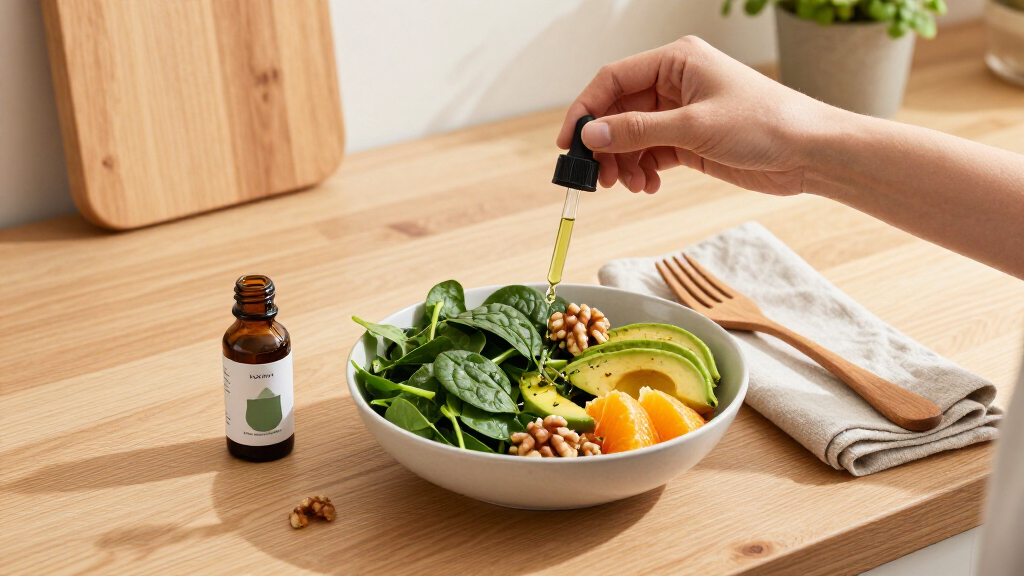
I compared the 15 listed products on the details that help a buyer distinguish one vegan algae oil from another: whether DHA, EPA, or DPA is named; whether an amount is stated; and whether the listing signals a capsule or liquid format. I also considered practical differences such as capsule count, flavoring, and added oils, because they affect routine and make formulas less directly comparable. Product names and listing details alone do not confirm independent testing, purity, or the exact nutrient yield per serving, so I do not treat broad claims like “sustainably sourced” or “high strength” as proof of a better formula.
The order favors options with identifiable composition and a clear role, then distinguishes specialist formats and blends from straightforward capsule choices. Nordic Naturals leads for shoppers seeking a stated DHA amount; Sports Research earns a separate callout for its stated total algae-oil weight, with the caveat that this is not the same as active omega-3 content. Barlean’s ranks as the liquid blend option rather than a direct substitute for DHA/EPA softgels. Where product names provide few formulation details, I treat that uncertainty as a drawback and recommend checking the current supplement facts panel before choosing.
Factors to Consider When Choosing Vegan Omega-3 Algae Oil
Before choosing a bottle, decide what information and format you need from an algae oil. Product names can make formulas sound similar even when their active fatty acids, serving sizes, and extra ingredients differ.
Compare DHA and EPA amounts per serving
Start with the supplement facts panel, not the front label or total oil weight. A product may state the amount of algae oil without showing how much of that oil is DHA or EPA, which makes strength comparisons unreliable. Check whether amounts are listed per softgel or per full serving, since a serving may require multiple capsules. If you have a specific intake target from a clinician, compare that target with the listed DHA and EPA separately. When the label does not make those quantities clear, choose a product with more transparent facts or ask the manufacturer for clarification.
Decide whether you want DHA, EPA, or both
DHA-only formulas and combined DHA/EPA formulas serve different preferences, so do not assume one is automatically better. Check the label for each fatty acid and its amount rather than relying on a product title that simply says omega-3. DPA may also appear in some formulas, but its presence does not tell you how much DHA or EPA you receive. If you are choosing an omega-3 for a particular health concern, discuss the appropriate type and amount with a qualified clinician. For general shopping, a clearly labeled profile makes it easier to compare bottles and avoid buying a blend that does not match your goal.
Read the full ingredient list for added oils and flavor
Flaxseed oil, other plant oils, and flavorings can change the character of a formula. They may be welcome if you prefer a flavored liquid or a broader oil blend, but they make it harder to compare the product with a focused algae DHA/EPA capsule. Look for the source of each listed fatty acid if algae-only sourcing matters to you. “Lemon flavored” and “lemon scent” are not interchangeable with a clear description of the oil itself, so verify the ingredient list. If you have allergies or avoid particular additives, check capsule materials and excipients as well as the headline ingredients.
Match the serving routine to your habits
Capsule count is not the same as servings per bottle. Divide the total softgels by the number required per serving to estimate how long a bottle fits your routine. A large-count bottle may still run out quickly if its serving uses several softgels, while a smaller bottle can last longer at one capsule per day. Consider capsule size and whether you reliably take pills; a liquid can be easier for some people but may call for measuring and careful storage. Choose the format you are most likely to take consistently.
Check sourcing and quality details beyond marketing terms
Terms such as “sustainably sourced,” “non-GMO,” and “organic” describe different claims and do not by themselves establish the amount of DHA or EPA in a serving. Look for specific information about the algae source, manufacturing standards, and testing for contaminants, ideally with details from the brand or a relevant certificate. A product title may omit these facts, so check the brand’s current documentation rather than inferring quality from the name. If verification matters to you, contact the manufacturer when batch testing or certification details are not easy to find. Clear documentation gives you a firmer basis for comparison than general assurances.
Frequently Asked Questions
How can I tell whether a bottle provides enough DHA or EPA?
Use the supplement facts panel to find the DHA and EPA amounts per serving, then compare those figures with the intake guidance relevant to you. Total algae oil weight is not a substitute for the amounts of its individual fatty acids. Also check how many capsules make one serving, since the listed amount may require taking more than one softgel. If you are supplementing for a medical reason or have been given a target, ask your clinician whether the product’s stated amounts fit that plan. Avoid guessing from words like “high strength” when the label does not give a clear breakdown.
Should I choose DHA alone or a formula with both DHA and EPA?
That depends on your dietary goals and any guidance you have received; the product title alone cannot determine which profile is right for you. Compare the separate DHA and EPA amounts, since a combined formula may contain very different proportions from another combined formula. A DHA-only product can be a more direct match for someone specifically seeking DHA, while a DHA/EPA blend covers both fatty acids in one supplement. If your reason for taking omega-3s is tied to a health condition, consult a clinician before choosing a dose or formula. Do not assume that added DPA replaces either DHA or EPA.
Is a liquid algae oil better than softgels?
Neither format is inherently better; the useful choice is the one that fits your routine and desired ingredient profile. Liquids can suit people who prefer not to swallow capsules, though measuring, taste, and storage may take more attention. Softgels offer pre-portioned servings, but check capsule size and the number needed each day. A liquid blend such as Barlean’s also differs in ingredients from a focused algae softgel, so compare the panel as well as the format. Follow the label’s storage instructions once opened.
Does a larger softgel count mean better value?
Not on its own. To compare bottle duration, divide the number of softgels by the softgels required for one serving; then compare the DHA and EPA delivered over that period. A bottle with many capsules may provide fewer servings than expected if each serving takes several softgels. Also account for whether the listed oil amount is total algae oil or the active fatty acids you want. This makes serving count and composition more useful comparisons than capsule count alone.
What should I verify if a product claims sustainable or non-GMO sourcing?
Check which ingredient the claim refers to and look for supporting details from the manufacturer. “Non-GMO” and “sustainably sourced” are separate claims, and neither tells you how much DHA or EPA is in a serving. If sustainability is a priority, seek information about the algae source and production methods rather than relying only on a short product title. For quality assurance, look for specific testing or certification documentation and confirm that it applies to the product you are buying. When the listing is vague, the brand’s current supplement facts and product documentation are the best next sources.
Conclusion
Best overall: Nordic Naturals Algae DHA is the most direct fit here for shoppers who want a stated DHA amount. Best for a combined-oil approach: Barlean’s suits people who want a liquid blend with flax oil, while buyers seeking a focused DHA/EPA profile should compare its panel carefully. Best for beginners: choose whichever capsule option clearly states DHA and EPA per serving and uses a routine you can follow; the product title alone does not establish that. Best for shoppers comparing oil weight: Sports Research states 1,020 mg of algae oil, but check its active fatty acid amounts before treating that figure as potency. I cannot name a defensible best value or premium pick from these listing details alone: serving-level composition, testing documentation, and bottle duration need checking on the current labels. If you have a specific nutrient target, let that and the label’s verified amounts settle the choice.
Halloween Picks
halloween
As an affiliate, we earn on qualifying purchases.