
For students, the right vegan protein powder has to juggle three things that rarely live in the same tub: a low price per serving, a taste you won’t dread at 7 a.m. before a lecture, and prep simple enough for a shaker bottle and a shared dorm kitchen. My top pick is the Orgain Organic Vegan 21g Protein Powder in Vanilla Bean (2.03 lb) because it hits the best balance of protein per dollar, availability in most grocery stores, and a flavor that works in smoothies, oatmeal, or plain water. If budget is the deciding factor, Anthony’s Premium Pea Protein delivers the cheapest protein gram-for-gram on this list, though you trade away taste and mixability. At the other end, GHOST Vegan Cinnabon is the flavor standout for anyone who genuinely enjoys their shake. Keep reading for the full breakdown of all 15, including which unflavored options double as cooking ingredients.

Get health and wellness essentials delivered free with Prime
- Fast, free delivery on millions of items
- Prime Video, Amazon Music and more included
- Member-only deals all year
Key Takeaways
- Orgain‘s lineup dominates the middle of the ranking because its 2 lb tubs consistently offer the best protein-per-dollar ratio among flavored options — the 1.02 lb version of the same product costs noticeably more per serving.
- Unflavored powders (Garden of Life Raw, Anthony’s Pea Protein, BetterBody Foods) win on versatility for cooking and oatmeal, but every one of them struggles with mixability in plain water, which matters if you only have a fork in a dorm.
- GHOST Vegan Cinnabon is the only pick here that tastes like a treat rather than a supplement, but its price per serving runs roughly double the budget picks, making it a splurge rather than a daily driver.
- The 30g Organic Vegan Protein Powder offers the highest protein dose per scoop on the list, which suits athletes and gym-focused students, but the no-sugar formula makes it one of the harder shakes to drink plain.
- Orgain‘s Superfoods variants (Vanilla Bean and Chocolate) add greens and fruit powders but reduce protein per dollar — a fair trade for students who skip vegetables, a poor one for anyone who just needs protein cheaply.




| vegan protein powder for student | Protein per serving | Flavor | Servings | Weight |
|---|---|---|---|---|
| Orgain Organic Vegan Protein P | 21g | Creamy Chocolate Fudge | 20 | 2.03 lb |
| Orgain Organic Vegan Protein P | 21g | Unsweetened / Unflavored | — | 1.59 lb |
| Garden of Life Raw Organic Pro | 22g | Unflavored | 20 | — |
| Truvani Organic Plant-Based Pr | — | Chocolate | 18 | — |
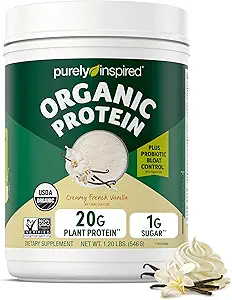
| Purely Inspired Plant-Based Pr | 20g | Creamy French Vanilla | — | — |
| Orgain Organic Vegan 21g Prote | 21g | — | 20 | 2.02 lbs |
| Garden of Life Raw Organic Pro | 22g | Vanilla | 20 | — |
| Orgain Organic Vegan 21g Prote | 21g | — | 10 | 1.02 lb |
| Orgain Organic Vegan 21g Prote | 21g | — | 20 | 2.02 lbs |
| Orgain Organic Vegan 21g Prote | 21g | — | — | 2.03 lbs |
| Anthony’s Premium Pea Protein | — | Unflavored | — | 2 lb |
| BetterBody Foods Organic Plant | 16g | Unflavored | 17 | 12.7 oz |
| Koia Elite Plant-Based Protein | 21g | Vanilla | — | — |
| 30g Organic Vegan Protein Powd | 30g | Vanilla | 20 | — |
| GHOST Vegan Protein Powder | 25g | Cinnabon (with real Makara cinnamon) | 28 | — |
More Details on Our Top Picks
Orgain Organic Vegan Protein Powder, Creamy Chocolate Fudge
Best Overall goes to the Orgain Creamy Chocolate Fudge because it solves the two problems students complain about most: protein powders that taste like dirt and powders that leave you hungry an hour later. With 21g of protein and 6g of prebiotic fiber per serving, this option doubles as a legitimate meal replacement during back-to-back lecture blocks where the dining hall isn’t an option. Compared with the Purely Inspired French Vanilla, which offers a similar 20g of protein, Orgain pulls ahead on fiber content and versatility — it holds up in oats and baked goods, not just shakes. The tradeoff is real, though: at 150 calories per serving and a sweeter, richer flavor profile, this is closer to a dessert-flavored supplement than a neutral base, and students watching calories or sugar-like sweetness may find it heavy. Only 20 servings per tub means it runs out faster than a semester does.
Pros:- 21g of plant protein plus 6g of prebiotic fiber keeps you full through long class blocks
- Chocolate fudge flavor masks the earthy pea-protein taste better than unflavored options
- USDA Organic, vegan, gluten-free, and free of artificial ingredients at a student-accessible price
- Works in shakes, oats, and baked goods, not just water-based drinks
Cons:- 150 calories per serving is on the higher end for a supplement rather than a meal
- Flavor runs sweet and rich, which limits mixing into savory or neutral recipes
- Only 20 servings per container, so it needs repurchasing mid-semester
Best for: Students who need a filling, good-tasting shake that substitutes for a skipped meal between classes
Not ideal for: Calorie-conscious students or anyone who finds sweet chocolate flavors cloying — at 150 calories and a rich taste, lighter options like the unsweetened Orgain fit better
- Weight:2.03 lb
- Servings:20
- Calories per serving:150
- Flavor:Creamy Chocolate Fudge
- Certifications:USDA Organic, Vegan, Gluten-Free, Non-GMO
- Protein per serving:21g
- Fiber per serving:6g prebiotic fiber
- Artificial ingredients:None
Our verdict“If a student is buying exactly one tub, this is the pick — the best balance of taste, satiety, and price.”
Orgain Organic Vegan Protein Powder, Unsweetened
This unsweetened Orgain option earns its spot as the most versatile value pick for students who cook more than they blend. Because it carries zero added sugar and a neutral flavor base, it disappears into overnight oats, pancake batter, and savory sauces — something neither the Truvani Chocolate nor the Creamy Chocolate Fudge Orgain can claim without hijacking the recipe. At 21g of protein and 4g of prebiotic fiber per serving, it matches its flavored sibling nutritionally while giving the buyer full control over sweetness, which matters for anyone making protein mug cakes in a dorm microwave. The compromise is taste and convenience: drunk plain with water or plant milk, it’s drinkable but not enjoyable, and students who want a shake they actually look forward to should step up to a flavored option. Limited flavor options in this line also mean there’s no chocolate fallback if boredom sets in.
Pros:- 21g of protein and 4g of prebiotic fiber at one of the lowest price-per-serving points in this lineup
- Zero added sugar and low net carbs suit keto-leaning or sugar-conscious diets
- Neutral flavor works in sweet and savory recipes, from smoothies to oatmeal
- USDA Organic and Non-GMO certification at a student-friendly price
Cons:- Unflavored base tastes flat or slightly earthy when mixed with just water or milk
- Only available unsweetened, with no flavored alternatives in this specific line
- Requires a bit of recipe creativity to enjoy long-term
Best for: Budget-minded students who mix protein into food and recipes rather than drinking standalone shakes
Not ideal for: Students who want a grab-and-shake product that tastes good on its own — unflavored powder with plain water gets old fast
- Weight:1.59 lb
- Protein per serving:21g
- Prebiotic fiber:4g
- Sugar:0g added sugar
- Certifications:USDA Organic, Non-GMO, Vegan, Gluten-Free
- Ingredients:Organic peas, brown rice, chia seeds
- Flavor:Unsweetened / Unflavored
Our verdict“The smartest buy for students who treat protein powder as a cooking ingredient rather than a beverage.”
Garden of Life Raw Organic Protein Powder, Unflavored
Best for Sensitive Stomachs belongs to Garden of Life’s Raw Organic Protein, the only option in this batch with live probiotics and digestive enzymes baked into the formula. For students whose digestion rebels against concentrated plant proteins — a genuinely common issue with pea-heavy blends — this built-in digestive support is the difference between a supplement they keep taking and one that sits half-empty in a cabinet. The NSF Contents Certification also verifies what’s on the label, which is more third-party scrutiny than the Orgain or Purely Inspired options carry. Compared with the Truvani, Garden of Life delivers more protein per serving (22g versus roughly 15-17g) in a cleaner, unsweetened format. But that purity has a cost: with only 1g of fiber, it won’t keep a student full the way Orgain’s fiber-forward blends do, and it turns chalky without a proper shaker bottle or blender.
Pros:- Probiotics and digestive enzymes help prevent the bloating common with plant proteins
- 22g of protein per serving is the highest in this batch
- NSF Contents Certified and gluten-free verification offers label accuracy most competitors lack
- Unflavored format mixes invisibly into smoothies, oatmeal, and baking
Cons:- Only 1g of fiber per serving, so it does little for satiety between meals
- Becomes chalky if not blended or shaken thoroughly — a shaker bottle is basically required
- Unflavored profile offers no standalone shake experience
Best for: Students with sensitive digestion or anyone who wants third-party-verified purity with gut-friendly probiotics
Not ideal for: Students who want a filling meal substitute — with just 1g of fiber, this is a protein supplement, not a hunger solution
- Servings:20
- Protein per serving:22g
- Calories per serving:120
- Fiber:1g
- Carbohydrates:1g net carbs
- Certifications:Non-GMO, Vegan, Kosher, NSF Gluten Free, NSF Contents Certified
- Ingredients:Organic peas, sprouted grains, seeds, legumes, whole food vitamins, digestive enzymes, probiotics
- Flavor:Unflavored
Our verdict“The clear choice for students whose stomachs reject typical vegan powders, as long as satiety isn’t the main goal.”
Truvani Organic Plant-Based Protein Powder, Chocolate
Truvani lands here as the premium clean-label pick for students who read ingredient lists closely. With a short formula of organic pea, pumpkin seed, and chia seed proteins sweetened only with organic monk fruit — no artificial sweeteners, gums, or fillers — it’s the shortest path from scoop to peace of mind in this roundup. The chocolate flavor is genuinely rich, avoiding the chalky bitterness that plagues cheaper blends, and the keto-friendly carb count suits students on low-carb diets. The catch is economics: at 18 servings per container, the price per serving runs meaningfully higher than Orgain’s chocolate offering, which delivers more protein per scoop and more servings per tub. Compared with the Garden of Life Raw Organic, Truvani trades digestive-support extras for purity and taste. And the monk fruit sweetness polarizes — some drinkers find it slightly too sweet despite zero sugar.
Pros:- Short, recognizable ingredient list with organic pea, pumpkin seed, and chia proteins
- Sweetened only with organic monk fruit — no artificial sweeteners, soy, dairy, or gluten
- Rich, smooth chocolate flavor that masks plant-protein earthiness well
- Keto-friendly and USDA Organic for students on restrictive diets
Cons:- Only 18 servings per container makes it the most expensive per-serving option here
- Monk fruit sweetness can taste too sweet or slightly artificial to some palates
- Higher calorie count per gram of protein than Garden of Life’s alternative
Best for: Ingredient-conscious students willing to pay more for an organic, additive-free formula with real dessert flavor
Not ideal for: Students on a strict budget — at 18 servings per container, the cost per protein gram is the worst in this batch
- Servings:18
- Calories per serving:120-140
- Flavor:Chocolate
- Ingredients:Organic pea, pumpkin seed, chia seed proteins
- Dietary features:Vegan, USDA Organic, Non-GMO, Gluten-Free, Keto-Friendly
- Sweetener:Organic monk fruit
- Artificial additives:None — free of soy, wheat, dairy, gluten
Our verdict“Worth the premium only for students who prioritize a clean, organic label over price per serving.”
Purely Inspired Plant-Based Protein Powder, Creamy French Vanilla
Best Budget Starter describes this Purely Inspired tub well: it’s the low-commitment entry point for a student testing whether protein shakes fit into their routine at all. The creamy French vanilla is the most crowd-pleasing flavor direction in this batch — it blends into coffee, fruit smoothies, and even just almond milk without clashing, unlike the chocolate options which lock you into one taste lane. At 20g of protein and 4g of fiber per serving with organic certification, it undercuts premium picks like Truvani on price while matching the nutritional basics students actually need. The tradeoffs show where the savings come from: only 16 servings per container means it empties fastest of anything here, and the vanilla flavor, while pleasant, can’t go incognito in recipes the way the unsweetened Orgain can. It’s a solid first purchase, not a forever one.
Pros:- Crowd-pleasing creamy French vanilla that mixes easily into smoothies and coffee
- 20g of protein and 4g of fiber per serving at a beginner-friendly price
- USDA Organic, vegan, dairy-free, and free from artificial flavors, colors, and sweeteners
- Approachable first purchase for students new to plant protein
Cons:- Only 16 servings per container — the smallest tub in this lineup
- Sweetened vanilla flavor limits use in savory or neutral recipes
- Added fiber may cause mild digestive adjustment for sensitive stomachs
Best for: First-time protein powder buyers and students who want an affordable, familiar vanilla flavor for smoothies
Not ideal for: Students optimizing cost per serving long-term — 16 servings per tub means frequent repurchases, and the vanilla limits recipe versatility
- Servings per container:16
- Protein per serving:20g
- Fiber per serving:4g
- Flavor:Creamy French Vanilla
- Certifications:USDA Organic, Non-GMO, Vegan, Dairy-Free, Gluten-Free
- Artificial additives:Free from artificial flavors, colors, sweeteners
Our verdict“A low-risk way to test the vegan protein habit, best upgraded to a larger tub once the routine sticks.”
Orgain Organic Vegan 21g Protein + Superfoods Powder, Vanilla Bean, 2.02 lb
This option stands out for students who want their protein powder to double as a multivitamin-style nutrition boost. With 50 organic superfoods packed alongside 21g of protein, it goes beyond what the plain Orgain Vanilla Bean 2.03 lb offers, trading a slightly higher calorie count (160 vs 150) for greens, fiber, and fruit extracts in every scoop. Compared with Garden of Life Raw Organic Protein, it skips the probiotics but wins on versatility — it blends cleanly into oats, smoothies, and even pancake batter, which matters when you’re eating on a ramen budget. The tradeoff is cost per serving: the superfoods blend pushes the price above simpler formulas, and the texture runs slightly grainy when mixed with water alone. For a dorm-room breakfast replacement, though, this pick makes the most sense for students who skip vegetables regularly.
Pros:- 50 organic superfoods add micronutrients most student diets lack
- 21g of organic vegan protein per serving
- USDA Organic, non-GMO, gluten-free, soy-free, and dairy-free
- Works in smoothies, baking, and meal replacements
Cons:- More expensive per serving than non-superfood formulas
- Texture can be grainy without a blender
- Taste polarizes — the greens blend slightly alters the vanilla flavor
Best for: Students who rarely eat fruits or vegetables and want their protein shake to fill nutritional gaps
Not ideal for: Budget-tight students counting pennies per gram of protein — cheaper basic formulas like the Orgain 2.03 lb tub deliver protein without the superfoods markup
- Weight:2.02 lbs
- Servings:20
- Protein per serving:21g
- Calories:160
- Superfoods:50 organic superfoods
- Certifications:USDA Organic, Non-GMO, Gluten-Free
- Dietary:Vegan, Soy-Free, Dairy-Free
Our verdict“Buy this if you want one scoop to cover protein and micronutrition; skip it if you just need cheap, clean protein.”
Garden of Life Raw Organic Protein Powder, Vegan, Vanilla, 20 Servings
When the goal is muscle recovery after gym sessions, this formula pulls ahead of the Orgain lineup. It delivers 22g of complete protein with 4g of BCAAs — the branch-chain amino acids that actually drive muscle repair — plus live probiotics for digestion, something none of the Orgain options include. At 130 calories per serving, it’s also the leanest pick in this batch, which matters if you’re tracking macros between classes and workouts. Compared with the Orgain Superfoods Vanilla, you lose the 50-superfoods blend but gain sprouted grains and enzymes that some find gentler on the stomach. The real tradeoff is price: raw, sprouted ingredients cost more per gram of protein, and the sprouted grain base won’t suit everyone’s digestion. This model is better suited to students who train regularly than casual smoothie drinkers.
Pros:- 22g complete protein with 4g BCAAs for muscle recovery
- 5g fiber and probiotics support digestion
- Lowest calories in this batch at 130 per serving
- Extensive certifications including NSF Certified Gluten Free and Kosher
Cons:- Higher cost per serving than non-organic alternatives
- Sprouted grains may not agree with all digestive systems
- Vanilla flavor is milder and less dessert-like than competitors
Best for: Students who lift or play sports and want BCAAs and probiotics alongside their protein
Not ideal for: Students sensitive to sprouted grains, or anyone prioritizing the lowest price per serving
- Servings:20
- Flavor:Vanilla
- Protein per serving:22g
- BCAAs:4g
- Fiber:5g
- Calories per serving:130
- Certifications:USDA Organic, Non-GMO Project Verified, Vegan, Kosher, NSF Certified Gluten Free
Our verdict“The smart choice for gym-going students who care about recovery nutrition, not just hitting a protein number.”
Orgain Organic Vegan 21g Protein Powder, Vanilla Bean, 1.02 lb
Not every student is ready to commit 40+ dollars to a giant tub of powder they might hate. This 10-serving container solves that problem — it’s the lowest-risk entry point in the entire roundup, letting you test the Orgain vanilla flavor before scaling up to the 2.03 lb version if it clicks. The formula itself mirrors its bigger sibling: 21g of organic plant protein from peas, brown rice, and chia, with prebiotic fiber for gut health and only 150 calories per serving. The obvious tradeoff is value — per serving, this costs noticeably more than the large tubs, so buying it repeatedly is a money leak. The added fiber is also a double-edged sword; it’s great for digestion but can cause bloating if you’re new to plant proteins. This pick makes the most sense as a first purchase or a travel-size option.
Pros:- Low-commitment way to try the Orgain formula
- 21g organic protein with prebiotic fiber at just 150 calories
- Compact size fits small dorm shelves and travel bags
- Minimal sugar content
Cons:- Only 10 servings — poor value for regular use
- Added fiber may cause bloating for plant-protein beginners
- Packaging may vary between orders
Best for: Protein powder newcomers who want to sample vegan vanilla before committing to a large tub
Not ideal for: Daily users — the 10-serving count means repurchasing every week and a half, at a worse per-serving price
- Protein per serving:21g
- Weight:1.02 lb
- Servings:10
- Calories per serving:150
- Dietary:Vegan, Gluten-Free, USDA Organic
- Added benefits:Prebiotic fiber for gut support
Our verdict“A smart first purchase for curious students, but switch to a larger tub once you know you like it.”
Orgain Organic Vegan 21g Protein + Superfoods Powder, Chocolate, 2.02lb
For students whose sweet tooth sabotages their budget, this is the dessert-forward option that keeps the full superfoods formula. The chocolate version of the Orgain Superfoods line masks the earthy plant-protein taste far better than the vanilla variant, making it the easier daily habit for anyone who finds pea protein slightly vegetal. You still get the 50 organic superfoods blend and the same 20-serving tub as its vanilla sibling, so the only real difference is flavor direction. Compared with the Creamy Chocolate Fudge Orgain elsewhere in this roundup, this one leans on superfoods rather than prebiotic fiber as its selling point. The tradeoffs: chocolate masks but doesn’t eliminate the plant taste, and the powder genuinely needs a blender bottle or shaker — stirring with a fork in a dorm cup leaves clumps. That 1g of sugar is fine for most, but strict keto students should look elsewhere.
Pros:- Chocolate flavor hides the earthy taste of plant protein better than vanilla
- Full 50-superfoods blend included
- Complete protein from organic pea, brown rice, and chia
- Free from artificial additives and common allergens
Cons:- Requires blending or shaking for smooth texture
- 1g sugar per serving may not suit strict low-carb diets
- Chocolate taste itself may not appeal to everyone
Best for: Students who crave chocolate and want a protein shake that feels like a treat, not a chore
Not ideal for: Keto or zero-sugar dieters, and anyone without a shaker bottle or blender — the texture suffers without proper mixing
- Protein per serving:21g
- Weight:2.02 lbs
- Servings:20
- Superfoods blend:50 organic superfoods
- Protein sources:Organic pea, brown rice, chia seeds
- Dietary features:Vegan, USDA Organic, gluten-free, non-GMO, soy-free, dairy-free
Our verdict“The pick for students who need their protein to taste like dessert to actually stick with it.”
Orgain Organic Vegan 21g Protein Powder, Vanilla Bean, 2.03 lb
This is the workhorse pick — no superfoods, no probiotics, just clean organic protein at the best per-serving economics in this batch. The large 2.03 lb tub keeps the cost per gram of protein lower than the smaller 1.02 lb trial size and the superfoods versions, which is exactly what a student stretching a grocery budget needs. The ingredient list stays short and recognizable: organic peas, brown rice, and chia seeds, with no artificial colors, flavors, or preservatives. Compared with the Orgain Superfoods Vanilla, you give up the 50-superfoods blend but keep the same 21g protein — a fair trade if you already eat vegetables. The honest downside is taste: without superfoods or heavy flavoring to hide it, the natural plant flavor comes through strongly, and vanilla alone doesn’t fully cover it. Budget first, flavor second.
Pros:- Best per-serving value among the Orgain options in this roundup
- Simple, recognizable ingredient list with no artificial additives
- Certified USDA Organic, Non-GMO, Gluten-Free, and Kosher
- Versatile for smoothies, baking, and meal replacements
Cons:- Strong natural plant flavor that some drinkers dislike
- Only 1g sugar but no superfoods or probiotics to justify a premium
- Vanilla flavoring is mild rather than dessert-like
Best for: Budget-conscious students who want maximum clean protein per dollar and already eat a decent diet
Not ideal for: Flavor-sensitive drinkers who find unmasked plant protein unpleasant — the superfoods versions taste smoother
- Weight:2.03 lbs
- Protein per serving:21g
- Sugar:1g
- Ingredients:Organic peas, brown rice, chia seeds
- Certifications:USDA Organic, Non-GMO
- Dietary:Vegan, Gluten-Free, Kosher
Our verdict“The no-frills bulk buy for students who prioritize protein-per-dollar over extras and flavor flair.”
Anthony’s Premium Pea Protein is the cheapest path to a serious protein stash, and for a student stretching a grocery budget across a semester, that matters more than flavor bells and whistles. A 2 lb bag delivers far more servings than BetterBody Foods’ 17-serving bag at a comparable price, which is the core reason it earns a spot here. Because it’s unflavored and unsweetened, it disappears into oatmeal, pancake batter, or a smoothie with banana and peanut butter — but drink it mixed with water alone and the bland, slightly earthy pea taste becomes obvious. Compared with Koia Elite, which arrives sweetened and flavored, Anthony’s demands more effort from you in the kitchen. The tradeoff is straightforward: maximum protein per dollar in exchange for zero convenience on the taste front.
Pros:- Lowest cost per gram of protein in this lineup thanks to the 2 lb size
- Unflavored and unsweetened, so it works in sweet or savory recipes
- Gluten-free, keto-friendly, and free of common allergens
- Single-ingredient simplicity — no fillers to decode on the label
Cons:- Bland, earthy pea taste that needs masking with fruit or flavorings
- No added vitamins, probiotics, or fiber — it’s purely protein, unlike Koia Elite or the 30g Organic blend
Best for: Budget-conscious students who already make smoothies or baked goods and want the lowest cost per serving
Not ideal for: Anyone who wants a shake they can mix with water and drink straight — the unflavored profile won’t carry a standalone drink
- Weight:2 lb
- Flavor:Unflavored
- Protein source:Pea protein
- Dietary features:Plant-Based, Gluten-Free, Vegan, Keto Friendly, Lactose-Free
- Sweeteners:None (unsweetened)
- Added extras:None
Our verdict“If you blend your protein into something anyway and want your money to last until finals week, this is the smartest buy on the list.”
BetterBody Foods Organic Plant Protein Powder
This is the option for students who read ingredient labels — the short list of organic pea protein isolate, organic quinoa powder, and natural flavor is about as transparent as the category gets. At 16g of complete protein and 80 calories per serving, it’s the leanest pick here, which cuts both ways: great for a light breakfast boost, thin for post-gym recovery compared with GHOST’s 25g or the 30g Organic blend. The quinoa pairing is what makes the amino acid profile complete, a genuine advantage over straight pea powders like Anthony’s. Two real frustrations hold it back: only 17 servings per bag means repurchasing every two to three weeks, and the texture can lean grainy if you stir rather than blend. It rewards students with a blender bottle or a Nutribullet and punishes those shaking by hand.
Pros:- USDA Organic and Non-GMO Project Verified, rare at this price point
- Complete protein from pea and quinoa with all nine essential amino acids
- Only 80 calories per serving — the lightest option in the roundup
- Free from soy, lactose, gluten, and GMOs
Cons:- Just 17 servings per bag, the smallest serving count here
- Texture blends less smoothly than options like Orgain’s blends
- 16g of protein is modest next to the 25–30g competitors
Best for: Label-readers and light-protein users who want organic, allergen-free certification and low calories over maximum protein
Not ideal for: Heavy lifters or athletes who need 25g+ per shake — and anyone without a blender, given the grainy hand-mixed texture
- Weight:12.7 oz
- Servings:17
- Protein per serving:16g
- Calories per serving:80
- Flavor:Unflavored
- Ingredients:Organic pea protein isolate, organic quinoa powder, natural flavor
- Certifications:USDA Organic, Non-GMO, Gluten-Free, Vegan, Soy-Free, Lactose-Free, Kosher
Our verdict“Choose this when ingredient quality and certifications matter more to you than protein quantity or servings per bag.”
Koia Elite Plant-Based Protein Powder with Prebiotic Fiber
Koia Elite takes a wellness-first angle that none of the other picks match: alongside 21g of pea protein, you get 6g of prebiotic fiber and a vitamin stack covering A, C, D, E, and B12 — the last one being a quiet win for vegan students who struggle to get B12 from food alone. Where Anthony’s and BetterBody hand you a blank canvas, Koia shows up pre-flavored in vanilla and ready to shake, which makes it the easier morning routine. The catch is the 4g of organic cane sugar per serving. It’s what makes the taste genuinely pleasant, but it also means this isn’t the pick for anyone tracking sugar intake or drinking two shakes a day. Think of it as the most livable daily-habit option, with a sweetness tax attached.
Pros:- Prebiotic fiber supports digestion, which many student diets sorely lack
- Includes B12 and vitamins A, C, D, E — helpful insurance for plant-based eaters
- Vanilla flavor mixes well without extra ingredients
- 21g of protein per serving hits a solid middle ground
Cons:- 4g of organic cane sugar per serving adds up with daily use
- Lower protein per serving than GHOST or the 30g Organic blend
- Vitamin-fortified formula costs more per gram of protein than plain pea options
Best for: Vegan students who want a tasty daily shake with fiber, B12, and other vitamins built in — and don’t mind a little sugar
Not ideal for: Low-sugar or keto-leaning students — the cane sugar rules it out where Anthony’s unsweetened powder fits
- Flavor:Vanilla
- Protein per serving:21g
- Prebiotic fiber:6g
- Organic cane sugar:4g
- Added vitamins:A, C, D, E, B12
- Protein source:Pea protein
- Dietary features:Vegan, Dairy-Free
Our verdict“This makes the most sense for the vegan student who wants one shake to cover protein, fiber, and B12 in a flavor they’ll actually finish.”
30g Organic Vegan Protein Powder, Vanilla, 20 Servings
For students balancing lectures with real gym goals, 30g of complete plant protein per serving is the headline — more than GHOST’s 25g and well beyond Orgain’s standard 21g. The 20 billion CFU of probiotics add a digestive angle that echoes Koia Elite’s fiber play but takes a different route, and the no added sugar stance puts it firmly opposite Koia’s sweetened formula. At 150 calories, it works as a legitimate meal-support shake rather than a light snack like BetterBody’s 80-calorie servings. The tradeoff is taste: with no artificial flavors and no sugar, the vanilla leans subtle, and some drinkers will find it flat compared with GHOST’s dessert-level Cinnabon experience. If results matter more to you than drinking dessert, that’s a fair exchange — but flavor-first buyers should shop lower on this list.
Pros:- 30g of protein per serving, the highest in this batch
- 20 billion CFU probiotics support digestion alongside protein
- No added sugar and no artificial flavors
- Organic, dairy-free, and gluten-free for restrictive diets
Cons:- Only 20 servings per container, so it runs out fast with daily use
- Clean taste may disappoint compared with flavored competitors
- Multi-source plant blend can trigger allergies that single-ingredient powders avoid
Best for: Lifting-focused students who want maximum protein, probiotics, and zero sugar for recovery shakes
Not ideal for: Flavor-driven buyers expecting a sweet treat — the clean, sugar-free taste reads as plain
- Protein per serving:30g
- Calories per serving:150
- Servings:20
- Flavor:Vanilla
- Probiotics:20 Billion CFU
- Sugar:None (no added sugars)
- Dietary features:Vegan, Dairy-Free, Gluten-Free, Organic
Our verdict“If your protein shake exists to fuel training rather than to taste like a dessert, this high-protein, zero-sugar blend justifies its spot.”
GHOST Vegan Protein Powder, Cinnabon
Most vegan powders taste like a compromise; GHOST’s Cinnabon flavor, built with real Makara cinnamon, is the one students actually look forward to drinking. At 25g of protein across 28 servings, it beats the 30g Organic blend on tub longevity and beats Koia on protein density — a solid middle position. GHOST also practices full label transparency, listing exact doses rather than hiding behind a proprietary blend, which puts pressure on less forthcoming brands. The flip side: this is an indulgent flavor profile, and drinkers who find it too sweet have no unflavored fallback within the line, unlike Anthony’s or BetterBody. It’s also positioned as a lifestyle brand, so the per-serving cost runs higher than plain pea protein. You’re paying partly for taste and branding — worth it if flavor is what keeps you consistent, wasteful if it isn’t.
Pros:- Genuinely enjoyable Cinnabon flavor from real Makara cinnamon
- 25g of protein with 28 servings per container — strong longevity
- Fully transparent label with disclosed ingredient doses
- Vegan, gluten-free, and soy-free in one formula
Cons:- Sweetness level may be too much for daily drinking
- Premium branding means a higher cost per serving than bulk pea protein
- No unflavored option if you want recipe versatility
Best for: Students whose protein powder habit dies from bad flavors — this one keeps them coming back for 28 servings
Not ideal for: Minimalists and budget shoppers — the sweet dessert flavor and premium price don’t suit unsweetened-powder loyalists
- Protein per serving:25g
- Servings:28
- Flavor:Cinnabon (with real Makara cinnamon)
- Vegan:Yes
- Gluten-free:Yes
- Soy-free:Yes
- Label transparency:Fully disclosed ingredient doses
Our verdict“Pick this if taste consistency is the difference between finishing and abandoning the tub — just accept the sweeter, pricier package.”
How We Picked
I evaluated every option through a student’s actual constraints rather than a general fitness lens. The four criteria that drove the ranking were cost per gram of protein (calculated from tub size and servings, not sticker price), mixability without a blender (shaker-bottle-only prep is the reality of dorm life), flavor flexibility (does it work in water, oatmeal, and smoothies, or only one of the three), and satiety and nutrition balance (fiber content matters when protein powder is replacing a meal between classes).
Products rank higher when they solve multiple student problems at once — for example, Orgain’s larger tubs combine grocery-store availability, a moderate price, and fiber, which is why they cluster near the top. Flavored specialty products like GHOST rank lower on value but earn their place by being the option students actually finish instead of abandoning half a tub. Unflavored picks sit in the middle: unbeatable for cooking and price, but only if the buyer knows what they’re signing up for texturally.
Factors to Consider When Choosing Vegan Protein Powder For Students
Before locking in a tub, it helps to understand where the real costs and tradeoffs hide in this category. These are the factors that ended up mattering most across all 15 products I compared.Cost Per Serving, Not Sticker Price
The biggest mistake students make is comparing tub prices directly. A $25 tub with 20 servings costs more per day than a $40 tub with 30 larger servings, and the gap compounds over a semester. Divide the price by the number of servings, then divide again by grams of protein per serving — that second number is the only honest comparison tool. This is why smaller containers, like the 18-serving Truvani, sit lower on value despite premium branding: you’re paying for packaging and marketing per gram of protein. Also watch for the same product sold in multiple sizes; the 1.02 lb and 2.03 lb Orgain tubs on this list are the same formula at very different per-serving costs. Buy the biggest tub only after you’ve confirmed you like the flavor.
What You’ll Actually Mix It With
Your prep method should dictate your pick more than any review score. If you only have a shaker bottle and campus water fountains, texture and solubility become the deciding factors, and pea-heavy blends without added gums will clump. If you have access to a blender or even a fork and oatmeal, unflavored options like Anthony’s or Garden of Life become far more attractive because you can hide the grit in food. Students with mini-fridges can lean into smoothie-ready flavors like GHOST’s Cinnabon or Orgain’s Chocolate Fudge, which perform better with milk alternatives than with water. Be honest about your morning routine: the nutritionally superior powder is worthless if mixing it is annoying enough that you stop using it by week three.
Protein Per Scoop vs. Total Daily Need
Marketing leads with big protein numbers, but most students need far less than the 30g-plus scoops marketed to gym-goers. If you’re using powder to fill gaps between cafeteria meals, a 21g serving does the job and stretches the tub further, since you can half-scoop into oatmeal or coffee. The 30g option makes sense if one shake is genuinely replacing a meal during back-to-back classes. Also check whether the protein count includes fiber and filler grams — pea protein isolates like BetterBody Foods give you cleaner protein density, while superfood blends trade protein concentration for added nutrients. Match the scoop size to your real schedule, not your aspiration.
Flavor Fatigue Is Real
Over a 15-week semester, you’ll drink the same flavor 40 to 60 times, and this is where most purchases fail. Vanilla is the safest base flavor because it disappears into smoothies, bakes into things, and doesn’t overwhelm — which is why so many of my higher-ranked picks are vanilla. Chocolate is the second safest, but cheap chocolate vegan proteins can taste dusty or bitter in water. Specialty dessert flavors like Cinnabon are delightful for the first week and can become cloying by midterms. If you know you get bored easily, buy a smaller tub of an exciting flavor and a large tub of a neutral one, and alternate. Unflavored is the extreme end of this logic: zero fatigue because you control the taste entirely.
Sweeteners, Sugar, and Digestive Comfort
Vegan proteins swap dairy for plant proteins, but the sweetener system varies widely and affects both taste and how your stomach handles a mid-lecture shake. Stevia-sweetened options like most Orgain products are gentle for most people but carry a distinctive aftertaste some can’t tolerate. The no-sugar 30g formula uses alternative sweetening that can cause digestive issues when consumed daily on a sensitive stomach. Unsweetened versions — Orgain’s Unsweetened tub, Anthony’s, BetterBody Foods — give you full control, which matters if you’re mixing into already-sweet things like smoothies or yogurt. If you’ve never had plant protein before, start with a smaller container to test tolerance before committing to a semester-sized tub.
Storage, Shelf Life, and Shared Spaces
Dorm realities affect which tub actually works. Large 2 lb containers need dry storage and don’t fit in some mini-fridge setups once opened, while smaller 20-serving tubs are easier to stash but cost more per serving. Humidity in shared kitchens can clump powders, especially raw and sprouted blends like Garden of Life that skip anti-caking additives — a clip-sealed bag or transferred airtight container solves this. Check the serving math against your semester too: a 20-serving tub lasts under a month at daily use, so budget for three to four tubs per term. And if you’re splitting costs with a roommate, unflavored options are the neutral choice nobody objects to.
Frequently Asked Questions
Is a vegan protein powder enough to replace a meal during a long day of classes?
On its own, no — even the higher-protein options on this list are supplements, not meal replacements, unless paired with other food. A shake gives you protein and sometimes fiber, but you’ll miss the fats and calories that keep you full through back-to-back lectures. The better move is using powder as a base: mix it into oatmeal with peanut butter, or blend it with a banana and milk alternative for something that actually carries you to dinner. The Orgain Superfoods variants come closest to a standalone option because of their added fruit and green powders, but even those fall short on calories. If meal replacement is your real goal, prioritize fiber content over raw protein grams when choosing between tubs.
Why do vegan protein powders cost more per gram of protein than whey?
Plant proteins require more processing to isolate protein from peas, rice, or hemp, and the raw crops themselves have lower protein density than whey’s dairy source. Blending multiple plant sources — which most flavored products here do to complete the amino acid profile — adds another cost layer. The workaround for budget-focused students is buying single-source unflavored powders like Anthony’s Pea Protein, which gets you near-whey pricing per gram, then handling flavor yourself with a banana, cocoa powder, or oatmeal. The price gap also shrinks during bulk sales on larger tubs, which is worth timing if you’ve already confirmed a flavor works for you. Paying premium prices only makes sense when taste or convenience genuinely improves your consistency.
Can I mix vegan protein powder with just a spoon in a dorm room?
It depends heavily on the specific product, and this is one of the biggest practical differences between the picks on this list. Gum-stabilized blends like Orgain’s flavored powders shake up reasonably well in a bottle with a wire ball; pure pea protein isolates like Anthony’s will clump badly without a blender or at least a vigorous shaker. Raw and sprouted formulas sit somewhere in the middle but tend toward grittiness no matter how you mix them. Hot liquids make everything clump, so stir protein into oatmeal after it’s cooled slightly. If a shaker bottle is your only tool, prioritize the flavored blended products and treat the unflavored isolates as cooking ingredients only.
Do I need the superfood and greens blends, or is plain protein fine?
Plain protein is fine for almost everyone, and the superfood versions cost more per gram of protein while delivering modest nutritional extras. The fruit and green powders in blends like Orgain’s Superfoods line are typically present in small amounts — enough to add some micronutrients, not enough to replace actual vegetables. Where the superfood blends earn their price is for students who know they eat almost no produce and want a small nutritional insurance policy with their shake. For everyone else, the standard formula plus a real piece of fruit in the smoothie is cheaper and tastier. Decide based on your actual diet, not the label’s promises.
How long does an opened tub last, and is it safe to buy a semester’s worth at once?
Most vegan protein powders stay good for several months past opening if kept dry, sealed, and away from heat, so a single large tub used daily will rarely expire before it’s finished. The real risks in shared student housing are humidity and contamination — a clumped tub isn’t spoiled, but repeatedly dipping wet utensils in can introduce moisture and bacteria. Buying a full semester’s supply at once only makes financial sense once you’ve verified the flavor through a smaller container first; abandoned half-used tubs are the most expensive outcome in this category. Also check the serving math honestly: if you’ll use it three times a week rather than daily, even a large tub may outlast its best-quality window. A resealable bag or airtight transfer container extends shelf life considerably in dorm conditions.
Conclusion
The right pick here depends less on which powder is objectively best and more on your budget, your mixing setup, and how much you care about taste. Best overall goes to the Orgain Organic Vegan 21g Protein in Vanilla Bean (2.03 lb) — it balances price, availability, fiber, and flavor flexibility better than anything else on the list. Best value is Anthony’s Premium Pea Protein, which is unbeatable on protein-per-dollar if you’re willing to handle mixing and flavoring yourself, with BetterBody Foods as the runner-up for a slightly more refined isolate. Best premium pick is GHOST Vegan Cinnabon for the student who wants a shake that feels like a reward and will pay roughly double for it. Best for beginners is the smaller 1.02 lb Orgain tub — you’re paying a bit more per serving to test the habit before committing to a large container. For specific needs: the 30g Organic Vegan Protein suits gym-focused students who need maximum protein per shake, Orgain’s Superfoods blends work for those skipping vegetables entirely, and the unflavored Garden of Life Raw is the pick for anyone who wants to bake or cook protein into meals rather than drink it. Whatever you choose, start smaller than you think you need — the best protein powder for a student is the one you actually finish.
Halloween Picks
halloween
As an affiliate, we earn on qualifying purchases.