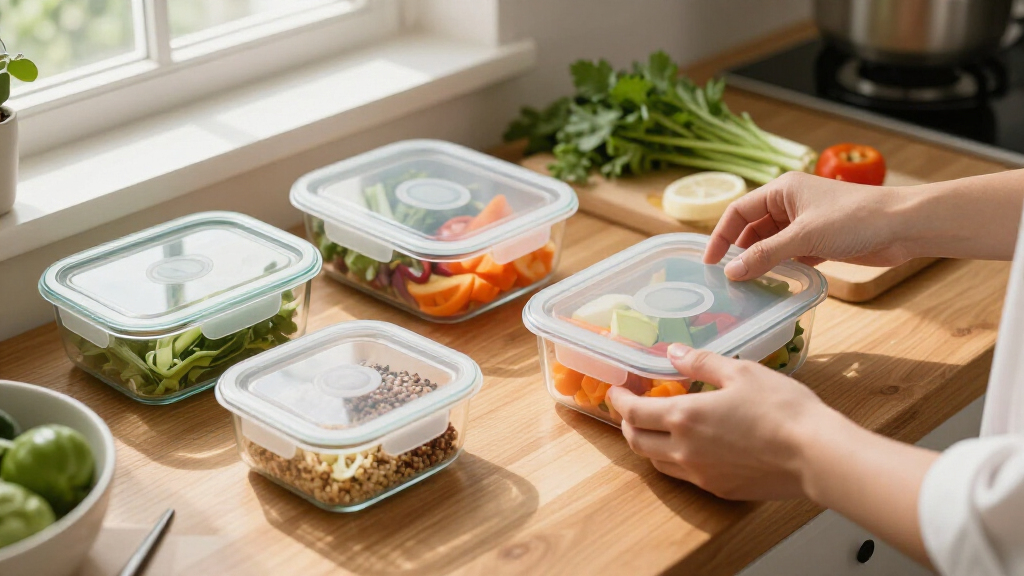

Plant-based meal prep containers split into two camps: genuinely eco-friendly cornstarch-based boxes and conventional BPA-free plastic that borrows the healthy-eating label. The 100 Piece 32 oz Cornstarch Salad Containers take the top spot for combining a real plant-based material with the largest usable capacity and the best per-unit price. The Bentgo Prep 20 Piece set stands out for premium build quality and PFAS-free certification, while the Freshware 2-Compartment 15 Pack is the friendliest starting point for beginners who don’t want to commit to 50 or 100 units. The main tradeoffs in this category come down to material authenticity versus durability, compartment count versus single-cavity flexibility, and bulk pricing versus wasted containers if the habit doesn’t stick. Keep reading for the full breakdown of what separated these seven options.

Get health and wellness essentials delivered free with Prime
- Fast, free delivery on millions of items
- Prime Video, Amazon Music and more included
- Member-only deals all year
Key Takeaways
- The 32 oz cornstarch 100-pack won on combined value and capacity — its per-container cost undercuts every smaller set while holding enough for a full plant-based lunch with grains, protein, and vegetables.
- Cornstarch-based containers are more brittle than conventional BPA-free plastic: they microwave and freeze well but crack more easily when dropped or stacked under heavy loads, so durability favors the Bentgo and Freshware picks.
- Compartment count is the biggest usability fork in this roundup — the Freshware 3-compartment 24 oz suits portioned plant-based plates, while single-cavity 28-32 oz boxes better serve grain bowls, salads, and stir-fries that dominate plant-based meal prep.
- The Reli. 30 oz takeout boxes are the cheapest per unit but use conventional plastic, making them a poor fit if plant-based materials are the actual reason for your purchase.
- Buying in bulk only pays off if you prep weekly — a 15-pack beginner set costs more per container but avoids the drawer full of unused boxes that sinks many meal prep routines.


| plant-based meal prep container | Material | Microwave Safe | Capacity | Quantity |
|---|---|---|---|---|
| 100 Piece Meal Prep Containers | 40% cornstarch blend with food-grade PP, BPA-free | Yes (lid off) | 32 oz per container | 100 pieces (50 containers + 50 lids) |
| 50 Pack Food Containers with L | 40% plant-based cornstarch, food-grade PP, BPA-free | Yes (lid off) | 22 oz per container | 50 containers + 50 lids |
| Freshware Meal Prep Containers | BPA-free polypropylene | Yes | 28 oz total | 15 pack with lids |
| Freshware Meal Prep Containers | BPA-free plastic | Yes | 24 oz total | 50 pack with lids |
| Reli. Meal Prep Containers 30 | BPA-free, food-grade plastic | Yes | 30 oz per container | 50 pack with lids |
| Bentgo Prep Meal Prep Containe | Food-safe, PFAS & BPA-free | Yes | — | — |
| 100 Piece | 40% plant-based cornstarch and food-grade polypropylene, BPA-free | Yes (lid must be removed) | 28 oz | 50 containers and 50 lids (100 pieces total) |
More Details on Our Top Picks
100 Piece Meal Prep Containers with Lids, 32 oz Reusable Cornstarch-Based Salad Containers
Buying in volume is where this set earns its spot. With 50 containers and lids at a generous 32 oz capacity, this cornstarch-based lineup covers weeks of grain bowls, roasted veggie batches, and big salads without constant restocking. Compared with the 50 Pack 22oz Cornstarch Lunch Boxes, the larger capacity and doubled piece count make it the stronger pick for anyone prepping five or more plant-based meals per week. The 40% cornstarch blend cuts plastic content noticeably, which matters if reducing waste is part of why you eat plant-based in the first month. The tradeoff is durability — the plant-based material flexes more than the BPA-free PP in the Freshware 2-Compartment containers, and lids must come off before microwaving.
Pros:- Largest plant-based capacity in this lineup at 32 oz per container
- 50 containers means fewer wash cycles between prep sessions
- 40% cornstarch content genuinely reduces plastic waste
- Wide -4°F to 248°F range handles freezer storage and hot food
Cons:- Lids must be removed before microwaving, which is inconvenient at work
- Plant-based blend is less durable than conventional PP and may crack sooner
Best for: Dedicated weekly meal preppers who cook large plant-based batches and want enough containers to skip mid-week washing
Not ideal for: People who microwave lunches at work daily — the mandatory lid removal and softer material get tedious fast
- Material:40% cornstarch blend with food-grade PP, BPA-free
- Capacity:32 oz per container
- Quantity:100 pieces (50 containers + 50 lids)
- Temperature Range:-4°F to 248°F
- Microwave Safe:Yes (lid off)
- Freezer Safe:Yes
- Dishwasher Safe:Yes
Our verdict“If you prep plant-based meals in bulk and want eco-friendlier storage at scale, this 50-pack is the most sensible starting point.”
50 Pack Food Containers with Lids, 22oz Reusable Plant-Based Cornstarch Lunch Boxes
This 22 oz set is the budget-friendly middle ground for plant-based eaters who don’t need enormous containers. At 8×6×2 inches, it fits a grain-and-vegetable lunch without the empty headspace you get in the 32 oz cornstarch containers above, which matters if you’re portioning lighter meals like soups or Buddha bowl components. The same 40% cornstarch material keeps the eco story intact at a lower per-container cost, and the snap-on lids held up in transit scenarios where flat single-compartment designs shine. The flip side: these are single-compartment boxes, so unlike the Freshware 3-Compartment 24 oz pack, sauce and grains share space unless you use separate containers.
Pros:- Lower cost per container than the larger cornstarch sets
- 22 oz size reduces wasted space for moderate plant-based portions
- Leak-proof snap-on lids suit commute and takeout use
- Same 40% plant-based cornstarch content as premium picks
Cons:- Single compartment means sauces and solids mix together
- 8×6 inch footprint may be too large for very small servings or compact lunch bags
- Lid must be removed before microwaving
Best for: Budget-conscious preppers packing single-dish plant-based meals like curries, chilis, and pasta
Not ideal for: Anyone who likes components separated — with no compartments, dressings and grains mix by lunchtime
- Material:40% plant-based cornstarch, food-grade PP, BPA-free
- Capacity:22 oz per container
- Quantity:50 containers + 50 lids
- Dimensions:8 × 6 × 2 inches
- Temperature Range:-4°F to 248°F
- Microwave Safe:Yes (lid off)
- Freezer Safe:Yes
Our verdict“The smart pick if you want plant-based materials at a lower price and don’t need compartmentalized meals.”
Freshware Meal Prep Containers [15 Pack] 2 Compartment with Lids, Bento Box Style (28 oz)
2 Compartment with Lids, Bento Box Style (28 oz)” image=”https://m.media-amazon.com/images/I/71br9Gt7jRL._AC_SY300_SX300_QL70_ML2_.jpg” link=”0″]Best for Beginners
View Latest PriceFifteen containers is the right starter quantity — enough to trial a meal prep habit without committing storage space or cash to a 50-pack. The two-compartment bento layout separates a plant-based main from a side, which the single-compartment 22oz cornstarch boxes can’t do, and the conventional BPA-free PP is noticeably stiffer than cornstarch blends, so lids survive repeated use. Compared with the Freshware 3-Compartment 50 Pack, this one trades finer portion separation for simplicity and a smaller upfront spend. The catch is scale: once you’re prepping for a family or a full work week, 15 containers run out fast and the per-unit economics turn against you.
Pros:- Two compartments keep plant-based mains and sides separate
- Tough conventional PP outlasts cornstarch-based alternatives
- Dishwasher, microwave, and freezer safe with no lid-removal fuss in normal use
- Low upfront cost to trial meal prepping
Cons:- Highest per-container cost in this lineup
- 28 oz split across two compartments limits large appetites
Best for: Meal prep newcomers testing the habit, or solo preppers doing 2-3 lunches per week
Not ideal for: Families or full-week preppers — 15 containers disappear in days and cost more per unit than bulk packs
- Quantity:15 pack with lids
- Compartments:2 (bento style)
- Capacity:28 oz total
- Material:BPA-free polypropylene
- Color:Black
- Temperature Range:-40°F to 250°F
- Dishwasher Safe:Yes
- Microwave Safe:Yes
Our verdict“The low-commitment entry point for anyone curious about plant-based meal prep without a 50-container investment.”
Freshware Meal Prep Containers [50 Pack] 3 Compartment Food Storage Containers (24 oz)
3 Compartment Food Storage Containers (24 oz)” image=”https://m.media-amazon.com/images/I/815h9jXh+RL._AC_SY300_SX300_QL70_FMwebp_.jpg” link=”0″]Best for Portion Control
View Latest PriceThree compartments is the structure that portion-controlled plant-based eating demands — grains, protein, and vegetables each get a defined lane. This 50-pack scales the beginner-friendly Freshware formula for committed preppers, and it’s the only conventional-plastic option here with true multi-compartment design, since the Reli. 30 oz two-compartment boxes offer one less division. The tradeoff is density: 24 oz spread across three sections caps each at roughly 8 oz, which suits calorie-conscious eaters but frustrates anyone packing hearty legume bowls. Unlike the cornstarch options, this standard PP resists cracking but picks up turmeric and tomato stains over months of use — a real annoyance for brightly spiced plant-based cooking.
Pros:- Three-compartment layout enforces portion discipline without weighing food
- 50-pack supports full-family or full-week prep cycles
- Durable reusable PP with dishwasher, microwave, and freezer rating
- Stackable design keeps fridge and cabinet shelves organized
Cons:- Compartment sizes too small for large or high-calorie plant-based meals
- Plastic stains and holds odors from turmeric, tomato, and garlic over time
Best for: Preppers following structured portion plans who want macros visually separated at scale
Not ideal for: Big-appetite eaters or fans of saucy curries — compartments run small and stain easily
- Quantity:50 pack with lids
- Compartments:3
- Capacity:24 oz total
- Material:BPA-free plastic
- Temperature Range:-40°F to 250°F
- Dishwasher Safe:Yes
- Microwave Safe:Yes
- Freezer Safe:Yes
Our verdict“The go-to for portion-controlled plant-based eating at bulk scale, as long as staining doesn’t bother you.”
Reli. Meal Prep Containers 30 oz (50 Pack) – Takeout & Carryout Food Boxes
Shaped like classic takeout boxes, this set is built around transport. The wide 8.7 × 5.9 footprint and 30 oz split across two compartments mimic restaurant carryout format, which is why small food businesses and meal-delivery preppers favor it over rounded meal-prep shapes like the Freshware bento boxes. The leak-proof lid seal handles soupy plant-based dishes — stews, dals, coconut curries — better than the snap lids on the 22oz cornstarch pack. Two gaps hold it back from a higher rank: dishwasher safety isn’t specified, forcing hand-washing at volume, and the plastic carries no plant-based content, weakening the eco appeal that anchors this roundup’s theme.
Pros:- Takeout-style shape stacks and packs efficiently for delivery or gifting
- 30 oz two-compartment capacity fits generous plant-based mains plus sides
- Leak-proof lids contain liquid dishes like dals and stews
- 50-pack pricing suits commercial or high-volume use
Cons:- No plant-based material content despite the roundup’s eco focus
- Dishwasher safety not specified, adding hand-wash labor
- Lid durability over long-term reuse is unverified
Best for: Small plant-based meal businesses, food gifting, or preppers prioritizing leak-proof transport of saucy dishes
Not ideal for: Eco-focused buyers — zero plant-based content and unverified dishwasher safety undercut the green angle
- Capacity:30 oz per container
- Quantity:50 pack with lids
- Dimensions:8.7 × 5.9 × 1.9 inches
- Material:BPA-free, food-grade plastic
- Temperature Range:-14°F to 230°F
- Microwave Safe:Yes
- Freezer Safe:Yes
- Dishwasher Safe:Not specified
Our verdict“Choose this for transport-heavy or small-business use; skip it if plant-based materials are your main buying criterion.”
Bentgo Prep Meal Prep Containers with Lids, 20 Piece, PFAS & BPA-Free
Where most options in this roundup — like the 50 Pack Plant-Based Cornstarch Lunch Boxes — prioritize sheer volume, this Bentgo set takes a different approach: fewer containers, but each one engineered for deliberate portioning. The embossed measurement markings inside each 4-cup container remove the guesswork from plating grains, legumes, and roasted vegetables, which matters if you’re following a structured plant-based meal plan rather than just stashing leftovers. Compared with the Reli. 30 oz Takeout Boxes, which are built for single-portion grab-and-go, these offer more capacity and a more polished, brand-backed design at a higher per-container cost. The tradeoff is scale: twenty pieces fills up fast if you prep a full week of lunches plus dinners. The hand-wash-only lids also add friction the fully disposable-style alternatives avoid.
Pros:- Embossed measurements make portion control effortless without extra tools
- PFAS- and BPA-free construction from a recognized brand
- Stackable design keeps fridge and cabinet storage tidy
- Full appliance compatibility: microwave, freezer, and dishwasher safe
Cons:- Lids hold up best with hand-washing, adding cleanup time
- 4-cup fixed size can feel limiting for larger meals or batch soups
- Higher cost per container than bulk cornstarch-based packs
Best for: Home cooks following structured plant-based meal plans who value measured portions and a trusted brand over bulk quantity
Not ideal for: Bulk preppers or anyone feeding a household for a full week — 10 containers won’t stretch far enough, and the hand-washed lids slow cleanup
- Material:Food-safe, PFAS & BPA-free
- Number of Pieces:20 (10 containers + 10 lids)
- Capacity per Container:4 cups
- Dishwasher Safe:Yes
- Microwave Safe:Yes
- Freezer Safe:Yes
- Special Feature:Embossed portion measurements
Our verdict“This pick makes the most sense for disciplined meal planners who want measured portions and brand-name durability rather than a bulk stash of disposable-style tubs.”
100 Piece (50 Pack) Meal Prep Containers with Lids, 28 oz Cornstarch Food Storage Containers, Plant-Based Lunch Box for Salad, BPA Free Plastic, Microwave and Freezer Safe
At 40% plant-based cornstarch content, this 50-pack leans harder into sustainability than any other option here, including the similar 100 Piece 32 oz Cornstarch-Based Salad Containers, which it matches on material philosophy but undercuts on price per container. The snap-on lids are the real differentiator against softer-sided alternatives like the Reli. Takeout Food Boxes: they seal firmly enough for salad dressings and soups in transit, which makes this set viable for office lunches rather than just fridge storage. That said, the compromises are real. You’ll need to remove the lid before microwaving, and the manufacturer is silent on dishwasher safety — a genuine annoyance if you’re washing dozens of these weekly. The single-compartment 28 oz format also means no built-in sauce separation, unlike the Freshware 2-Compartment bento boxes.
Pros:- 40% cornstarch content reduces reliance on virgin petroleum plastic
- Leak-resistant snap-on lids handle dressings and liquids in transit
- Wide -4°F to 248°F temperature range covers freezer to reheating
- Bulk 50-pack delivers a low per-container cost for heavy-volume prep
Cons:- Lids must be removed before microwaving, slowing reheating
- No dishwasher-safety information, leaving cleaning methods uncertain
- Single-compartment design offers no sauce or ingredient separation
Best for: Eco-conscious bulk preppers and small food businesses that need dozens of affordable, leak-resistant containers for salads and leftovers
Not ideal for: Anyone who microwaves lunches at work daily — the mandatory lid removal and unclear dishwasher rating make reheating and cleanup clunky
- Quantity:50 containers and 50 lids (100 pieces total)
- Capacity:28 oz
- Material:40% plant-based cornstarch and food-grade polypropylene, BPA-free
- Temperature Range:-4°F to 248°F
- Microwave Safe:Yes (lid must be removed)
- Freezer Safe:Yes
- Dishwasher Safe:Not specified
- Lid Type:Snap-on, leak-resistant
Our verdict“If sustainability in numbers is the priority and you don’t mind lid-off reheating, this bulk cornstarch set beats pricier competitors on eco-credentials and per-unit price.”
How We Picked
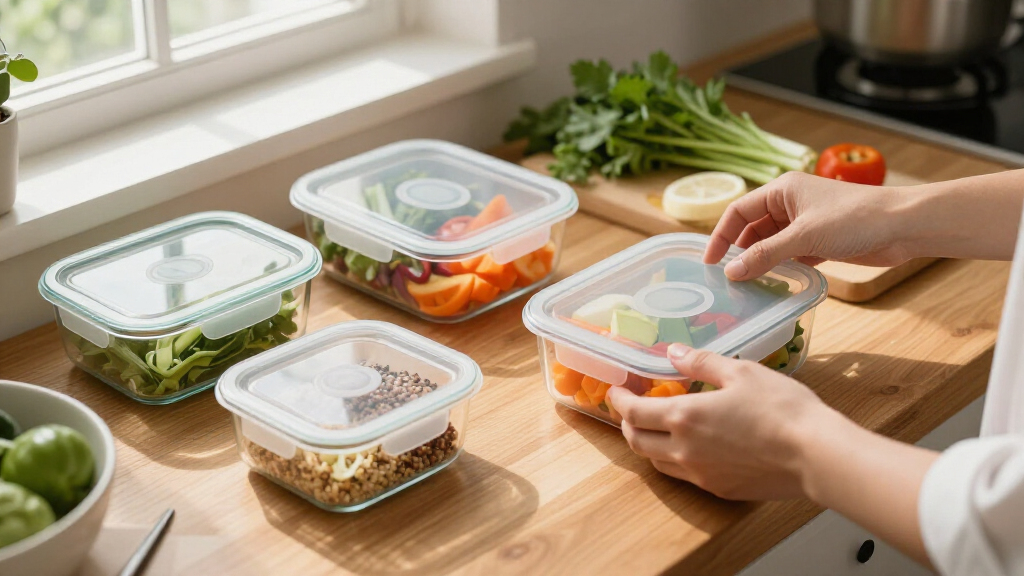
I evaluated these seven containers through the specific lens of plant-based meal prep: material composition, capacity for typical plant-based meals, reheating performance, and real cost per container. Material came first — products made from actual cornstarch-based plant materials ranked higher than conventional BPA-free plastic for readers whose purchase is driven by sustainability. Capacity and shape mattered next, because plant-based meals tend to be higher in volume than omnivore plates, so a 20 oz box often falls short where a 28-32 oz box works.
From there, I weighed versatility across the prep cycle — freezer storage, microwave reheating, dishwasher tolerance, and stackability in a crowded fridge — against price per unit at each set size. Durability reports, lid seal reliability, and compartment layout separated otherwise similar sets. The ranking favors products that balance these factors for weekly meal preppers, with specific picks reserved for beginners, budget buyers, and premium buyers at the end.
| plant-based meal prep container | Temperature Range | Microwave Safe | Dishwasher Safe |
|---|---|---|---|
| 100 Piece Meal Prep Containers | -4°F to 248°F | Yes (lid off) | Yes |
| 50 Pack Food Containers with L | -4°F to 248°F | Yes (lid off) | — |
| Freshware Meal Prep Containers | -40°F to 250°F | Yes | Yes |
| Freshware Meal Prep Containers | -40°F to 250°F | Yes | Yes |
| Reli. Meal Prep Containers 30 | -14°F to 230°F | Yes | Not specified |
| Bentgo Prep Meal Prep Containe | — | Yes | Yes |
| 100 Piece | -4°F to 248°F | Yes (lid must be removed) | Not specified |
Factors to Consider When Choosing Plant-based Meal Prep Containers
Before picking a set, it helps to understand what actually varies across plant-based meal prep containers — and where buyers most often regret their choice.Plant-Based Material Claims: What Actually Matters
Not every container marketed alongside plant-based eating is made from plants. True cornstarch-based containers replace a portion of petroleum plastic with plant starch, which lowers the fossil-fuel footprint but usually costs rigidity in return — expect more flex and slightly shorter lifespans than pure polypropylene. Some listings use “plant-based” to describe the diet the container suits, not the material, so check the product description for cornstarch, bioplastic, or PLA mentions. If sustainability is your main motivation, this distinction is the single biggest factor in whether your purchase delivers on its promise. If it isn’t, conventional BPA-free plastic will survive more drops and dishwasher cycles.
Capacity: Plant-Based Meals Run Larger
A 20 oz container comfortably fits a standard omnivore lunch, but plant-based meals built on grains, legumes, and vegetables take up noticeably more volume for the same calories. A grain bowl with quinoa, roasted vegetables, and tahini dressing easily clears 28 oz, and salads with hearty greens push toward 32 oz. Undersizing is the most common mistake I see buyers make — they save a little per container and end up packing food into two boxes instead of one. My general guidance: 28-32 oz for main meals, 22 oz only if you prep lighter snacks or smaller portions. When comparing prices, compare cost per ounce of capacity, not just per container.
Compartments Versus Single Cavity
Compartments force a plating style. Three-compartment containers shine for portioned plates — protein, starch, vegetable — and for anyone controlling macros, but they’re awkward for grain bowls, soups, curries, and saucy stir-fries, which describe a large share of plant-based cooking. Single-cavity containers accept everything but give up separation, which matters if you hate your dressing soaking your croutons by day three. A practical middle path many preppers take: buy one compartment set and one single-cavity set and assign each to different meal types. If you can only buy one, match the format to the three meals you actually cook most often, not the meals you aspirationally plan.
Set Size and the Habit Question
Buying 100 containers only makes sense if you prep 10-15 meals weekly, because a bulk set for an occasional prepper becomes clutter with an expiration date. A 15-pack covers roughly three meals a day for a five-day week with spares for the dishwasher lag, which is why smaller sets earn their higher per-unit cost for beginners. There’s also a breakage reality: cornstarch-based containers crack more often, so a 100-pack effectively functions as a 70-80 pack over a year. Price per container only tells part of the story — price per container you actually use is the number worth optimizing.
Freezer, Microwave, and Dishwasher Behavior
Most containers in this category advertise all three, but performance differs under real conditions. Reheating is where cheap plastic warps and where cornstarch materials can soften, so vent the lid and use medium microwave power to extend lifespan. Freezer storage is generally safe across the board, though lids become more brittle at freezer temperatures and crack when levered off too quickly. Dishwasher tolerance separates premium sets like the Bentgo from bargain takeout-style boxes — repeated hot wash cycles degrade lid seals on cheaper options, and a leaking lid turns a work bag into a mess. Hand-washing lids is the single easiest habit for stretching any set’s life.
When to Pay More for a Premium Set
Premium containers justify their price through durability, certification, and seal quality — PFAS-free claims, stiffer lids, and gasketed edges that survive months of reuse rather than weeks. If you prep daily and cycle containers hard, a smaller premium set can outlast several bulk cheap sets and cost less over two years. But if you lose containers to the office fridge, give containers away with leftovers, or are still testing whether meal prep fits your routine, cheap bulk sets are the rational buy. Pay up only when the failure mode of your current containers is breakage or leaks, not boredom.
Frequently Asked Questions
Are cornstarch-based containers actually better for the environment than regular BPA-free plastic?
Partially, and it depends on your disposal route. Cornstarch-based containers reduce petroleum content and sometimes industrial compost, but most won’t break down in a home compost pile or landfill any faster than conventional plastic. Their real environmental edge comes at manufacture — less fossil feedstock — rather than at disposal. If your local facility accepts bioplastics, the benefit is much larger; if it doesn’t, you’re buying a modest improvement rather than a solution. Either way, since meal prep containers are designed for many reuses, longevity matters as much as material: a cornstarch container used 30 times beats a conventional one cracked after five.
How many meal prep containers do I actually need for a week of plant-based meal prep?
A good baseline is your weekly prepped meal count plus about 25 percent for spares. Prepping five lunches means buying seven to eight containers; prepping lunch and dinner for five days means ten to thirteen. The spare margin covers containers still in the dishwasher, ones holding leftovers, and the inevitable crack or lost lid. This math is why 15-packs suit most solo preppers while 50 and 100-packs only make sense for families or multi-week freezer batching. Buying far beyond your real count tends to create storage clutter rather than savings.
Can these containers handle freezer-to-microwave reheating without cracking?
Yes, most of the containers in this roundup are rated for both freezer and microwave use, but the transition itself is where damage happens. Going straight from freezer to high-power microwave creates thermal shock that stresses lids and corners, especially on cornstarch-based materials. Let the container rest a few minutes at room temperature, loosen or remove the lid, then reheat at medium power in short intervals. Also expect some lid condensation and slight softening of bioplastic bodies when hot — they recover stiffness as they cool. Following that routine, both material types in this lineup handle the freezer-to-fridge-to-microwave cycle for dozens of uses.
Are single-compartment or multi-compartment containers better for plant-based meal prep?
It depends on what you cook, and this is the biggest style fork in the category. Plant-based meal prep leans heavily on one-dish formats — grain bowls, curries, chilis, pasta bakes, and salads — which fit single-cavity 28-32 oz containers far better. Multi-compartment boxes earn their keep when you meal prep plated components, keep sauces separate, or pack for kids who dislike foods touching. Compartment dividers also slightly reduce effective capacity, so a 24 oz three-compartment box holds less food than it sounds like it should. If you’re unsure, start with a small single-cavity set, since it’s the more flexible format for most plant-based cooking.
Is it worth paying more for Bentgo versus a 50-pack of cheaper containers?
It’s worth it if durability and leak resistance are your pain points, and not worth it if you’re still forming the meal prep habit. Bentgo’s per-container cost runs several times higher than bulk cornstarch packs, but you get stiffer construction, better lid seals, and PFAS-free certification — meaningful if you reheat daily and transport soups or saucy dishes. The cheap bulk route wins for freezer batching, sharing meals, or accepting that some containers will be lost or cracked. A reasonable compromise many buyers land on: a small premium set for weekday work lunches and a bulk pack for freezer storage and overflow.
Conclusion
Matching the right container to your routine matters more than any single spec. For best overall, the 100 Piece 32 oz Cornstarch Salad Containers balance genuine plant-based materials, generous capacity, and the lowest effective cost per meal. The 100 Piece 28 oz Cornstarch set takes best value for buyers who want similar capacity in a slightly smaller footprint at a bargain price. For best premium, the Bentgo Prep 20 Piece set justifies its cost through durability, seal quality, and PFAS-free certification — the right call for daily commuters and soup-packers. Beginners should start with the Freshware 2-Compartment 15 Pack, which keeps the commitment small while testing whether compartment-style prep suits them. For specific needs: the Freshware 3-Compartment 50 Pack serves macro-focused families, the 22 oz 50 Pack fits lighter portions and snack prep, and the Reli. 30 oz takeout boxes are the cheapest bulk option for freezer batching — just know they’re conventional plastic rather than a plant-based material. Whatever you choose, size your purchase to the number of meals you actually prep, and the containers will pay for themselves within a few weeks.
Cold & flu season Picks
humidifiers
As an affiliate, we earn on qualifying purchases.