
If you’re looking to replace dairy with greens that pack more calcium, choose options like collard greens, kale, and bok choy. These leafy vegetables contain higher calcium levels per serving than milk and have better absorption rates, especially when cooked or paired with vitamin D sources. Incorporating them into your meals can boost your calcium intake naturally. Keep exploring, and you’ll discover even more tasty ways to meet your nutritional needs without dairy.
Key Takeaways
- Cooked collard greens provide more calcium per serving than a glass of milk.
- Greens like kale and bok choy have high calcium content with lower oxalates, enhancing absorption.
- Incorporating greens into meals, such as smoothies or salads, boosts calcium intake without dairy.
- Combining greens with vitamin D sources improves calcium absorption from plant foods.
- Fortified plant-based milks and juices offer additional calcium-rich, dairy-free options.
Ever wondered if you can get enough calcium without relying on dairy? The answer is yes, especially when you explore plant-based sources that pack a punch with calcium content. Many greens and vegetables are surprisingly rich in calcium, and they often come with additional nutrients that support your overall health. Incorporating these into your diet can help you meet your daily calcium needs without sacrificing your plant-based lifestyle or preferences.
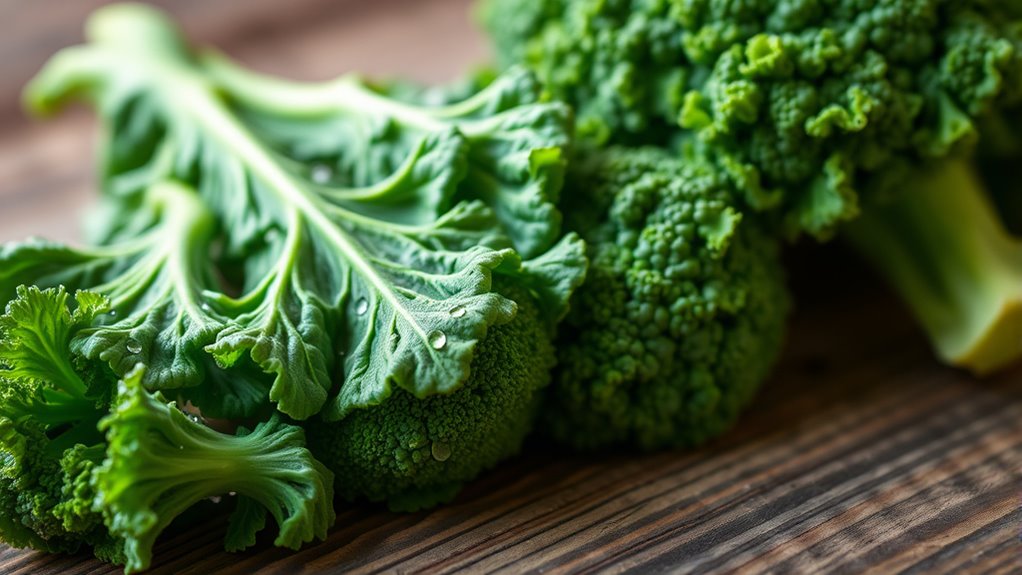
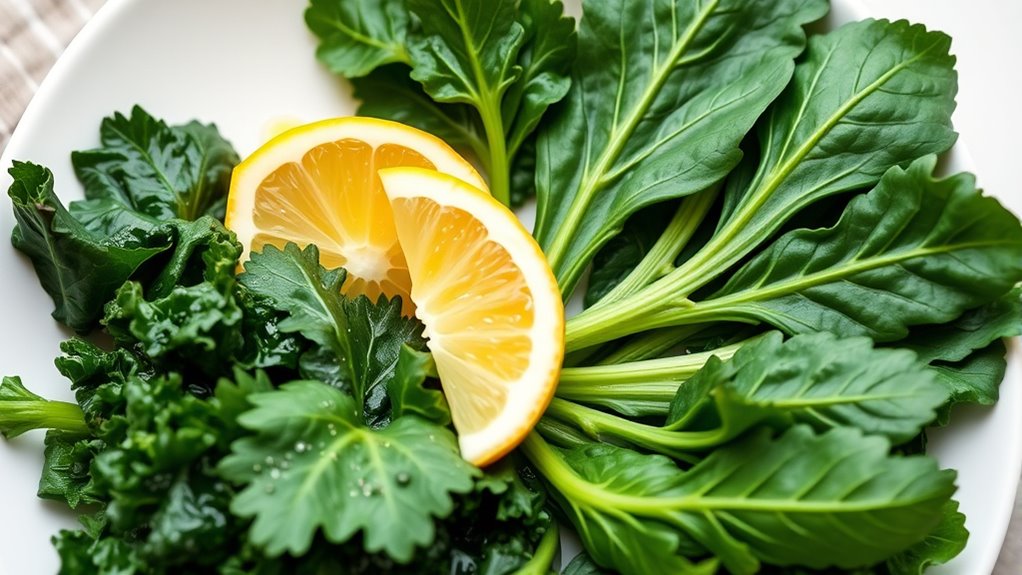
Leafy greens like collard greens, bok choy, turnip greens, and kale are excellent calcium sources. For example, cooked collard greens contain more calcium per serving than a glass of milk, making them a powerful choice. These greens not only deliver impressive calcium amounts but also come with fiber, antioxidants, and vitamins that promote overall well-being. When choosing greens, keep in mind that calcium absorption can vary depending on the type of green and how it’s prepared. Some greens contain oxalates, naturally occurring compounds that can bind calcium and inhibit its absorption. For instance, spinach is high in calcium but also contains oxalates, which reduce calcium bioavailability. Conversely, greens like kale and bok choy have lower oxalate levels, allowing for better calcium absorption. Hence, choosing greens with lower oxalates can maximize the benefits of plant-based calcium sources.
Incorporating these greens into your meals is straightforward. Add kale to smoothies, toss collard greens into salads, or sauté turnip greens as a side dish. Combining these with other vitamin D-rich foods or supplements can further enhance calcium absorption, as vitamin D plays a vital role in calcium uptake in your body. Remember, calcium isn’t just about the quantity you consume; it’s also about how well your body can absorb and utilize it. Eating greens alongside sources of vitamin D or with healthy fats can boost calcium absorption, ensuring you get the most out of your plant-based calcium sources.
Beyond leafy greens, other plant-based foods like broccoli, broccoli rabe, and certain beans also contribute calcium to your diet. Fortified plant milks and juices are additional options if you’re seeking variety. The key is to diversify your intake, combining greens with other calcium-rich foods to meet your daily requirements effectively. By understanding which plant-based sources offer the best calcium absorption, you can create a balanced, dairy-free diet that supports strong bones and overall health. So, yes, you can thrive on greens and other plant foods, enjoying their nutritional benefits without relying on dairy.
![NatureWise Calcium Citrate 500mg Capsules - Supplement for Bone Health - Easy to Digest & Absorb - Vegan, Non-GMO, Gluten-Free - 90 Count[30-Day Supply]](https://m.media-amazon.com/images/I/41Vw+Hdvp6L._SL500_.jpg)
NatureWise Calcium Citrate 500mg Capsules – Supplement for Bone Health – Easy to Digest & Absorb – Vegan, Non-GMO, Gluten-Free – 90 Count[30-Day Supply]
- Supports Bone Strength: Promotes healthy bone density and mineralization
- High Potency Dose: Contains 500mg of calcium per capsule
- Easy to Digest: Gentle on stomach and easily absorbed
As an affiliate, we earn on qualifying purchases.
As an affiliate, we earn on qualifying purchases.
Frequently Asked Questions
Can Plant-Based Calcium Sources Meet Daily Recommended Intake?
Yes, plant-based sources can meet your daily calcium needs, but it depends on the calcium bioavailability. Many greens like collard greens, bok choy, and broccoli provide substantial calcium, and their bioavailability is often better than you might expect. To guarantee you reach your recommended intake, include a variety of these greens regularly in your diet. Combining them with vitamin D-rich foods can also help maximize calcium absorption.
Are There Any Risks Associated With High Calcium Intake From Greens?
Think of your body as a delicate garden; too much calcium from greens can be like overwatering—causing calcium overdose or greens toxicity. While greens are nutrient powerhouses, excessive intake may lead to kidney stones or interfere with mineral absorption. To avoid risks, enjoy a balanced variety and stick to recommended amounts. Moderation keeps your garden thriving without the danger of calcium overdose or greens toxicity.
How Does Calcium Absorption From Greens Compare to Dairy?
Calcium absorption from greens is generally lower than from dairy due to bioavailability differences. You absorb calcium from greens through mechanisms that can be hindered by oxalates and phytates, which bind calcium and reduce its bioavailability. Dairy provides calcium in a more readily absorbable form, making it more efficient for your body. To maximize absorption from greens, include vitamin D-rich foods and prepare greens properly to break down antinutrients.
Can Greens Prevent Osteoporosis as Effectively as Milk?
Yes, greens can support bone health and help prevent osteoporosis, often as effectively as milk. They provide essential nutrients like calcium, magnesium, and vitamin K, which work together through nutrient synergy to strengthen bones. Including a variety of greens like kale, bok choy, and collard greens in your diet enhances calcium absorption and overall bone strength, making them a great dairy alternative for maintaining healthy bones.
Are There Any Taste or Preparation Tips for Increasing Green Consumption?
To boost green consumption, try flavor enhancement through lemon juice or garlic, which brighten their natural taste. Use preparation techniques like sautéing with olive oil or blending into smoothies with fruits to mask bitterness and improve texture. Experiment with seasonings like nutmeg or chili flakes for added flavor. Incorporating greens into hearty soups or wraps also makes them more appealing, making it easier to enjoy their health benefits daily.

Plant Strong Unsweetened Almond Milk (6-Pack, 32 Fl. Oz.)
- Whole Almond for Rich Flavor: Made from whole almonds for better taste
- Fortified with Essential Nutrients: Contains calcium, B12, and D3 for daily support
- Clean, Plant-Based Ingredients: No gums, oils, or phosphates; vegan and gluten free
As an affiliate, we earn on qualifying purchases.
As an affiliate, we earn on qualifying purchases.
Conclusion
So, next time you think dairy’s the only way to get calcium, remember greens like kale can do the job too. Imagine Sarah, who’s lactose intolerant, switching her milk for a spinach salad daily. Within months, her bones stayed strong, and she felt healthier. You don’t need dairy to meet your calcium needs—just choose nutrient-rich greens. Start incorporating them into your meals and enjoy the benefits of plant-based calcium sources today.

True Organic Herb & Leafy Greens Food – Organic Fertilizer for Abundant Herbs and Greens – 4lb Bag Covers 70 Sq. Ft.
- Supports Lush Growth: Enhances vibrant herb and leafy green growth
- Nutrient-Rich Formula: Contains balanced essential nutrients
- Organic Ingredients: Made from seabird guano, shell meal, manure
As an affiliate, we earn on qualifying purchases.
As an affiliate, we earn on qualifying purchases.
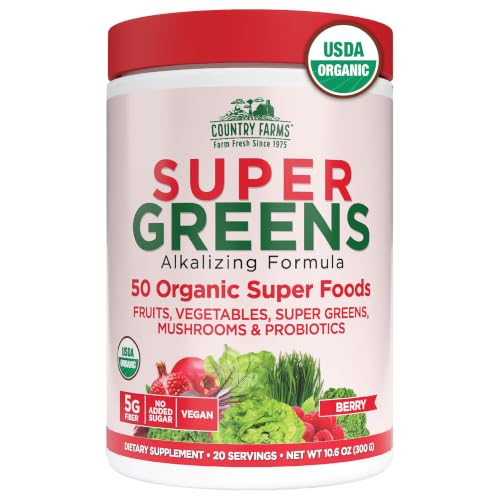
Country Farms Organic Super Greens Powder, Daily Greens Drink Mix with 50 Organic Superfoods, Fruits, Vegetables, Fiber, Mushrooms & Probiotics for Gut Health, Digestion & Energy, Berry Flavor
- Natural Energy Boost: Contains 50 organic superfoods for vitality
- Organic Mushroom Blend: Supports immunity, focus, and energy
- Gut Health Support: Includes probiotics, prebiotics, and fiber
As an affiliate, we earn on qualifying purchases.
As an affiliate, we earn on qualifying purchases.