To build a high-fiber vegan diet, focus on combining plant-based proteins like lentils, chickpeas, and tofu with whole grains such as oats, brown rice, and quinoa. Incorporate fiber-rich snacks like nuts and veggie sticks throughout the day to keep your levels steady. Mixing different plant foods guarantees you get a variety of nutrients and keeps meals interesting. Keep exploring to discover more tips on creating a balanced, satisfying vegan diet.

Get health and wellness essentials delivered free with Prime
- Fast, free delivery on millions of items
- Prime Video, Amazon Music and more included
- Member-only deals all year
Key Takeaways
- Incorporate a variety of plant-based proteins like lentils, chickpeas, tofu, and edamame for essential nutrients and fiber.
- Choose whole grains such as oats, brown rice, and quinoa to boost fiber intake and stabilize blood sugar levels.
- Combine plant proteins with whole grains to create complete, nutrient-dense meals that promote satiety and digestive health.
- Include fiber-rich snacks like nuts, seeds, and veggie sticks throughout the day to maintain consistent fiber levels.
- Vary your food choices regularly to ensure a broad spectrum of nutrients and support long-term dietary adherence.
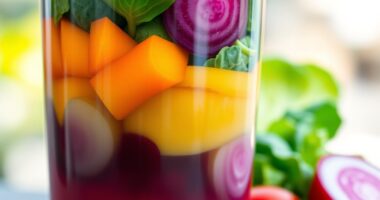
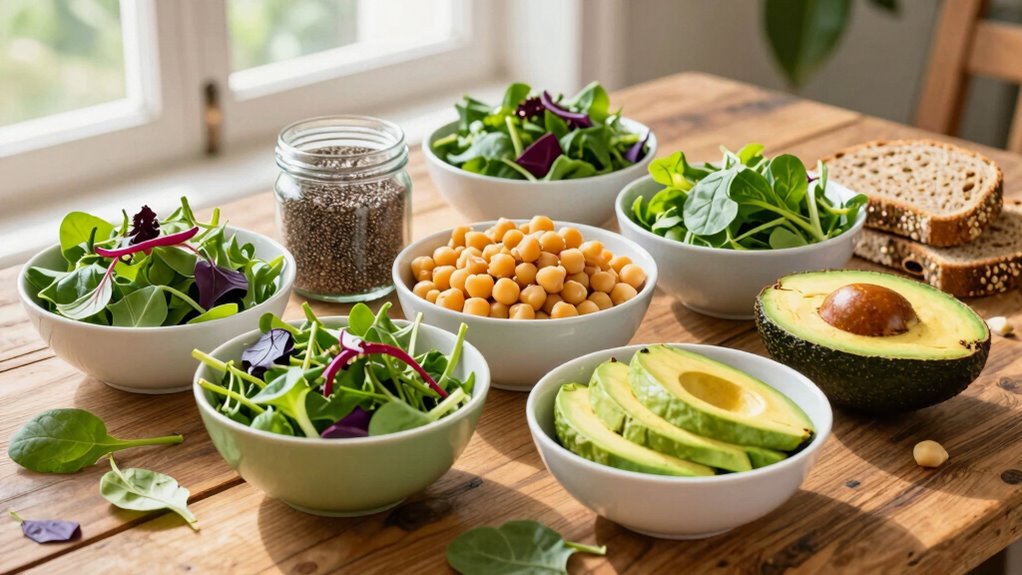
Are you looking for a way to boost your digestion and improve overall health? Embracing a high-fiber vegan diet is a smart step, but knowing how to build it effectively makes all the difference. One key to success is incorporating plant-based proteins into your meals. These proteins don’t just provide essential nutrients; they also come packed with fiber, helping you stay full longer and supporting healthy digestion. Think of lentils, chickpeas, tofu, tempeh, and edamame—they’re versatile, nutrient-dense, and easily integrated into various dishes. By choosing these options, you guarantee your diet is rich in fiber and plant-based proteins, creating a powerful synergy that promotes gut health and sustained energy throughout the day.
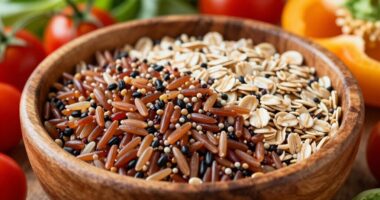
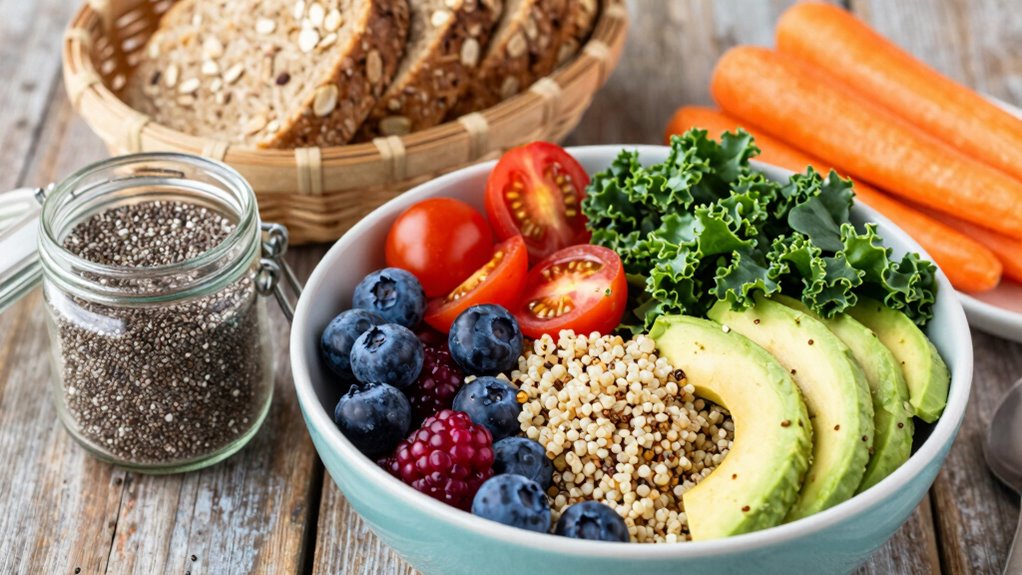
In addition to plant-based proteins, understanding the whole grain benefits is essential. Whole grains like oats, brown rice, quinoa, barley, and whole wheat products are fiber-rich and contain indispensable nutrients that refined grains lack. When you choose whole grains over their processed counterparts, you get more fiber, which helps regulate your bowel movements and prevents constipation. Whole grains also promote a steady release of energy, avoiding blood sugar spikes and crashes. Incorporate these grains into your meals regularly—start your mornings with oatmeal, add brown rice to stir-fries, or enjoy quinoa salads. Not only do these choices boost your fiber intake, but they also supply important vitamins and minerals that support overall health.
Building a high-fiber vegan diet isn’t just about adding more fiber; it’s about making smart, balanced choices. Combining plant-based proteins with whole grains creates complete, satisfying meals that fuel your body and support your digestive system. For example, pairing black beans with brown rice or chickpeas with quinoa gives you a complete protein and a fiber boost. Snack on nuts, seeds, or veggie sticks to keep your fiber levels steady throughout the day. Remember, variety is key—different plant foods offer different types of fiber and nutrients, so mixing it up keeps your diet interesting and nutritionally complete.
high fiber vegan protein sources
As an affiliate, we earn on qualifying purchases.
As an affiliate, we earn on qualifying purchases.
Frequently Asked Questions
Can I Meet All Nutritional Needs on a High-Fiber Vegan Diet?
Yes, you can meet all nutritional needs on a high-fiber vegan diet if you plan carefully. Focus on a variety of plant-based foods to support nutrient absorption and promote digestive health. Incorporate legumes, whole grains, fruits, vegetables, nuts, and seeds. This diversity guarantees you get essential vitamins, minerals, and proteins while maintaining gut health. Regularly monitor your intake and consider supplements if necessary to fill any nutritional gaps.
How Do I Prevent Bloating When Increasing Fiber Intake?
Bloating is like a storm in your gut, but you can calm the weather. To prevent it, increase fiber gradually, giving your digestive health time to adapt. Stay hydrated, as water helps fiber work smoothly. Supporting your gut bacteria with fermented foods or probiotics can also ease bloating. Consistent, gentle changes help your body adjust, turning potential discomfort into a well-functioning, happy gut.
Are There Supplements Necessary for a High-Fiber Vegan Diet?
Supplements aren’t strictly necessary for a high-fiber vegan diet, but fermentation benefits can enhance digestion and nutrient absorption. Consider probiotic supplements to support gut health, especially if you experience bloating. Take supplements like B12 and vitamin D at different times from fiber-rich meals to optimize absorption. Always consult a healthcare professional before adding new supplements, and focus on balanced meals to naturally meet your nutritional needs.
Which Vegan Foods Are Best for Quick Fiber Boosts?
Think of your gut as a busy city needing quick traffic signals—fermentable fibers act like green lights, speeding things up. Reach for fiber-rich snacks like roasted chickpeas, berries, or apple slices, which are packed with fermentable fibers that boost your fiber intake fast. These snacks are your quick-access tools to keep digestion smooth, energize your day, and keep your high-fiber vegan journey on the fast lane.
How Do I Balance Fiber Intake With Low-Calorie Goals?
To balance fiber intake with low-calorie goals, focus on fiber-rich, low-calorie foods like vegetables, berries, and legumes. Incorporate fermentation benefits such as probiotics to improve digestion, aiding fiber absorption. Remember hydration importance; drink plenty of water to prevent bloating and enhance fiber’s effectiveness. By combining these strategies, you can boost fiber intake healthily without exceeding your calorie limits.
whole grain oats brown rice quinoa
As an affiliate, we earn on qualifying purchases.
As an affiliate, we earn on qualifying purchases.
Conclusion
So, here you are, happily munching on those fiber-packed veggies and beans, thinking you’re a health guru. Who knew that embracing a vegan, high-fiber lifestyle would be your secret weapon for digestion and energy? Irony’s sweet, isn’t it? Turns out, the very foods you might’ve once overlooked are now your best friends. Keep enjoying your fiber-filled journey—you’re not just eating healthier; you’re literally feeding your inner superstar!
vegan snack nuts seeds veggie sticks
As an affiliate, we earn on qualifying purchases.
As an affiliate, we earn on qualifying purchases.
plant-based protein tofu edamame
As an affiliate, we earn on qualifying purchases.
As an affiliate, we earn on qualifying purchases.
Halloween Picks
halloween
As an affiliate, we earn on qualifying purchases.