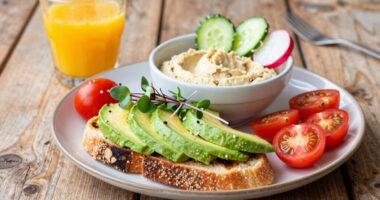
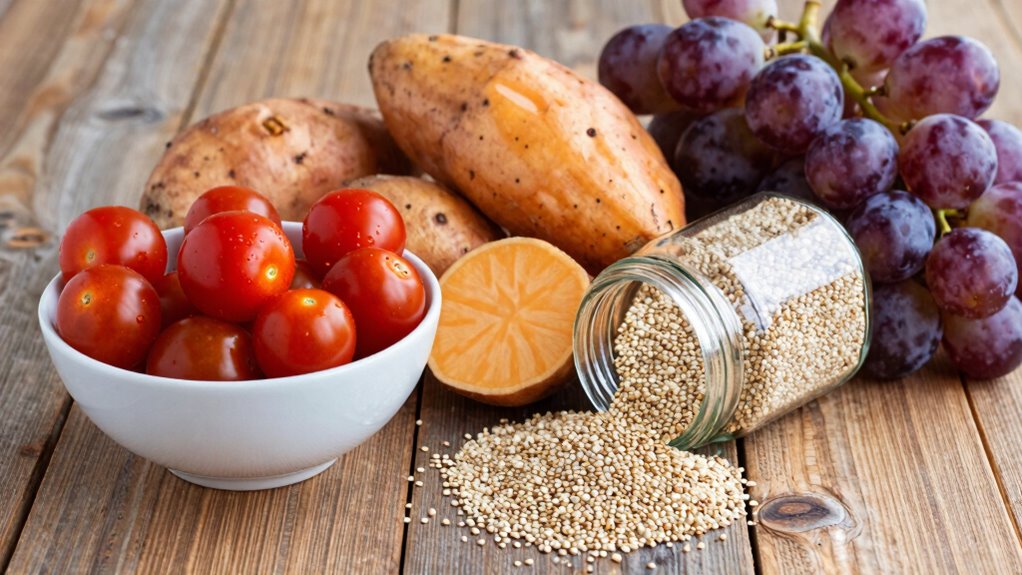

To choose better carbs on a vegan diet, focus on whole, minimally processed foods like legumes, vegetables, and whole grains such as quinoa, brown rice, oats, and barley. Opt for diverse grains to boost nutrients and prevent boredom. Avoid refined carbs and added sugars, using natural sweeteners when needed. Cook from scratch and read labels carefully to limit hidden sugars. Staying mindful of these choices helps support your overall health and keeps your meals exciting—there’s more to discover for balanced, nutritious eating.

Get health and wellness essentials delivered free with Prime
- Fast, free delivery on millions of items
- Prime Video, Amazon Music and more included
- Member-only deals all year
Key Takeaways
- Prioritize whole grains like brown rice, quinoa, oats, and barley over refined grains.
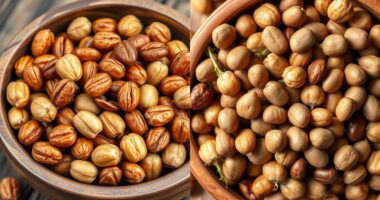
- Incorporate legumes such as lentils, chickpeas, and beans for fiber and nutrient density.
- Choose minimally processed vegetables and fruits to naturally satisfy sweet and savory cravings.
- Read labels to avoid hidden added sugars and opt for natural sweeteners when needed.
- Vary carbohydrate sources to ensure a diverse intake of nutrients and prevent dietary monotony.
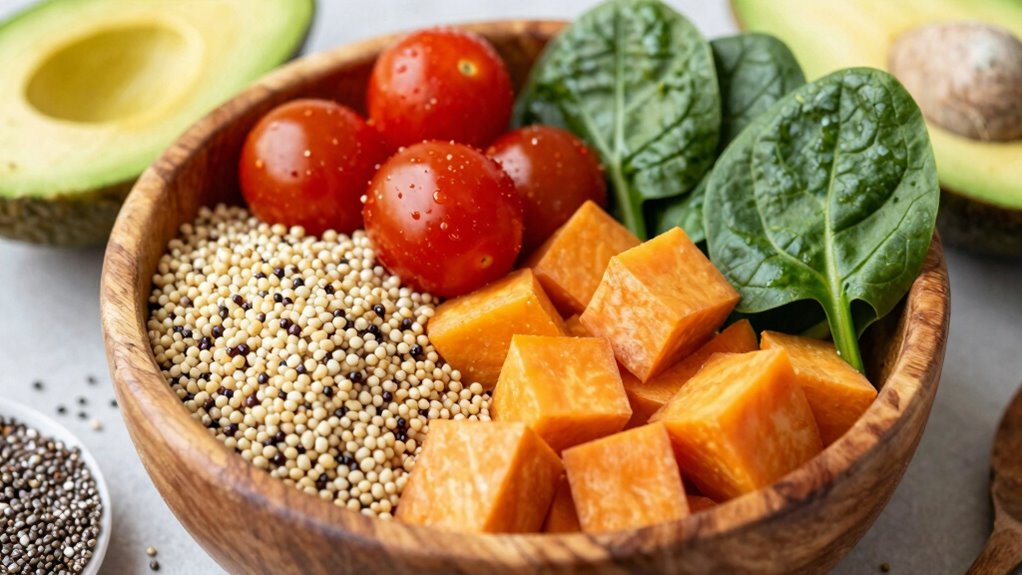
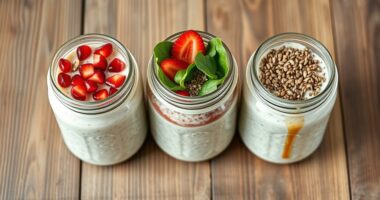
Switching to a vegan diet doesn’t mean you have to settle for bland or unhealthy carbs. In fact, you can enjoy a variety of tasty, nutritious options that support your health and align with your lifestyle. The key is to choose better carbs—those that provide sustained energy, fiber, and essential nutrients without unnecessary sugars or processed ingredients. When exploring grain varieties, you’ll find that whole grains like quinoa, brown rice, oats, and barley are excellent choices. They’re minimally processed and retain their fiber and nutrients, helping you feel full longer and stabilizing your blood sugar levels. These grains also offer a versatile base for many meals, so you won’t feel deprived of flavor or texture. Incorporating a diverse range of grains not only boosts your nutrient intake but also keeps your meals interesting. Regular practice in preparing these grains can also improve your cooking skills and make healthy eating easier to sustain.
Another important aspect of choosing better carbs involves paying attention to sugar alternatives. Many processed foods contain added sugars, which can spike your energy levels temporarily but lead to crashes and cravings later. Instead, look for natural sugar alternatives like stevia, monk fruit, or small amounts of agave syrup when you need a touch of sweetness. These options generally have fewer calories and don’t cause the same blood sugar spikes as refined sugars. When baking or making snacks, experiment with these alternatives to satisfy your sweet tooth in a healthier way. Also, be mindful of labels; many packaged vegan products sneak in hidden sugars or refined carbs, undermining your health goals. Understanding carbohydrate quality can help you make more informed choices and avoid common pitfalls.
Beyond grains and sugar alternatives, focus on incorporating whole foods like legumes, vegetables, and fruits into your carb sources. Lentils, chickpeas, and sweet potatoes are nutrient-dense, filling, and naturally low in processed ingredients. They complement your choice of grains, creating balanced meals that support digestion and overall wellness. When shopping, opt for minimally processed options and read labels carefully to avoid hidden sugars or refined flour. Cooking from scratch allows you to control what goes into your meals, ensuring you maximize the benefits of your carb choices. Additionally, understanding auditory processing and other sensory sensitivities can help you create a more comfortable eating environment, especially if you or your family members experience sensory challenges that affect mealtime.
As an affiliate, we earn on qualifying purchases.
Frequently Asked Questions
Are There Specific Carbs Vegans Should Avoid?
Yes, you should avoid refined carbohydrate sources and processed grain products, as they offer little nutritional value and can spike your blood sugar. Instead, opt for whole grains, fruits, and vegetables, which provide fiber and essential nutrients. Staying away from heavily processed carbs helps you maintain steady energy levels and supports overall health on a vegan diet. Always check labels to spot hidden refined carbs in packaged foods.
How Do Carb Choices Affect Energy Levels?
You are what you eat, so your carb choices directly impact your energy levels. Opt for low glycemic index carbs and consider carb timing to keep your energy steady throughout the day. Eating high-GI carbs can cause energy crashes, while balanced intake prevents dips. By choosing the right carbs and timing them well, you’ll sustain your energy and stay active longer, proving that smart choices make all the difference.
Can Vegan Carbs Help With Weight Management?
Yes, choosing high-quality vegan carbs can help with weight management. Focus on fiber-rich options like whole grains, fruits, and vegetables, which promote better vegan digestion and keep you full longer. Avoid refined carbs that cause spikes in blood sugar and hunger. By prioritizing carb quality, you support steady energy levels, reduce cravings, and make it easier to maintain a healthy weight.
What’s the Best Way to Incorporate More Fiber?
Think of your diet like a garden—adding more fiber is like planting diverse, fiber-rich snacks. To boost fiber intake, include both soluble and insoluble fiber sources like oats, beans, and veggies. Snack on fiber-rich options, and aim for variety to support digestion. Incorporating these foods daily keeps your gut happy, much like a garden thriving with diverse plants. You’ll notice better digestion and sustained energy with consistent fiber intake.
Are Gluten-Free Carbs Better for Vegans?
Gluten-free carbs can be better for vegans if you have gluten sensitivity or celiac disease, as they help avoid digestive issues. They often come from alternative grains like quinoa, rice, or buckwheat, which offer diverse nutrients and fiber. However, not all gluten-free options are healthier—check labels for added sugars or refined ingredients. Incorporate a variety of these grains to guarantee balanced nutrition and enjoy different textures and flavors.
natural sweeteners stevia monk fruit
As an affiliate, we earn on qualifying purchases.
As an affiliate, we earn on qualifying purchases.
Conclusion
Now that you know how to select better carbs, picture your plate bursting with vibrant colors—sweet potatoes, juicy berries, and crunchy whole grains. Imagine each bite fueling your body like a gentle stream nourishing a thriving garden. By choosing these wholesome options, you’re cultivating energy and robustness with every meal. Embrace these nourishing choices, and watch as your vegan journey blossoms into a vibrant, thriving landscape of health and wellness.
As an affiliate, we earn on qualifying purchases.
As an affiliate, we earn on qualifying purchases.
Halloween Picks
halloween
As an affiliate, we earn on qualifying purchases.