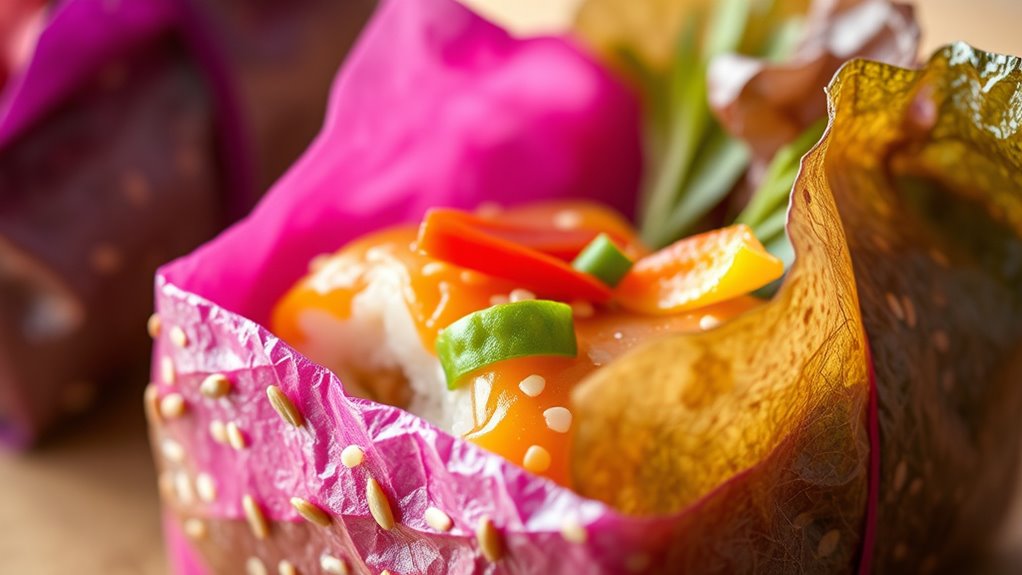

Edible packaging is revolutionizing food delivery by offering a sustainable, zero-waste solution that’s safe to eat and eco-friendly. It combines functionality with natural materials like seaweed and bioplastics, helping reduce waste and environmental impact. As consumer acceptance grows, innovations are making it easier to use without compromising taste or safety. By exploring this emerging technology further, you’ll discover how it’s shaping a cleaner, greener future for food packaging and delivery.
Key Takeaways
- Edible packaging offers a sustainable, biodegradable alternative to traditional plastics, reducing waste in food delivery.
- Natural, food-grade materials like seaweed and rice paper ensure safety and enhance the consumer experience.
- Advances in technology and materials are expanding edible packaging applications for various food products.
- Consumer acceptance depends on taste, safety, and convenience, with education boosting adoption.
- Edible packaging can revolutionize zero-waste food delivery by combining protection, usability, and environmental benefits.
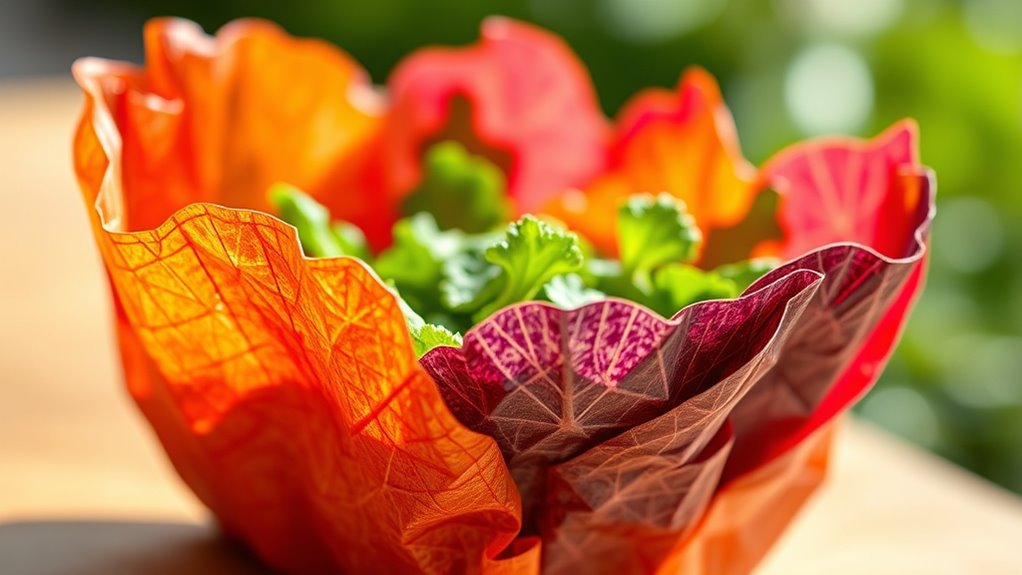
Have you ever wondered if packaging could be both functional and edible? It’s a question gaining momentum as more people seek sustainable solutions to reduce waste. Edible packaging is emerging as a promising answer, blending practicality with eco-friendliness. This innovation relies heavily on the development of innovative materials that serve as both a protective barrier and a consumable item. These materials often include natural substances like seaweed, rice paper, or bioplastics derived from plant fibers, which can be molded into various shapes and sizes. The goal is to create packaging that’s safe to eat, biodegradable, and capable of preserving food freshness. But for edible packaging to truly make an impact, consumer acceptance is vital. People need to feel confident that these materials are safe, tasty, and convenient to use. As new edible packaging products hit the market, consumer perceptions will determine their success or failure. Some may initially hesitate, concerned about the taste, texture, or potential allergens, but education and transparency can dispel these doubts. When consumers understand that these materials are made from natural, food-grade ingredients, they’re more likely to embrace the concept. Manufacturers are also working on flavoring edible packaging to enhance the eating experience, making it a seamless part of the meal rather than an afterthought. Additionally, monitoring and security measures are essential to prevent payment fraud related to transactions in the supply chain or online sales of these innovative products. Adopting innovative materials for edible packaging isn’t just about novelty; it’s about creating a sustainable alternative that can replace traditional plastics. These materials are designed to be versatile, durable enough to protect the food during transportation, yet safe to consume once the product is opened. They often have the added benefit of being compostable or dissolvable in water, further reducing environmental impact. Consumer acceptance hinges on trust and usability—people want packaging that’s easy to handle, doesn’t alter the taste of the food, and aligns with their eco-conscious values. Companies are conducting taste tests, providing transparent information about ingredients, and highlighting the environmental benefits to foster acceptance. As awareness grows, so does the willingness to try edible packaging, especially among younger, environmentally aware consumers. This shift signals a future where packaging isn’t just a barrier but a part of the food experience itself. With ongoing research and technological advancements, edible packaging will become more widespread, blending safety, convenience, and sustainability into one innovative package. The future of food delivery depends on such creative solutions, and with consumer acceptance steadily rising, edible packaging is poised to revolutionize how we think about waste, convenience, and environmental responsibility.
Top picks for "edible packag future"
As an affiliate, we earn on qualifying purchases.
Frequently Asked Questions
What Materials Are Used to Make Edible Packaging?
You’ll find that edible packaging is made from biodegradable alternatives like seaweed, rice paper, and wheat gluten, which are safe to eat and eco-friendly. These materials are chosen for their sustainability and ability to break down naturally. During eco-friendly manufacturing, these ingredients are processed into various forms, creating packaging that reduces waste and minimizes environmental impact, making your food delivery more sustainable and enjoyable.
How Long Does Edible Packaging Last Before Spoilage?
Think of edible packaging as a delicate bloom—its shelf life varies, typically lasting from a few hours to a couple of days. You’ll want to contemplate preservation methods like refrigeration to extend freshness. Factors like ingredients and environmental conditions influence spoilage. To maximize its lifespan, consume or store it promptly, respecting its fleeting nature, just like a beautiful moment that’s gone too soon but leaves a lasting impression.
Is Edible Packaging Safe for People With Allergies?
Edible packaging can be safe for people with allergies if ingredient transparency is prioritized. You should always check ingredient labels for allergy risks, as some packaging might contain allergens like nuts or gluten. It’s essential for manufacturers to clearly disclose ingredients to help you make informed choices. If you have allergies, consult with the provider and avoid packaging with ingredients you’re sensitive to, ensuring your safety while enjoying eco-friendly options.
Can Edible Packaging Be Reused or Recycled?
Think of edible packaging as a fleeting promise, symbolizing sustainability’s potential. You can reuse it if designed for that purpose, but its reusability potential is limited due to material properties. Recycling challenges also exist, as it often can’t be processed alongside traditional waste. So, while edible packaging offers eco-friendly appeal, it’s not always suitable for reuse or recycling, emphasizing the need for thoughtful innovation.
What Are the Cost Differences Compared to Traditional Packaging?
You’ll find that edible packaging generally costs more upfront than traditional packaging, mainly due to specialized materials and production methods. However, the cost comparison shifts when considering the economic impact—reducing waste disposal and environmental cleanup costs. While initial expenses are higher, in the long run, edible packaging could save money by cutting waste management costs and appealing to eco-conscious consumers, making it a smart investment for sustainable businesses.
Conclusion
Imagine a world where your food container is as fleeting as a passing cloud, dissolving harmlessly after use. Edible packaging isn’t just a trend; it’s the dawn of a zero-waste revolution that transforms waste into wonder. By embracing this innovation, you become part of a movement that turns trash into treasure, making sustainability as natural as savoring your favorite meal. Together, we can nourish the planet just as easily as we nourish ourselves.