


Adopting a plant-based diet can help you prevent and manage type 2 diabetes by increasing your intake of fiber-rich fruits, vegetables, and whole grains, which slow sugar absorption and improve insulin sensitivity. These diets are naturally low in saturated fats and refined sugars, reducing inflammation and supporting a healthy gut microbiome. If you want to discover how these dietary choices can make a difference, keep exploring the benefits of plant-based eating for blood sugar control.
Key Takeaways
- Plant-based diets boost fiber intake, slowing sugar absorption and helping maintain steady blood sugar levels.
- They enhance insulin sensitivity, improving how effectively cells respond to insulin.
- Emphasizing whole, minimally processed foods reduces strain on the pancreas and supports weight management.
- Rich in antioxidants and anti-inflammatory compounds, these diets help protect against insulin resistance.
- Promoting a diverse gut microbiome improves overall metabolic health and insulin response.
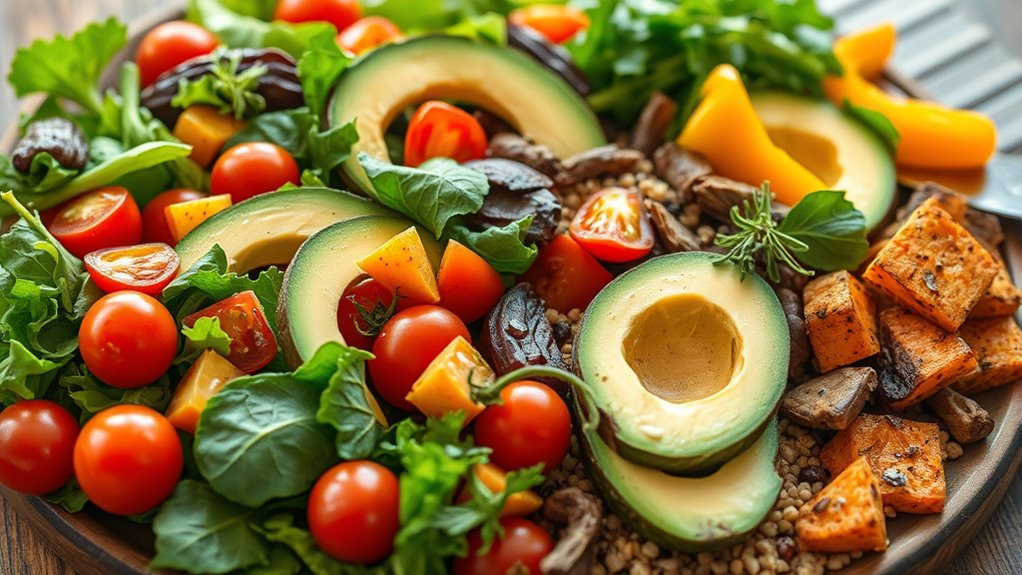
Could adopting a plant-based diet help manage or even prevent type 2 diabetes? Many experts believe it can. One of the main reasons is the impact of plant-based eating on your fiber intake and insulin sensitivity. When you choose more fruits, vegetables, whole grains, nuts, and legumes, you naturally boost your fiber intake. Fiber is essential because it slows down the absorption of sugar into your bloodstream, helping to keep your blood sugar levels steady. This can be especially beneficial if you’re looking to prevent insulin spikes that contribute to insulin resistance, a key factor in developing type 2 diabetes.
Adopting a plant-based diet boosts fiber intake and enhances insulin sensitivity, helping prevent type 2 diabetes.
By increasing your fiber intake through a plant-based diet, you also improve your body’s insulin sensitivity. Insulin sensitivity refers to how effectively your cells respond to insulin, the hormone that helps your body use glucose for energy. When your cells become resistant to insulin, your body needs to produce more insulin to keep blood sugar levels in check, which over time can lead to type 2 diabetes. Consuming more plant-based foods has been linked to enhanced insulin sensitivity, meaning your body can respond better to insulin and regulate blood sugar more efficiently.
Switching to a plant-based diet isn’t just about eating more vegetables; it involves making conscious choices that favor whole, minimally processed foods. These choices are rich in complex carbohydrates, fiber, and essential nutrients while being low in saturated fats and refined sugars. This combination helps reduce the strain on your pancreas and insulin production, lowering your risk of insulin resistance. Additionally, plant-based diets tend to be lower in calories, which can aid in weight management—another important factor in preventing and managing type 2 diabetes.
Moreover, plant-based diets have anti-inflammatory properties, which can further support your insulin sensitivity. Chronic inflammation is linked to insulin resistance, so reducing inflammation through plant-based eating may help keep your body’s responses to insulin healthy. The antioxidants and phytochemicals present in colorful fruits and vegetables also play a role in protecting your cells from oxidative stress, which is another contributor to insulin resistance. Incorporating a variety of plant-based foods can also promote a balanced gut microbiome, which has been shown to influence overall metabolic health and insulin function through gut health.

Metamucil 4-in-1 Psyllium Husk GLP-1 Friendly Fiber Supplement, Sugar-Free, 72 teaspoons, Orange Flavored, Daily Fiber Powder for Digestive Health, made with Plant-Based Psyllium Husk Fiber
4 HEALTH BENEFITS, 1 DAILY FIBER. Metamucil is the only leading fiber brand made with psyllium husk fiber
As an affiliate, we earn on qualifying purchases.
As an affiliate, we earn on qualifying purchases.
Frequently Asked Questions
Can Children Safely Follow a Plant-Based Diet for Diabetes Management?
Yes, children can safely follow a plant-based diet for diabetes management if they receive proper guidance. Focus on child nutrition and guarantee their diet is balanced, rich in essential nutrients like protein, iron, calcium, and vitamins. Collaborate with a healthcare professional or a registered dietitian to monitor diet safety, adjust portions, and prevent deficiencies. This approach supports healthy growth while managing blood sugar levels effectively.
How Does a Plant-Based Diet Impact Medication Requirements for Type 2 Diabetes?
A plant-based diet can lead to medication adjustments for your type 2 diabetes, often reducing insulin requirements. As you adopt this diet, you may notice your blood sugar levels stabilize or decrease, prompting your healthcare provider to reassess your medication. Stay vigilant and communicate regularly with your doctor, as dietary changes can markedly impact your insulin needs and overall medication plan, helping you manage your condition more effectively.
Are There Specific Plant Foods That Help Reverse Type 2 Diabetes?
Some superfood options and fiber-rich foods can help reverse type 2 diabetes. Incorporate foods like berries, leafy greens, and chia seeds, which boost insulin sensitivity. Legumes, whole grains, and cruciferous vegetables also play a crucial role by stabilizing blood sugar levels. By making these choices part of your diet, you support your body’s ability to manage and potentially reverse the condition, leading to better overall health.
What Are the Potential Nutritional Deficiencies in a Plant-Based Diabetic Diet?
Imagine your plate filled with vibrant vegetables and grains, but missing a few crucial colors. You might face deficiencies in essential nutrients like B12, iron, omega-3s, and calcium. To keep your health on track, consider dietary supplementation and diversify your plant foods. This approach guarantees you get all the essential nutrients your body needs while managing your diabetes effectively, preventing gaps that could compromise your well-being.
How Quickly Can One Expect Blood Sugar Improvements After Switching Diets?
You might notice blood sugar changes within a few days to a week after adjusting your diet. The diet adjustment timeline varies depending on your current regimen and adherence, but many people see improvements in blood sugar levels relatively quickly. Consistently choosing whole, plant-based foods helps stabilize your blood sugar, and regular monitoring can show positive trends early on. Stay patient and committed for the best long-term results.
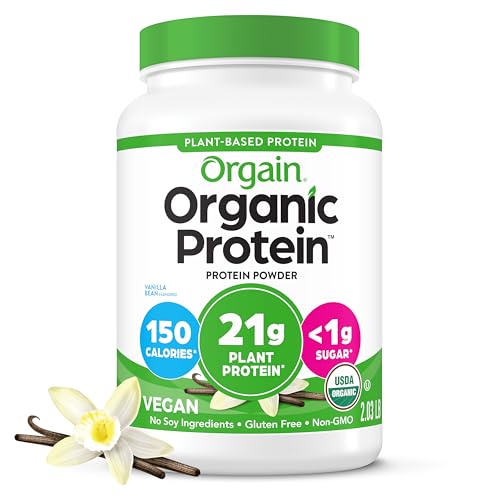
Orgain Organic Vegan Protein Powder, Vanilla Bean – 21g Plant Protein, 6g Prebiotic Fiber, No Lactose Ingredients, No Added Sugar, Non-GMO, For Shakes & Smoothies, 2.03 lb (Packaging May Vary)
CLEANER INGREDIENTS: 21g of Organic plant based protein and 1g sugar. Our protein blend contains Organic peas, brown…
As an affiliate, we earn on qualifying purchases.
As an affiliate, we earn on qualifying purchases.
Conclusion
Embracing a plant-based diet is like planting seeds of hope in your health garden. Each fresh vegetable and whole grain acts as sunlight and water, fueling your journey to prevent or manage type 2 diabetes. As you nurture these choices, you’re tending a lush, resilient landscape of well-being. Remember, every mindful meal is a drop of water, helping your health blossom into vibrant, lasting energy. Your new chapter begins with the simple act of choosing life’s green abundance.

HANAMYA 33 Liter / 50 lbs Rice Storage Container with Measuring Cup, BPA free, For Rice | Grain | Pet Food | Flour, 2 count, White
This Food Storage Container is made of BPA-free PP material, comes with a serving cup.
As an affiliate, we earn on qualifying purchases.
As an affiliate, we earn on qualifying purchases.

NOW Foods Supplements, Tri-Chromium™ 500 mcg with Cinnamon, Insulin Co-Factor*, 90 Veg Capsules
INSULIN CO-FACTOR*: Chromium is an essential trace mineral that is known to enhance the actions of insulin, a…
As an affiliate, we earn on qualifying purchases.
As an affiliate, we earn on qualifying purchases.