
To buy in bulk without wasting money or space, plan your meals and focus on versatile, long-lasting staples. Organize your pantry with airtight containers and labels to prevent spoilage and easily track expiration dates. Buy only the quantities you can store and use before they spoil, balancing bulk purchases with fresh items. Regularly review your stock to avoid clutter and waste. Keep these tips in mind to maximize savings and efficiency—there’s more to discover if you keep exploring.

Get health and wellness essentials delivered free — and shop member deals
- Fast, free delivery on millions of items
- Access to Prime Big Deal Days deals on October 6–7
- Prime Video, Amazon Music and more included
Key Takeaways
- Plan meals and inventory to buy only what you need, avoiding excess purchases.
- Focus on non-perishable staples with long shelf lives to maximize storage efficiency.
- Use proper storage solutions like airtight containers and vacuum sealing to maintain freshness.
- Regularly review stored items to prevent spoilage and adjust stock levels accordingly.
- Balance bulk buying with smaller, frequent purchases of perishable items to reduce waste.
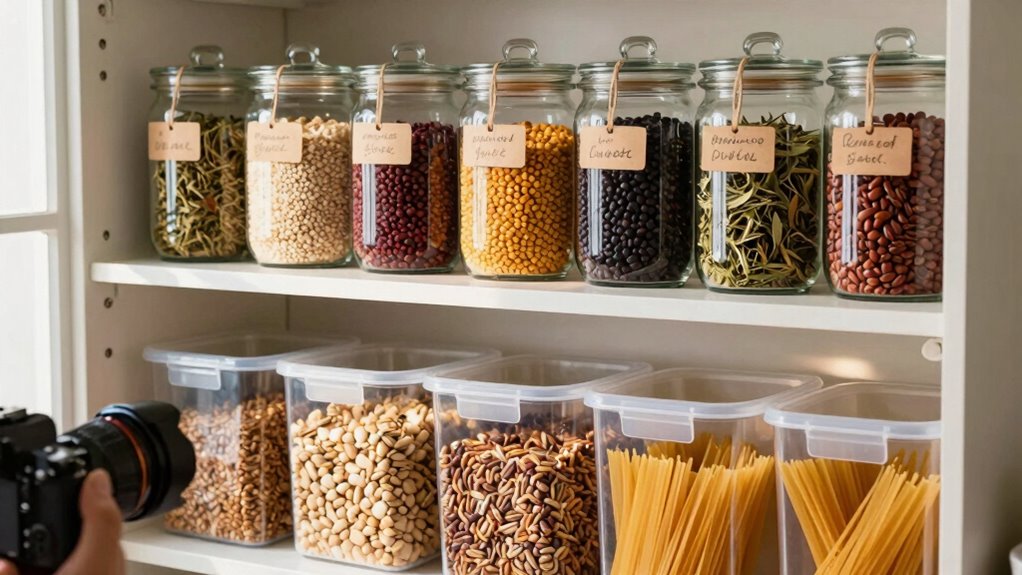
Are you looking to save money and reduce trips to the store? Buying in bulk can be a smart way to stretch your budget, but it’s easy to end up wasting money or cluttering your pantry if you don’t plan carefully. The secret is to approach bulk shopping with a strategic mindset, focusing on effective meal planning and smart storage solutions. Before heading to the store, take some time to plan your meals for the upcoming weeks. Knowing what you need helps prevent impulse buys and ensures you purchase only what you’ll actually use. When you organize your meal plan, you can identify staple ingredients—like rice, beans, pasta, or canned goods—that are ideal for bulk purchase because they have a long shelf life and versatile uses.
Once you’ve mapped out your meals, think about your storage solutions. Not all foods are suitable for bulk buying, especially if your pantry or fridge space is limited. Invest in airtight containers, resealable bags, or clear storage bins to keep your bulk items fresh and accessible. Proper storage not only prolongs the life of your food but also makes it easier to see what you have, preventing duplicate purchases. When storing bulk items, label everything with purchase dates so you can use older supplies first, reducing waste. Remember, the goal isn’t just to buy in bulk but to do so in a way that aligns with your space and consumption habits. Being aware of shelf life helps you prioritize items that won’t spoil quickly. Additionally, incorporating vacuum storage techniques can help extend the freshness of your bulk foods and prevent moisture buildup.
Another key to successful bulk buying is to be mindful of expiration dates. Focus on items with longer shelf lives and avoid buying perishables in bulk unless you’re prepared to use them quickly. For fresh produce, purchase in smaller quantities more frequently, reserving bulk buys for non-perishables. This approach balances savings with freshness, ensuring you’re not throwing away spoiled food. Considering storage conditions can help maintain food quality during extended storage periods. You might also want to explore proper handling techniques to prevent contamination and spoilage during storage. Consider dividing large quantities into smaller portions when possible—this makes it easier to grab what you need without exposing the entire stock to air or moisture, which can lead to spoilage.
Finally, regularly review your stored items. As you use up supplies, reassess your meal planning to incorporate new ingredients and avoid overstocking. This ongoing process helps you stay organized, prevents clutter, and ensures you’re getting the most value from your bulk purchases. When done thoughtfully, bulk buying becomes a budget-friendly habit that keeps your pantry stocked without overwhelming your space.
airtight food storage containers set
As an affiliate, we earn on qualifying purchases.
As an affiliate, we earn on qualifying purchases.
Frequently Asked Questions
How Do I Determine the Right Bulk Quantities for My Household?
You determine the right bulk quantities by starting with meal planning and evaluating your household’s consumption habits. Track what you use regularly to avoid overbuying. Consider your budget management by setting spending limits and buying only what you’ll realistically use before it expires. Adjust your quantities based on seasonal needs or changes in your household size. This way, you save money and keep your pantry organized without waste.
What Are the Best Storage Tips for Bulk Items?
Imagine organizing your pantry with clear shelf labeling, making it easy to track bulk items. Use airtight containers to keep food fresh and prevent pests. Incorporate organizational hacks like stacking similar items and utilizing vertical space. Label each container with purchase or expiration dates to stay on top of freshness. This method keeps your pantry tidy, reduces waste, and guarantees you always know what’s available, making bulk storage efficient and stress-free.
How Can I Prevent Bulk Food From Spoiling?
To prevent bulk food from spoiling, regularly check expiration dates and prioritize older items first. Use proper food preservation techniques like airtight containers, vacuum sealing, and storing in cool, dark places. Keep your pantry organized so you notice when items are nearing their expiration. Consider repackaging large quantities into smaller portions to maintain freshness, reducing waste and ensuring your bulk foods stay good longer.
Are There Specific Products Better Suited for Bulk Buying?
Certain products are better suited for bulk buying, especially those with durable packaging options that keep items fresh longer. Staples like rice, beans, and pasta work well because they store easily and last. Look for items offering bulk discounts, and choose packaging that seals tightly to prevent spoilage. These strategies help you save money and pantry space while ensuring your bulk purchases stay fresh and accessible.
How Do I Compare Prices Effectively When Buying in Bulk?
Your savings can be monumental when you compare prices effectively. Start with pricing strategies like unit pricing to see which product offers the best value per ounce or pound. Don’t forget to compare brands; sometimes lesser-known brands give you premium quality for less. Check for discounts, bulk deals, and store promotions. This approach guarantees you’re making smart, cost-effective choices, turning your bulk shopping into a money-saving powerhouse.
As an affiliate, we earn on qualifying purchases.
Conclusion
Buying in bulk can save you money and reduce trips to the store, but it’s easy to feel overwhelmed by clutter or waste. Think of it like filling a small pantry with just enough jars—each container holds what you need without spilling over. By planning your space and sticking to your list, you keep your pantry organized and efficient. With a little effort, bulk shopping becomes a smart, space-saving way to stock up without the chaos.
clear pantry storage bins with labels
As an affiliate, we earn on qualifying purchases.
As an affiliate, we earn on qualifying purchases.
As an affiliate, we earn on qualifying purchases.
Cold & flu season Picks
humidifiers
As an affiliate, we earn on qualifying purchases.