
Regenerative agriculture benefits plant-based eaters by restoring soil health, which leads to more nutrient-dense, flavorful foods. It promotes biodiversity, helping plants grow stronger and increasing resilience against pests and climate changes. These practices also help sequester carbon, fighting climate change and benefiting the environment you care about. By supporting regenerative farming, you’re encouraging sustainable, ecologically friendly food production that aligns with your plant-based values. Keep exploring to discover even more about how this approach impacts your diet and the planet.

Get health and wellness essentials delivered free with Prime
- Fast, free delivery on millions of items
- Prime Video, Amazon Music and more included
- Member-only deals all year
Key Takeaways
- Supports nutrient-dense, flavorful plant foods grown in healthy, resilient soils.
- Promotes farming practices that sequester carbon, helping combat climate change.
- Enhances biodiversity, attracting pollinators and beneficial insects crucial for plant growth.
- Ensures sustainable land use that preserves ecosystems for future plant-based food production.
- Aligns with plant-based values by reducing environmental harm and fostering ecological renewal.
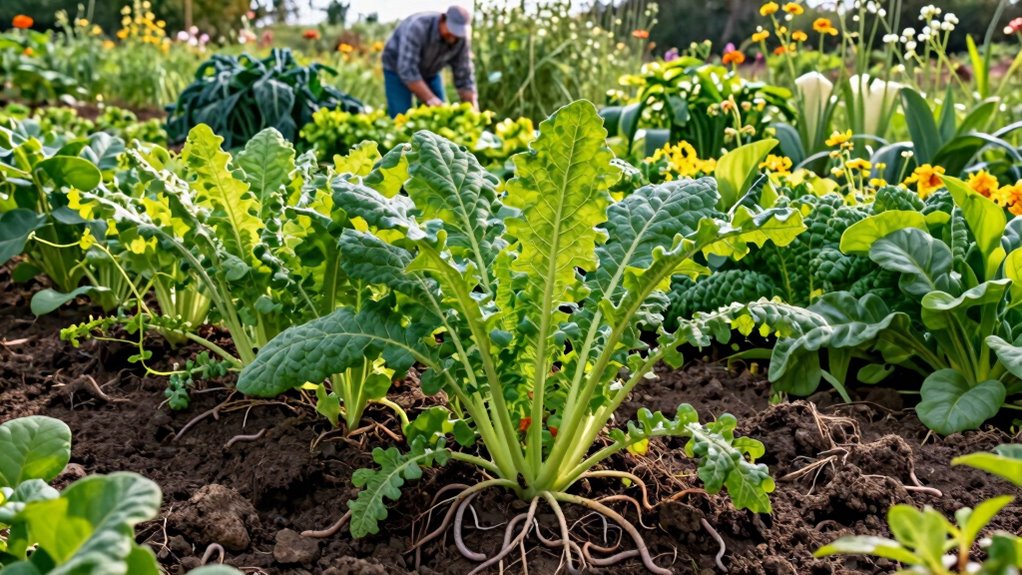
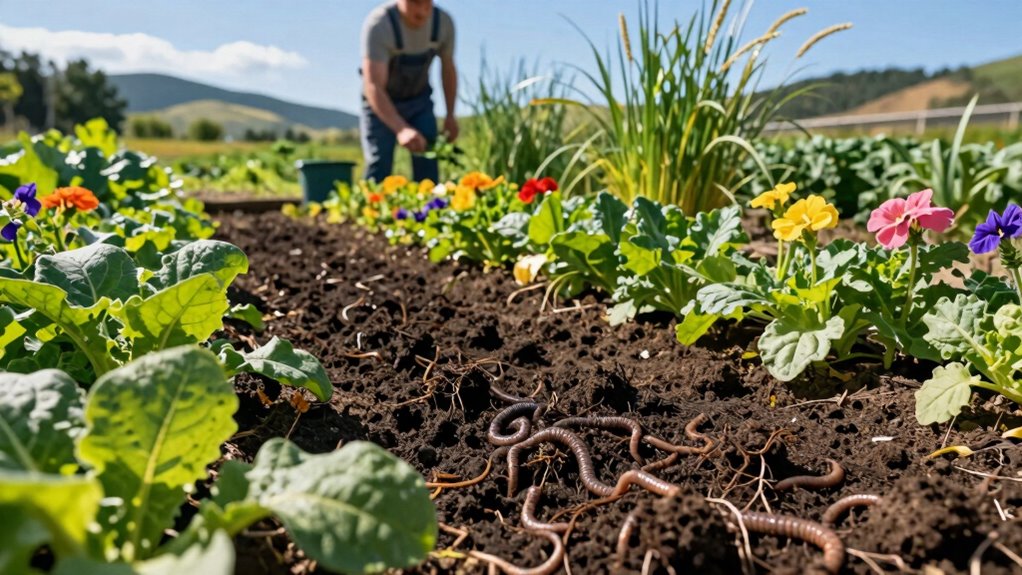
If you care about the environment and want your plant-based lifestyle to make a positive impact, understanding regenerative agriculture is crucial. This farming approach goes beyond traditional methods by actively restoring and enhancing the land, which directly benefits your food choices. At its core, regenerative agriculture prioritizes soil health, recognizing that healthy soil is the foundation of nutritious, sustainable food. Instead of relying heavily on chemical fertilizers, it employs practices like composting, cover cropping, and minimal tillage. These methods foster a rich, living soil teeming with microorganisms, worms, and organic matter. As a result, the soil becomes more resilient, stores more carbon, and supports healthier plant growth. When you choose produce from regenerative farms, you’re supporting systems that build soil vitality rather than deplete it.
Supporting regenerative farms restores soil health and promotes sustainable, nutrient-rich food choices.
Biodiversity promotion is another critical aspect of regenerative agriculture that aligns perfectly with your plant-based values. Diverse ecosystems are more resilient and better equipped to withstand pests, diseases, and climate fluctuations. Regenerative farmers plant a variety of crops and incorporate native plants, creating habitats that attract beneficial insects, birds, and pollinators. This biodiversity not only reduces the need for chemical interventions but also creates a balanced environment where plants thrive naturally. By supporting farms that prioritize biodiversity, you’re helping to maintain ecosystems that sustain wildlife and protect endangered species. This approach ensures your food is grown in harmony with nature, minimizing environmental harm and fostering ecological stability.
As a plant-based eater, your food choices already reflect a commitment to sustainability. Embracing regenerative agriculture amplifies that commitment by ensuring the land producing your food is cared for responsibly. When you purchase from regenerative farms, you’re encouraging practices that restore soil health and promote biodiversity, which in turn leads to more nutrient-dense, flavorful produce. This cycle of ecological renewal supports the planet’s health while providing you with high-quality foods. Additionally, regenerative methods often sequester carbon, helping to combat climate change—a concern close to many plant-based advocates.
In essence, regenerative agriculture offers a way to align your dietary ethics with farming practices that nurture the environment. By understanding and supporting these methods, you contribute to a healthier planet, richer soils, and more resilient ecosystems. Your choices matter, and opting for food from regenerative farms is a powerful step toward a sustainable future that benefits both the earth and your well-being.
organic compost for regenerative farming
As an affiliate, we earn on qualifying purchases.
As an affiliate, we earn on qualifying purchases.
Frequently Asked Questions
How Does Regenerative Agriculture Impact Plant Biodiversity?
Regenerative agriculture boosts plant biodiversity by protecting biodiversity hotspots and promoting diverse cropping systems. You benefit from healthier ecosystems that support a wide range of plant species, which in turn enhances pollinator health. This approach reduces soil erosion and chemical use, creating a more resilient environment. As a plant-based eater, you’ll enjoy more varied, nutrient-rich produce while helping sustain the natural habitats essential for pollinators and overall biodiversity.
Can Regenerative Farming Reduce the Environmental Footprint of Plant-Based Foods?
You might think plant-based foods are green enough, but regenerative farming actually cuts their environmental footprint. By boosting soil health, it reduces the need for heavy, wasteful inputs, and supports local food systems that cut transportation emissions. Pair that with sustainable packaging, and suddenly, your plant-based meal is a true eco-warrior—less waste, fewer emissions, and more resilient ecosystems. Ironically, eating greener can make your food even greener!
What Are the Main Practices Involved in Regenerative Agriculture?
You’ll find regenerative agriculture involves practices like using cover crops, which boost soil health and reduce erosion, and integrating livestock, which naturally fertilizes the land. These methods improve soil structure, increase biodiversity, and enhance carbon sequestration. By adopting cover crop benefits and livestock integration, you support sustainable farming that restores ecosystems while producing healthy, plant-based foods. This approach creates a resilient, productive landscape that benefits both the environment and your diet.
Is Regenerative Agriculture Suitable for Small-Scale or Large-Scale Farms?
You might think regenerative agriculture is only for large farms, but it’s actually suitable for small-scale farms too. With a focus on crop diversity, small farms can implement practices that restore soil health and boost resilience. Whether you manage a small plot or a larger operation, regenerative methods can adapt to your farm size, helping you grow sustainably while improving productivity and environmental impact.
How Does Regenerative Agriculture Influence Soil Carbon Sequestration?
Regenerative agriculture boosts soil health by enhancing its structure and microbial life, which directly increases carbon storage. When you adopt practices like cover cropping and reduced tillage, you help the soil absorb and retain more carbon, effectively sequestering it from the atmosphere. This process not only improves soil fertility but also plays an essential role in combating climate change, making your farming methods more sustainable and environmentally friendly.
biodiversity-friendly pollinator plants
As an affiliate, we earn on qualifying purchases.
As an affiliate, we earn on qualifying purchases.
Conclusion
Embracing regenerative agriculture isn’t just good for the planet; it’s like wielding a superpower that can turn the tide against climate catastrophe! When you choose plant-based foods grown through these methods, you’re not just eating—you’re heroically restoring soil, fighting pollution, and saving ecosystems in ways even superheroes would envy. Your small, mindful choices could spark a global revolution, proving that with every bite, you hold the incredible power to reshape our world—faster than you ever imagined!
cover crop seeds for soil health
As an affiliate, we earn on qualifying purchases.
As an affiliate, we earn on qualifying purchases.
natural pest control for organic farms
As an affiliate, we earn on qualifying purchases.
As an affiliate, we earn on qualifying purchases.
Cold & flu season Picks
humidifiers
As an affiliate, we earn on qualifying purchases.