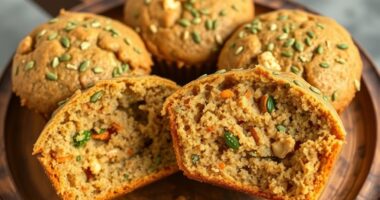
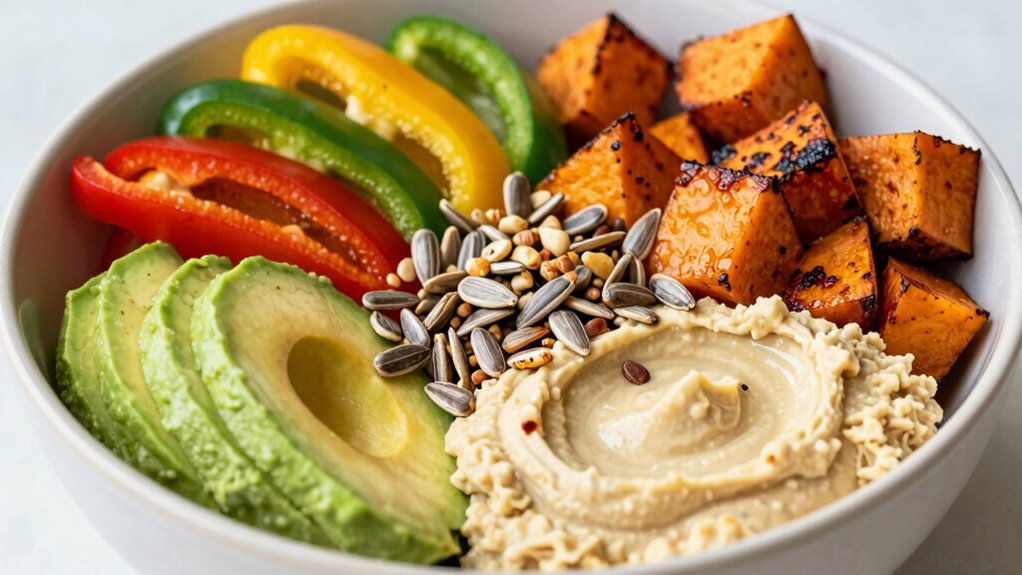

You might find that many vegan meals lack satisfying mouthfeel and depth because the right textures aren’t always prioritized. When you focus on how ingredients are prepared—like searing, roasting, or using texture modifiers—you can create dishes that feel more authentic and crave-worthy. Proper handling of plant-based proteins adds essential dimension, making meals more complex and enjoyable. Keep exploring, and you’ll discover how mastering these techniques can elevate your vegan cooking from good to unforgettable.

Get health and wellness essentials delivered free with Prime
- Fast, free delivery on millions of items
- Prime Video, Amazon Music and more included
- Member-only deals all year
Key Takeaways
- Texture significantly impacts overall satisfaction and makes vegan dishes more authentic and memorable.
- Proper preparation of plant proteins like tofu, tempeh, and seitan enhances their mouthfeel and mimics traditional textures.
- Culinary techniques such as searing, roasting, and frying create appealing contrast and depth in vegan meals.
- Texture modifiers and methods help achieve consistent, desirable textures, especially for ingredients that are too soft or firm.
- Focusing on texture transforms simple plant-based ingredients into crave-worthy, well-rounded dishes.
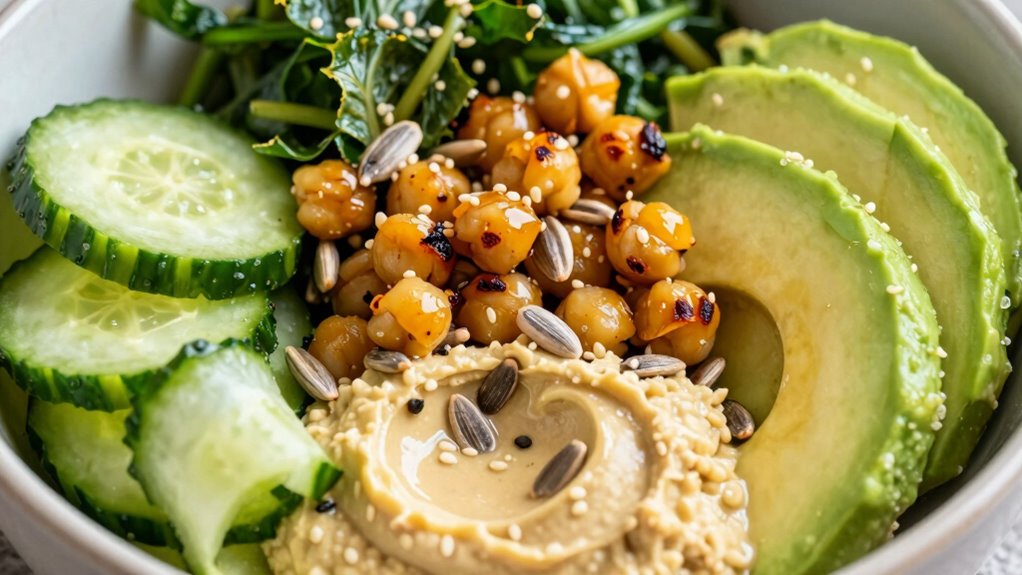
Have you ever noticed how the texture of vegan meals can make or break your eating experience? It’s one thing to have a dish that looks tempting and tastes good, but if the texture doesn’t match what you’re craving, the meal can fall flat. Many vegan dishes struggle with this because they lack the satisfying mouthfeel found in traditional animal-based foods. That’s where understanding the importance of texture comes into play, especially when working with plant-based proteins and culinary techniques. These elements are key to transforming a simple plant-based meal into something truly memorable.
Plant-based proteins like tofu, tempeh, seitan, and legumes are versatile but often require proper preparation to achieve the right texture. For example, tofu can be pressed and marinated to mimic the tenderness of cooked chicken or fish, or it can be crumbled to resemble ground meat. Tempeh, with its firm bite, can be sliced thin and pan-fried to add a crispy exterior while maintaining a chewy interior. Seitan, made from wheat gluten, can be kneaded and cooked to develop a dense, meat-like consistency. Mastering these culinary techniques allows you to access the full potential of plant-based proteins, giving your meals the texture that makes them satisfying and authentic. Incorporating specific cooking methods can further enhance the texture, making your dishes more appealing. Additionally, understanding texture-enhancing techniques can help you create more complex and satisfying mouthfeels in your dishes. The use of texture modifiers can also help in achieving the desired consistency, especially when working with ingredients that tend to be too soft or too firm.
Mastering plant-based protein prep unlocks satisfying, authentic textures for your vegan dishes.
The art of culinary techniques plays a pivotal role in elevating vegan dishes. Techniques like marinating, searing, roasting, and frying are not just about flavor—they also influence texture. Properly searing vegetables or plant-based proteins creates a crispy exterior that contrasts beautifully with a tender inside. Roasting can bring out a caramelized, chewy quality, adding depth to the dish. Even simple methods like steaming or blanching can help achieve the desired firmness or softness, depending on what the recipe calls for. When you combine these techniques thoughtfully, you create layers of texture that keep each bite interesting and enjoyable.
Ultimately, the missing link in many vegan meals isn’t just the flavor—it’s the texture. Without it, even the most flavorful plant-based ingredients can feel dull or unsatisfying. Recognizing the role of culinary techniques and how they influence texture can help you craft more satisfying dishes. By focusing on how you prepare and handle plant-based proteins through specific culinary techniques, you add an essential dimension that elevates a meal from good to great. Texture isn’t just an afterthought; it’s a fundamental part of crafting satisfying, well-rounded vegan dishes that truly resonate with your palate. So, next time you’re cooking, pay close attention to texture, and you’ll find your vegan meals become more crave-worthy than ever.
tofu pressing and marinating kit
As an affiliate, we earn on qualifying purchases.
As an affiliate, we earn on qualifying purchases.
Frequently Asked Questions
How Can I Improve the Texture of Homemade Vegan Cheeses?
To improve the texture of homemade vegan cheeses, you should experiment with plant-based thickeners like agar, tapioca starch, or cashew cream for creaminess. Incorporate proper vegan cheese aging for depth and flavor development, which also enhances texture. Blending ingredients thoroughly and allowing the cheese to rest helps achieve a firmer, more authentic feel. These steps give your vegan cheese a more satisfying, cheese-like bite and mouthfeel.
What Are the Best Plant-Based Ingredients for Adding Chewiness?
You should try adding plant protein sources like tempeh, seitan, or textured vegetable protein (TVP) for chewiness. Root vegetables such as potatoes, carrots, or parsnips can also help, especially when cooked until tender and then incorporated into dishes. These ingredients provide a satisfying bite, enhancing the overall texture of your vegan meals, making them more enjoyable and closer to the mouthfeel of traditional dishes.
How Do I Prevent Vegan Dishes From Becoming Mushy?
To prevent your vegan dishes from becoming mushy, focus on overcoming sogginess by cooking ingredients just enough and avoiding over-soaking. Preserving crunch is key, so add crunchy elements like nuts, seeds, or crispy vegetables at the end of cooking. Use methods like roasting or sautéing to maintain texture. Also, choose ingredients that hold their shape, and don’t overcrowd your pan, allowing proper heat circulation.
Which Cooking Methods Enhance Texture in Vegan Meals?
You should try baking, roasting, or sautéing to boost textures in vegan meals, as these methods develop flavors and firm up ingredients. Investigate the theory that plant-based thickeners like arrowroot or cornstarch enhance mouthfeel, adding a satisfying bite. Texture-enhancing techniques such as pan-frying or grilling create crispy or chewy layers, preventing mushiness. These approaches help you craft meals with satisfying, varied textures that appeal to your senses.
Are There Specific Spices That Improve Mouthfeel in Vegan Dishes?
Yes, certain spices and spice blends can improve mouthfeel in vegan dishes by enhancing flavor and adding depth. For example, smoked paprika and cumin create a rich, savory sensation, while nutritional yeast adds a cheesy, creamy texture. Using flavor enhancers like garlic powder or turmeric can also boost overall richness. Incorporate these spices thoughtfully to make your vegan meals more satisfying and textured, improving the overall eating experience.
plant-based protein texture modifiers
As an affiliate, we earn on qualifying purchases.
As an affiliate, we earn on qualifying purchases.
Conclusion
So, it’s funny how often we overlook texture in vegan meals, isn’t it? Sometimes, a perfect bite isn’t just about flavor but that satisfying crunch or tender chew that makes a dish memorable. When you finally pay attention to texture, it’s like discovering a secret ingredient you didn’t know was missing. Next time you cook, think about that unexpected crunch or silky smoothness—you might just reveal a whole new level of deliciousness.
vegan searing and roasting cookware
As an affiliate, we earn on qualifying purchases.
As an affiliate, we earn on qualifying purchases.
vegan cooking techniques cookbook
As an affiliate, we earn on qualifying purchases.
As an affiliate, we earn on qualifying purchases.
Halloween Picks
halloween
As an affiliate, we earn on qualifying purchases.