
Non-toxic cookware has become a bigger topic in vegan kitchens because more people prioritize health, ethics, and sustainability. You now choose options like stainless steel, cast iron, ceramic, or glass, which don’t leach harmful chemicals. This shift reflects a move from convenience to more conscious cooking choices that protect your family and the planet. Keeping these values in mind, you’ll discover how your cookware can support a more mindful lifestyle as you go forward.
Key Takeaways
- Growing health awareness drives vegans to prioritize non-toxic, chemical-free cookware options.
- Increased environmental concerns promote the shift toward eco-friendly, sustainable kitchen materials.
- Consumer demand for ethically sourced, toxin-free products elevates non-toxic cookware as a key topic.
- Media and vegan communities emphasize the importance of safe, sustainable kitchen practices.
- The trend reflects a broader shift towards mindful, health-conscious, and environmentally responsible lifestyles.
Cooking with non-toxic cookware guarantees that you’re not exposing yourself or your family to harmful chemicals released into your food. As more people become mindful of what they eat and how their kitchen choices affect their health, non-toxic cookware has gained significant attention, especially in vegan households. Vegans often prioritize eco friendly materials, seeking products that align with their values of sustainability and compassion. This shift isn’t just about avoiding animal products; it’s about making health conscious choices that support both personal well-being and the environment.
Traditional cookware, like non-stick pans coated with chemicals such as PTFE or PFOA, can leach toxins into your food, especially when heated at high temperatures. Recognizing these risks, many vegans and health-conscious individuals are turning to alternatives made from eco friendly materials. Cookware crafted from stainless steel, cast iron, ceramic, or glass naturally doesn’t release harmful chemicals, making them safer options for everyday use. These materials are durable, long-lasting, and easier to clean, which appeals to those committed to reducing waste and avoiding single-use plastics. Additionally, eco friendly materials often require less maintenance and are less prone to degradation over time.
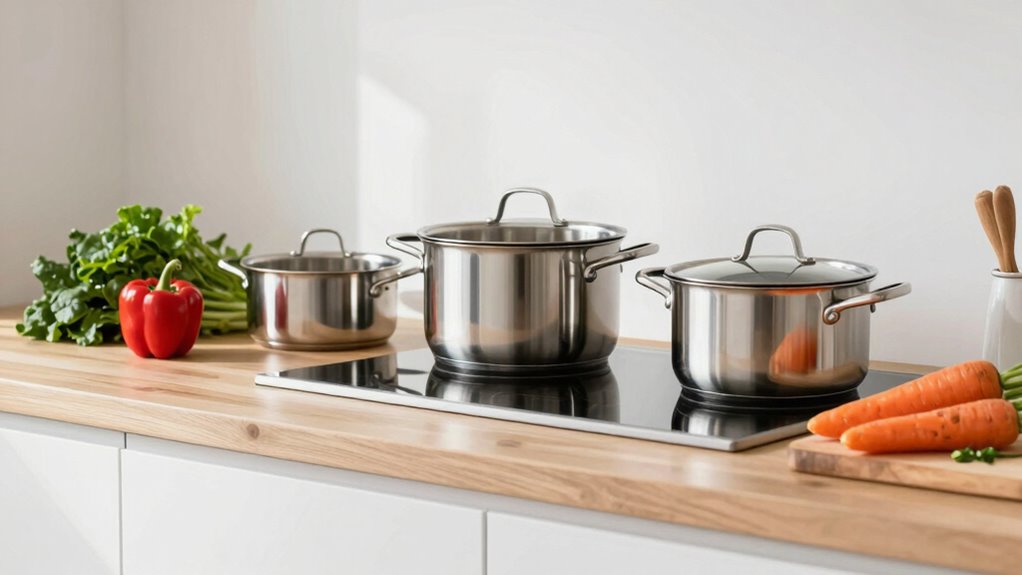
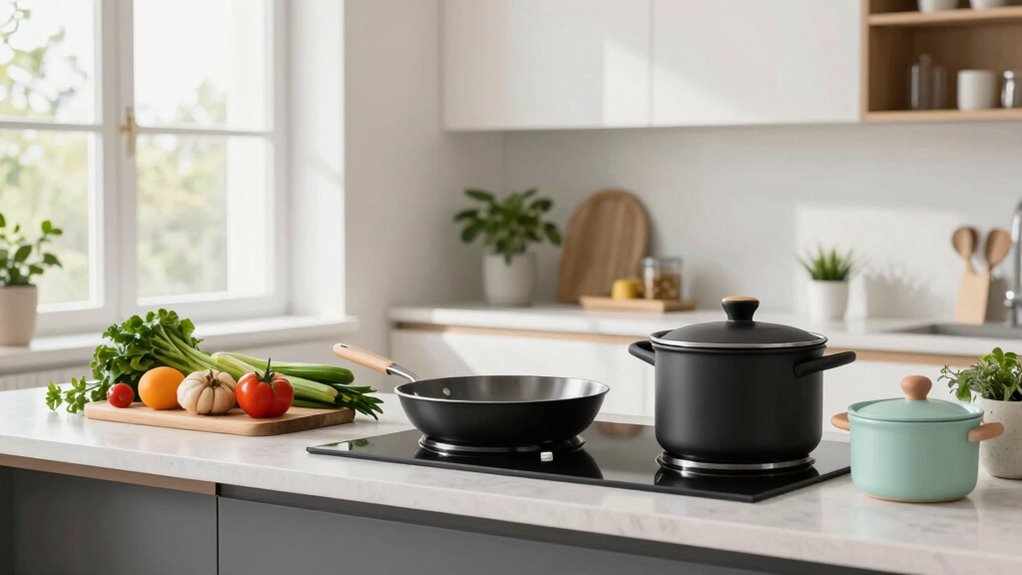
Eco-friendly cookware like stainless steel, cast iron, ceramic, and glass offers safe, durable, and sustainable cooking options.
The growing awareness around the impact of chemicals in cookware has shifted the conversation from convenience to consciousness. Vegan kitchens are increasingly embracing non-toxic options, not just for health reasons but also to promote sustainability. Eco friendly materials like bamboo, recycled aluminum, and responsibly sourced ceramic are becoming staples. They embody the principles of health conscious choices, ensuring that your cooking surface is free from toxins that could compromise your health or the environment. Using these materials also supports a sustainable lifestyle that aligns with ethical consumption.
As your understanding deepens, you realize that non-toxic cookware isn’t just a passing trend but a fundamental aspect of a mindful lifestyle. It aligns with your desire to minimize exposure to potentially hazardous substances and support eco-friendly practices. Switching to non-toxic options can also help reduce the overall environmental footprint, as many eco friendly materials are biodegradable or recyclable. This transition reflects a broader commitment to environmental stewardship and responsible resource use. It’s especially relevant in vegan kitchens, where the focus is often on holistic health and environmental stewardship. Switching to non-toxic options means you’re investing in cookware that’s both safe and sustainable, reinforcing your commitment to a cruelty-free, eco-conscious lifestyle. Moreover, many eco friendly cookware options are designed to be energy-efficient, further reducing environmental impact.
In addition, choosing non-toxic cookware can help reduce your overall environmental footprint, as many eco friendly materials are biodegradable or recyclable. Switching to safer options isn’t just about personal health; it’s about fostering a more sustainable lifestyle that benefits the planet as well. In the end, choosing non-toxic cookware isn’t just about avoiding harm—it’s about making deliberate, health-conscious choices that reflect your values. It’s about creating a kitchen environment that nurtures your body and respects the planet. As this topic continues to grow in importance, more vegan households are leading the way by adopting eco friendly materials and championing safer, more sustainable cookware options. Your kitchen can be a space of health, ethics, and sustainability, all fueled by smart, non-toxic choices.

3 Ply Stainless Steel 11-Piece Cookware Set with Lids, Pots and Pans Kitchen Set, Non-Toxic, Induction, Oven, Dishwasher Safe, Professional Chef Quality
- Set Includes: 11-piece cookware with lids and steamer insert
- Construction: 3-ply stainless steel with aluminum core
- Compatibility: Induction, oven, dishwasher safe
As an affiliate, we earn on qualifying purchases.
As an affiliate, we earn on qualifying purchases.
Frequently Asked Questions
Are Non-Toxic Pans as Durable as Traditional Cookware?
Yes, non-toxic pans are often just as durable as traditional cookware. They utilize eco-friendly coatings and are made through chemical-free manufacturing processes, ensuring safety without sacrificing longevity. With proper care, these pans can withstand daily use, offering a reliable alternative to conventional options. Advances in materials and manufacturing mean you don’t have to compromise durability for health-conscious, environmentally friendly cookware.
How Do Non-Toxic Materials Affect Cooking Performance?
Think of non-toxic materials as trustworthy friends in your kitchen. They often excel in heat resistance, allowing even heat distribution without warping. Plus, they minimize chemical leaching, ensuring your food stays pure and safe. While some may worry about performance, many non-toxic options match traditional cookware, providing excellent cooking results. So, you can cook confidently, knowing your pots and pans perform well without compromising health or taste.
Are Non-Toxic Cookware Options More Expensive?
Non-toxic cookware options can be more expensive than conventional ones, but it depends on the brand reputation and materials used. You might find a good price comparison across brands, and investing in reputable brands often guarantees better safety and durability. While some non-toxic options cost more upfront, they can save you money long-term by lasting longer and reducing health risks. So, consider both price and reputation when choosing your cookware.
Can Non-Toxic Cookware Be Used on Induction Stoves?
Yes, non-toxic cookware can be used on induction stoves, especially if it has a magnetic base. Look for options with eco-friendly maintenance and chemical-free coatings, which guarantee safety and sustainability. Many non-toxic pans are compatible with induction because they’re made from ferrous metals like cast iron or stainless steel. Always check product specifications to confirm compatibility, so you can enjoy safe, eco-conscious cooking without worries.
How Often Should Non-Toxic Cookware Be Replaced?
You should replace non-toxic cookware every 5 to 10 years, as wear and tear can lead to chemical leaching. A recent study shows that damaged cookware increases chemical leaching, impacting health and the environment. Regularly inspecting your pots and pans helps minimize this risk. Replacing them when they show signs of deterioration reduces your exposure to harmful substances and lessens environmental impact, keeping your kitchen safer and greener.

SENSARTE 8Inch Nonstick Ceramic Frying Pan with Lid, PFAS/PTFE/PFOA Free
- Healthy Ceramic Coating: Free of PFOA, PTFE, PFAS, lead, cadmium
- Nonstick Surface: Smooth, effortless food release, less oil needed
- Induction Compatible: Suitable for all stovetops, heats quickly and evenly
As an affiliate, we earn on qualifying purchases.
As an affiliate, we earn on qualifying purchases.
Conclusion
Now that you know the importance of non-toxic cookware, you’re better equipped to make safer choices for your kitchen. Opting for non-toxic options isn’t just a trend — it’s a step toward a healthier lifestyle and a more compassionate planet. Remember, it’s better to be safe than sorry, so don’t cut corners when it comes to your cookware. When you prioritize safety, your kitchen becomes a true reflection of your values.

Lodge Seasoned Cast Iron Skillet 12 Inches – Quality Frying Pan for the Stove, Oven, Grill & Campfire – Includes Silicone Hot Handle Holder – Non-Toxic, Nonstick & Long-Lasting
- Versatile Cooking Use: Searing, sautéing, baking, frying, camping
- Pre-Seasoned & Non-Toxic: Natural vegetable oil finish, PFAS-free
- Even Heat Distribution: Heavy-duty cast iron for consistent cooking
As an affiliate, we earn on qualifying purchases.
As an affiliate, we earn on qualifying purchases.
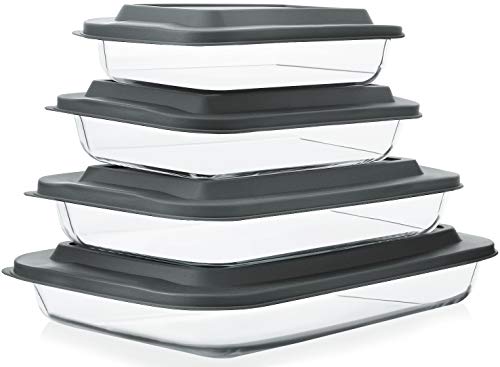
M MCIRCO 8 Piece Deep Glass Baking Dish with Lids, BPA free,Gray
- Material: Borosilicate glass for durability
- Versatile Use: Microwave, oven, freezer, dishwasher safe
- Lids: Includes 4 tight-fitting, non-slip lids
As an affiliate, we earn on qualifying purchases.
As an affiliate, we earn on qualifying purchases.