
To harvest ocean-friendly sea veggies without harming ecosystems, you should focus on selecting abundant, healthy populations and use gentle techniques like cutting instead of uprooting. Harvest only what you need, avoid stressed or polluted areas, and follow local laws and seasonal guidelines. By practicing responsible foraging, you help protect marine biodiversity and ensure future growth. Want to discover more ways to enjoy sea vegetables sustainably? Keep exploring for expert tips.

Get health and wellness essentials delivered free — and shop member deals
- Fast, free delivery on millions of items
- Access to Prime Big Deal Days deals on October 6–7
- Prime Video, Amazon Music and more included
Key Takeaways
- Harvest only abundant, healthy sea vegetables to prevent overharvesting and support ecosystem balance.
- Use gentle techniques like cutting to minimize habitat disturbance and promote natural regeneration.
- Choose sites with natural growth, avoiding polluted or stressed areas to protect marine health.
- Harvest during peak growth seasons and follow local regulations to ensure sustainable practices.
- Support marine biodiversity by practicing responsible foraging that benefits long-term ocean health.
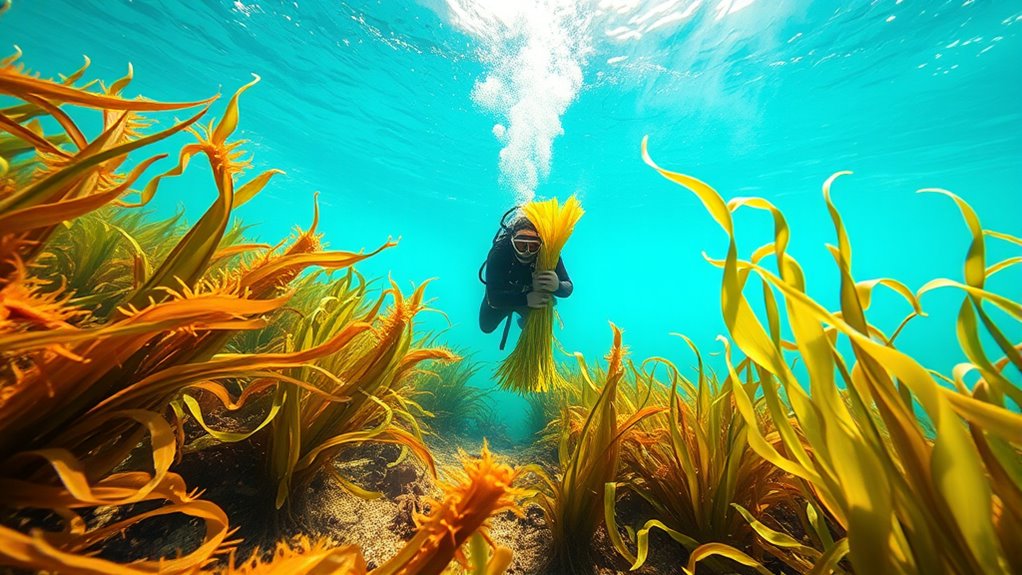
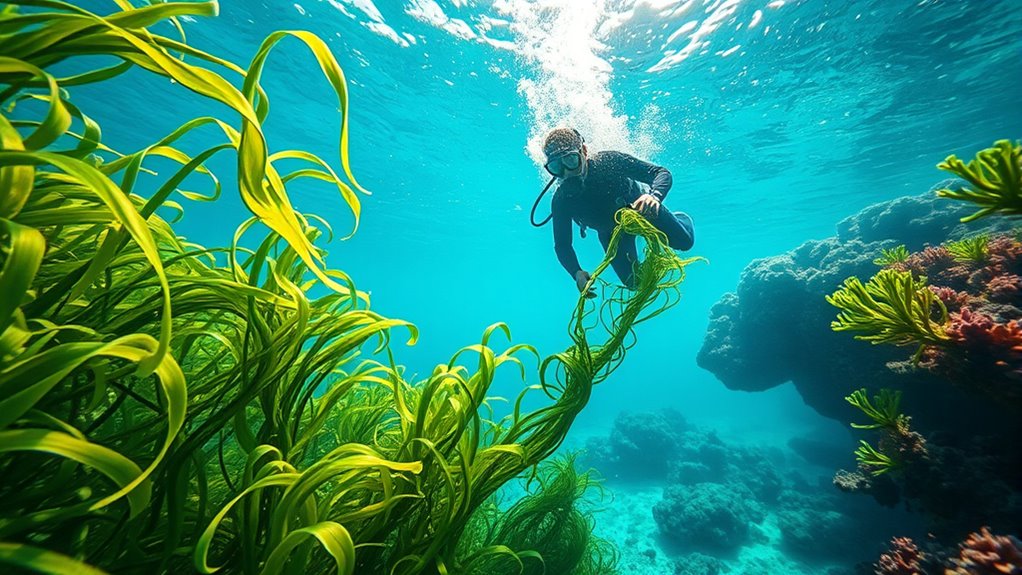
Have you ever wondered how you can enjoy nutritious sea vegetables while helping protect our oceans? The answer lies in practicing sustainable foraging, a method that allows you to harvest sea veggies responsibly without harming marine ecosystems. Sustainable foraging involves understanding which species to collect, how much to take, and where to gather them, ensuring that marine biodiversity remains intact. When you follow these principles, you support a balanced ocean environment that benefits both marine life and future harvesters.
To begin, educate yourself about local sea vegetable populations and their roles within the ecosystem. Different species of seaweed and other sea vegetables serve specific functions—some provide food and shelter for marine creatures, while others help maintain water quality. By identifying which species are abundant and healthy, you avoid overharvesting, preventing depletion of essential resources. Sustainable foraging encourages you to take only what is necessary, leaving enough behind so that the species can regenerate naturally. This approach not only preserves the abundance of sea vegetables but also maintains the overall health of marine biodiversity.
Next, choose your harvesting sites carefully. Seek out areas where sea vegetables grow naturally and abundantly without signs of stress or damage. Avoid overharvested zones or places close to pollution sources, as these environments can disrupt the delicate balance of marine life. When collecting, use gentle techniques—such as cutting rather than tearing—to minimize damage to the plants and surrounding habitat. This respect for the environment ensures that the ecosystem continues to thrive, supporting a diverse array of marine species.
In addition, consider the timing of your foraging trips. Harvest during seasons when sea vegetables are naturally abundant and actively growing. This reduces strain on the populations and allows the plants to recover quickly. Following local regulations and guidelines also helps protect marine biodiversity—many areas have specific rules to prevent overharvesting and to promote sustainable practices. By adhering to these, you contribute to the conservation of marine ecosystems and help sustain the long-term availability of nutritious sea veggies.
Practicing sustainable foraging isn’t just about protecting the environment; it’s about ensuring that future generations can also enjoy the benefits of ocean-friendly sea vegetables. Your mindful choices help maintain a healthy, diverse, and resilient marine ecosystem. As you harvest, remember that supporting sustainable practices is essential for the ongoing health of our oceans. When you do it right, you become a steward of marine biodiversity, promoting a future where delicious, nutritious sea vegetables and vibrant ocean life coexist harmoniously.
As an affiliate, we earn on qualifying purchases.
Frequently Asked Questions
How Can Consumers Identify Sustainably Harvested Sea Vegetables?
You can identify sustainably harvested sea vegetables by checking consumer labels that specify eco-friendly practices. Look for certifications or symbols indicating sustainable harvesting methods, such as those from reputable environmental organizations. These labels guarantee the sea veggies were gathered without damaging ecosystems. Always research brands and ask questions about their harvesting practices to make informed choices that support ocean health and sustainable seafood consumption.
What Are the Economic Impacts of Sustainable Seaweed Harvesting?
You’ll notice that sustainable seaweed harvesting positively impacts the economy by promoting market stability, ensuring steady supplies for consumers and producers. It also creates more employment opportunities in local communities, as sustainable practices require skilled labor and ongoing management. By supporting these methods, you help foster a resilient industry that benefits both the environment and local economies, ensuring long-term growth and stability in the seaweed market.
Are There Specific Regions Known for Eco-Friendly Sea Veggie Farms?
You’ll find eco-friendly sea veggie farms mainly in regions with well-managed marine protected areas and designated aquaculture zones. These areas promote sustainable harvesting practices, ensuring ecosystems stay healthy. Places like parts of Norway, South Korea, and parts of Canada are known for their environmentally conscious seaweed farming. By focusing on protected zones, you help support eco-friendly practices that conserve marine life while supplying fresh, sustainable sea veggies.
How Does Seaweed Harvesting Affect Local Marine Biodiversity?
You might wonder how seaweed harvesting impacts local marine biodiversity. When you choose sustainable harvesting methods, you minimize biodiversity impacts by avoiding overharvesting and habitat destruction. Responsible practices ensure that marine ecosystems remain healthy and balanced, allowing biodiversity to thrive. By supporting eco-friendly sea veggie farms, you help protect marine life and promote sustainable ocean resources, guaranteeing these essential ecosystems continue to flourish for future generations.
Can Sea Veggies Be Cultivated Without Damaging Ocean Ecosystems?
Imagine transforming your favorite sea veggies into eco-friendly superfoods! You can cultivate seaweed responsibly by adopting sustainable aquaculture practices that prioritize marine conservation. When you support these methods, you help protect delicate ecosystems from destruction, ensuring marine biodiversity thrives. With careful planning and eco-conscious techniques, sea veggies can be farmed without harming ocean environments, making your dietary choices a true act of environmental heroism—saving the seas, one harvest at a time.
sustainable sea vegetables collection kit
As an affiliate, we earn on qualifying purchases.
As an affiliate, we earn on qualifying purchases.
Conclusion
By choosing ocean-friendly sea veggies, you support sustainable harvesting that protects delicate ecosystems. Some might worry about limited availability, but responsible farming practices ensure these nutritious foods remain abundant. So, go ahead—enjoy your sea veggies, knowing you’re helping preserve the ocean’s health. Every small choice counts, and your support encourages eco-conscious harvesting methods that benefit both the environment and your plate. Immerse yourself confidently, knowing you’re making a positive impact!
seaweed cutting tools for foraging
As an affiliate, we earn on qualifying purchases.
As an affiliate, we earn on qualifying purchases.
ocean-friendly seaweed harvesting kit
As an affiliate, we earn on qualifying purchases.
As an affiliate, we earn on qualifying purchases.
Fall Picks
fall essentials
As an affiliate, we earn on qualifying purchases.