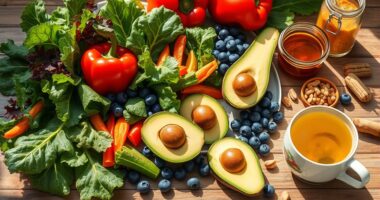


Research shows that the link between veganism and mental health isn’t just about diet but also involves lifestyle factors like social support, routines, and nutritional balance. While adopting a plant-based diet may boost your sense of purpose and community, poor meal planning or social isolation can negatively affect your mood. Ultimately, mental well-being depends on how well you integrate these elements. Keep exploring to uncover how these aspects truly influence your mental health journey.
Key Takeaways
- Existing studies suggest a correlation between vegan diets and improved mental well-being, but causation remains unproven.
- Proper nutritional balance and social support are crucial mediators influencing mental health outcomes in vegans.
- Lifestyle factors like exercise and sleep significantly impact mental health, complicating direct links to diet alone.
- Poor meal planning and social isolation may negatively affect mental health, indicating potential confounding variables.
- More comprehensive, controlled research is needed to determine if veganism directly causes mental health changes or if other factors are involved.

Beyond nutrition, lifestyle factors play a significant role in how veganism affects your mental health. Shifting to a plant-based lifestyle often involves changes in social interactions, routines, and even your sense of identity. If you don’t plan your meals properly or feel isolated from friends and family who don’t share your dietary choices, you might experience feelings of loneliness or stress. Conversely, some find that adopting a vegan lifestyle boosts their sense of purpose, aligns with their values, and fosters a community that supports their mental health. It’s important to recognize that your mental well-being isn’t solely dictated by diet but by how you integrate it into your overall lifestyle. Additionally, understanding the importance of nutritional balance can help prevent potential mental health issues related to dietary deficiencies. Another aspect to think about is the potential for lifestyle factors to influence mental health positively or negatively. Regular exercise, adequate sleep, and stress management are essential components. Vegan diets can sometimes be high in processed foods or lacking in variety, which might lead to mood swings or low energy levels. Conversely, focusing on whole foods, fresh vegetables, and healthy fats can improve mood and cognitive function. It’s about creating a sustainable, balanced approach rather than following extreme or restrictive patterns that could lead to nutritional gaps or emotional strain.
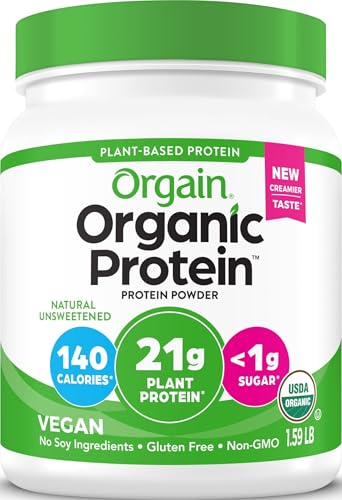
Orgain Organic Vegan Protein Powder, Natural Unsweetened – 21g of Unflavored Plant Protein, 4g Prebiotic Fiber, Low Net Carbs, No Added Sugar, Non-GMO, for Shakes & Recipes, 1.59 lb
- Organic Plant-Based Protein: 21g per serving with all 9 amino acids
- Zero Added Sugar: Unflavored with 0g sugar
- Gut-Friendly Fiber: 4g prebiotic fiber per serving
As an affiliate, we earn on qualifying purchases.
As an affiliate, we earn on qualifying purchases.
Frequently Asked Questions
How Do Different Vegan Diets Impact Mental Health?
You might wonder how different vegan diets impact mental health. Consuming adequate vegan protein helps support brain function, while plant-based antioxidants can reduce inflammation linked to mood disorders. A balanced vegan diet rich in diverse plant foods can boost your mental well-being, but inadequate nutrition may cause fatigue or mood swings. Prioritize varied sources of vegan protein and antioxidants to optimize your mental health and overall wellness.
Are There Specific Nutrients Linked to Improved Mood in Vegans?
You might notice that specific nutrients like plant-based antioxidants and omega-3 sources are linked to improved mood. Consuming foods rich in antioxidants from fruits, vegetables, and nuts helps protect your brain cells, boosting mental well-being. Additionally, omega-3 sources like chia seeds, flaxseeds, and walnuts support brain health and mood regulation. Incorporating these nutrients into your vegan diet can positively influence your mental health and overall mood.
Can Transitioning to Veganism Cause Psychological Stress?
You might wonder if switching to veganism can cause psychological stress. It can, especially if you face social isolation or struggle with nutritional deficiencies. These challenges might lead to feelings of loneliness or anxiety. You feel stressed about missing out on familiar foods, worried about meeting nutritional needs, or alienated from social circles. Recognizing these factors helps you better prepare and find support, easing the changeover and protecting your mental health.
What Role Does Social Support Play in Vegan Mental Health?
Social support plays a essential role in your vegan mental health by encouraging dietary adherence and providing emotional reassurance. When you have a strong community support system, you’re more likely to stay committed to your vegan lifestyle, reducing feelings of isolation or stress. This support helps you navigate challenges, boosts your confidence, and fosters a sense of belonging, all of which positively impact your mental well-being.
How Do Age and Gender Influence Veganism’s Mental Health Effects?
You might notice that age differences and gender variations influence how veganism impacts your mental health. Younger individuals often report different emotional responses than older vegans, while gender can shape experiences of social acceptance or stress. These factors seem to coincide with mental health outcomes, suggesting that your age and gender might play a role in how veganism affects your overall well-being. Recognizing these influences helps tailor support for diverse vegan communities.
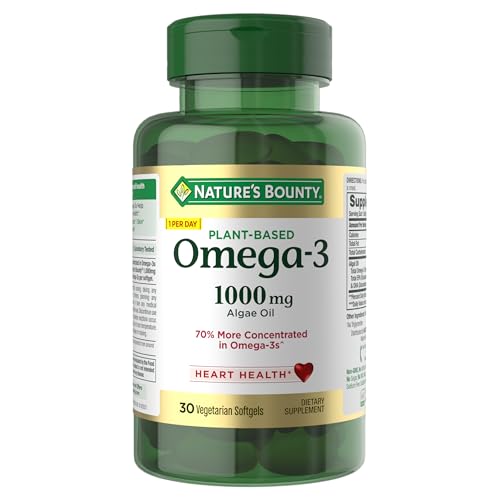
Nature's Bounty Omega 3, Plant-Based Omega 3 Fatty Acid Supplement, 30 Ct
- Concentrated Omega-3 Softgels: 1000 mg algae oil per softgel
- Easy Daily Dose: One softgel per day
- Supports Heart Health: Promotes cardiovascular wellness
As an affiliate, we earn on qualifying purchases.
As an affiliate, we earn on qualifying purchases.
Conclusion
While some worry veganism might harm your mental health, this study shows it’s not just black and white. You might think cutting out animal products limits essential nutrients, but with proper planning, you can thrive mentally and physically. Remember, your mental well-being depends on many factors—diet is just one piece. So, don’t dismiss veganism outright; instead, explore how a balanced plant-based diet could support your overall health and happiness.

DEVA Vegan Multivitamin & Mineral Supplement with Iron 2-Pack, Spirulina, Chlorella, Ashwagandha, Broccoli & More, 90 Coated Tablets Each
- Comprehensive Daily Nutrition: Supports overall nutritional needs
- B Vitamin Boost: Includes effective B-complex vitamins
- Rich in Antioxidants: Contains Vitamins C and E
As an affiliate, we earn on qualifying purchases.
As an affiliate, we earn on qualifying purchases.

Bentgo Prep Meal Prep Containers with Lids, 20 Piece, PFAS & BPA-Free
- Top Brand for Meal Prep: Lightweight, portable 20-piece set
- Easy Portion Control: 4-cup capacity with embossed measurements
- Keeps Food Fresh: Stackable lids for organization
As an affiliate, we earn on qualifying purchases.
As an affiliate, we earn on qualifying purchases.