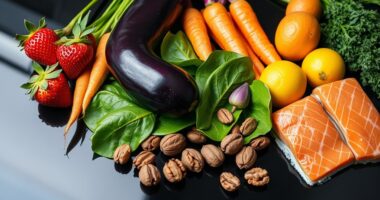


To fight inflammation, focus on eating fiber-rich, fermented foods and limiting processed, sugary, and fatty foods. Incorporate regular exercise to boost your immune system and improve circulation, while making sleep a priority to help your body recover and reduce stress hormones. Combining a balanced diet, consistent physical activity, and quality sleep creates a powerful anti-inflammatory routine. Keep going to discover simple ways to enhance your overall health and reduce inflammation naturally.
Key Takeaways
- A balanced diet rich in fiber and fermented foods supports gut health and reduces inflammation.
- Regular exercise helps lower inflammatory markers and boosts immune function.
- Prioritizing quality sleep regulates stress hormones and promotes overall inflammatory balance.
- Mindfulness practices decrease stress-related inflammation and improve gut microbiome health.
- Combining diet, exercise, and sleep with stress management creates a holistic anti-inflammatory lifestyle.

Have you ever wondered how your daily habits can influence inflammation in your body? The truth is, your lifestyle choices directly impact your body’s inflammatory responses, and small adjustments can make a big difference. One of the most critical factors is gut health. Your gut isn’t just about digestion; it’s a central player in controlling inflammation. When your gut microbiome is balanced, it helps regulate immune responses and reduces chronic inflammation. To support gut health, focus on eating fiber-rich foods like fruits, vegetables, and whole grains, which nourish beneficial bacteria. Incorporating fermented foods such as yogurt, kefir, and sauerkraut can also promote a healthy gut microbiome. Avoid processed foods high in sugar and unhealthy fats, as they disrupt gut balance and trigger inflammatory pathways.
Alongside diet, mindfulness practices can substantially influence your inflammation levels. Mindfulness involves paying close attention to the present moment without judgment, helping you manage stress effectively. Chronic stress is a known contributor to inflammation because it elevates cortisol and other stress hormones that promote inflammatory processes. By practicing mindfulness techniques like meditation, deep breathing exercises, or even mindful walking, you can activate your parasympathetic nervous system—the part responsible for relaxation and recovery. This shift lowers inflammation markers and enhances your immune function. Regular mindfulness practices also help you become more aware of habits that may elevate inflammation, such as emotional eating or neglecting sleep, enabling you to make healthier choices. Additionally, understanding how health-related behaviors influence inflammation underscores the importance of integrating these practices into your routine. Combining these habits creates a powerful anti-inflammatory effect. When you prioritize gut health through nourishing foods, you support a balanced microbiome that keeps inflammation in check. At the same time, integrating mindfulness into your daily routine helps you manage stress, which otherwise could trigger inflammatory responses. These practices are interconnected; reducing stress through mindfulness can positively influence gut health by lowering cortisol levels that sometimes harm the gut lining. Furthermore, being mindful of your eating habits allows you to make more intentional food choices, further supporting your anti-inflammatory goals. Remember, small, consistent changes in your daily routine—like choosing whole foods, practicing meditation, or simply taking a few deep breaths during stressful moments—can accumulate over time, leading to notable improvements in your overall health.

Codeage Fermented Digestive Enzymes Supplement 3-Month Supply – 14 Digestive Enzymes, Probiotics, Prebiotics, Fermented Botanicals, Plant-Based Multi Pancreatic Enzymes – 1 Capsule a Day – 90 Capsules
Comprehensive Enzyme Blend: Codeage Fermented Digestive Enzymes+ supplement offers 14 different digestive enzymes, including protease, amylase, glucoamylase, diastase,…
As an affiliate, we earn on qualifying purchases.
As an affiliate, we earn on qualifying purchases.
Frequently Asked Questions
Can Anti-Inflammatory Foods Help With Chronic Autoimmune Diseases?
Yes, anti-inflammatory foods can help manage autoimmune diseases by reducing triggers that worsen your symptoms. Incorporating dietary modifications, like eating more fruits, vegetables, and omega-3 rich foods, may lower inflammation and support your immune system. While these foods aren’t cures, they can improve your overall health and potentially lessen flare-ups. Remember, combining this approach with other lifestyle changes can make a significant difference in managing your autoimmune condition.
How Does Stress Influence Inflammation Levels in the Body?
Stress increases inflammation in your body by triggering cortisol release. Elevated cortisol levels over time can lead to chronic inflammation, worsening autoimmune symptoms. That’s why stress management is vital; it helps regulate cortisol, reducing inflammation. Incorporate relaxation techniques like deep breathing, meditation, or regular exercise to keep cortisol levels in check. When you manage stress effectively, you support your body’s ability to maintain a healthier, less inflamed state.
Are There Specific Supplements That Boost Anti-Inflammatory Effects?
Did you know that herbal supplements like turmeric and ginger have shown to reduce markers of inflammation by up to 30%? Natural remedies such as omega-3 fatty acids and curcumin are popular for boosting anti-inflammatory effects. Incorporate these herbal supplements into your routine, but always consult with a healthcare professional first. They can help you choose the right options to support your body’s natural inflammation-fighting abilities.
What Role Does Hydration Play in Reducing Inflammation?
Hydration benefits your body’s ability to reduce inflammation by flushing out toxins and supporting cellular functions. Drinking enough water keeps your tissues healthy and prevents inflammatory responses caused by dehydration. Aim for consistent water intake throughout the day, as it helps maintain ideal immune function. Staying well-hydrated directly contributes to lowering inflammation, making it a simple yet essential part of your anti-inflammatory lifestyle.
How Does Alcohol Consumption Impact Inflammation and Recovery?
Did you know that moderate alcohol intake can increase inflammation markers by up to 25%? When you consume alcohol, your body focuses on alcohol metabolism, diverting resources from reducing inflammation. This process can elevate inflammation levels, impairing recovery and prolonging soreness. To support your healing, consider limiting alcohol consumption, especially after intense workouts, so your body can better manage inflammation and recover faster.

Carlyle Fiber Supplement | 180 Capsules | Triple Action Complex | Non-GMO
TRIPLE-ACTION FIBER: Packed with 3 premium ingredients in one fiber supplement
As an affiliate, we earn on qualifying purchases.
As an affiliate, we earn on qualifying purchases.
Conclusion
Embracing an anti-inflammatory lifestyle isn’t just about what you add—it’s also about what you let go. As you incorporate healthy foods, regular exercise, and quality sleep, you simultaneously shed habits that fuel inflammation. This balance reminds you that true wellness isn’t just in doing more, but in doing less of what harms you. By aligning your choices, you create harmony within, proving that sometimes, less is truly more for your health.

Mindfulness & Guided Sleep Meditation
Meditation to improve focus
As an affiliate, we earn on qualifying purchases.
As an affiliate, we earn on qualifying purchases.

Oregon's Wild Harvest Sleep Better Capsules – Organic Vegan Herbal Sleep Supplement – Non-GMO, Gluten-Free, USDA Certified – 90 Capsules
90 Organic Vegan Capsules – Each bottle contains 90 easy-to-swallow vegan capsules, providing a convenient 30-day supply of…
As an affiliate, we earn on qualifying purchases.
As an affiliate, we earn on qualifying purchases.