
To fuel your performance and speed recovery on a plant-based diet, focus on varied protein sources like legumes, tofu, and quinoa, combined strategically to guarantee complete amino acids. Timing your meals—especially after workouts—can boost muscle repair, and pairing grains with legumes or snacks with nuts increases protein intake. Monitoring your body’s reactions helps prevent allergies and optimize benefits. Keep exploring to discover more tips for maximizing your athletic potential with plant-based nutrition.
Key Takeaways
- Combining grains and legumes ensures complete plant-based protein intake for muscle repair.
- Consuming protein-rich foods shortly after workouts optimizes recovery and muscle synthesis.
- Regular meal spacing every 3-4 hours maintains steady amino acid levels and sustained energy.
- Including diverse plant proteins like nuts, seeds, and tofu supports overall athletic performance.
- Monitoring for allergies and nutrient balance ensures safe, effective plant-based nutrition for athletes.

Plant-based athletic nutrition is gaining popularity among athletes who want to optimize their performance without relying on animal products. As you explore this approach, you’ll find that choosing the right protein sources is vital for fueling your workouts and supporting recovery. Unlike traditional diets that often emphasize meat and dairy, plant-based diets rely on foods like legumes, tofu, tempeh, seitan, quinoa, nuts, seeds, and plant-based protein powders. These options can provide all essential amino acids when combined properly, guaranteeing your muscles get the nutrients they need to grow and repair. Incorporating a variety of these sources into your meals helps prevent nutritional gaps and keeps your diet balanced.
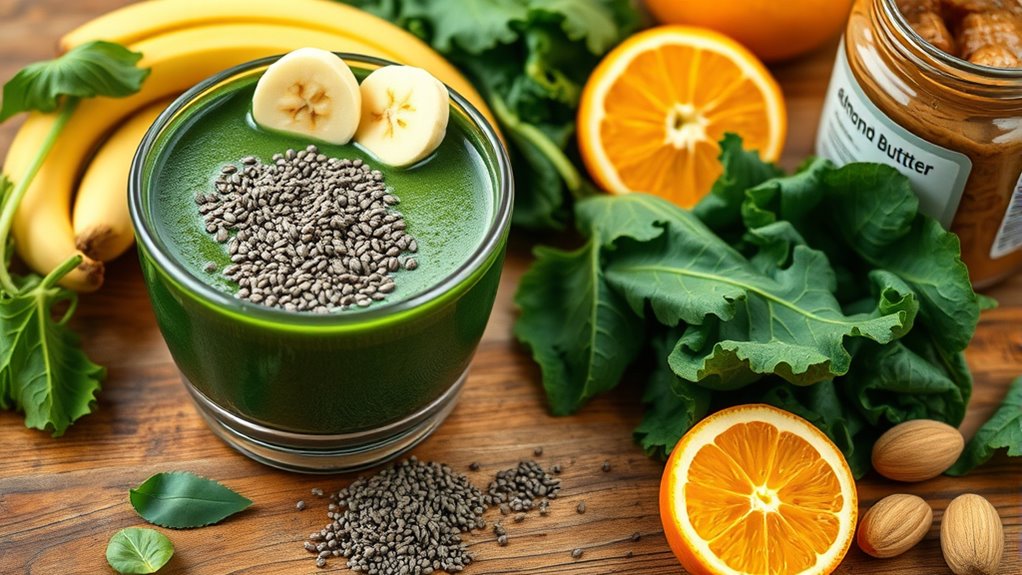
Plant-based proteins like legumes, tofu, and quinoa support muscle repair and balanced nutrition.
Meal timing plays a significant role in maximizing the benefits of a plant-based diet for athletes. Consuming protein-rich foods shortly after training helps jump-start muscle repair and reduces soreness. For example, having a smoothie with plant-based protein powder or a chickpea salad within 30 to 60 minutes post-workout guarantees your body gets the nutrients it needs when it’s most receptive. Additionally, spacing your meals evenly throughout the day maintains a steady supply of amino acids, supporting sustained energy levels and preventing muscle breakdown. Planning your intake around training sessions allows you to optimize recovery and performance by aligning your nutrition with your activity schedule.
You should also pay attention to how you combine your meals to optimize protein intake. Pairing grains with legumes, such as rice and beans or whole-grain toast with peanut butter, creates complete protein profiles that support muscle synthesis. Incorporating snacks rich in nuts, seeds, or hummus can provide additional protein and healthy fats, aiding in sustained energy. Remember, meal timing isn’t just about recovery; it’s also about consistent fueling. Eating every 3 to 4 hours helps maintain your energy levels during workouts and throughout your day. This approach prevents dips in blood sugar and keeps your muscles supplied with nutrients, which is especially important when you’re working hard and training frequently. Being aware of potential allergy risks and monitoring your body’s responses can help you avoid adverse reactions and ensure safe, effective nutrition.
Ultimately, embracing plant-based athletic nutrition requires thoughtful planning around protein sources and meal timing. When you choose diverse, nutrient-dense foods and strategically space your meals, you set yourself up for better performance, faster recovery, and long-term health. It’s not just about avoiding animal products; it’s about making intentional choices that support your athletic goals. With careful attention to what you eat and when you eat it, you’ll find that a plant-based diet can be highly effective for fueling your training and helping you reach new levels of performance.
Frequently Asked Questions
How Do Plant-Based Proteins Compare to Animal Proteins in Muscle Building?
Plant-based proteins like soy protein can effectively support muscle building, though they might have slightly lower leucine levels than animal proteins. You can still achieve ideal muscle synthesis by consuming a variety of plant sources to guarantee a complete amino acid profile. Soy protein, in particular, is rich in essential amino acids, making it a strong option for fueling muscle growth and recovery on a plant-based diet.
Are Plant-Based Supplements Effective for Athletic Performance?
Like a well-tuned orchestra, plant-based supplements can be highly effective for your athletic goals. They offer good supplement efficacy and often enhance nutrient absorption, supporting performance and recovery. While they may require more strategic planning, many athletes find plant-based options provide the necessary nutrients without compromising effectiveness. By choosing quality supplements, you can fuel your body efficiently and sustain peak performance, much like a finely crafted symphony.
Can Plant-Based Diets Meet the Energy Demands of Intense Training?
Yes, your plant-based diet can meet intense training energy demands. Focus on meal timing to guarantee you fuel up before workouts and recover afterward. Incorporate calorie-dense foods like nuts, seeds, and avocados to boost your intake without excess volume. Proper planning helps you maintain energy levels, optimize performance, and recover efficiently, proving that a plant-based diet can support even the most demanding athletic efforts.
What Are the Best Plant-Based Sources for Post-Workout Recovery?
Want the best plant-based sources for post-workout recovery? You should reach for recovery smoothies packed with bananas, berries, and plant-based protein powders—they replenish glycogen and repair muscles. Don’t forget plant-based snacks like nuts, seeds, or energy bars to keep your energy up. These options work together to optimize recovery, help you bounce back faster, and keep you ready for your next workout. The secret to sustained performance is right here.
How Do Plant-Based Athletes Prevent Nutritional Deficiencies?
To prevent deficiencies, you should include fortified foods or supplements for Vitamin B12, as plant sources lack it. Focus on iron-rich foods like lentils and spinach, and improve absorption by pairing them with vitamin C sources like citrus. Regularly monitor your levels through blood tests, and consider consulting a healthcare professional to tailor your diet, ensuring you meet your nutritional needs and support ideal performance and recovery.
Conclusion
Embracing plant-based athletic nutrition can truly elevate your performance and speed up recovery. With the right choices, you’ll feel energized and ready to conquer each workout. So, why not harness the power of plants to fuel your journey? By making mindful, nutritious decisions, you’re investing in your health and athletic goals. Isn’t it time you tapped into nature’s incredible potential and unbarred your full performance? The plant-powered path awaits—are you ready to take it?