

A vegan protein powder gift has to fit the recipient’s habits, dietary needs, and tolerance for unfamiliar flavors. The central choice is between a multi-source blend, usually built from ingredients such as pea, rice, or pumpkin seed, and a single-source powder made from one plant protein. Blends tend to be the safer pick for someone who wants a versatile everyday shake; single-source powders make more sense for a recipient who reads labels closely, already likes a particular protein, or wants fewer ingredients. Neither format is automatically better, and a premium price only pays off when it brings a benefit the recipient will notice.

Get health and wellness essentials delivered free with Prime
- Fast, free delivery on millions of items
- Prime Video, Amazon Music and more included
- Member-only deals all year

Orgain Organic Vegan Protein Powder Variety Pack, Five Flavors, 10 Pack
- ✔ Protein: 21 g per serving
- ✔ Sugar: Less than 1 g per serving
- ✔ Protein sources: Organic peas, brown rice, mung bean, and chia seeds
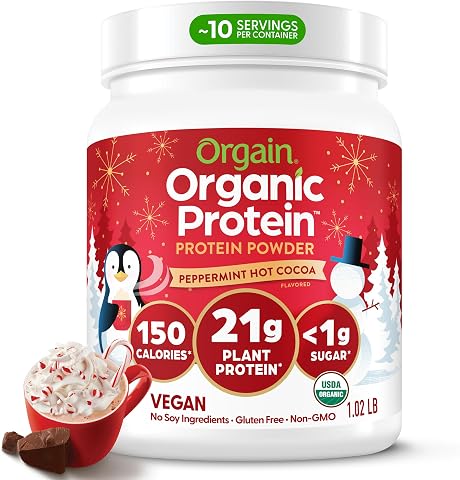
Orgain Organic Vegan Protein Powder, Peppermint Hot Cocoa, 1.02 lb
- ✔ Protein per serving: 21 g
- ✔ Protein sources: Organic peas, brown rice, and chia seeds
- ✔ Essential amino acids: All 9

Garden of Life Raw Organic Plant Protein Powder, Vanilla, 20 Servings
- ✔ Flavor: Vanilla
- ✔ Servings: 20
- ✔ Protein source: Pea protein
At a Glance
| Criteria | Vegan protein blends | Single-source vegan protein powders | Winner |
|---|---|---|---|
| Protein profile | Often combines sources to provide a broader amino acid mix | Varies by plant; some sources have less balanced amino acid profiles on their own | A |
| Taste and texture | Usually formulated for smoother texture and balanced flavor | Distinctive flavor and texture depend on the source | A |
| Ingredient simplicity | More ingredients, including possible flavorings or sweeteners | Typically a shorter ingredient list | B |
| Versatility | Often suited to shakes, oats, and baking | Works well when the recipient knows how they like to use it | A |
| Gift appeal | A polished, familiar choice for everyday use | A thoughtful fit for a recipient with clear preferences | Depends |
| Value | Can cost more; worthwhile when formulation and flavor matter | Often less costly, though specialty sources can carry a premium | Depends |
Orgain Organic Vegan Protein Powder Variety Pack, Five Flavors, 10 Pack
When we are unsure which flavor someone will want in their smoothie or morning oats, a sampler solves a real gifting problem: it gives the recipient room to find a favorite. This pack includes five flavors across 10 servings—chocolate, vanilla, strawberries and crème, iced coffee, and cookies and crème—so it feels more exploratory than the single-flavor Peppermint Hot Cocoa tub. That makes it our best overall choice for someone who already uses protein powder or is curious about trying it.Each serving supplies 21 g of protein from organic peas, brown rice, mung bean, and chia, with less than 1 g of sugar. It can be added to drinks, smoothies, oats, or baked goods, giving the recipient several ways to use it. Compared with Garden of Life’s vanilla option, this pack emphasizes flavor choice over a workout-oriented set of extras such as BCAAs and digestive enzymes.The main drawback is also tied to its broad blend: the ingredient list includes several plant proteins, so it is a poor surprise for someone avoiding peas, rice, mung bean, or chia. The serving format is also a trial assortment rather than a longer supply of one favorite. We would pick it for variety and skip it when we know the recipient wants a particular flavor or a single-source protein.
Pros:
- Five flavors make it easier to find a preferred taste.
- Provides 21 g of protein per serving with less than 1 g of sugar.
- USDA Organic and plant-based; described as gluten-free, non-GMO, soy-free, and dairy-free.
- Can be mixed into drinks and smoothies or added to oats and baked goods.
Cons:
- Contains multiple plant protein ingredients, including pea, rice, mung bean, and chia.
- Ten servings make this more of a tasting assortment than a long-term supply.
- Fat varies by flavor, from 3.5 to 4.5 g per serving.
Best for: A vegan protein powder user who likes trying different flavors or a recipient whose flavor preference we do not know.
Not ideal for: Someone avoiding pea, rice, mung bean, or chia, or someone who wants a larger supply of one familiar flavor.
Bottom line: We recommend this sampler when flavor discovery matters more than committing to one variety or choosing a workout-specific formula.
“We recommend this sampler when flavor discovery matters more than committing to one variety or choosing a workout-specific formula.”
Orgain Organic Vegan Protein Powder, Peppermint Hot Cocoa, 1.02 lb
This is the most clearly themed gift in our lineup: Peppermint Hot Cocoa signals a cozy, seasonal use, while still offering the flexibility of a protein powder. The recipient can mix it into drinks or use it in smoothies, oats, and baked goods. Against Orgain’s five-flavor sampler, this tub trades choice for a more focused flavor experience; it is a better fit when we know the recipient enjoys mint and chocolate than when we are guessing.Its nutritional profile is straightforward: 21 g of protein from organic peas, brown rice, and chia seeds, all nine essential amino acids, 0 g sugar, and 5 g of prebiotic fiber per serving. The product is also described as vegan, gluten-free, kosher, non-GMO, soy-free, and dairy-free, with USDA Organic and plant-based certifications. For a recipient who likes a cocoa-style protein option, the flavor gives this gift more personality than Garden of Life’s plain vanilla.That specificity is the risk. Peppermint can be divisive, and the inclusion of chia makes it unsuitable for someone who avoids that ingredient. We would not choose it as a neutral first protein powder unless we knew the recipient’s taste. But for someone who welcomes seasonal flavors and wants one versatile tub, it has a clearer gift identity than a standard vanilla powder.
Pros:
- Distinct Peppermint Hot Cocoa flavor feels more gift-specific than plain vanilla.
- Provides 21 g of protein and all nine essential amino acids per serving.
- Has 0 g sugar and 5 g of prebiotic fiber per serving.
- Can be used in drinks, smoothies, oats, and baked goods.
Cons:
- Peppermint Hot Cocoa is a specific flavor that may not suit everyone.
- Contains chia seeds, which may be an ingredient concern for some recipients.
- One flavor offers less room to experiment than the five-flavor Orgain pack.
Best for: Someone who enjoys peppermint and chocolate flavors and would appreciate a seasonal, multipurpose pantry gift.
Not ideal for: A recipient who prefers unflavored or classic vanilla powders, dislikes mint, or avoids chia seeds.
Bottom line: We would choose this seasonal tub for a known peppermint-and-cocoa fan, but the sampler is the safer Orgain gift when flavor preferences are uncertain.
“We would choose this seasonal tub for a known peppermint-and-cocoa fan, but the sampler is the safer Orgain gift when flavor preferences are uncertain.”
Garden of Life Raw Organic Plant Protein Powder, Vanilla, 20 Servings
Garden of Life’s vanilla powder is the most specialized choice here. It provides 22 g of pea protein and 4 g of BCAAs per serving, plus probiotics and digestive enzymes. Those additions make it the clearest match for a recipient who already thinks about protein as part of a training or recovery routine. Compared with the Orgain sampler, it gives up flavor variety; compared with Peppermint Hot Cocoa, it favors a familiar vanilla profile over a seasonal treat.The stated serving profile also includes 130 calories and 1 g of net carbs, with 5 g of fiber. Certifications listed include USDA Organic, Non-GMO Project Verified, vegan, kosher, NSF Certified Gluten-Free, and NSF Contents Certified. These details may help a recipient with particular diet preferences narrow their options, though they do not remove the need to check the full ingredient label for individual sensitivities.We would be cautious about gifting it to a casual user who mainly wants something fun to sample. The tub has one flavor and 20 servings, and the product information says to mix it with 10 oz of liquid for optimal texture. That is less grab-and-go than the Orgain 10-serving assortment. It also uses pea protein, so it is not a fit for someone avoiding peas; the product notes advise consulting a pediatrician before use by children. For an adult who already wants a vanilla protein powder with added workout-oriented ingredients, it is the strongest specialist pick.
Pros:
- Provides 22 g of pea protein and 4 g of BCAAs per serving.
- Includes probiotics and digestive enzymes.
- Lists 130 calories, 1 g net carbs, and 5 g fiber per serving.
- Carries several stated organic, vegan, non-GMO, and gluten-free certifications.
Cons:
- Vanilla is the only listed flavor, so it offers less variety than the Orgain sampler.
- The product recommends mixing with 10 oz of liquid for optimal texture.
- Contains pea protein and is not recommended for children without pediatrician consultation.
Best for: An adult who regularly uses protein powder around workouts and values BCAAs, probiotics, and digestive enzymes.
Not ideal for: A flavor-curious beginner, someone avoiding pea protein, or someone seeking a compact assortment rather than a 20-serving tub.
Bottom line: We recommend this as a targeted gift for an adult with a workout-centered routine, while the Orgain variety pack better suits recipients who value flavor discovery.
“We recommend this as a targeted gift for an adult with a workout-centered routine, while the Orgain variety pack better suits recipients who value flavor discovery.”
As an Amazon Associate we earn from qualifying purchases.
Key Differences
The biggest practical gap is predictability. A blend is usually designed to taste and mix like a complete product, so it is more likely to work for someone who simply wants to add protein to breakfast or a post-workout shake. Combining sources can also broaden the amino acid profile compared with relying on one plant alone. Still, recipes differ, and a blend’s label is worth checking for protein per serving, sweeteners, allergens, and serving size.
A single-source powder is less of a guess when you know the recipient’s preferences. Pea, soy, rice, hemp, and other plant proteins each bring different flavors, textures, and nutrition profiles. That simplicity can suit a person who avoids certain additives or wants control over what goes into a shake. It can also make an uninformed gift riskier: an earthy, chalky, or strongly flavored powder may sit unused if it does not match the recipient’s taste.
Price alone does not settle the choice. A blend can justify a higher price if better flavor or easier mixing makes regular use more likely. A basic single-source powder can be the better value for someone who already knows what works. When the recipient’s preferences are unknown, choose a modestly sized, clearly labeled blend from a reputable brand, or pair a small powder with a gift receipt.
Detailed Comparison
Protein profile (Vegan protein blends wins — moderate)
A blend wins by combining plant sources that can complement one another’s amino acid profiles. The gap is moderate: a varied diet also supplies amino acids, and a single-source powder can still be useful, but the blend is a more straightforward all-purpose gift. Check the label for protein per serving and the actual sources rather than assuming every blend is nutritionally equivalent.
Taste and texture (Vegan protein blends wins — moderate)
Blends have a moderate advantage because many are formulated to soften the flavor and texture of their component proteins. Single-source powders vary widely; some have a pronounced earthy or beany note, and texture can be grainier. The recipient’s palate can reverse the result, so a known favorite source matters more than the category.
Ingredient simplicity (Single-source vegan protein powders wins — moderate)
Single-source powders usually win by keeping the ingredient list shorter. This is a moderate advantage for recipients who prefer minimal processing or want to avoid particular flavors and sweeteners. Simpler does not automatically mean safer: check for allergen statements, cross-contamination notices, and any ingredients the recipient avoids.
Versatility (Vegan protein blends wins — moderate)
Blends take a minor-to-moderate lead for general use because balanced flavor and texture can make them easier to add to smoothies, oatmeal, or baking. A single-source powder can be equally versatile for a practiced user who has recipes that suit it. For a gift without much preference information, the blend is less likely to require experimentation.
Gift appeal (moderate difference)
This depends on the recipient. A well-presented blend feels like an easy everyday upgrade, while a single-source powder feels more personal when it matches a known preference or dietary rule. The difference is moderate: a premium package cannot compensate for the wrong flavor or ingredients, so a gift receipt or smaller size helps when uncertain.
Value (minor difference)
Neither type wins on price in every case. Single-source powders are often cheaper per serving, giving them a minor edge for a recipient who already likes that protein. A blend can be worth more when its taste, mixing, or broader profile leads to regular use. Compare cost per serving alongside protein per serving, not just tub price.
Vegan protein blends: Pros and Cons
Pros:
- Often combines complementary plant sources
- Frequently formulated for a smoother, more familiar shake
- Flexible for smoothies, oats, and some baking
Cons:
- May include more flavorings, sweeteners, or other ingredients
- Can cost more than a basic single-source option
- Formulas and protein amounts vary, so labels need comparison
Single-source vegan protein powders: Pros and Cons
Pros:
- Usually has a shorter ingredient list
- Can be a strong value when bought in a familiar form
- Suits recipients who want a specific protein source
Cons:
- Taste and texture can be more pronounced
- A single source may have a less balanced amino acid profile
- A poor match for the recipient’s preferences can make it a risky gift
Who Should Choose What
Choose Vegan protein blends if:
- The recipient wants a convenient everyday shake and has no known favorite protein source.
- You want a versatile powder that can go into smoothies or breakfast foods.
- They care about a varied plant protein profile and are comfortable with a longer ingredient list.
Choose Single-source vegan protein powders if:
- You know the recipient prefers pea, soy, rice, hemp, or another specific source.
- They prioritize a short ingredient list and will check the label themselves.
- You have found a single-source product that costs less per serving and matches their taste.
Skip both if: Skip protein powder if the recipient has allergies or dietary restrictions you cannot verify, does not use supplements, or would prefer a non-food gift.
Value for Money
Pay more for a blend only when the added formulation solves a real problem: a more appealing taste, easier mixing, or convenience for someone who uses protein regularly. Those features can make the cost worthwhile if they prevent an expensive tub from going unused. For a recipient who already likes a basic pea or soy powder, the premium may buy little they value. Compare price per serving and protein amount, and avoid treating claims such as “complete” or “clean” as proof of quality without checking the nutrition and ingredient panels.
Final Verdict
For most recipients whose preferences you do not know, choose a reputable vegan blend in a flavor they are likely to enjoy. It is the more practical, lower-guesswork gift because it is often formulated for everyday use and combines multiple protein sources. Choose a single-source powder when you know the person prefers that ingredient or wants a short, specific label. The deciding factor is whether convenience or ingredient control matters more to the person who will use it; pay a premium only for a benefit they are likely to notice.
Frequently Asked Questions
Is a vegan protein blend better than a single-source powder?
For an all-purpose gift, often yes: a blend can combine complementary plant sources and may be easier to mix and flavor. A single-source powder is a better fit when the recipient has a known preference or values a short ingredient list.
Which vegan protein powder is safest to give as a gift?
There is no universally safe option. Check the recipient’s allergies and dietary restrictions, then review the ingredient and allergen statements. If you cannot confirm them, choose a different gift.
Should I buy a flavored or unflavored powder?
Choose flavored when you know the person likes that flavor and uses shakes. Unflavored is more adaptable for recipes, but some plant proteins have a noticeable taste even without added flavor. A small size reduces the risk of a mismatch.
Is an expensive vegan protein powder worth gifting?
Only if the higher price reflects a feature the recipient values, such as a preferred taste, easier mixing, or a verified protein amount they want. A familiar, affordable powder is better value for someone who already knows what works.