

TL;DR

Get health and wellness essentials delivered free with Prime
- Fast, free delivery on millions of items
- Prime Video, Amazon Music and more included
- Member-only deals all year
Scientists have created a bioengineered chewing gum designed to fight human papillomavirus (HPV) and other microbes. The development is in early stages, but it could lead to new preventive health measures.
Researchers have unveiled a bioengineered chewing gum that shows promise in fighting HPV and other microbes. This innovation could lead to new, non-invasive methods of disease prevention, especially for sexually transmitted infections like HPV. The development is currently in early testing phases, with no approved products yet.
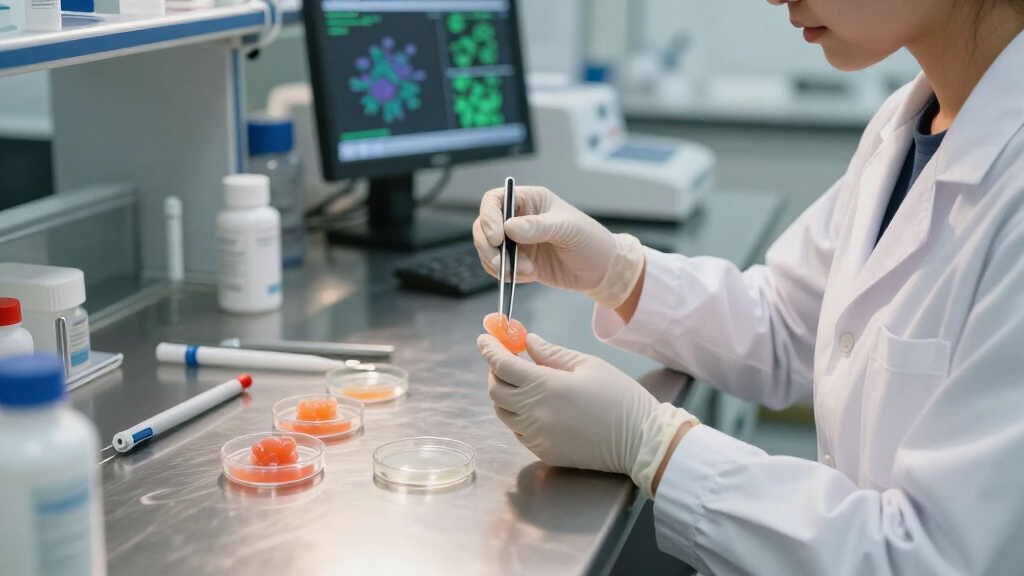
The bioengineered gum was created by a multidisciplinary team of scientists aiming to deliver antimicrobial agents directly through oral contact. According to the research team, the gum contains genetically engineered compounds capable of targeting HPV and a range of bacteria and viruses. Laboratory tests have shown that the gum can inhibit the growth of HPV in cell cultures, and preliminary safety assessments suggest it is well tolerated.
While these findings are promising, the research remains in early stages. The team has not yet conducted human clinical trials, and regulatory approval processes are still to come. The gum’s effectiveness in real-world settings, including its duration of action and potential side effects, remains to be established.
Potential Impact on Disease Prevention Strategies
If successful through further testing, this bioengineered chewing gum could offer a non-invasive, easy-to-use method to reduce the transmission of HPV and other infections. It could complement existing vaccines and treatments, especially in populations with limited access to healthcare. The development also highlights advances in biotech and oral delivery systems, which may expand to target other pathogens in the future.
As an affiliate, we earn on qualifying purchases.
Advances in Microbial-Targeting Bioengineering
Recent years have seen growing interest in bioengineering approaches to disease prevention, including vaccines and topical agents. The concept of delivering antimicrobial compounds via chewing gum is relatively new but builds on previous research into oral drug delivery systems. HPV vaccines are effective but not universally accessible, and existing treatments for HPV-related conditions are limited. This new development aims to fill gaps by providing a potential preventive tool that can be easily distributed and used.
The research was announced in late 2023 by a team from a biotech university, with ongoing studies focused on optimizing the formulation and testing safety in humans. It is not yet clear when such a product might reach commercial availability.
bioengineered oral health supplements
As an affiliate, we earn on qualifying purchases.
As an affiliate, we earn on qualifying purchases.
Uncertainties About Effectiveness and Approval
It is not yet clear how effective the bioengineered gum will be in real-world conditions or how long its antimicrobial effects will last. Human clinical trial results are pending, and regulatory approval processes have not yet begun. Additionally, potential side effects or interactions with other oral health products remain unknown.
As an affiliate, we earn on qualifying purchases.
Next Steps in Testing and Development
The research team plans to conduct human clinical trials to assess safety, dosage, and efficacy. If results are positive, they will seek regulatory approval, which could take several years. Meanwhile, further optimization of the formulation is underway to enhance stability and antimicrobial activity. Researchers also aim to explore the gum’s potential to target other pathogens.
As an affiliate, we earn on qualifying purchases.
Key Questions
How does the bioengineered gum work to fight microbes?
The gum contains genetically engineered compounds designed to target and inhibit the growth of HPV and other microbes in the mouth and throat, releasing active agents upon chewing.
Is this gum safe for regular use?
Safety assessments in laboratory settings suggest it is well tolerated, but comprehensive safety data from human trials are still needed before it can be recommended for regular use.
Could this gum replace vaccines for HPV?
Not currently. The gum is intended as a supplementary preventive measure, and vaccines remain the most effective way to prevent HPV infection. The gum could enhance overall prevention strategies if proven effective.
When might this product become available to consumers?
If clinical trials and regulatory approvals proceed smoothly, it could still be several years before the gum is commercially available.
Can this technology target other microbes or viruses?
Researchers are exploring the potential to adapt the bioengineering platform to target additional pathogens, but this is still in early research stages.
Source: hn
Fall Picks
fall essentials
As an affiliate, we earn on qualifying purchases.