
To think about calcium on a dairy-free diet, focus on choosing plant-based sources like leafy greens, fortified plant milks, tahini, sesame seeds, figs, and almonds. Be aware that some plants, like spinach, contain oxalates that limit calcium absorption, so opt for greens like collard or turnip greens instead. Also, include vitamin D-rich foods or safe sun exposure to enhance calcium uptake. Staying mindful of these factors helps maintain strong bones—more tips await as you explore further.

Get health and wellness essentials delivered free with Prime
- Fast, free delivery on millions of items
- Prime Video, Amazon Music and more included
- Member-only deals all year
Key Takeaways
- Incorporate a variety of plant-based calcium sources like leafy greens, fortified plant milks, nuts, and seeds.
- Be aware that oxalates and phytates in some greens can reduce calcium absorption; choose lower-oxalate options.
- Pair calcium-rich foods with vitamin D sources or safe sun exposure to enhance calcium absorption.
- Consider calcium supplements if dietary intake is insufficient, but consult a healthcare professional for appropriate dosing.
- Regularly include diverse calcium foods and monitor overall nutrient intake to support bone health without dairy.

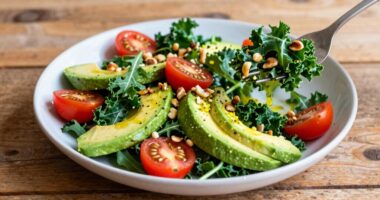
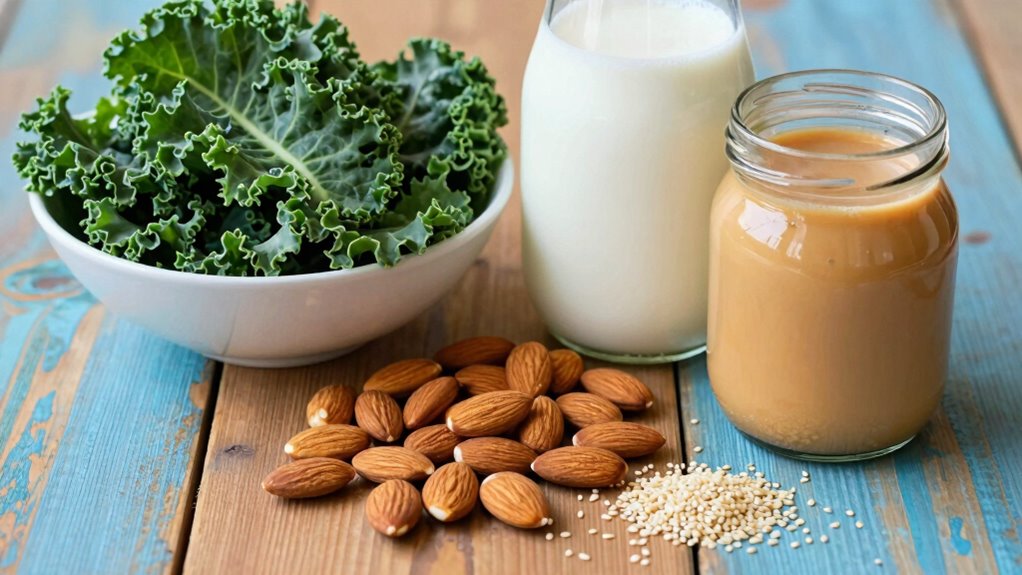
If you’re avoiding dairy, you might worry about getting enough calcium, but there are plenty of other ways to meet your needs. The good news is that a variety of plant-based sources can help you reach your daily calcium goals. Leafy greens like kale, collard greens, and bok choy are excellent options, providing calcium along with other essential nutrients. Fortified plant milks—such as almond, soy, or rice milk—are often enriched with calcium, making them a convenient alternative to dairy. Additionally, foods like tahini, sesame seeds, figs, and almonds offer decent amounts of calcium and can be easily incorporated into your meals and snacks.
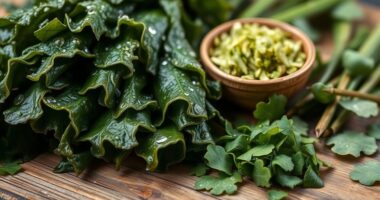
You should also consider the bioavailability of calcium in different plant-based sources. Some plant foods contain compounds like oxalates and phytates that can bind calcium and reduce absorption. For example, spinach and beet greens are rich in calcium but also high in oxalates, which may limit how much calcium your body can actually utilize. On the other hand, greens like collard greens and turnip greens contain lower levels of these compounds, making their calcium more accessible. To maximize absorption, it’s helpful to include vitamin D-rich foods or safe sun exposure, as vitamin D is essential for calcium uptake.
Supplements are another option to guarantee you’re meeting your calcium needs, especially if dietary sources fall short. When considering supplements, look for calcium citrate or calcium carbonate, which are well-absorbed forms. Keep in mind that taking excessive amounts of calcium from supplements can cause side effects like kidney stones, so it’s best to discuss your needs with a healthcare provider. They can help determine whether supplementation is necessary and advise on appropriate dosages. Remember, supplements should complement a balanced diet, not replace it.
Balancing your diet with a variety of plant-based sources of calcium and considering supplement options can help you maintain strong bones and overall health without dairy. Focus on incorporating a range of calcium-rich foods regularly, and be mindful of factors that influence absorption. If you’re unsure about your intake or need personalized advice, consulting a registered dietitian can help tailor a plan suited to your lifestyle and nutritional needs. By paying attention to both your dietary choices and supplement considerations, you can confidently navigate a dairy-free diet while keeping your calcium levels adequate.
As an affiliate, we earn on qualifying purchases.
Frequently Asked Questions
Can I Get Enough Calcium From Plant-Based Sources Alone?
Yes, you can get enough calcium from plant-based sources alone. Plant-based calcium, found in foods like leafy greens, tofu, almonds, and fortified plant milks, can meet your daily needs. Vegan calcium supplements are also an option if you’re concerned. Just make certain you’re consuming a variety of calcium-rich foods regularly to maintain healthy bones and overall health without relying on dairy.
Are Calcium Supplements Necessary on a Dairy-Free Diet?
Calcium supplements can be essential, especially if your calcium bioavailability from plant sources isn’t enough. You might need supplements if you struggle to meet your calcium needs through diet alone. Consider supplement timing—taking them with meals can enhance absorption. Prioritize calcium-rich foods first, then supplement if necessary. Consulting a healthcare professional helps determine your specific needs, ensuring your bones stay strong without over-relying on supplements.
How Does Calcium Absorption Work Without Dairy?
Calcium absorption without dairy relies on plant-based calcium sources, which can have varying bioavailability. You absorb calcium more effectively from foods like leafy greens, fortified plant milks, and sesame seeds. To maximize absorption, include vitamin D-rich foods or supplements, as vitamin D enhances calcium bioavailability. While plant-based calcium can be less bioavailable than dairy, a balanced diet with diverse sources helps guarantee you meet your calcium needs effectively.
What Are Signs of Calcium Deficiency?
If you have a calcium deficiency, you might notice weak bones, increased fractures, or muscle cramps, which can threaten your bone health. Dietary restrictions can make it tricky to get enough calcium, so watch for signs like numbness or tingling. Staying aware of these symptoms helps you address deficiencies early, ensuring your bones stay strong despite avoiding dairy. Consuming calcium-rich plant foods and supplements can support your overall health.
Do Non-Dairy Calcium Sources Vary in Absorption Rates?
Yes, non-dairy calcium sources do vary in absorption rates. Calcium bioavailability depends on the food’s composition, and some plant-based calcium sources, like leafy greens and fortified foods, offer better absorption than others. Factors such as oxalates and phytates in certain plants can hinder calcium absorption. To maximize your intake, include a variety of plant-based calcium foods and consider fortified options to guarantee you’re meeting your calcium needs effectively.
fortified plant milk with calcium
As an affiliate, we earn on qualifying purchases.
As an affiliate, we earn on qualifying purchases.
Conclusion
So, as luck would have it, thinking about calcium on a dairy-free diet isn’t as tricky as it seems. With a little awareness, you’ll find plenty of tasty alternatives—like leafy greens, fortified drinks, and nuts—that keep your bones strong. Sometimes, it’s funny how the right choice appears just when you need it. Trust your instincts, stay curious, and you might just discover a new favorite way to meet your calcium needs without missing out.
As an affiliate, we earn on qualifying purchases.
As an affiliate, we earn on qualifying purchases.
Fall Picks
fall essentials
As an affiliate, we earn on qualifying purchases.