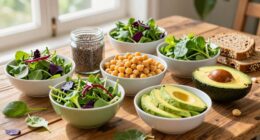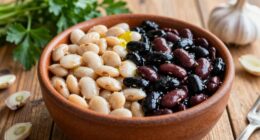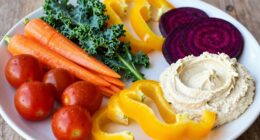
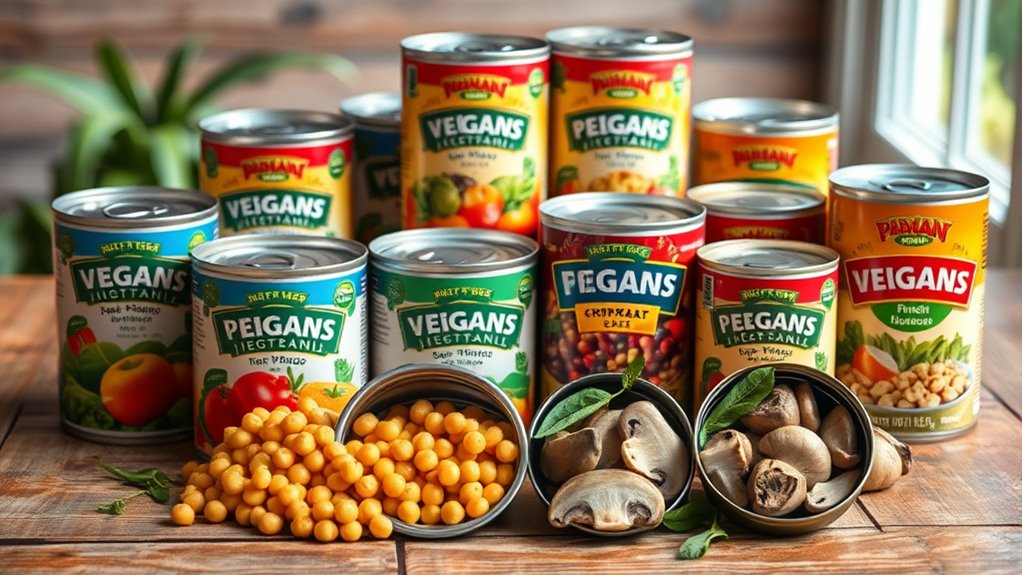
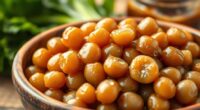
Canned foods are a nutritious, convenient option for vegans, providing essential nutrients like fiber, vitamins, and plant-based protein. Look for options like beans, lentils, and vegetables labeled “low sodium” or “BPA-free” for healthier choices. They’re versatile, easy to store, and perfect for quick meals. By choosing the right canned products and learning flavor-boosting tips, you can enjoy tasty, nutritious dishes anytime—discover how to make the most of your pantry staples.
Key Takeaways
- Canned beans, vegetables, and fruits are nutrient-dense, providing fiber, vitamins, and minerals essential for a balanced vegan diet.
- Opt for BPA-free cans and rinse canned foods to reduce sodium content and ensure food safety.
- Choosing minimally processed, low-sodium, or no-added-sugar canned options enhances nutritional value.
- Combining canned foods with whole grains and fresh ingredients boosts overall meal nutrition and flavor.
- Proper storage and seasoning techniques can improve taste and maintain nutrient integrity of canned vegan staples.

Canned foods are an essential part of many vegan diets because they offer convenient, shelf-stable options that are often just as nutritious as fresh produce. When you’re planning your meals, incorporating canned vegetables, beans, and fruits can save you time and reduce food waste. To maximize their benefits, it’s helpful to develop some meal prep tips that streamline your cooking process. For example, rinsing canned beans and vegetables before use can remove excess sodium, making them healthier and more palatable. You can also pre-portion canned ingredients into meal-sized containers, so when you’re ready to cook, everything is ready to go. This approach minimizes prep time, helps you stay organized, and encourages consistency in your meals.
Flavor enhancement is key to making canned foods taste fresh and appealing. Since some canned items can have a slightly metallic or bland flavor, adding herbs, spices, or acidic ingredients like lemon juice or vinegar can elevate their taste. A pinch of garlic powder, smoked paprika, or cumin can transform a simple can of chickpeas into a flavorful addition to salads or bowls. When you’re seasoning canned tomatoes or beans, tasting as you go allows you to adjust the flavors and avoid over-salting. Incorporating aromatics such as onions or fresh herbs during cooking can also boost flavor and make your dishes more vibrant. These small tweaks not only improve taste but also help you enjoy the nutritional benefits of canned foods without sacrificing flavor. Additionally, choosing high-quality cans with BPA-free linings can help maintain the purity and safety of your food. These small tweaks not only improve taste but also help you enjoy the nutritional benefits of canned foods without sacrificing flavor.
In terms of meal prep tips, consider cooking larger batches of canned ingredients and storing them in your fridge or freezer. This way, you can quickly assemble meals like stir-fries, stews, or grain bowls without starting from scratch each time. Using canned foods as a base allows you to focus on adding fresh ingredients, herbs, and spices to customize your dishes. Additionally, combining canned items with whole grains like rice or quinoa can create balanced, filling meals that are easy to prepare and versatile. With the right techniques, you can turn canned foods into flavorful, nutritious, and convenient meals that fit into your busy schedule.
Ultimately, canned foods are a valuable resource for vegans seeking quick, nutritious options. By applying smart meal prep tips and focusing on flavor enhancement, you can enjoy their convenience without sacrificing taste or health. These strategies empower you to make the most of canned ingredients, turning simple pantry staples into delicious, satisfying meals every day.

BUSH'S BEST 16 oz Canned Pinto Beans, Source of Plant Based Protein and Fiber, Low Fat, Gluten Free, Great For Soups, Salads and More, (Pack of 12)
CANNED PINTO BEANS: Although pinto beans originated in Peru, they’re now the most common bean in the United…
As an affiliate, we earn on qualifying purchases.
As an affiliate, we earn on qualifying purchases.
Frequently Asked Questions
Are Canned Vegetables as Nutritious as Fresh Ones?
Canned vegetables can be just as nutritious as fresh ones because they often retain most nutrients through preservation methods like blanching and sealing. While some water-soluble vitamins may decrease slightly during processing, canned options still provide essential nutrients. You should choose canned vegetables with no added salt or preservatives to maximize their health benefits. Overall, canned vegetables are a convenient, nutritious choice when fresh options aren’t available.
How Long Do Canned Foods Typically Last?
Did you know canned foods can last 1 to 5 years? You should always check expiration dates before consuming them. Typically, canned foods stay safe for years if stored properly. To maximize shelf life, store cans in a cool, dry place away from sunlight. Proper storage tips include avoiding dents or rust, as these can compromise the can’s integrity and safety. So, your canned goods can last a good while with proper care!
Can Canned Foods Be Part of a Low-Sodium Diet?
Yes, canned foods can be part of a low-sodium diet if you check the sodium content on labels. Look for low-sodium or no-salt-added options to reduce your intake. You can also rinse canned foods to remove excess sodium. For healthier alternatives, consider fresh or frozen produce, which naturally have lower sodium levels and can help you maintain your diet goals more effectively.
Are There Vegan-Friendly Canned Protein Options?
Imagine grabbing a can of chickpeas, a perfect vegan canned option packed with plant-based proteins. Yes, there are many vegan canned options like lentils, chickpeas, and black beans, which offer excellent protein sources. These plant-based proteins are convenient, shelf-stable, and versatile, making them ideal for quick meals. Incorporate them into salads, stews, or wraps to boost your protein intake effortlessly and maintain a vegan diet with ease.
How Should Canned Foods Be Stored After Opening?
After opening canned foods, you should transfer the contents into an airtight container and store it in the refrigerator. This helps guarantee storage safety and prevents spoilage. Keep the canned food cold and consume it within 3-4 days to maintain freshness and nutritional value. Always check for any signs of spoilage, like an off smell or mold, before eating, to stay safe.
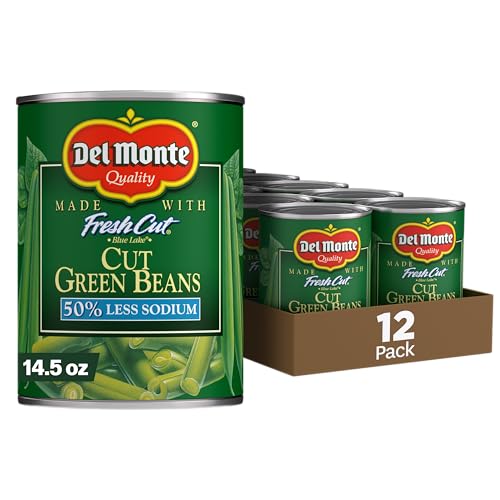
DEL MONTE FRESH CUT BLUE LAKE 50% Reduced Sodium Cut Green Beans, Canned Vegetables, 12 Pack, 14.5 oz Can
DEL MONTE FRESH CUT BLUE LAKE 50% Reduced Sodium Cut Green Beans, Canned Vegetables, 12 Pack, 14.5 oz…
As an affiliate, we earn on qualifying purchases.
As an affiliate, we earn on qualifying purchases.
Conclusion
Canned foods for vegans are like a treasure chest, offering convenience and nutrition in one package. By choosing wisely, you open a wealth of vitamins, minerals, and plant-based goodness that fuels your day. Remember, your pantry is your map—navigate it with care to find the best options. With smart choices, you’ll keep your diet vibrant and your health thriving, turning everyday meals into a delicious adventure.

Amy's Soup, Organic Light in Sodium Variety Pack, Vegetable, Split Pea and Lentil Canned Soup, Made With Organic Vegetables, Pack of 6
Six (6) cans of Amy's Light in Sodium Soup – two (2) 14.5-oz Lentil Vegetable Soups, two (2)…
As an affiliate, we earn on qualifying purchases.
As an affiliate, we earn on qualifying purchases.

BUSH'S BEST 16 oz Canned Garbanzo Beans (Chickpeas), Source of Plant Based Protein and Fiber, Vegetarian, Low Fat, Gluten Free, (Pack of 12)
GARBANZO BEANS: Bush’s Garbanzo Beans don’t stop at offering plant-based protein and fiber – they open up a…
As an affiliate, we earn on qualifying purchases.
As an affiliate, we earn on qualifying purchases.