Choosing a vegan diet helps promote a circular economy by cutting down on resource use like land, water, and energy needed for animal agriculture. It encourages reusing, recycling, and composting organic waste, which reduces overall food waste. Plant-based foods are more efficient, generating less environmental impact from production to consumption. By making this change, you support sustainable food systems and help minimize waste. Keep exploring to discover more ways your choices can restore balance to our planet.
Key Takeaways
- Vegan diets lessen resource consumption by requiring less land, water, and energy compared to animal-based foods.
- Plant-based foods facilitate recycling and composting, supporting circular economy practices and waste reduction.
- Shifting to vegan reduces environmental degradation from resource overuse in food production.
- Vegan diets promote local, seasonal produce, decreasing transportation emissions and enhancing resource efficiency.
- Embracing plant-based eating fosters sustainable food systems that minimize waste and maximize resource reuse.
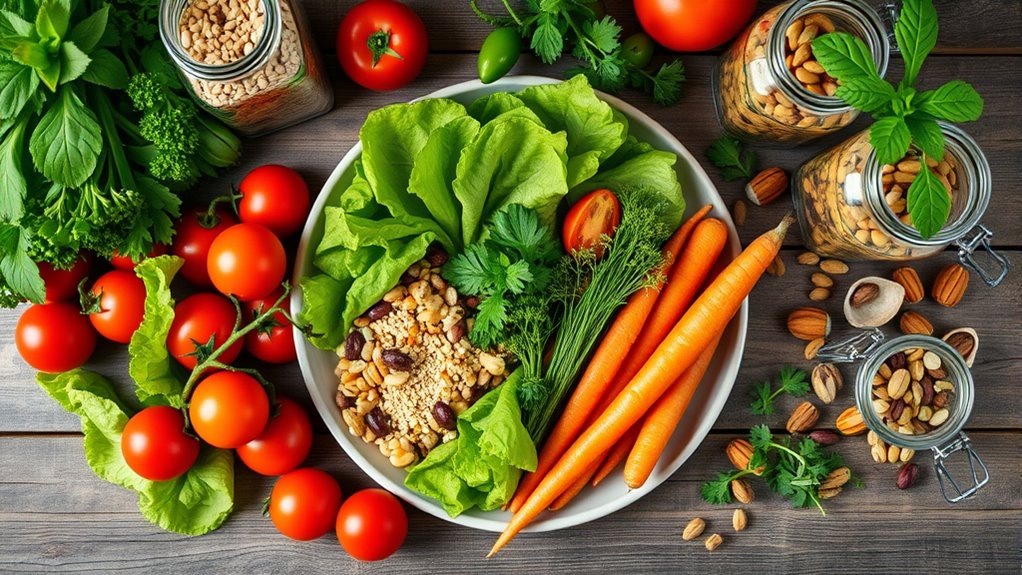
Have you ever wondered how we can reduce food waste and make the most of our resources? Embracing a circular economy in food offers a powerful solution. Instead of following the traditional linear model—where food is produced, consumed, and then discarded—this approach emphasizes reusing, recycling, and repurposing every resource involved. By doing so, you actively contribute to minimizing food waste and maximizing resource efficiency. When you choose a vegan diet, you participate directly in this sustainable cycle. Plant-based foods typically require less land, water, and energy compared to animal products, which means fewer resources are used from the start. This reduction helps prevent the excessive depletion of natural resources and lowers the amount of waste generated at each stage of food production.
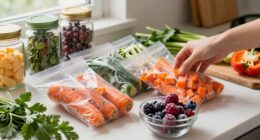
Reducing food waste is central to making our food systems more sustainable. When you buy only what you need, store food properly, and plan meals ahead, you prevent excess from ending up in the trash. Composting scraps instead of throwing them away creates a cycle where organic waste becomes valuable fertilizer, nourishing the soil for future crops. This process not only cuts down on landfill waste but also ensures that nutrients are returned to the earth, closing the loop in the food system. A vegan diet supports this cycle because it often involves less processed foods and encourages the use of whole, plant-based ingredients that can be easily repurposed or composted. Incorporating food waste management strategies can further enhance these benefits.
Buying only what you need and composting scraps helps close the food waste loop sustainably.
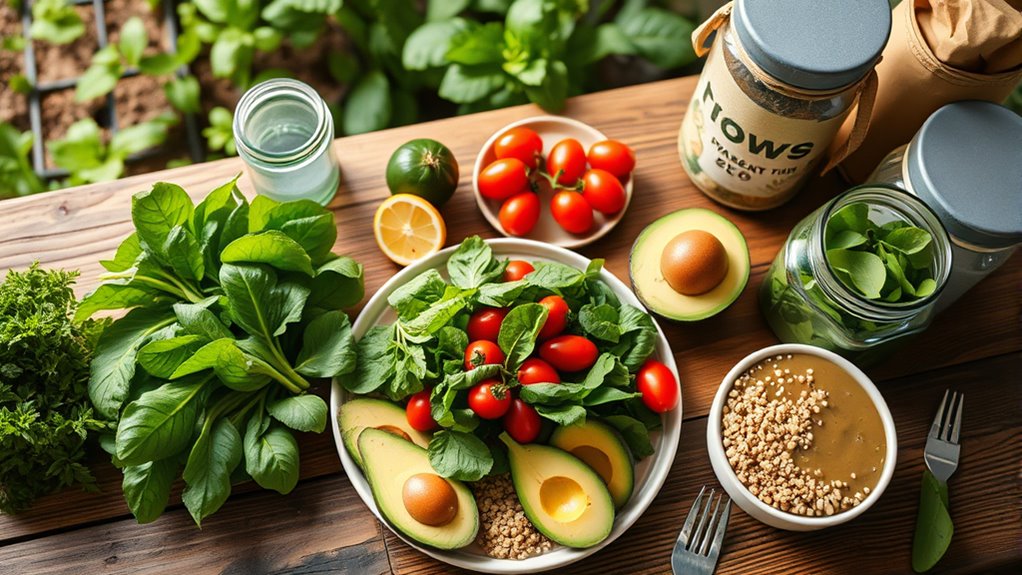
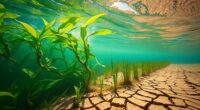
Resource efficiency plays a key role in this sustainable approach. Producing plant-based foods generally consumes fewer resources—less water, land, and energy—compared to animal agriculture. For example, growing vegetables and grains needs considerably less water than raising livestock. When you shift to a vegan diet, you’re helping to reduce the strain on natural resources, which means less environmental degradation and less waste of these finite supplies. Furthermore, plant-based diets often promote the use of leftovers and imperfect produce, further reducing food waste. Supporting local farmers and buying seasonal produce also enhances resource efficiency by decreasing transportation emissions and energy use.
In adopting a vegan lifestyle, you’re not just making a personal health choice; you’re actively participating in a circular economy that values sustainability and resourcefulness. Every meal becomes an opportunity to reduce waste, conserve resources, and foster a more resilient food system. By choosing plant-based foods, you help create a cycle where resources are used wisely, waste is minimized, and the environment benefits. It’s a small change with a ripple effect—one that emphasizes the importance of resource efficiency and sustainable living for a healthier planet.

50-Pack Reusable Meal Prep Containers Microwave Safe Food Storage Containers with Lids, 28 oz – 1 Compartment Take Out Disposable Plastic Bento Lunch Box To Go, BPA Free – Dishwasher & Freezer Safe
🍱SINGLE 1 COMPARTMENT MEAL PREP CONTAINERS, LEAK PROOF, STRONG DURABLE CONSTRUCTION – Advance meal prep containers, diet portion…
As an affiliate, we earn on qualifying purchases.
As an affiliate, we earn on qualifying purchases.
Frequently Asked Questions
How Does Veganism Impact Food Waste Reduction?
By choosing a vegan diet, you help reduce food waste through meat reduction, which lowers the demand for resource-heavy animal products. This shift encourages better food redistribution efforts, as plant-based foods typically have a longer shelf life and less spoilage. Your choices support a circular economy by minimizing waste and promoting sustainable practices, making it easier to reuse and redistribute surplus food, ultimately cutting back on unnecessary waste.
What Role Do Plant-Based Diets Play in Resource Conservation?
Plant-based diets play a crucial role in resource conservation by lowering your water footprint and reducing the need for resource-intensive plant proteins. When you choose plant protein sources like beans and lentils, you use less water and land compared to animal products. This helps conserve natural resources, diminishes environmental impact, and supports a sustainable food system. Your dietary choices directly contribute to a healthier planet and more efficient resource use.
Can Vegan Diets Support Local Food Circular Systems?
Think of vegan diets as your modern-day Pandora’s box—opening possibilities for supporting local food systems. By prioritizing local food sourcing and seasonal eating, you reduce transportation emissions and waste, strengthening circular systems. Your choices encourage farmers to grow what’s needed, minimizing surplus. Embracing a plant-based diet helps you actively sustain local economies, making your culinary habits a crucial part of a resilient, resource-efficient food cycle.
How Do Vegan Practices Influence Food Packaging Waste?
Vegan practices help reduce food packaging waste by encouraging the use of biodegradable packaging options. When you choose plant-based products, you’re more likely to support brands that prioritize eco-friendly packaging, which minimizes environmental impact. Your consumer recycling habits also play a vital role; by properly recycling biodegradable materials, you guarantee waste is repurposed, supporting a more sustainable, circular food system that aligns with vegan values of reducing resource use and waste.
What Are the Economic Benefits of Vegan Circular Food Systems?
Imagine vibrant markets filled with innovative vegan products, fueling economic sustainability. By embracing vegan circular food systems, you tap into expanding markets and reduce waste management costs. This approach spurs market innovation, creating new jobs and industries centered on plant-based solutions. You benefit from diversified income streams and resilient local economies, making your community more sustainable and economically robust while supporting environmental goals.

EPICA Countertop Compost Bin Kitchen | 1.3 Gallon | Odorless Composting Bin with Carbon Filters | Indoor Compost Bin with Lid | Stainless Steel Kitchen Composter for Food Scraps & Waste Recycling
FEATURED IN BON APPETIT & FORBES: Recognized by renowned magazines, EPICA’s compost bin is a perfectly sized marvel…
As an affiliate, we earn on qualifying purchases.
As an affiliate, we earn on qualifying purchases.
Conclusion
Embracing a vegan diet is like planting seeds for a sustainable future, helping you close the loop on resource use. By reducing waste and rethinking how we produce and consume food, you become part of a cycle that nourishes the planet, not depletes it. Every plant-based meal you choose is a step toward a more resilient, circular economy in food—turning the wheel of sustainability and keeping our world thriving for generations to come.

100 Piece (50 Pack) Meal Prep Containers with Lids, 28 oz Cornstarch Food Storage Containers Plant-based Lunch Box for Salad,BPA Free Plastic Take Out Containers Microwave and Freezer Safe
✅ Corn Starch-Based Plant Containers & Lids: Set includes 50 containers and 50 matching lids. Odor-Free Lunch Box!…
As an affiliate, we earn on qualifying purchases.
As an affiliate, we earn on qualifying purchases.

Simply Bio 13 Gallon Compostable Trash Bags Liners Drawstring, Heavy Duty Extra Thick 1 Mil, 49.21 Liter, 30 Bags, Tall Kitchen Food Scrap Waste Bag, ASTM D6400, US BPI and OK Compost Home Certified
Convenient Size and Packaging: These Simply Bio 13-gallon compostable trash bags, equivalent to 49.2 liters, are 1 mil…
As an affiliate, we earn on qualifying purchases.
As an affiliate, we earn on qualifying purchases.