

To make your vegan diet more climate-friendly without obsessing, focus on small, enjoyable changes like swapping meat for beans or trying seasonal, local produce. Be mindful of sourcing, support local farmers, and experiment with seasonal ingredients to keep meals fresh and exciting. Progress gradually, celebrating each step. These simple, practical habits build over time and make a meaningful difference; explore more tips to easily boost your eco-friendly eating journey.

Get health and wellness essentials delivered free — and shop member deals
- Fast, free delivery on millions of items
- Access to Prime Big Deal Days deals on October 6–7
- Prime Video, Amazon Music and more included
Key Takeaways
- Incorporate a variety of plant-based proteins like legumes, tofu, and grains to diversify nutrients and reduce environmental impact.
- Choose seasonal, locally sourced produce to lower transportation emissions and support local farmers.
- Make gradual, small changes, such as adding more beans or berries, to build sustainable habits without stress.
- Experiment with seasonal ingredients to keep meals exciting and reinforce your eco-friendly diet.
- Prioritize progress over perfection, focusing on consistent, mindful choices rather than obsessing over every detail.
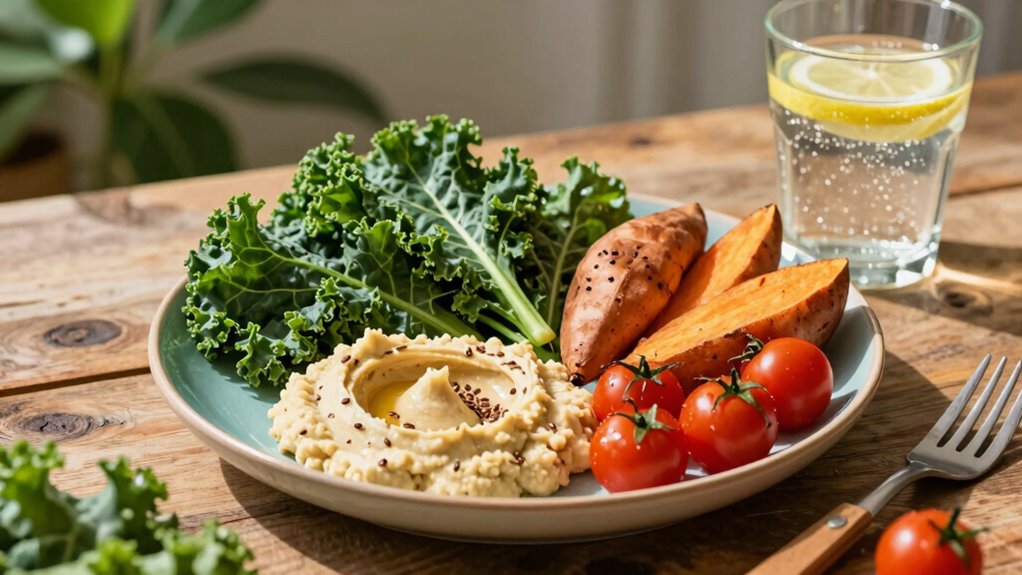
Are you wondering how to make your vegan diet even more eco-friendly? Small changes can have a big impact, and focusing on how you source your food is a great place to start. One effective way is to incorporate more plant-based protein sources into your meals. Legumes, tofu, tempeh, and grains like quinoa aren’t just nutritious—they also have a lower environmental footprint compared to animal products. By choosing these options, you reduce greenhouse gas emissions, conserve water, and minimize land use. But it’s not just about what you eat; it’s also about how you choose to eat it. Seasonal eating becomes a powerful tool here. When you opt for fruits and vegetables that are in season locally, you cut down on the energy needed for transportation and storage, which considerably lowers your carbon footprint. Plus, seasonal produce often tastes better and is more affordable, making it a win-win.
To make your vegan diet more climate-friendly without obsessing over every detail, start by planning your meals around what’s in season. Check local farmers’ markets or community-supported agriculture programs to find fresh, seasonal produce. Not only does this support local farmers, but it also encourages you to diversify your diet naturally, exposing you to a variety of plant-based proteins and vegetables throughout the year. This approach also helps you avoid the pitfalls of relying on imported, out-of-season produce that may have traveled thousands of miles to reach your plate. Incorporating sustainable food sourcing can further enhance your efforts, helping you make more environmentally conscious choices every day. Being mindful of carbon footprint in your food choices can make a significant difference in your overall environmental impact. Additionally, understanding the pollution impact of textile manufacturing can inspire more mindful choices beyond just food, fostering a broader eco-conscious lifestyle. Research shows that climate impact awareness can motivate more sustainable behaviors across various aspects of life, including diet, transportation, and consumption habits.
Embracing seasonal eating and plant-based proteins is easier when you experiment with creative recipes that highlight seasonal ingredients. This not only keeps your meals exciting but also reinforces your commitment to sustainability. These meals are nutritious, sustainable, and satisfy your taste buds. Remember, you don’t have to overhaul your entire diet overnight. Small, consistent changes—like adding more beans instead of meat or choosing berries in summer—add up over time. Most importantly, stay flexible and focus on progress rather than perfection. Your effort to reduce environmental impact is admirable, and the key is to make sustainable choices that are realistic and enjoyable for you. With these strategies, you’ll find it easier to stick to a climate-friendly vegan lifestyle without feeling overwhelmed or deprived.
plant-based protein sources vegan
As an affiliate, we earn on qualifying purchases.
As an affiliate, we earn on qualifying purchases.
Frequently Asked Questions
Can I Still Enjoy Processed Vegan Foods While Being Eco-Friendly?
Yes, you can still enjoy processed vegan foods while being eco-friendly. Opt for minimally processed snacks that use natural flavor enhancers instead of artificial ones. Look for brands committed to sustainable practices, and choose snacks with eco-friendly packaging. Moderation is key—balance your processed treats with whole, plant-based foods. This way, you enjoy your favorites without compromising your environmental goals, making your vegan journey both delicious and sustainable.
How Can I Reduce Food Waste on a Vegan Diet?
To reduce food waste on a vegan diet, start with smart meal planning. Use your weekly menu to buy only what you need, avoiding excess. Proper food storage extends freshness, so keep your produce in the right conditions to prevent spoilage. By planning meals thoughtfully and storing foods well, you minimize leftovers and waste, making your vegan journey more sustainable and eco-friendly without added stress or effort.
Are Organic or Local Vegan Foods More Sustainable?
Organic vegan foods are generally more sustainable because they promote better soil health and reduce pesticide use, which benefits ecosystems and biodiversity. Local foods can also lower carbon footprints due to reduced transportation emissions. Ideally, you’d choose foods that are both organic and locally sourced, supporting soil robustness and minimizing environmental impact. Balancing these factors helps you enjoy a climate-friendly vegan diet without obsessing over perfect choices.
What Are Affordable Ways to Eat More Climate-Friendly Vegan Meals?
To eat more climate-friendly vegan meals affordably, focus on meal prep and bulk buying. Prepare meals in advance to reduce waste and save money, choosing seasonal, plant-based ingredients. Buying grains, legumes, and fruits in bulk lowers costs and minimizes packaging. Incorporate versatile staples into your diet, and plan your meals around them. These strategies help you stay eco-conscious without breaking the bank, making sustainable eating both simple and budget-friendly.
How Do Seasonal Changes Affect Vegan Grocery Choices?
Seasonal changes greatly impact your vegan grocery choices by influencing crop availability. During different seasons, you’ll find certain fruits and vegetables more abundant and affordable, encouraging seasonal shopping. By adapting your meals to what’s in season, you reduce the environmental footprint of your diet and enjoy fresher, tastier produce. Keep an eye on local harvests and adjust your recipes accordingly, making your vegan diet both climate-friendly and enjoyable year-round.
As an affiliate, we earn on qualifying purchases.
Conclusion
By making small, mindful adjustments to your vegan diet, you can substantially reduce your carbon footprint—studies show plant-based diets can cut greenhouse gas emissions by up to 50%. Remember, it’s about progress, not perfection. Embrace seasonal foods, reduce waste, and choose local produce whenever possible. Every mindful choice adds up, helping the planet without turning your diet into a source of stress. Keep it balanced and sustainable for a healthier you and a healthier Earth.
vegan eco-friendly meal prep containers
As an affiliate, we earn on qualifying purchases.
As an affiliate, we earn on qualifying purchases.
sustainable food storage solutions
As an affiliate, we earn on qualifying purchases.
As an affiliate, we earn on qualifying purchases.
Fall Picks
fall essentials
As an affiliate, we earn on qualifying purchases.