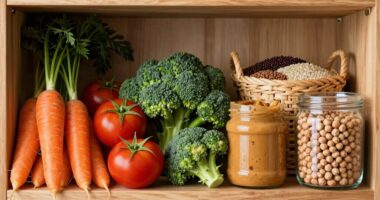
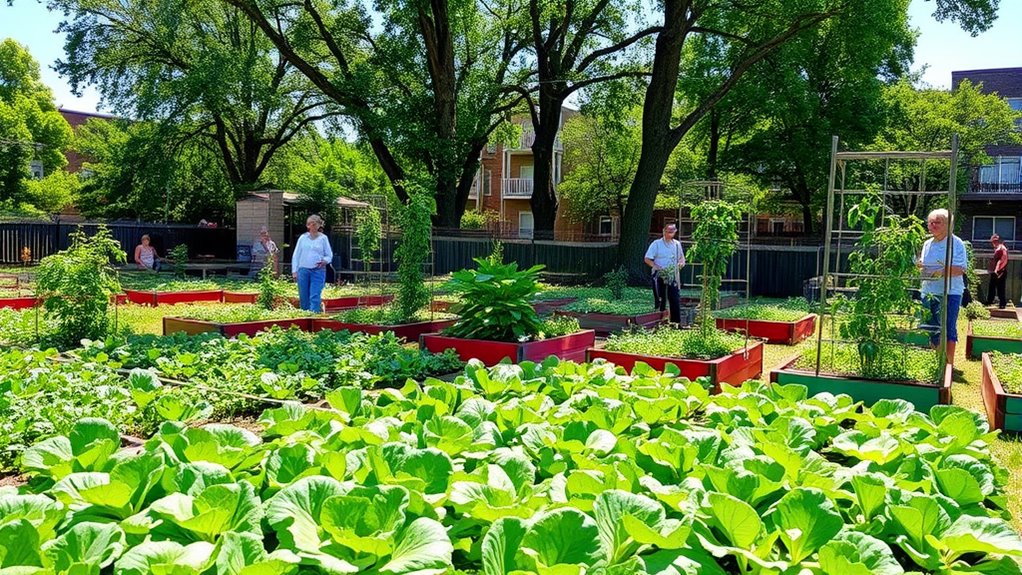

Growing your own plant food through community gardens and urban farming allows you to transform vacant lots into vibrant green spaces. You can enjoy fresh, nutritious produce while supporting sustainable practices like composting and rainwater harvesting. These gardens foster social connections, improve air quality, and attract pollinators, creating healthier neighborhoods. By exploring this approach, you’ll find innovative ways to contribute to your city’s eco-friendliness and community spirit, and discover even more benefits along the way.

Get health and wellness essentials delivered free — and shop member deals
- Fast, free delivery on millions of items
- Access to Prime Big Deal Days deals on October 6–7
- Prime Video, Amazon Music and more included
Key Takeaways
- Community gardens and urban farms convert vacant lots into productive green spaces for growing food locally.
- Sustainable practices like composting and rainwater harvesting support eco-friendly urban farming.
- Diverse crops attract pollinators, enhance biodiversity, and naturally manage pests.
- Growing your own food fosters social connections and shared knowledge among community members.
- Urban farming reduces carbon footprint and promotes healthier, resilient city ecosystems.
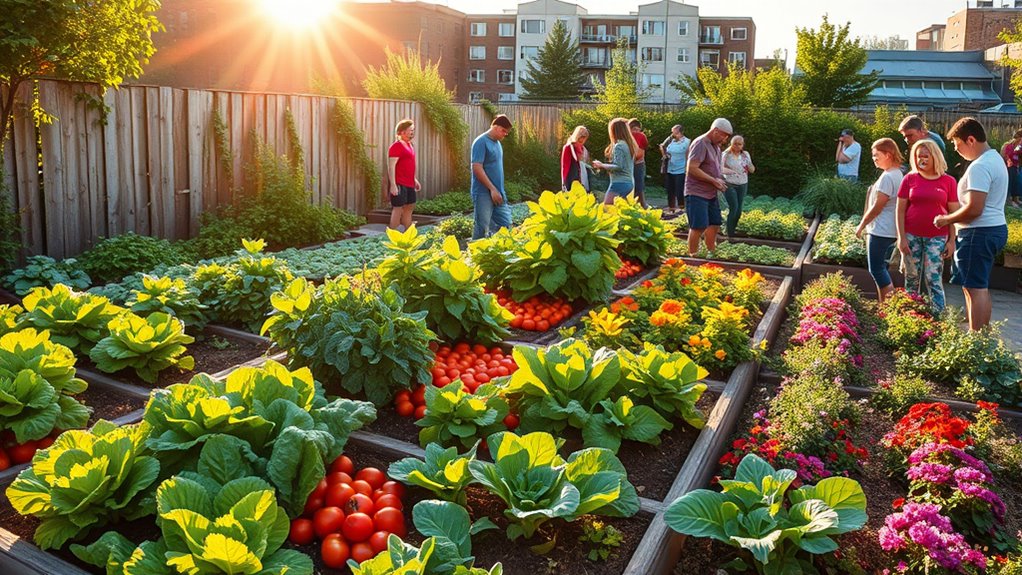
Have you ever wondered how cities are transforming vacant lots into vibrant, green spaces? Community gardens and urban farms are sprouting up in neighborhoods across the globe, turning neglected patches of land into productive, lush havens. These initiatives aren’t just about beautifying spaces—they’re about promoting sustainable practices that benefit both the environment and the community. When you participate in urban farming, you’re helping reduce your carbon footprint by growing your own food locally, which cuts down on transportation emissions. Plus, sustainable practices like composting, rainwater harvesting, and organic gardening become integral parts of these projects, ensuring that the land is used responsibly and regeneratively.
Transform vacant lots into vibrant, sustainable green spaces that benefit communities and the environment.
One of the key advantages of community gardens is crop diversity. Instead of sticking to just a few staple foods, you get the chance to grow a wide variety of fruits, vegetables, and herbs. This diversity not only enriches your diet but also supports a balanced ecosystem within the garden. Different plants attract various pollinators, encouraging a healthy environment that naturally controls pests and reduces the need for chemical interventions. By cultivating multiple crop types, you create a resilient system that can withstand pests and diseases better than monoculture plots. It’s empowering to see how a small space can yield a range of nutritious foods, making your efforts more sustainable and less dependent on store-bought produce.
Getting started with urban farming means embracing these sustainable practices from the outset. You’ll learn to select plants suited to your local climate and soil conditions, utilizing organic methods that protect the soil’s health. Incorporating crop rotation and companion planting helps maintain soil fertility and ward off pests, ensuring your garden remains productive season after season. These practices are not only good for the environment but also for your health, as you avoid harmful pesticides and synthetic fertilizers. As you tend to your garden, you develop a deeper understanding of how ecological balance works, and you become more conscious of the impact your food choices have on the planet.
In addition to growing your own food, community gardens foster social connections and shared knowledge. Working alongside neighbors, you exchange tips on sustainable practices and crop diversity, creating a supportive network that encourages ongoing learning. Engaging with market trends in urban farming can help you discover innovative techniques and crops that appeal to a broader audience. Ultimately, transforming vacant land into a thriving urban farm empowers you to contribute to a healthier city, one plant at a time. It’s a rewarding experience that combines environmental responsibility with personal growth, proving that even small efforts can lead to meaningful change.
As an affiliate, we earn on qualifying purchases.
Frequently Asked Questions
What Is the Best Soil Type for Urban Gardens?
You want the best soil type for urban gardens, and loamy soil is ideal. It offers good drainage, aeration, and nutrients, which support healthy plant growth. To improve your soil, add amendments like compost or organic matter, boosting fertility. Use proper planting techniques, such as spacing and depth, to maximize growth. With rich, well-drained loamy soil and the right amendments, your urban garden will thrive.
How Can I Prevent Pests Without Chemicals?
Want to keep pests at bay without chemicals? You can try organic pest control methods like neem oil or insecticidal soaps, which are safer for you and your plants. Have you considered companion planting? Planting herbs like basil or marigolds alongside vegetables naturally deters pests and attracts beneficial insects. These strategies create a healthy, pest-resistant garden environment while keeping your food organic and safe.
What Are the Water Requirements for Urban Plants?
You should water your urban plants consistently, typically every 1-3 days depending on the plant type and weather. Use efficient irrigation methods like drip systems or soaker hoses to guarantee even watering and conserve water. Check the soil moisture regularly; it should be moist but not waterlogged. Adjust your watering frequency as needed, especially during hot or dry periods, to keep your plants healthy and thriving.
How Do I Start Composting in Small Spaces?
Imagine you find a cozy corner in your apartment or balcony, perfect for a compost bin. To start composting in small spaces, choose a compact compost bin and place it where it won’t be in the way—under the sink or on a balcony works well. Add composting materials like fruit scraps, coffee grounds, and shredded paper. Turn it regularly, and soon you’ll enjoy rich, homemade soil for your plants.
Are There Specific Plants Suited for Limited Sunlight?
If you’re limited on sunlight, choose shade-tolerant vegetables like lettuce, spinach, and kale, which thrive in low light. You can also grow low-light herbs such as mint, parsley, and chives indoors or in shaded spots. These plants adapt well to limited sunlight, so you don’t need direct sun exposure to grow your own food. Just guarantee they get some indirect light or artificial grow lights for the best results.
As an affiliate, we earn on qualifying purchases.
Conclusion
By now, you see how community gardens and urban farming can transform your space and lifestyle. Growing your own food isn’t just rewarding—it’s empowering and fun! Imagine walking outside and picking fresh veggies or herbs anytime you want. Isn’t it time you took control of your food source and joined this green movement? Start small, stay consistent, and watch your garden flourish. After all, aren’t the best things in life worth growing?
compost bin for organic gardening
As an affiliate, we earn on qualifying purchases.
As an affiliate, we earn on qualifying purchases.
As an affiliate, we earn on qualifying purchases.
Cold & flu season Picks
humidifiers
As an affiliate, we earn on qualifying purchases.