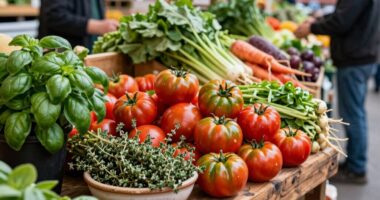
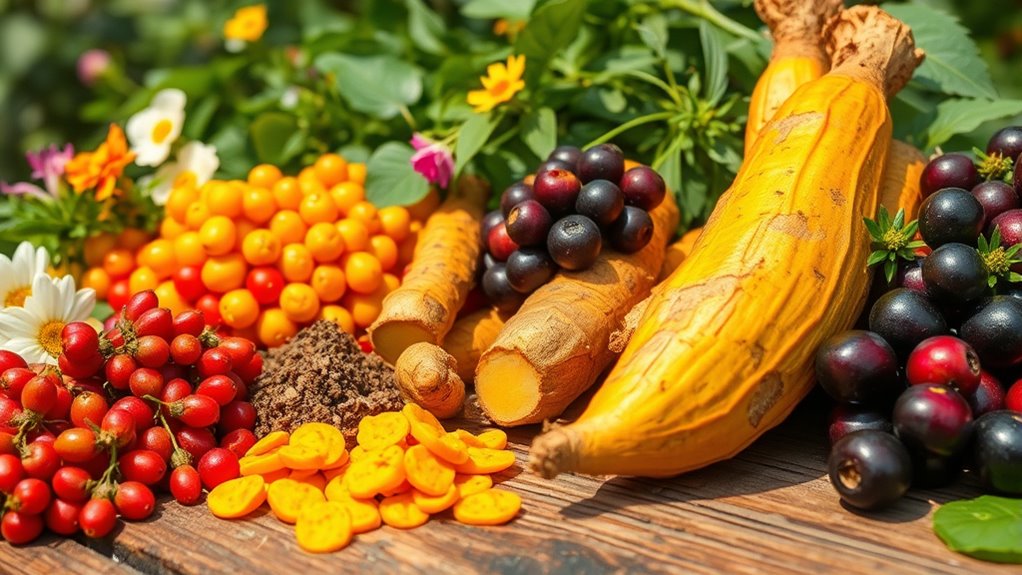

Supporting regional crops and local superfoods helps protect biodiversity by encouraging traditional farming methods that preserve diverse plant species and ecosystems. When you choose to support local varieties, you promote sustainable practices that reduce soil degradation and dependence on chemical inputs. These efforts help safeguard genetic diversity and adapt agriculture to climate challenges. Staying committed to this cause can strengthen our planet’s resilient food systems—if you want to discover how to make a bigger impact, keep exploring.

Get health and wellness essentials delivered free — and shop member deals
- Fast, free delivery on millions of items
- Access to Prime Big Deal Days deals on October 6–7
- Prime Video, Amazon Music and more included
Key Takeaways
- Supporting regional crops preserves diverse plant species and promotes sustainable farming practices that benefit local ecosystems.
- Seed preservation maintains genetic diversity, ensuring regional crops are resilient and less dependent on commercial seed sources.
- Local superfoods often require fewer inputs, aligning with traditional methods that sustain biodiversity and soil health.
- Consumer choices favoring regional crops strengthen diverse agricultural landscapes and protect genetic heritage.
- Biodiversity in agriculture enhances ecosystem resilience, helping crops adapt to pests, diseases, and climate changes for future food security.
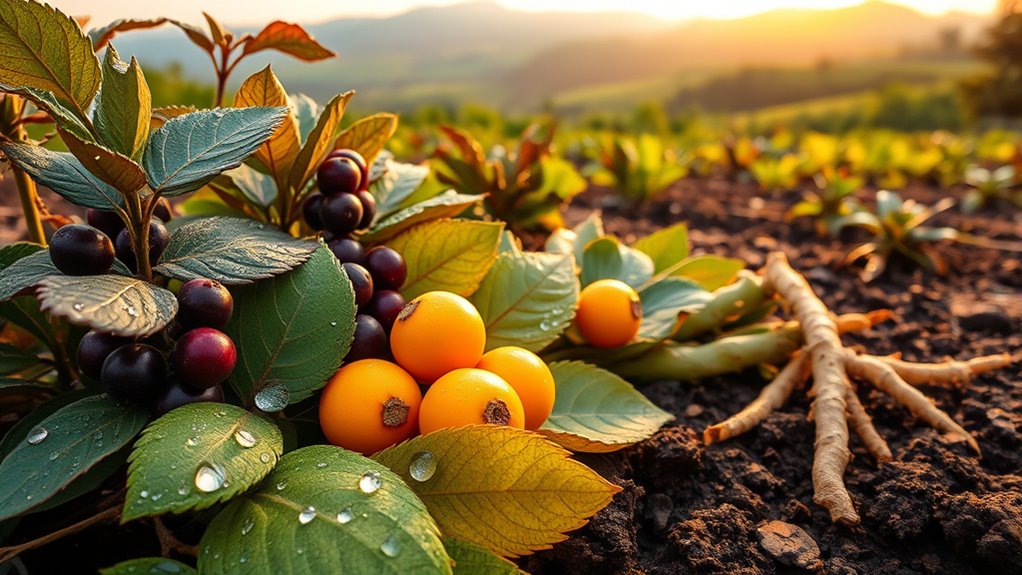
Have you ever wondered how the superfoods we enjoy might impact the planet’s biodiversity? When you choose to support regional crops, you’re making a conscious decision that can help preserve a diverse array of plant species. Many superfoods, especially those grown locally, are cultivated through traditional farming methods that have been passed down through generations. These methods often emphasize sustainable practices, such as crop rotation and minimal chemical use, which help maintain healthy ecosystems. Unlike large-scale industrial agriculture, traditional farming respects the balance of local environments, reducing soil degradation and conserving water. By supporting these practices, you’re encouraging the continuation of diverse farming systems that are essential for biodiversity.
Seed preservation plays an indispensable role in maintaining regional crop diversity. When farmers save seeds from their crops, they keep alive a genetic pool that’s adapted to local conditions. This practice not only safeguards unique varieties of superfoods but also strengthens resilience against pests, diseases, and changing climate patterns. By guaranteeing seed preservation, you’re helping to protect regional crops from becoming extinct, which is critical for the health of local ecosystems. When farmers rely on saved seeds, they’re less dependent on commercial seed companies that often promote a limited number of uniform varieties. This diversification fosters a wider range of plant species, supporting local biodiversity and reducing the risks associated with monoculture.
Seed saving sustains crop diversity, strengthening ecosystems and protecting against pests and climate change.
Choosing local superfoods means you’re supporting farmers who prioritize seed preservation and traditional farming techniques. These farmers often work closely with their communities, maintaining crop varieties that have been cultivated for centuries. These heirloom varieties are better adapted to local soils and climates, meaning they require fewer inputs like water and fertilizers, which benefits the environment. By valuing regional crops, you help sustain these traditional practices, which in turn support diverse ecosystems and protect the genetic heritage of countless plant species. This focus on regional crops ensures that biodiversity isn’t sacrificed for mass production or convenience.
In essence, your choices as a consumer can make a significant difference. Supporting local superfoods rooted in traditional farming and seed preservation helps foster a resilient, diverse agricultural landscape. It’s a way to guarantee that future generations can enjoy the rich variety of foods that nature offers, rather than a narrow selection dictated by industrial agriculture. When you prioritize regional crops, you’re not just nourishing yourself; you’re actively contributing to the health and diversity of the planet’s ecosystems. This approach reinforces the importance of biodiversity, ensuring that the many plant species that sustain life on Earth continue to thrive alongside us. Additionally, embracing biodiversity preservation in agriculture can lead to more sustainable food security for future generations.
heirloom seed packets for biodiversity
As an affiliate, we earn on qualifying purchases.
As an affiliate, we earn on qualifying purchases.
Frequently Asked Questions
How Do Superfoods Impact Local Ecosystems Long-Term?
Superfoods can positively impact local ecosystems long-term when you choose regionally adapted varieties. They improve soil health by reducing the need for chemical inputs and support pollinators by providing diverse, nutritious habitats. By focusing on sustainable practices, you help maintain biodiversity, strengthen ecosystem resilience, and guarantee that local flora and fauna thrive alongside your superfood crops. This balanced approach benefits both your community and the environment over time.
Can Regional Superfoods Replace Imported Superfoods Nutritionally?
Regional superfoods can often match imported ones nutritionally because they offer high local nutrient density tailored to your area’s climate. By choosing regional crops, you support biodiversity and promote diverse diets, which are more sustainable long-term. While some imported superfoods may excel in specific nutrients, focusing on local varieties guarantees better adaptation and resilience, helping you maintain a balanced, nutritious diet rooted in regional crop diversity.
What Are the Economic Benefits of Promoting Local Superfoods?
Promoting local superfoods boosts your community’s economic growth by creating new markets and job opportunities. When you support regional crops, you help farmers thrive, leading to increased income and stability. This empowerment encourages sustainable practices and keeps money circulating locally. As a result, your community becomes more resilient, fostering long-term prosperity while reducing reliance on imported superfoods. Your choices directly contribute to a stronger, more self-sufficient economy.
How Do Climate Changes Affect Regional Superfood Crops?
Climate change impacts regional superfood crops by challenging their climate resilience and crop adaptation. You’ll see shifts in growing seasons, increased droughts, and unpredictable weather patterns that threaten crop yields. These changes force you to adapt farming practices, select resilient varieties, and implement sustainable strategies. Ultimately, climate change tests your ability to maintain local superfoods, emphasizing the need for resilient crops and proactive adaptation to safeguard regional food sources.
Are There Specific Policies Supporting Biodiversity and Superfood Cultivation?
Yes, there are specific policies supporting biodiversity and superfood cultivation. You can benefit from policy incentives that encourage farmers to grow regional superfoods, promoting sustainable practices. Conservation strategies are also in place to protect native crops and ecosystems, ensuring biodiversity remains vibrant. By supporting these policies, you help preserve regional agricultural diversity and promote the cultivation of superfoods that thrive locally, benefiting both the environment and local communities.
As an affiliate, we earn on qualifying purchases.
Conclusion
You can champion change by choosing local superfoods, fostering flourishing farms, and fueling biodiversity. By supporting regional crops, you safeguard sustainable seeds, strengthen soil, and sustain species. Your choices create a colorful, enthralling countryside where crops thrive, communities connect, and ecosystems evolve. Every bite, every buy boosts biodiversity, breeds balance, and blossoms a brighter, bountiful future—proving that small steps in supporting superfoods can make a mighty, meaningful impact.
As an affiliate, we earn on qualifying purchases.
As an affiliate, we earn on qualifying purchases.
Cold & flu season Picks
humidifiers
As an affiliate, we earn on qualifying purchases.