
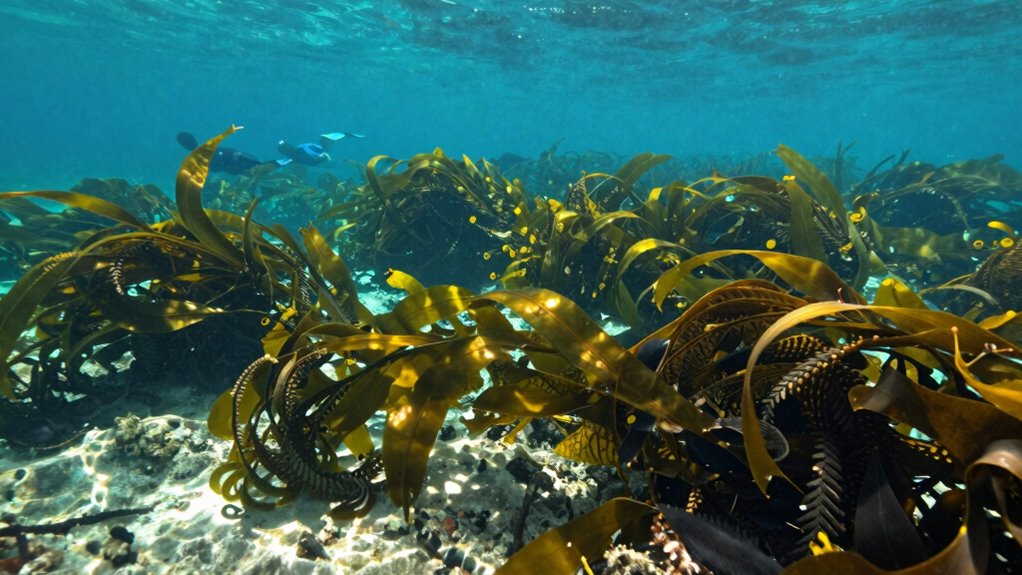

Seaweed plays an essential role in the sustainability discussion because it supports marine biodiversity, filters water, and helps prevent harmful algal blooms. It also absorbs carbon dioxide, aiding efforts to fight climate change through carbon sequestration. Plus, seaweed is a renewable resource used in food, cosmetics, and biofuels, offering industry alternatives that reduce environmental impact. If you’re curious about how it all comes together, there’s much more to discover about its potential benefits.

Get health and wellness essentials delivered free — and shop member deals
- Fast, free delivery on millions of items
- Access to Prime Big Deal Days deals on October 6–7
- Prime Video, Amazon Music and more included
Key Takeaways
- Seaweed enhances marine biodiversity and water quality through nutrient cycling and natural filtration.
- It absorbs carbon dioxide, aiding in climate change mitigation and carbon sequestration efforts.
- As a renewable resource, seaweed supports sustainable industries like food, cosmetics, and biofuels.
- Cultivating seaweed provides economic opportunities and livelihoods for coastal communities.
- Its minimal resource needs and environmental benefits make seaweed a key component of sustainable development.
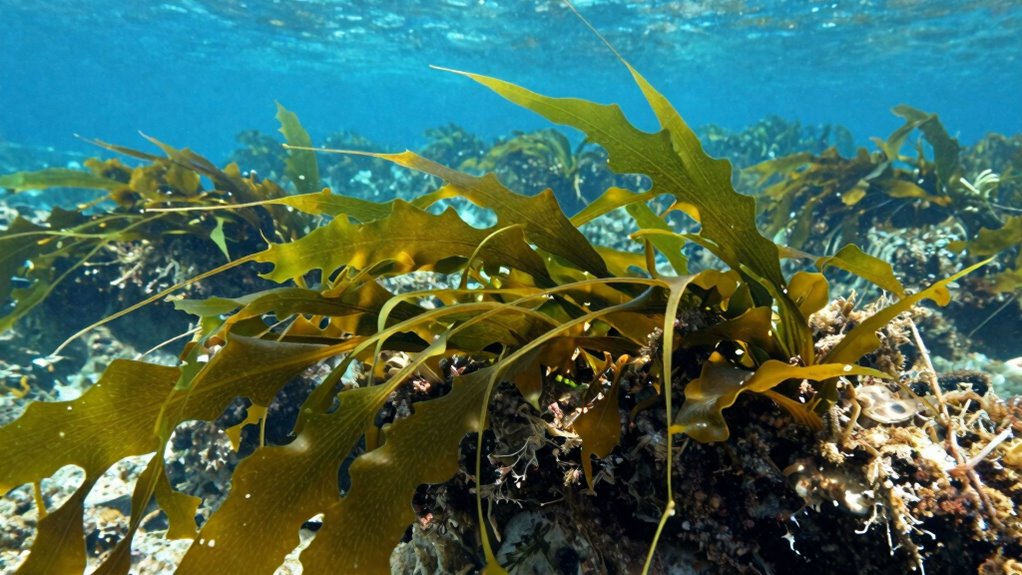
Have you ever wondered how seaweed can play a crucial role in promoting sustainability? It’s a remarkable organism that contributes markedly to the health of marine ecosystems. When you consider the vastness of the ocean, seaweed stands out as a natural powerhouse that supports biodiversity and maintains ecological balance. One of its key functions is facilitating nutrient cycling within the marine ecosystem. As seaweed absorbs nutrients from the water, such as nitrogen and phosphorus, it helps regulate these elements’ levels. This process prevents nutrient overloads that could lead to harmful algal blooms, which threaten marine life and water quality. By absorbing excess nutrients, seaweed acts as a natural filtration system, promoting healthier waters and more resilient ecosystems.
In addition to nutrient cycling, seaweed’s role extends to carbon sequestration, where it absorbs carbon dioxide during photosynthesis. This capacity makes it a potential tool in combating climate change, as large-scale seaweed farming can help draw down atmospheric CO2. When you think about sustainable practices, cultivating seaweed offers a low-impact alternative to land-based crops and reduces the pressure on terrestrial resources. Unlike other farming methods, seaweed requires no fresh water, fertilizers, or arable land, making it an environmentally friendly option for large-scale production.
Furthermore, seaweed’s versatility supports sustainable industries. It can be harvested for food, cosmetics, pharmaceuticals, and biofuels, creating economic opportunities without depleting natural resources. When you incorporate seaweed into these sectors, you help foster a circular economy that values renewable and biodegradable materials. Its fast growth rate and minimal resource needs make it an attractive alternative to more resource-intensive crops. This shift can lessen the environmental footprint of industries that traditionally rely on fossil fuels or environmentally taxing raw materials.
In the broader scope of sustainability, seaweed farming also offers social and economic benefits. It can provide livelihoods for coastal communities and promote sustainable coastal development. When you support or engage in seaweed cultivation, you contribute to local economies while helping to protect marine environments. Additionally, understanding the importance of comogenic ratings and how they impact skincare can help consumers make more eco-conscious choices about the products they use. The combination of ecological, economic, and social advantages makes seaweed an essential piece of the sustainability puzzle, especially as the world seeks innovative solutions to environmental challenges. Its ability to enhance nutrient cycling, sequester carbon, and support diverse industries positions seaweed as a natural, sustainable resource poised to make a lasting impact on our planet’s health.
As an affiliate, we earn on qualifying purchases.
Frequently Asked Questions
How Quickly Does Seaweed Regrow After Harvesting?
Seaweed typically regrows within a few weeks after harvesting, thanks to its fast growth rate. You can often harvest sustainably by adjusting the harvesting frequency, allowing the seaweed to recover and continue thriving. In some cases, specific species regrow even faster, making seaweed a highly renewable resource. By monitoring growth rates and limiting harvesting frequency, you guarantee the seaweed remains healthy and abundant for future use.
Are There Any Negative Environmental Impacts of Large-Scale Seaweed Farming?
Large-scale seaweed farming can cause ecosystem disruption and pollution concerns. You might worry about habitat loss for marine life and changes to local ecosystems, which can threaten biodiversity. Additionally, nutrient runoff from farming sites may lead to water pollution and algae blooms, disrupting natural processes. While seaweed farming offers sustainability benefits, you should consider these potential negative impacts and implement responsible practices to minimize environmental harm.
Can Seaweed Help Reduce Ocean Acidification?
Yes, seaweed can help reduce ocean acidification through marine carbon sequestration. When seaweed absorbs carbon dioxide during photosynthesis, it lowers the acidity levels in the surrounding water. Additionally, its algal biofuel potential offers a sustainable energy source, decreasing reliance on fossil fuels. By cultivating seaweed at scale, you support both carbon capture efforts and renewable energy development, contributing positively to ocean health and climate change mitigation.
How Does Seaweed Cultivation Affect Local Marine Biodiversity?
Imagine a coastal community where seaweed farms boost the local marine habitat. Your cultivation supports biodiversity balance by providing shelter and food for fish, crustaceans, and other marine life. This positive impact helps maintain healthy ecosystems, attracting more species and promoting resilience. By carefully managing seaweed farms, you can enhance marine biodiversity, ensuring the habitat remains vibrant and thriving for future generations.
Is Seaweed Farming Economically Sustainable for Coastal Communities?
Seaweed farming can be economically sustainable for coastal communities by providing steady income and diversifying local economies. Its economic viability depends on market demand, proper management, and access to resources. Additionally, community benefits include job creation, improved food security, and environmental advantages like water quality enhancement. When managed responsibly, seaweed cultivation offers a promising opportunity for sustainable development, helping communities thrive while supporting global sustainability goals.
As an affiliate, we earn on qualifying purchases.
Conclusion
Seaweed isn’t just a plant—it’s a superhero in the fight for sustainability. By incorporating it into your diet and supporting seaweed farming, you’re helping to revolutionize how we protect our planet. Imagine a world where the ocean’s tiniest greens save us from climate disaster—sounds like a sci-fi movie, right? But it’s real, and you’re part of this incredible movement. Embrace seaweed, and watch your impact grow into something truly extraordinary.
As an affiliate, we earn on qualifying purchases.
As an affiliate, we earn on qualifying purchases.
Cold & flu season Picks
humidifiers
As an affiliate, we earn on qualifying purchases.