

If you’re looking for natural electrolyte-rich drinks, consider coconut water and cactus water. Coconut water is high in potassium and balanced with sodium, making it great for hydration after exercise. Cactus water provides antioxidants, vitamins, and anti-inflammatory benefits that support recovery. Both are healthy, hydrating options without artificial additives. Exploring these alternatives can boost your hydration plan naturally—stay tuned to discover more about their benefits and other great options.
Key Takeaways
- Cactus water and coconut water are natural, electrolyte-rich beverages that support hydration and recovery post-exercise.
- Both drinks provide essential minerals like potassium, sodium, magnesium, and calcium, helping prevent dehydration and cramps.
- Homemade electrolyte drinks can be customized with fruits, honey, or sea salt, offering healthier alternatives to commercial sports drinks.
- Cactus water contains antioxidants and anti-inflammatory compounds, aiding faster recovery and reducing muscle soreness.
- Incorporating natural electrolyte drinks into hydration strategies enhances overall health, performance, and natural mineral replenishment.

Electrolyte-rich drinks are essential for maintaining proper hydration and restoring the minerals lost during intense physical activity or heat exposure. When you sweat during a workout or spend a hot day outdoors, your body loses crucial electrolytes like sodium, potassium, magnesium, and calcium. Replenishing these minerals is key to preventing dehydration, cramping, and fatigue. To do this effectively, you need to adopt hydration strategies that go beyond plain water, especially if you’re engaging in prolonged or vigorous exercise. Natural beverage options are increasingly popular because they offer a healthier, more wholesome way to restore electrolyte balance without artificial additives or excessive sugars.
Electrolyte drinks restore minerals lost during intense activity, supporting hydration and preventing fatigue naturally and healthily.
One of the most well-known natural options is coconut water. It’s packed with potassium and contains a balanced amount of sodium, making it a fantastic choice for rehydration. Unlike sugary sports drinks, coconut water provides hydration with fewer calories and natural nutrients. It’s readily available and easy to incorporate into your daily routine, whether you drink it post-workout or during hot summer days. Another alternative gaining popularity is cactus water, derived from prickly pear cactus. It’s rich in antioxidants, electrolytes, and vitamins, offering a unique hydration boost. Cactus water also has anti-inflammatory properties, which can help your body recover faster after physical exertion.
Beyond these options, you can craft your own electrolyte drinks at home using simple ingredients. For example, mixing water with a pinch of sea salt, a splash of natural fruit juice, and a bit of honey creates a DIY beverage that replenishes lost minerals while avoiding artificial flavors. This approach aligns with effective hydration strategies by tailoring your intake to your specific needs and preferences. If you prefer more variety, consider infusing water with slices of citrus fruits, cucumber, or berries, which add flavor and some electrolytes naturally. These natural beverage options are not only healthier but also customizable, making them more appealing than commercial sports drinks that often contain artificial sweeteners and colorings.
Incorporating these natural drinks into your routine helps you stay hydrated and maintain electrolyte balance more effectively. They support your overall hydration strategies by providing essential minerals without added chemicals or refined sugars. Additionally, choosing drinks rich in electrolytes can help improve your exercise performance and recovery. When you choose natural beverage options, you’re investing in your health, ensuring your body functions at its best during physical activity or heat exposure. Proper hydration isn’t just about drinking water; it’s about replenishing what your body needs to perform at its best, especially with the help of these nutrient-rich, natural alternatives.
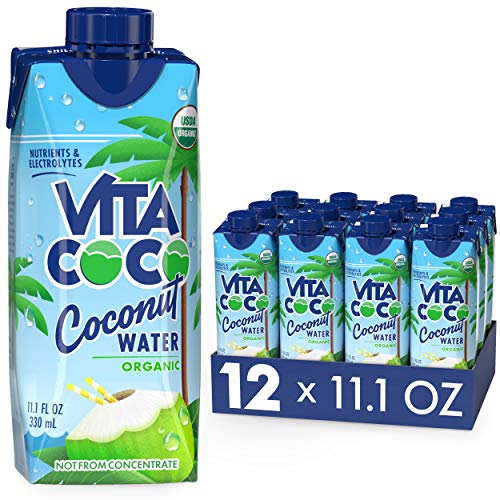
Vita Coco Coconut Water, Pure Organic | Refreshing Coconut Taste | Natural Electrolytes | Vital Nutrients | 11.1 Oz (Pack Of 12)
Taste of the tropics | Not long ago you needed a ladder and a machete to get great-tasting…
As an affiliate, we earn on qualifying purchases.
As an affiliate, we earn on qualifying purchases.
Frequently Asked Questions
Are Electrolyte Drinks Suitable for Children?
Electrolyte drinks can be suitable for children, but you should be cautious. They help maintain children’s hydration and electrolyte balance during illness or intense activity, but most kids don’t need them regularly. Always check with a healthcare professional before offering electrolyte drinks to guarantee they’re appropriate. Choose options with low sugar, and avoid giving them to very young children unless advised by a doctor.
How Do Electrolyte Levels Vary Between Different Drinks?
Balance brims between beverages, as electrolyte levels differ dramatically. You’ll find coconut water packed with potassium, boasting a high electrolyte composition, while cactus water offers a milder mix. Beverage absorption rates vary, meaning some drinks hydrate faster than others. You can choose wisely based on electrolyte content and how quickly your body absorbs the drink. Pay attention to these differences to optimize hydration and maintain your body’s balance.
Can Electrolyte Drinks Replace Water Entirely?
No, electrolyte drinks can’t replace water entirely. While they help maintain hydration balance and support electrolyte absorption during intense activity or heat, they lack the necessary volume for basic hydration. You should drink water regularly to stay properly hydrated. Electrolyte drinks are best used as supplements when your body needs extra nutrients, not as a primary source of hydration for everyday needs.
Are There Any Health Risks With Excess Electrolyte Intake?
Yes, consuming too many electrolytes can cause health risks, including electrolyte imbalance and overhydration. When you intake excessive electrolytes, your body struggles to maintain proper fluid balance, leading to symptoms like nausea, confusion, or muscle weakness. Overhydration risks increase, especially if you replace water entirely with electrolyte drinks without balancing intake. Always consume electrolytes in moderation and listen to your body’s signals to avoid these health issues.
Which Electrolyte-Rich Drink Is Best for Athletes?
Think of your body as a finely tuned engine that needs the right fuel. For athletes, coconut water often stands out, offering excellent hydration benefits and a revitalizing taste that’s easy to enjoy. It replenishes electrolytes naturally, helping prevent cramps and dehydration. When choosing, consider your taste preferences and how your body responds, ensuring you stay energized and hydrated through every move. Coconut water could be your perfect hydration partner.

CALIWATER Organic Cactus Water 12 Pack (Watermelon) Coconut Water Alternative – 5 Electrolytes, 7g of Sugar, 35 Calories – Natural Plant Based Hydration – Skin Care Benefits – Non GMO – 12 fl oz
Watermelon Cactus Water – It has all the hydration benefits of prickly pear with the naturally sweet flavor…
As an affiliate, we earn on qualifying purchases.
As an affiliate, we earn on qualifying purchases.
Conclusion
Now that you know about these powerhouse electrolyte drinks, you’re practically unstoppable. Cactus water, coconut water, and their friends aren’t just drinks—they’re your secret weapons to crush fatigue, conquer dehydration, and feel unstoppable every single day. Imagine fueling your body with nature’s most electrifying elixirs, turning ordinary hydration into an extraordinary performance. So next time you need a boost, remember: these drinks could turn you into a hydration superhero overnight. Get ready to conquer the world—one sip at a time!

Ultima Replenisher Daily Electrolyte Powder – Original Variety Pack, 20 Stickpacks – Zero Sugar Hydration Packets with 6 Electrolytes and Minerals – Sugar Free, Plant Based & Keto Friendly Drink Mix
Refresh and replenish: Ultima electrolytes powder packets deliver balanced daily hydration with 6 key electrolytes, vitamin C, zinc…
As an affiliate, we earn on qualifying purchases.
As an affiliate, we earn on qualifying purchases.

Zico 100% Coconut Water, No added Sugar, Refreshingly Delicious, Hydration with Electrolytes, 11.2 Fl Oz (Pack of 12)
NATURAL HYDRATION: 100% pure coconut water crafted with only 1 ingredient and NO added sugars; Not From Concentrate
As an affiliate, we earn on qualifying purchases.
As an affiliate, we earn on qualifying purchases.