


GLP-1 is a hormone that helps regulate blood sugar by enhancing insulin release and promoting feelings of fullness. To boost its natural function, focus on a gut-friendly, plant-based diet rich in fiber, fruits, vegetables, and healthy fats like nuts and olive oil. These foods support gut bacteria, which in turn can improve GLP-1 levels and insulin sensitivity. Continue exploring how natural, plant-based choices can optimize your metabolic health beyond medication.
Key Takeaways
- GLP-1 is a hormone that enhances insulin secretion and regulates blood sugar naturally.
- Plant-based diets high in fiber support gut microbiome health, which can boost GLP-1 production.
- Foods like legumes, whole grains, and vegetables stimulate GLP-1 release, aiding glucose regulation.
- Natural alternatives like dietary fiber and healthy fats improve GLP-1 sensitivity and metabolic health.
- Supporting gut health through plant foods offers a sustainable way to naturally enhance GLP-1 activity.

Have you wondered if there are natural options that support blood sugar control similar to GLP-1 receptor agonists? The good news is, recent research suggests you can influence your body’s regulation of blood sugar through lifestyle choices, especially by nurturing your gut microbiome and choosing plant-based fats. Your gut microbiome—the collection of trillions of bacteria living in your digestive system—plays a pivotal role in metabolic health. A balanced microbiome can improve insulin sensitivity and reduce inflammation, both of which are vital for blood sugar management. Consuming a diverse range of fiber-rich, plant-based foods helps feed beneficial bacteria, promoting a healthier microbiome that supports your body’s natural ability to regulate glucose levels.
Nurture your gut microbiome and choose plant-based fats to naturally support blood sugar regulation.
Plant-based fats, found in foods like avocados, nuts, seeds, and olive oil, also contribute considerably to blood sugar control. Unlike saturated fats that can impair insulin function, plant fats tend to have anti-inflammatory properties and help stabilize blood sugar levels. Including these fats in your diet not only enhances satiety, reducing overeating, but also improves cell membrane function, making your body’s response to insulin more effective. When you prioritize foods rich in plant-based fats, you’re supporting your body’s metabolic processes in a way that complements other healthy habits.
Incorporating these elements into your diet can be straightforward. Start by adding more plant-based fats to your meals—drizzle olive oil over salads, snack on a handful of nuts, or include avocado slices in your sandwiches. Simultaneously, diversify your plant intake with vegetables, fruits, legumes, and whole grains. These foods provide fiber that feeds your gut microbiome, encouraging the growth of beneficial bacteria. Supporting your microbiome through diet is a key factor in maintaining or improving insulin sensitivity and overall metabolic health. Over time, this combination helps improve your body’s ability to manage blood sugar naturally, potentially reducing the need for medication and supporting overall metabolic health.
You don’t have to rely solely on pharmaceuticals to support blood sugar regulation. By nurturing your gut microbiome and choosing healthy plant-based fats, you tap into your body’s innate mechanisms for maintaining balance. These natural strategies are sustainable and can be easily integrated into your daily routine. As you make these dietary adjustments, you’ll likely notice improved energy levels and better overall health. This approach empowers you to take control of your wellness, harnessing the power of nature to support your body’s complex processes and promote lasting metabolic health.
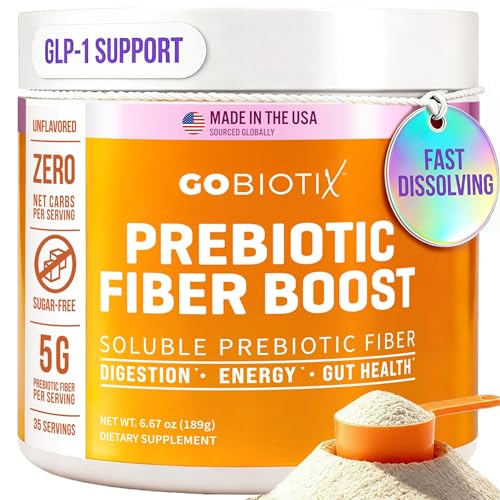
GOBIOTIX Fiber Supplement Powder with Prebiotics for Digestive Health and GLP-1 Support, Soluble Fiber for Gut Health & Debloat, Keto, Vegan, Gluten & Sugar Free, 35 Servings (1 Pack)
Plant-Based Fiber for Daily Gut Support – This organic fiber powder provides plant-based soluble fiber to support daily…
As an affiliate, we earn on qualifying purchases.
As an affiliate, we earn on qualifying purchases.
Frequently Asked Questions
How Does Glp‑1 Influence Appetite Regulation?
GLP-1 signaling helps regulate your appetite by promoting feelings of fullness and reducing hunger. When GLP-1 levels increase, it triggers appetite suppression, making you less likely to overeat. This hormone acts on your brain’s appetite centers, signaling that you’re satisfied. By enhancing GLP-1 signaling, you can naturally support appetite control, which is especially helpful in managing weight or maintaining healthy eating habits.
Are Natural Alternatives Effective for Long-Term Blood Sugar Control?
Yes, natural alternatives like herbal supplements and dietary fibers can be effective for long-term blood sugar control. You’ll find that herbal supplements support stable glucose levels, while dietary fibers slow digestion and improve insulin sensitivity. Consistently incorporating these plant-based options into your routine helps maintain metabolic balance. By blending beneficial botanicals with fiber-rich foods, you create a sustainable, supportive strategy for managing blood sugar naturally and effectively.
Can Plant-Based Diets Naturally Boost Glp‑1 Levels?
Yes, plant-based diets can naturally boost your GLP‑1 levels. By increasing your fiber intake from fruits, vegetables, and whole grains, you stimulate GLP‑1 production, which helps regulate blood sugar. Additionally, plant compounds like polyphenols and flavonoids enhance this effect. Incorporating diverse plant foods not only supports your gut health but also promotes higher GLP‑1 levels, aiding in better blood sugar control naturally.
What Are the Potential Side Effects of Glp‑1 Receptor Therapies?
You should know that GLP-1 receptor therapies can cause side effects like gastrointestinal issues, affecting up to 40% of users. Common problems include nausea, vomiting, and diarrhea. Additionally, drug interactions may occur, especially with other medications affecting digestion or blood sugar levels. While effective for some, it’s essential to monitor your response and consult your doctor if you experience persistent side effects or unusual symptoms.
How Do Lifestyle Factors Impact Glp‑1 Production Naturally?
You can boost your GLP‑1 production naturally by engaging in regular physical activity, which stimulates hormone release, and improving sleep quality, as restful sleep enhances hormone regulation. Incorporate exercise into your daily routine and aim for consistent, restful sleep to support ideal GLP‑1 levels. These lifestyle changes help regulate appetite, improve blood sugar control, and promote overall metabolic health, making them effective natural strategies.

Atlas 750 mL Organic Cold Press Extra Virgin Olive Oil in Glass Bottle, Polyphenol Rich from Morocco | Newly Harvested Unprocessed from One Single Family Farm | Moroccan EVOO Trusted by Award-Winning Chefs
【 The Highest Quality Cold-Pressed Moroccan Olive Oil】 The Atlas Mountains of Morocco help grow the most perfect…
As an affiliate, we earn on qualifying purchases.
As an affiliate, we earn on qualifying purchases.
Conclusion
Think of GLP-1 and natural alternatives as the keys to revealing your health potential. Just like a gardener tending to a lush garden, you can nurture your body with mindful choices and plant-based options. Embracing these strategies helps you steer your wellness journey in the right direction, turning a dense, tangled wilderness into a vibrant, thriving oasis. With patience and care, you’ll cultivate a healthier, more balanced life blossoming with vitality.

Gut Nuts – Fermented and Sprouted "Sourdough" Almonds for Gut Health – Tangy, Umami, & Salty Flavors – Super Crunchy Low Carb Keto Snacks – Low Sugar Prebiotic & Postbiotic Almond Snacks – 3oz Pouch (3 Pack) – by Philosopher Foods
GUT HEALTH POWERHOUSE: fermented almonds deliver prebiotics and postbiotics; 2x B vitamins; 9x antioxidants; 41 % less phytic acid…
As an affiliate, we earn on qualifying purchases.
As an affiliate, we earn on qualifying purchases.
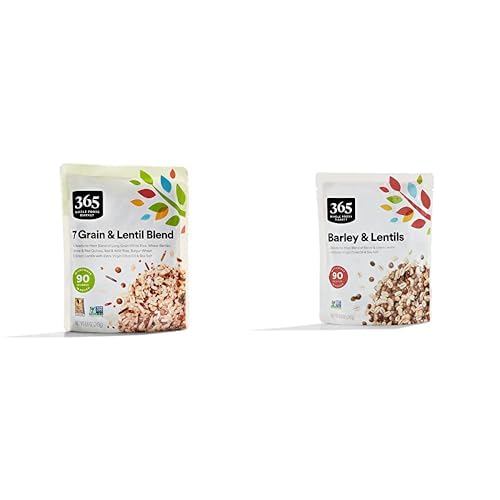
365 by Whole Foods Market Ready-to-Heat Grain Bundle: 7 Grain Lentil Blend, Barley & Green Lentils, and Spelt Green Lentils & Brown Rice, 8.8 Ounce (3-Pack)
Ready-to-heat grain blends featuring 7-grain lentil, barley lentil, and spelt brown rice varieties, each seasoned with extra virgin…
As an affiliate, we earn on qualifying purchases.
As an affiliate, we earn on qualifying purchases.