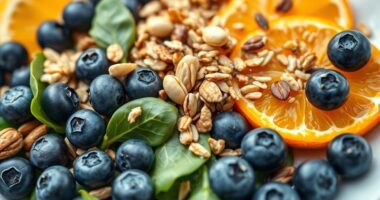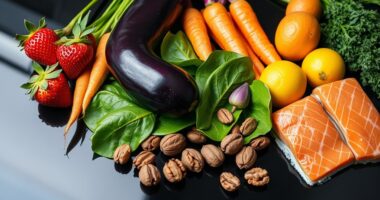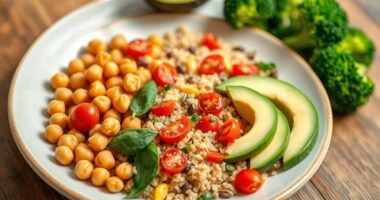
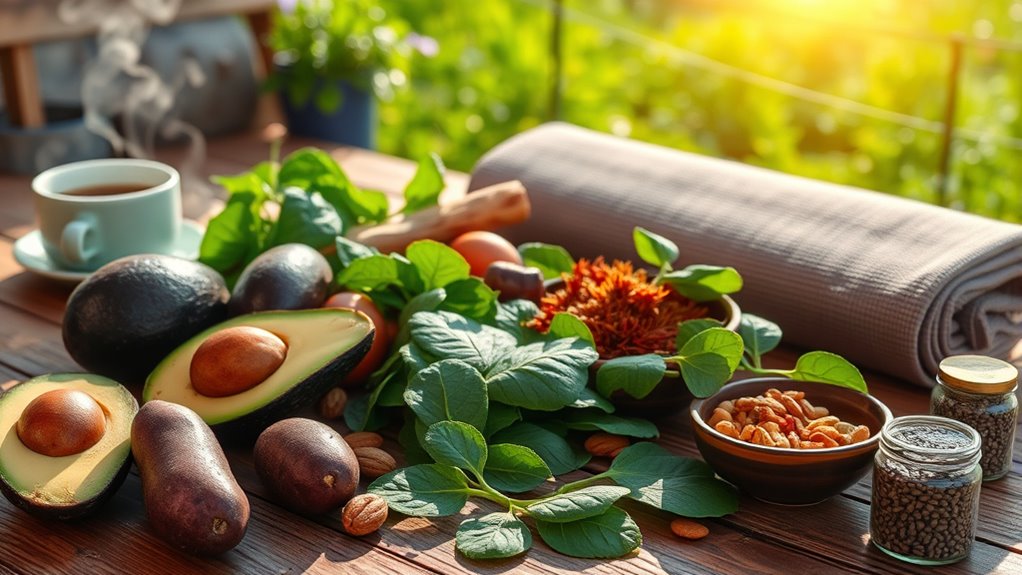

To maintain hormonal balance on a vegan diet, focus on incorporating plant-based foods rich in phytoestrogens like soy and flaxseeds, along with healthy fats from chia, walnuts, and hemp seeds to support hormone production. Include cruciferous vegetables such as broccoli and kale to aid detoxification, and manage lifestyle factors like stress, sleep, and regular exercise. Reduce exposure to endocrine disruptors by choosing organic and minimizing plastic use. Continuing this approach can enhance your endocrine health and overall well-being.
Key Takeaways
- Incorporate plant-based phytoestrogens from soy and flaxseeds to support natural hormone balance.
- Consume healthy fats like omega-3s from chia, walnuts, and hemp seeds to aid hormone production.
- Include cruciferous vegetables such as broccoli and kale to enhance detoxification and regulate hormones.
- Manage stress, prioritize sleep, and maintain regular exercise to promote overall endocrine health.
- Limit exposure to endocrine disruptors by choosing organic produce, avoiding plastics, and using safe personal care products.
Maintaining hormonal balance can be a challenge for vegans, but with careful attention to your diet and lifestyle, it’s entirely achievable. Your body relies on a variety of nutrients to produce and regulate hormones, and when you follow a plant-based diet, you need to be mindful of how certain foods influence your endocrine health. Plant based hormones, such as phytoestrogens found in soy products and flaxseeds, can support your vegan endocrine health by mimicking or modulating hormone activity. Incorporating these into your diet can help balance estrogen levels naturally, which is especially important for women experiencing hormonal fluctuations.
Incorporating plant-based phytoestrogens like soy and flaxseeds supports natural hormonal balance for vegans.
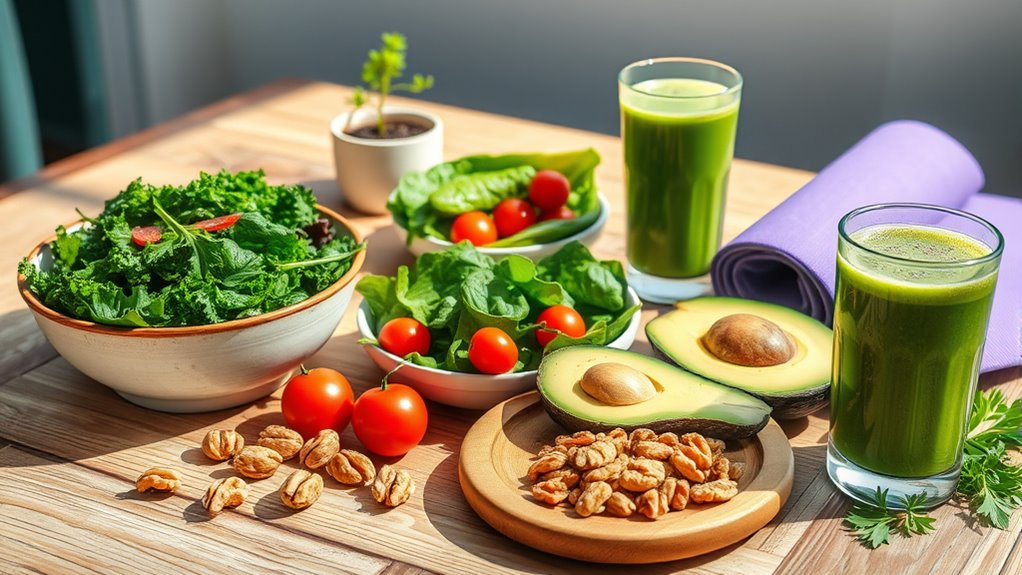
To optimize your vegan endocrine health, focus on a diverse array of plant foods that provide essential nutrients like healthy fats, fiber, vitamins, and minerals. For instance, foods rich in omega-3 fatty acids, such as chia seeds, walnuts, and hemp seeds, play an essential role in hormone synthesis and reducing inflammation. These healthy fats help your body produce hormones like cortisol, testosterone, and estrogen efficiently. Additionally, including cruciferous vegetables such as broccoli, kale, and Brussels sprouts can support detoxification processes that eliminate excess hormones from your system, maintaining a proper hormonal balance.
It’s also important to be cautious with soy consumption, as it contains phytoestrogens that can influence hormone levels. While moderate intake of soy is generally safe and beneficial for vegan endocrine health, excessive consumption might disrupt hormonal balance in some individuals. Pay attention to how your body responds and adjust accordingly. Besides diet, lifestyle factors like managing stress, getting enough sleep, and staying physically active are essential for hormonal health. Chronic stress and poor sleep can interfere with hormone production, leading to imbalance. Regular exercise, especially strength training and cardio, helps regulate insulin and cortisol levels, supporting overall endocrine function.
Another key aspect is limiting exposure to environmental endocrine disruptors found in plastics, pesticides, and personal care products. Using glass or stainless steel containers and choosing organic produce can reduce your intake of harmful chemicals that interfere with hormonal signaling. Hydration, too, plays a role; drinking sufficient water supports detoxification and hormone transport. Incorporating practices like regular physical activity can further enhance your hormonal health by promoting better circulation and metabolic function.

NOW Foods Sports Nutrition, Soy Protein Isolate 20 g, 0 Carbs, Unflavored Powder, 2-Pound
NOW Sports products are comprehensively tested so you can trust that our products are pure and effective for…
As an affiliate, we earn on qualifying purchases.
As an affiliate, we earn on qualifying purchases.
Frequently Asked Questions
Can Vegan Diets Cause Hormonal Imbalances?
A vegan diet can sometimes cause hormonal imbalances if you’re not mindful of your plant-based nutrition. You might miss essential nutrients that support hormonal regulation, like omega-3 fatty acids, zinc, and vitamin B12. To maintain hormonal balance, focus on a varied diet rich in leafy greens, seeds, nuts, and fortified foods. Ensuring proper nutrient intake helps your body regulate hormones effectively, supporting overall health on a vegan lifestyle.
Are Vegan Supplements Necessary for Hormone Health?
Vegan supplements aren’t always necessary, like a safety net catching you when needed. You can maintain hormone health with plant-based remedies such as flaxseeds, chia, and zinc-rich foods. However, supplement timing matters; taking vitamin B12 or omega-3s at the right moments can optimize absorption. Always listen to your body and consult a healthcare professional to determine if supplements fit your specific needs, ensuring your hormonal balance stays steady.
How Does Stress Affect Vegan Hormonal Balance?
Stress can considerably disrupt your vegan hormonal balance by increasing cortisol levels, which may interfere with hormone production. To counter this, incorporate stress management techniques like meditation, deep breathing, or yoga into your routine. A plant-based detox can also help clear toxins that exacerbate stress effects. Prioritizing these practices helps maintain your hormones’ health, keeping your body balanced and functioning at its best.
Do Soy Products Impact Estrogen Levels?
Soy products contain phytoestrogens, specifically soy isoflavones, which can impact estrogen levels. These plant compounds mimic estrogen in your body, potentially influencing hormonal balance. However, moderate soy consumption generally doesn’t cause significant hormonal disruptions in most people. If you’re concerned about estrogen levels, it’s best to enjoy soy in moderation and consult a healthcare professional, especially if you have hormone-sensitive conditions.
Can Vegan Lifestyle Changes Reverse Hormonal Issues?
Yes, adopting a vegan lifestyle with targeted lifestyle modifications can help reverse hormonal issues. Incorporate plant-based antioxidants from fruits, vegetables, and whole grains to support hormonal health. Regular exercise, managing stress, and ensuring adequate sleep also play vital roles. These lifestyle changes work synergistically to rebalance hormones, boost overall well-being, and promote a healthier endocrine system, making it possible to improve hormonal issues naturally through a compassionate, plant-based approach.

Sports Research Vegan Flaxseed Oil (1200mg) Herbal Supplement with Plant-Based ALA Omega 3 – Vegan Certified & Non-GMO Verified – Gluten, Soy & Carrageenan Free (180 Veggie Softgels)
OMEGA-3 SUPPORT: Sports Research Flaxseed Oil is a premium plant-based supplement suitable for both women and men. Made…
As an affiliate, we earn on qualifying purchases.
As an affiliate, we earn on qualifying purchases.
Conclusion
So, there you have it—master the art of balancing hormones on a vegan diet, and you’ll be the envy of every tofu-loving, kale-crunching, chia seed enthusiast. Just remember, no pressure—if your hormones decide to throw a tantrum, maybe it’s time to blame your smoothie or that mysterious kombucha. Keep eating plants, stay active, and pretend you’re not secretly stressing over that last slice of vegan cheesecake. Balance is a journey, not a destination—good luck!
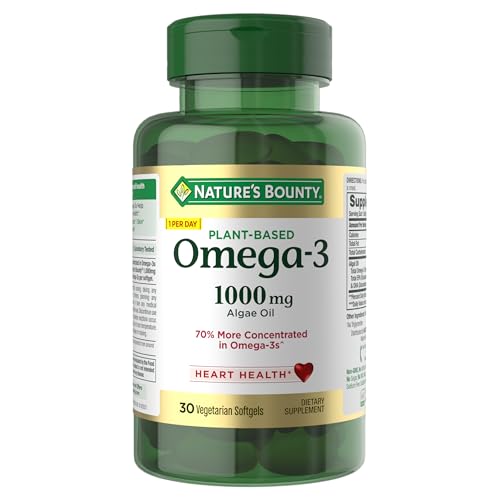
Nature's Bounty Omega 3, Plant-Based Omega 3 Fatty Acid Supplement, 520mg, Supports Whole Body Health Including Heart, Skin, Joint, 30 Vegetarian Softgels, Fish Oil Alternative
CONCENTRATED OMEGA-3 SUPPLEMENT (2) Each softgel delivers 1,000 mg of algae oil; providing 520 mg of omega-3 fatty…
As an affiliate, we earn on qualifying purchases.
As an affiliate, we earn on qualifying purchases.

Life Extension Cruciferous Vegetable Extract Blend, Broccoli Extract, I3C, Helps Maintain DNA Health & Already Healthy Hormone Levels, Gluten Free, Non-GMO, Vegetarian, 60 Capsules
Supports healthy hormone levels – Keeping your hormones balanced is an important part of supporting whole-body health. Cruciferous…
As an affiliate, we earn on qualifying purchases.
As an affiliate, we earn on qualifying purchases.