

Discover European superfoods like kale, beetroots, oats, and fresh herbs, which have been cultivated for centuries using traditional methods that preserve flavor and nutrition. Incorporate them into your meals by sautéing kale, roasting beets, adding oats to breakfast, or seasoning dishes with herbs like thyme or rosemary. These crops support your health and boost local economies. Keep exploring to find out how these versatile ingredients can elevate your culinary and health routines even further.
Key Takeaways
- Discover traditional European crops like kale, beetroots, oats, and herbs, rooted in centuries-old agricultural practices.
- Learn versatile culinary uses for these superfoods, including salads, soups, smoothies, and seasoning options.
- Understand the nutritional benefits, such as antioxidants, fiber, and vitamins, supporting overall health.
- Explore how these regional crops promote sustainable agriculture and bolster local economies.
- Incorporate these culturally significant superfoods into your diet for flavor, nutrition, and health benefits.

Europe is home to a diverse array of crops that pack a nutritional punch and offer numerous health benefits. Many of these crops have been cultivated through traditional farming methods passed down through generations, preserving not only their cultural significance but also their natural resilience and flavor. When you explore European superfoods, you’ll find that their culinary versatility makes them easy to incorporate into everyday meals, enhancing both taste and nutrition.
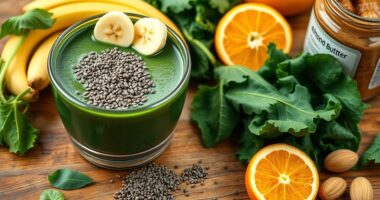
Take kale, for example. Its roots in traditional farming have kept it a staple in many European kitchens for centuries. This leafy green is rich in vitamins A, C, and K, and provides a generous dose of antioxidants. You can use kale in salads, sauté it with garlic and olive oil, or blend it into smoothies for a nutritious boost. Its versatility means it adapts well to different cooking styles and cuisines across Europe.
Kale, a traditional European staple, is versatile and packed with vitamins A, C, K, and antioxidants.
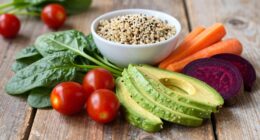
Similarly, the humble beetroot exemplifies the importance of traditional farming. Grown in many regions using age-old methods, beets are packed with fiber, folate, and manganese. Their natural sweetness makes them perfect for roasting, adding to soups, or even making healthy juices. Because of their culinary versatility, you can enjoy beets in both savory and sweet dishes, giving you a broad range of options to include in your diet.
Another crop worth noting is oats, a cornerstone of traditional European agriculture, especially in countries like Scotland and Ireland. Oats are high in soluble fiber, which supports heart health and stabilizes blood sugar levels. You can use oats to make hearty porridges, bake into bread, or add to smoothies. Their adaptability ensures they’re a practical choice for breakfast, baking, or snack time, making it easy to benefit from their nutritional properties.
Herbs like thyme, rosemary, and sage also come from traditional farming practices that have sustained European cuisine for centuries. These herbs are not only flavorful but also contain antioxidants and antimicrobial compounds that promote health. You can use fresh herbs to season meats, vegetables, or even infuse oils and vinegars, adding depth and medicinal benefits to your cooking.
In addition, local ingredients such as these not only enhance the flavor of dishes but also support sustainable agriculture and local economies. In essence, Europe’s crops reflect a rich history of traditional farming and culinary versatility. By incorporating these superfoods into your meals, you tap into centuries of agricultural wisdom while enjoying delicious, nutritious dishes. Whether you’re sautéing greens, roasting root vegetables, or seasoning with herbs, these European crops provide a natural way to boost your health and elevate your cooking.

Greens Kale Green Organic, 1 Bunch
As an affiliate, we earn on qualifying purchases.
As an affiliate, we earn on qualifying purchases.
Frequently Asked Questions
Are European Superfoods Suitable for All Dietary Restrictions?
European superfoods can be suitable for many dietary restrictions if you choose carefully. Many offer gluten-free options and are vegan-friendly choices, making them accessible for those with gluten sensitivities or plant-based diets. You’ll want to check labels or preparation methods to guarantee they meet your specific needs. Incorporating these crops into your diet can boost nutrition while respecting your restrictions, providing flavorful, healthful options that fit your lifestyle.
How Do European Superfoods Compare Nutritionally to Other Global Superfoods?
European superfoods offer a unique nutritional comparison to other global superfoods. You’ll find that they often contain high levels of antioxidants, vitamins, and minerals, similar to superfoods from other regions. While global superfood diversity broadens your options, European crops provide specific health benefits tied to their local environment. Incorporating both European and international superfoods into your diet helps maximize nutritional variety and overall health benefits.
What Are the Best Storage Methods for Maintaining European Superfood Freshness?
To keep your European superfoods fresh, store dry items like grains and dried herbs in airtight containers in a cool, dark place. For fresh produce like berries or leafy greens, refrigeration is ideal; wrap them in paper towels and place in breathable containers to prevent moisture buildup. Proper storage extends shelf life and preserves nutrients, so always check specific guidelines for each superfood to maintain the best freshness.
Can European Superfoods Be Grown Outside Their Native Regions?
Yes, European superfoods can be grown outside their native regions if you consider climate adaptability and soil requirements. You’ll need to match the crop’s preferred conditions or create a suitable environment through controlled growing techniques. For example, some crops thrive in temperate climates with well-drained soil, while others may need specific pH levels or moisture levels. With proper care, you can successfully cultivate these superfoods beyond their traditional areas.
How Can I Incorporate European Superfoods Into Everyday Meals?
Ironically, adding European superfoods to your daily meals is easier than you’d think. Start with simple meal prep ideas like tossing kale or spinach into smoothies or salads. Use flavor pairing tips such as lemon and herbs with artichokes or nuts with figs. These versatile ingredients elevate your dishes and bring a touch of Europe to your table, making every meal both nutritious and sophisticated.

13” Granite Roasting Pan,Enameled Oval Roasting Pan with Domed Lid, Oval Turkey Roaster Pot, Broiler Pan Great – For Roasted Turkey, Chicken, Lamb, Vegetables 2026 Update
[SMALL ROASTING PAN] Kendane Small roasting pan is 13" long and 8.7" wide (11" x 7" inside), It…
As an affiliate, we earn on qualifying purchases.
As an affiliate, we earn on qualifying purchases.
Conclusion
Now that you’ve explored these European superfoods, you’re equipped to incorporate them into your meals like a pro. Think of them as hidden treasures, ready to elevate your diet and boost your health. Just as a gardener tends to their plants with care, you can nurture your body with these nutrient-packed crops. So go ahead, experiment and enjoy the vibrant flavors and benefits—your body will thank you like a symphony responding to a perfect melody.

Bob's Red Mill Steel Cut Oats, 24oz (Pack of 4) – Non GMO, Whole Grain, Vegan, Kosher
GOOD MORNINGS START WITH GOOD INGREDIENTS: Steel Cut Oats are freshly milled from high-quality whole grain oats and…
As an affiliate, we earn on qualifying purchases.
As an affiliate, we earn on qualifying purchases.

Fresh Herbs Bundle. Fresh Rosemary, Thyme, Oregano and Fresh Mint
Fresh Herbs Bundle. Fresh Rosemary, Thyme, Oregano and Fresh Mint
As an affiliate, we earn on qualifying purchases.
As an affiliate, we earn on qualifying purchases.