
Maple syrup is generally considered healthier than agave because it’s minimally processed, retains natural minerals, and has a moderate glycemic index around 54, leading to steadier blood sugar levels. In contrast, agave’s very low GI (15-30) comes from its high fructose content, which can contribute to insulin resistance and metabolic issues if consumed excessively. To understand how processing influences their health effects, keep exploring this face-off.
Key Takeaways
- Maple syrup has a moderate glycemic index (~54), causing a moderate blood sugar rise; agave’s GI is much lower (~15-30).
- Maple syrup retains some natural nutrients due to minimal processing, while agave is highly refined and nutrient-depleted.
- High fructose levels in agave (70-90%) can lead to metabolic issues, despite its low GI.
- Both sweeteners should be consumed in moderation; maple offers a more natural option, but excess intake of either poses health risks.
- Processing methods significantly influence the nutritional profile and health effects of each sweetener.
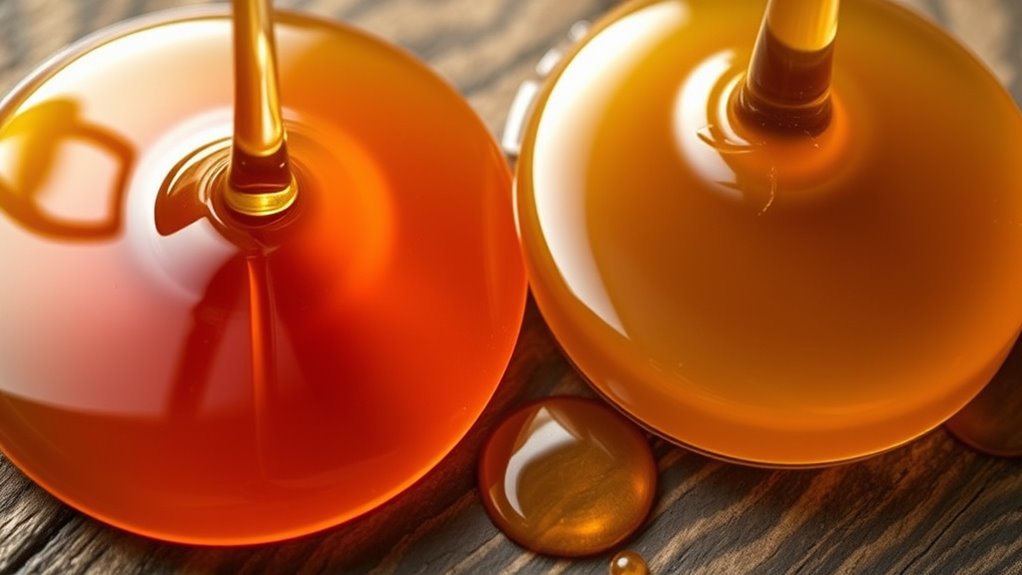
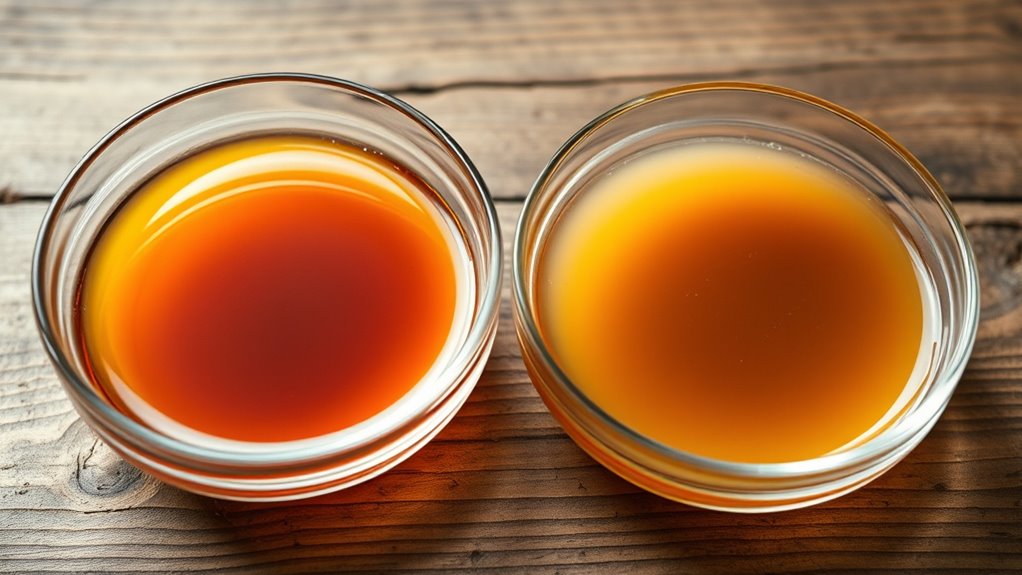
When comparing sweeteners like maple syrup and agave, understanding their impact on blood sugar levels is vital. Both are popular natural sweeteners, but they come from different sources and have distinct processing methods that influence their nutritional profiles. Maple syrup is derived from the sap of sugar maple trees, and its natural sweetness results from a simple boiling process that concentrates the sugars naturally present in the sap. This minimal processing helps retain some of the maple’s natural minerals, like manganese and zinc, which can be beneficial. Agave, on the other hand, is extracted from the sap of the agave plant and undergoes a more complex refining process. Commercial agave syrup often involves heating and filtering to produce a highly concentrated, clear liquid that’s intensely sweet.
The processing methods profoundly impact the final glycemic index and health effects of these sweeteners. Maple syrup’s relatively straightforward processing maintains its natural composition, leading to a glycemic index around 54, which is considered moderate. This means it causes a moderate rise in blood sugar levels, making it a somewhat better choice for blood sugar management. Agave syrup is heavily processed, especially to produce its high fructose content—sometimes comprising 70-90% of the sugar. This high fructose level means agave has a lower glycemic index, often around 15-30, but that doesn’t necessarily mean it’s healthier. The high fructose content can lead to insulin resistance and other metabolic issues if consumed in excess, despite its lower glycemic index. Additionally, some processing methods can strip away beneficial nutrients, further influencing their health impacts.
Heavily processed agave has a lower glycemic index but high fructose content can cause metabolic issues.
When selecting between these sweeteners, it’s vital to consider both their natural sweetness and processing methods. Maple syrup’s less intense processing preserves some natural nutrients and results in a moderate glycemic response, making it a preferable option if you’re concerned about blood sugar spikes. Agave’s ultra-refined nature means it’s very sweet and low on the glycemic index, but the high fructose content can pose health risks over time. It’s tempting to choose agave for its low GI, but moderation is key because excessive fructose intake can contribute to fatty liver and insulin resistance.
In the end, neither sweetener is inherently “healthy” or “unhealthy”—it depends on your overall diet and how much you consume. If you’re seeking natural sweetness with a more balanced impact on blood sugar, maple syrup’s simpler processing and moderate GI make it a better choice. However, if you prefer a very sweet option and watch your intake, agave might fit into your diet, but only in moderation. Understanding the differences in their processing methods and how they affect blood sugar levels can help you make more informed, health-conscious choices. Being aware of sweetener processing can guide better dietary decisions.

365 by Whole Foods Market, Organic Grade A Dark Maple Syrup, 32 Fl Oz
32 fl oz organic dark Grade A maple syrup
As an affiliate, we earn on qualifying purchases.
As an affiliate, we earn on qualifying purchases.
Frequently Asked Questions
Are There Any Health Benefits Unique to Maple Syrup?
You might find that maple syrup offers unique health benefits, such as its antioxidant properties that help fight free radicals. Unlike other sweeteners, it has a lower sugar content and provides essential minerals like manganese and zinc. These nutrients support your immune system and overall health. So, choosing maple syrup could give you a natural sweetener with added benefits, making it a better choice for moderation and health-conscious eating.
How Do Processing Methods Affect Syrup Healthiness?
Processing impact greatly influences syrup healthiness, as it can strip away natural nutrients and introduce additives. Refining concerns arise when syrups undergo extensive processing, reducing their beneficial qualities and possibly increasing unhealthy ingredients. You should choose minimally processed options to preserve natural antioxidants and minerals. By understanding processing methods, you can make better choices, ensuring your syrup retains its natural benefits rather than becoming a heavily refined product with fewer health perks.
Can Agave Be Used as a Healthier Sugar Substitute?
Sure, agave’s natural sweetness might seem like a healthier choice, but don’t be fooled—its high fructose content means your body absorbs sugar faster, possibly causing more harm. While it’s often marketed as a better alternative, it still impacts blood sugar levels. If you’re after a healthier sugar substitute, consider options that balance sweetness with slower sugar absorption, rather than just falling for the natural label.
Are There Differences in Calorie Content Between the Two?
When comparing the calorie differences between maple syrup and agave, you’ll notice that maple syrup has about 52 calories per tablespoon, while agave contains roughly 60 calories. In a nutritional comparison, maple syrup offers more minerals like manganese and zinc, but agave has a lower glycemic index. Knowing these calorie differences helps you choose based on your dietary goals, balancing flavor, nutrients, and energy intake.
Do Taste and Texture Influence Their Health Perceptions?
Taste and texture definitely influence how you perceive their healthiness. Your flavor preferences shape whether you see maple syrup’s rich, caramel notes as healthier or favor agave’s smooth sweetness. Texture impact also plays a role; a thicker syrup might feel more satisfying and natural, boosting its perceived health benefits. Ultimately, your personal experience with flavor and texture guides your health perceptions, even if nutritional facts tell a different story.

MADHAVA Organic Light Agave, 100% Pure Blue Nectar | Sugar Alternative | Vegan | Non GMO | Natural Liquid Sweetener, 46 Oz. (Pack of 2)
ORGANIC AGAVE NECTAR—TASTE THE DIFFERENCE: Pour a drop of our delicious organic blue agave nectar with this pack…
As an affiliate, we earn on qualifying purchases.
As an affiliate, we earn on qualifying purchases.
Conclusion
So, now that you’ve seen the glycemic index face-off, it’s clear that maple syrup generally has a lower GI than agave, making it a slightly healthier choice. Remember, even with a “flying carpet,” moderation is key—no matter how sweet things get. Ultimately, choose what fits your taste and health goals best, but don’t forget: in the grand bazaar of nutrition, balance is your best companion. Safe travels on your sweet journey!
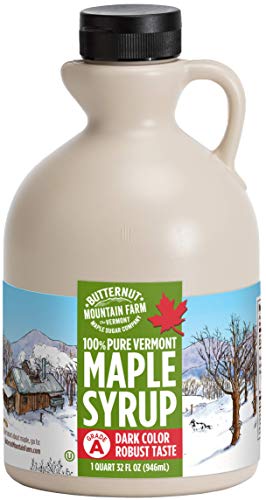
Butternut Mountain Farm Pure Vermont Maple Syrup, Grade A, Dark Color, Robust Taste, All Natural, Easy Pour, 32 Fl Oz, 1 Qt (Prev Grade B)
FLAVOR PROFILE: The darker the syrup, the stronger the flavor. Our Grade A Dark Color, Robust Taste maple…
As an affiliate, we earn on qualifying purchases.
As an affiliate, we earn on qualifying purchases.
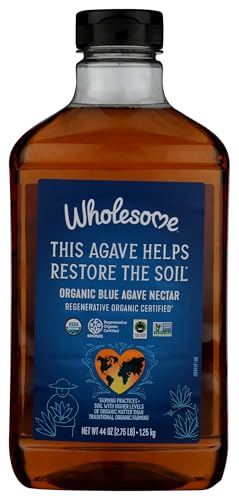
Wholesome Sweeteners Organic Blue Agave, Syrup, 44 Ounce
ORGANIC BLUE AGAVE SYRUP – Natural low glycemic sweetener harvested from the core of the Blue Agave plant….
As an affiliate, we earn on qualifying purchases.
As an affiliate, we earn on qualifying purchases.