

Your gut microbiome crucially influences your mental health through the gut-brain axis, connecting your digestive system and brain via neural, hormonal, and immune pathways. As a vegan, consuming high-fiber foods and fermented products helps promote diverse, beneficial bacteria that support mood, cognitive function, and emotional resilience. Including probiotics can further enhance your gut health, boosting mental clarity and stability. To discover more about how your diet shapes your mind, keep exploring this essential connection.
Key Takeaways
- A diverse vegan diet rich in fibers and fermented foods supports microbiome diversity, enhancing gut-brain communication.
- Probiotic supplements can introduce beneficial strains that produce mood-regulating neurotransmitters like serotonin and GABA.
- Microbiome health influences mental well-being by modulating inflammation and neuroactive compound production.
- Vegans should combine diet with targeted probiotics to optimize gut-brain axis function and mental resilience.
- Staying informed on microbiome research helps vegans make dietary choices that promote mental health and cognitive clarity.

Emerging research shows that your gut microbiome plays a critical role in mental health, influencing everything from mood to cognitive function. This connection, known as the gut-brain axis, highlights how your digestive system and brain communicate through neural, hormonal, and immune pathways. As a vegan, your diet’s impact on this axis becomes especially significant, since plant-based foods shape your microbiota uniquely. To support this essential link, many turn to probiotic supplements, which introduce beneficial bacteria directly into your gut. These supplements aim to enhance microbial diversity and strengthen the gut-brain connection, potentially improving mental clarity, reducing anxiety, and stabilizing mood swings.
Supporting your mental health through a diverse microbiome and probiotic supplements enhances the gut-brain connection.
The gut-brain connection isn’t just theoretical; it’s a dynamic pathway that can be influenced by what you eat daily. When you consume a variety of fibers, prebiotics, and fermented foods, you’re nourishing your existing microbiota and encouraging the growth of beneficial strains. But sometimes, diet alone isn’t enough to achieve ideal microbial balance. That’s where probiotic supplements come into play. They can deliver targeted strains of bacteria known to produce neurotransmitters like serotonin and GABA, which are essential for regulating mood and anxiety. By restoring or maintaining a healthy microbiome, you’re supporting the communication channels between your gut and brain, fostering mental resilience and clarity.
As a vegan, you might already be rich in dietary fibers that promote a healthy microbiome, but incorporating probiotic supplements can give your gut a further boost. These supplements can help fill gaps in your microbiota, especially if you’ve experienced stress, antibiotic use, or dietary changes. A robust gut microbiome influences the gut-brain connection by modulating inflammation, producing neuroactive compounds, and influencing the production of mood-regulating neurotransmitters. The more diverse and balanced your gut bacteria are, the better your body can manage stress and maintain mental well-being. Additionally, staying informed about microbiome research can help you make better dietary choices to support your mental health.
Understanding the significance of the gut-brain connection empowers you to take proactive steps. Besides considering probiotic supplements, maintaining a diet high in fruits, vegetables, and fermented foods supports your microbiome naturally. Regularly nurturing your gut health isn’t just about digestion; it’s a mental health strategy rooted in the intricate communication network between your gut and brain. By paying attention to these interactions, you’re investing in a holistic approach to well-being that recognizes the profound influence of your microbiome on how you think, feel, and function every day.
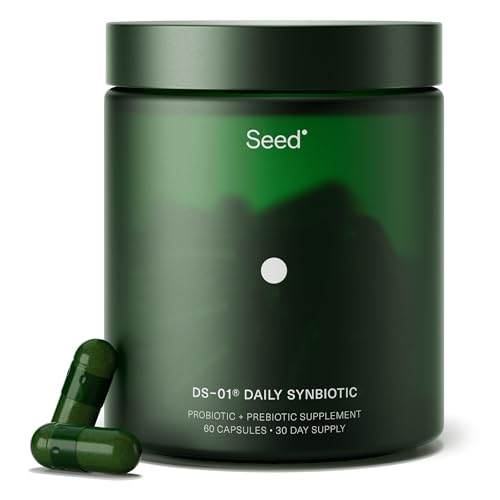
Seed DS-01 Daily Synbiotic – Prebiotic and Probiotic for Women & Men – Digestive Health, Gut Health, Immune Support, Bloating & Constipation Relief – Vegan & Shelf-Stable – 60 Capsules (30-Day Supply)
2-in-1 Prebiotic + Probiotic: Seed DS-01 Daily Synbiotic is formulated with 24 clinically and scientifically studied probiotic strains…
As an affiliate, we earn on qualifying purchases.
As an affiliate, we earn on qualifying purchases.
Frequently Asked Questions
Can Vegan Diets Improve Microbiome Diversity Related to Mental Health?
Yes, vegan diets can improve your microbiome diversity, which benefits mental health. By consuming plant-based foods, you increase fermentation benefits, promoting the growth of beneficial microbes. This microbial diversity helps regulate mood and reduce stress. Eating a variety of fiber-rich fruits, vegetables, and fermented foods boosts your gut’s microbial ecosystem, supporting a healthier gut-brain axis. Embracing a vegan diet can positively influence your mental well-being through these microbiome improvements.
Are Specific Plant-Based Foods More Beneficial for Gut-Brain Connection?
Boost your brain by biting into beneficial berries and beans, which are packed with prebiotic fibers and phytochemicals. These foods fuel friendly gut flora, fostering a flourishing gut-brain connection. Specifically, fiber-rich foods like chicory, garlic, and onions nourish good bacteria, while phytochemicals enhance gut health and mood. By incorporating these plant-based powerhouses into your diet, you support mental well-being through a strengthened, symbiotic gut-brain bond.
How Quickly Can Mental Health Change After Adopting a Vegan Diet?
You can experience rapid adaptation in your mental health within a few weeks of adopting a vegan diet. As your gut microbiome shifts, you might notice improved mood and emotional resilience sooner than you expect. This positive change happens because plant-based foods foster beneficial bacteria, supporting the gut-brain axis. Keep consistent, and you’ll likely see these mental health benefits strengthen over time, boosting your overall emotional well-being.
Do Vegans Experience Fewer Mental Health Issues Related to Gut Health?
You might notice fewer gut-related mental health issues by adopting a vegan microbiome. For example, someone shifting to a vegan diet reports reduced anxiety and improved mood within months. Vegan microbiomes, rich in fiber and diverse plant-based nutrients, support better gut health, which correlates with mental health benefits. While individual experiences vary, many vegans experience fewer gut-related mental health issues, thanks to the positive impact of plant-based diets on gut microbiota.
Is Probiotic Supplementation Necessary for Vegans to Support Mental Well-Being?
Probiotic necessity for vegans isn’t universal; it depends on your gut health. If you maintain a balanced, fiber-rich diet, you might not need supplements. However, if your gut health is compromised or you experience digestive issues, adding probiotics can support your gut-brain axis and improve mental well-being. Listen to your body and consult a healthcare professional to determine if probiotic supplementation benefits your gut health and mental state.

Gut-Friendly Cooking: 60 Fermented Foods & High-Fiber Recipes to Improve Digestion, Boost Immunity, and Restore Gut Health: Easy probiotic recipes, … digestion, energy, and long-term wellness
As an affiliate, we earn on qualifying purchases.
As an affiliate, we earn on qualifying purchases.
Conclusion
If you ignore your gut health, you’re risking the mental health equivalent of signing up for a rollercoaster you can’t get off! Your microbiome has the power to turn your mood around faster than you can say “gut-brain axis.” By choosing a vegan lifestyle, you’re not just eating greens—you’re potentially revealing the secrets to a happier, calmer mind. Don’t underestimate the tiny microbes inside you; they might just be your ultimate mental health superheroes!
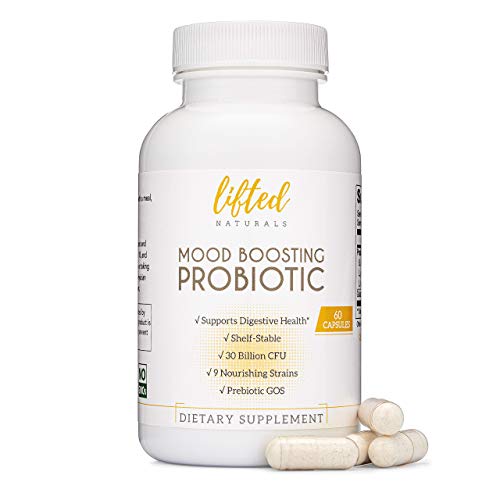
Lifted Naturals Mood Boosting Probiotic 30 Billion CFU – Mood Support Supplement, Prebiotics and Probiotics for Women & Men, Acidophilus Lactobacillus Probiotic, Shelf Stable & Non-GMO, 60 Capsules
TARGETED "FEEL GOOD" STRAINS: Unleash the transformative power of our meticulously selected bacterial strains crafted to uplift your…
As an affiliate, we earn on qualifying purchases.
As an affiliate, we earn on qualifying purchases.

Gut-Brain Synergy Probiotic & Nootropic – 30Billion CFU Psychobiotic + Prebiotic with Ashwagandha, L-Theanine & Zinc for Gut Health, Mood Support, Stress Relief, Bloating Relief & Brain Focus & Memory
Gut-Brain Axis Support – Balance Mood, Stress & Digestion Our Gut-Brain Synergy formula is designed to support the…
As an affiliate, we earn on qualifying purchases.
As an affiliate, we earn on qualifying purchases.