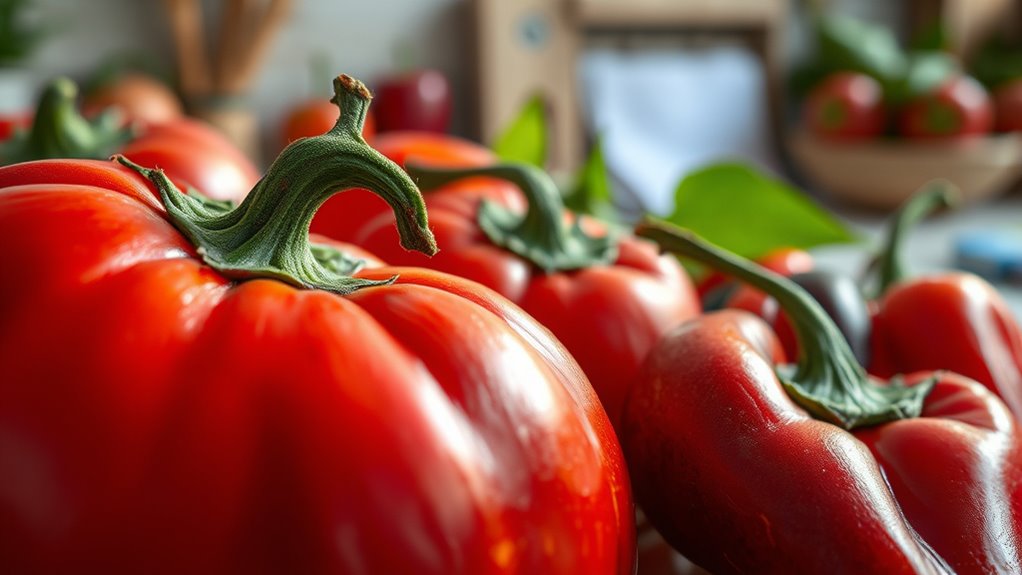

Recent research from 2025 shows that nightshades like tomatoes, peppers, and potatoes are generally not inflammatory for most people. While some individuals might experience sensitivities or allergies, these foods contain compounds like lycopene and capsaicin that actually have anti-inflammatory benefits. The idea that nightshades cause inflammation is more of a misconception. If you’d like to understand how individual responses vary and what the latest findings reveal, there’s more to uncover.
Key Takeaways
- Recent 2025 research suggests nightshades are unlikely to cause inflammation in most individuals.
- Nightshade allergies are rare; reactions are immune responses, not typical inflammatory reactions.
- Nightshade compounds like lycopene and capsaicin have anti-inflammatory and antioxidant properties.
- Individual sensitivities may cause temporary symptoms, but these are not due to inherent inflammation from nightshades.
- Overall, moderation and personal response are key; nightshades are generally safe and potentially beneficial.
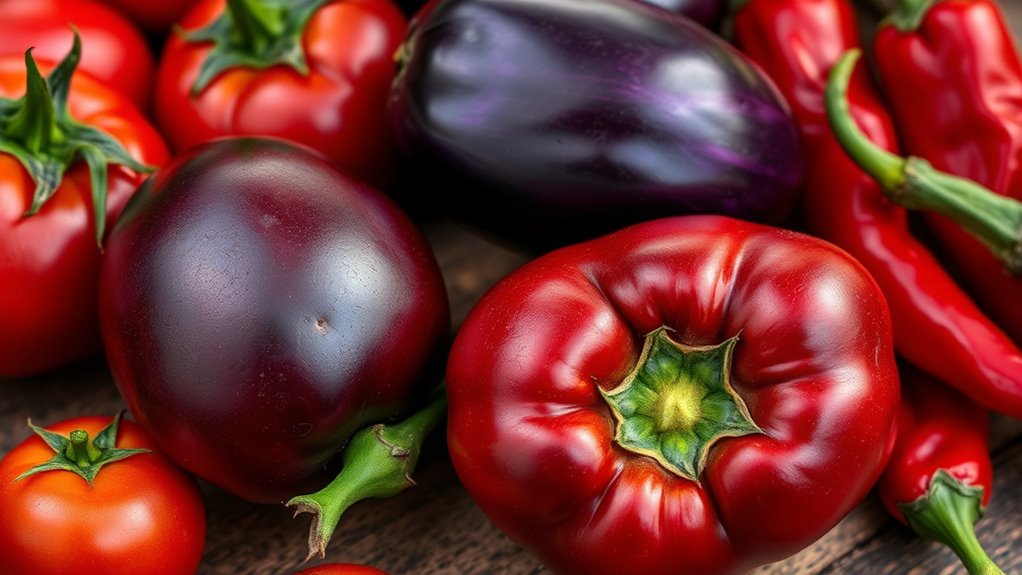
Are nightshades truly inflammatory, or is that a myth? This question has sparked debates among health enthusiasts and scientists alike. Historically, many believed that nightshade vegetables—such as tomatoes, peppers, eggplants, and potatoes—might trigger inflammation, especially in people with certain health conditions. Some individuals report that consuming these foods worsens joint pain or other inflammatory symptoms, leading to the assumption that nightshades are inherently inflammatory. However, recent research in 2025 challenges this notion, suggesting that the relationship isn’t so straightforward. Instead, it points to the fact that nightshade allergies are rare, and for most people, these foods don’t cause inflammation unless there’s an underlying sensitivity or allergy.
Nightshades are unlikely to cause inflammation unless you have a specific allergy or sensitivity.
If you suspect you have a nightshade allergy, you might notice symptoms like itching, swelling, or digestive discomfort after eating these vegetables. These reactions are immune responses, and they’re different from the general inflammation people attribute to nightshades. For those without allergies, nightshades are safe and often beneficial parts of a balanced diet. They are rich in antioxidants, vitamins, and anti inflammatory foods—elements that support your immune health and reduce chronic inflammation. In fact, many studies now highlight the anti inflammatory properties of compounds found in nightshades, such as lycopene in tomatoes and capsaicin in peppers. These substances can help combat oxidative stress, which is a major contributor to inflammation in the body.
It’s important to realize that individual responses can vary. Some people might find that eliminating nightshades temporarily helps reduce their symptoms, but this doesn’t mean the foods are inherently inflammatory for everyone. It could be that their bodies react differently due to sensitivities or other health issues. For most, including nightshades in moderation is perfectly fine and can even be part of an anti inflammatory diet. If you’re concerned about inflammation, focus on incorporating a wide variety of anti inflammatory foods like berries, leafy greens, nuts, and fatty fish, rather than avoiding entire food groups without clear evidence.
In the end, the latest research suggests that nightshades aren’t universally inflammatory. Instead, inflammation is a complex process influenced by genetics, overall diet, lifestyle, and individual sensitivities. You should pay attention to how your body responds and consult with a healthcare professional if you suspect allergies or sensitivities. For most people, enjoying nightshades as part of a balanced diet aligns well with a lifestyle aimed at reducing chronic inflammation and promoting overall health.

PSORIATIC ARTHRITIS DIET COOKBOOK FOR BEGINNERS: Nutritional Guidance and Delicious Anti Inflammatory Recipes to Alleviate Symptoms and Enhance Overall Well-Being (With Full-Color Pictures)
As an affiliate, we earn on qualifying purchases.
As an affiliate, we earn on qualifying purchases.
Frequently Asked Questions
Do Nightshades Cause Inflammation in Everyone?
You might wonder if nightshades cause inflammation in everyone. While some people react to pesticide residues or certain agricultural practices, not everyone experiences inflammation. Your body’s response depends on individual sensitivities and how these vegetables are grown. If you notice symptoms, consider choosing organic options or reducing intake. Remember, everyone’s different, so pay attention to how your body reacts to nightshades and consult a healthcare professional if needed.
Which Specific Nightshade Vegetables Are Most Inflammatory?
Imagine biting into a spicy pepper, feeling the Capsaicin effects ignite your senses, while lurking solanine toxicity in potatoes quietly threatens your health. You might find tomatoes and eggplants more inflammatory due to their high solanine levels, especially if consumed in excess. These vegetables can trigger inflammation, particularly in sensitive individuals. Knowing which nightshades are most inflammatory helps you make smarter choices for your well-being.
Can Cooking Reduce Nightshade Inflammatory Properties?
Cooking methods can considerably reduce the inflammatory properties of nightshades. By boiling, peeling, or roasting these vegetables, you break down solanine and other compounds that may trigger inflammation. Incorporating anti-inflammatory strategies like cooking thoroughly helps your body better tolerate nightshades. So, if you’re concerned about inflammation, try different cooking techniques to enjoy these vegetables without the adverse effects, making them safer and more comfortable to include in your diet.
Are There Any Long-Term Health Effects From Nightshade Consumption?
You might wonder about long-term health effects from nightshade consumption, especially if you have a genetic predisposition. While moderate intake is generally safe, some people could experience joint pain or inflammation. To manage concerns, consider alternative remedies like anti-inflammatory diets or supplements. Staying informed about your body’s reactions and consulting with a healthcare professional helps you make the best choices for your health over time.
How Do Nightshades Compare to Other Inflammatory Foods?
Imagine a spicy flavor that dances on your palate—nightshades, part of the botanical classification, are often compared to other inflammatory foods. You might notice that they contain compounds like alkaloids, which can trigger inflammation in some people. While they’re not universally inflammatory, they can be more reactive than leafy greens or berries. So, you should consider your sensitivity and how they fit into your overall diet.

VitaUp Lycopene Supplements for Men – USA Made Prostate Supplements for Men with Natural Tomato Extract – Non-GMO Lycopene Supplement for Normal Prostate, Skin & Antioxidant Support – 120 Count
NATURAL LYCOPENE BOOST: VitaUp lycopene supplement features 30 mg of natural tomato powder extract (std. to 5% lycopene)…
As an affiliate, we earn on qualifying purchases.
As an affiliate, we earn on qualifying purchases.
Conclusion
So, if you notice joint pain or inflammation after eating tomatoes or peppers, consider experimenting with eliminating nightshades. For example, imagine Sarah, who cut out nightshades and found her arthritis symptoms improved within weeks. While research is still evolving, paying attention to your body’s responses can make a real difference. Stay mindful of your diet, and consult a healthcare professional before making big changes. Your body’s signals are your best guide.

Easment Capsaicin Pain Relief Cream – Topical Arthritis & Muscle Pain Relief for Joint, Nerve & Back Pain – Medicated Pain Cream with Capsaicin 0.1% – Arnica, Aloe & Chamomile, 4.23 Fl Oz
Targeted Chronic Pain Relief: Our Easment capsaicin pain relief cream contains 0.1% capsaicin to effectively relieve chronic joint…
As an affiliate, we earn on qualifying purchases.
As an affiliate, we earn on qualifying purchases.

Food Sensitivity Test Kit & Allergy Test Kit for Adults | 240+ DNA Reports Including Food Sensitivities, Intolerances, Allergies, and Toxins | Custom Supplement and Diet Recommendations
WHAT YOU GET: DNA reports related to Food Sensitivities, Food Allergies, Egg Allergy, Milk Allergy, Peanut Allergy, Shrimp…
As an affiliate, we earn on qualifying purchases.
As an affiliate, we earn on qualifying purchases.