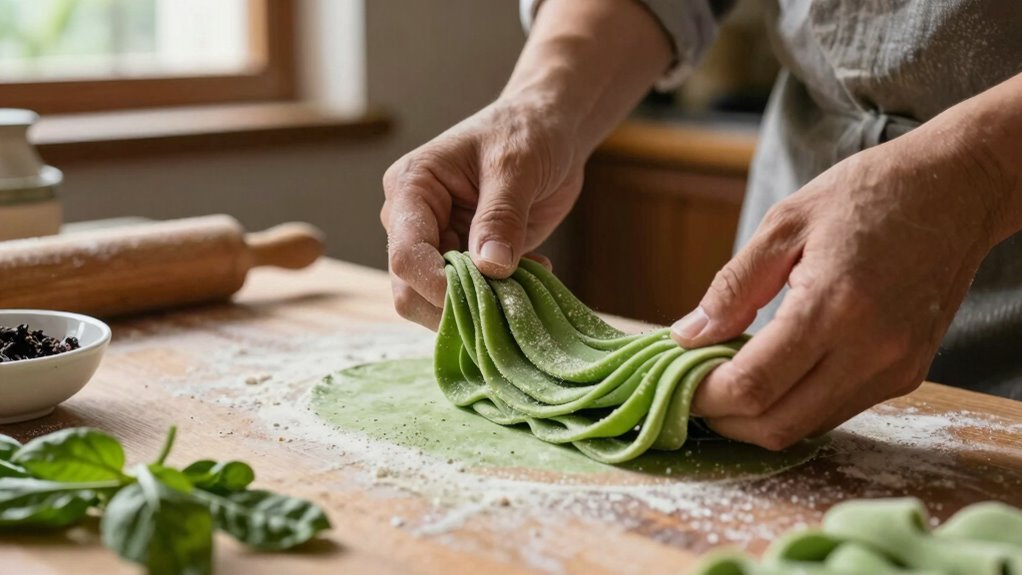

Pasta makers bring plant-based cooks back to homemade noodles by making the process easier and more authentic. These devices help you customize ingredients, whether you’re using gluten-free or plant-based flours, ensuring even texture and shape. They also eliminate the inconsistencies that come with manual kneading. If you keep exploring, you’ll discover how these tools help you craft restaurant-quality pasta with fresh, flavorful ingredients tailored to your dietary needs.

Get health and wellness essentials delivered free with Prime
- Fast, free delivery on millions of items
- Prime Video, Amazon Music and more included
- Member-only deals all year
Key Takeaways
- Pasta makers enable plant-based cooks to easily create fresh, customizable noodles with control over ingredients and textures.
- They facilitate experimentation with gluten-free and plant-based flours for authentic homemade pasta.
- Consistent thickness from machines helps achieve professional-quality, evenly cooked plant-based noodles.
- Homemade pasta allows plant-based cooks to avoid preservatives and additives found in commercial options.
- Using pasta makers deepens appreciation for traditional culinary techniques adapted to plant-based diets.
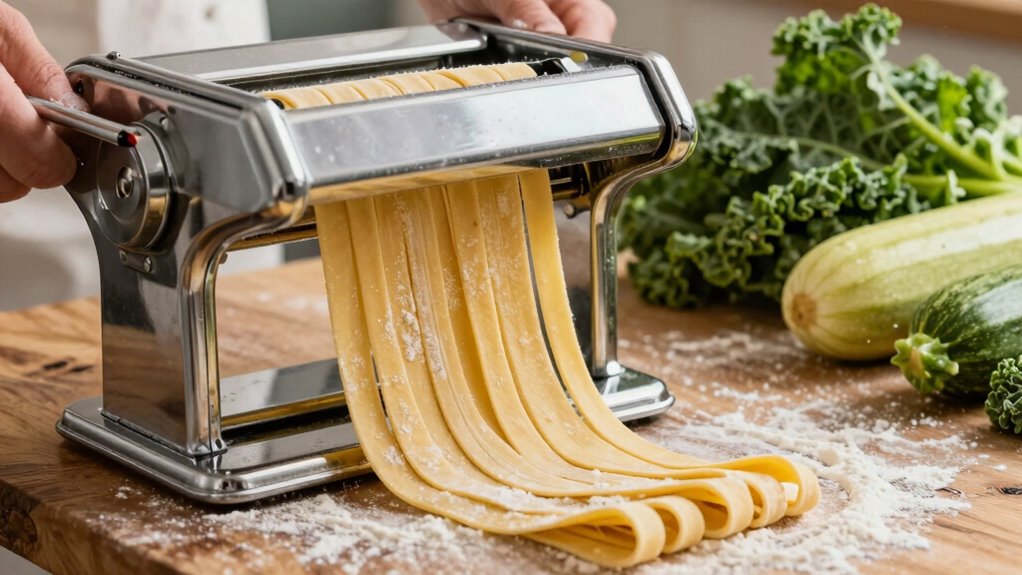
As plant-based diets gain popularity, pasta makers are bringing home cooks back to traditional, homemade noodles. These devices make it easier to craft fresh pasta from scratch, appealing especially to those seeking control over ingredients and flavor. But if you’re exploring gluten-free options or aiming to replicate traditional recipes, you might encounter some challenges. The good news is that modern pasta makers help you navigate these hurdles, making it possible to enjoy authentic textures and tastes even without gluten or conventional ingredients.
One of the biggest gluten-free challenges is achieving the right dough consistency. Gluten provides elasticity and strength, which help pasta hold its shape during cooking. Without it, your dough can become crumbly or sticky, making it difficult to work with. Fortunately, many pasta makers come with adjustable rollers and cutting attachments that allow you to experiment with different flours, such as rice, chickpea, or lentil flour. Incorporating binders like xanthan gum or chia seeds can improve dough elasticity, and the pasta maker’s consistent pressure guarantees an even thickness, which is essential for avoiding breakage or uneven cooking.
When trying to recreate traditional recipes, precision is vital. Classic pasta recipes rely on specific ratios of flour and eggs to develop the perfect dough. With a pasta maker, you can control the thickness and uniformity, ensuring that your homemade noodles mimic store-bought or restaurant-quality pasta. This is especially important if you’re going for that authentic al dente texture. Many machines also have multiple cutting options, so you can make everything from thin spaghetti to wide pappardelle, giving you flexibility in your culinary creations.
Using a pasta maker for traditional recipes means you can also avoid preservatives or additives often found in commercial pasta. This appeals to health-conscious cooks and those with allergies or sensitivities. Since you control the ingredients, you can experiment with different combinations to find what works best for your dietary needs and taste preferences. Plus, making pasta from scratch fosters a deeper appreciation for culinary traditions, even if you’re adapting them to fit a plant-based or gluten-free lifestyle.
manual pasta maker for gluten-free dough
As an affiliate, we earn on qualifying purchases.
As an affiliate, we earn on qualifying purchases.
Frequently Asked Questions
Are Pasta Makers Suitable for Gluten-Free Dough?
Yes, pasta makers can work well with gluten-free dough, but you need to use the right gluten alternatives like xanthan gum or chia seeds to improve dough elasticity. Since gluten-free dough tends to be more fragile, a pasta maker helps shape it evenly and reduces tearing. Just make certain your dough is properly hydrated and smooth before feeding it through the machine, so you get the best results.
How Do Plant-Based Ingredients Affect Noodle Texture?
Imagine you’re living in the Renaissance—plant-based ingredients profoundly influence noodle texture today. You’ll notice that plant hydration affects dough elasticity, while starch content impacts chewiness and stickiness. These factors make your noodles softer or firmer, depending on the ingredients used. When you adjust plant hydration levels and manage starch content, you can craft noodles with the perfect texture, even without traditional wheat. It’s all about balancing moisture and starch for that ideal bite.
Can Pasta Makers Handle Different Plant-Based Flours?
Yes, pasta makers can handle different plant-based flours, allowing you to explore flavor innovation and boost nutritional benefits. You might need to adjust your dough’s hydration or kneading time, but most machines manage these flours well. By experimenting, you create unique textures and flavors, making your homemade noodles both healthier and more exciting. Embrace the versatility of plant-based ingredients to elevate your pasta game and enjoy diverse, nutritious meals.
What Cleaning Tips Are Best for Plant-Based Dough Residues?
To clean dough residue from your pasta maker, start by disassembling it and removing excess dough with a dry brush or cloth. Use warm, soapy water and a soft brush for stubborn spots, avoiding harsh abrasives that could damage the machine. Focus on cleaning all crevices with a toothbrush, and guarantee all parts are thoroughly dried to prevent sticking. Regular cleaning with these techniques keeps your pasta maker in top shape for plant-based dough.
Are There Specific Pasta Maker Models Recommended for Plant-Based Cooks?
Think of your pasta maker as a trusty partner, like the one I have that’s built to last through countless batches. For plant-based cooks, models with strong construction and adjustable rollers are ideal. Brands like Atlas or Marcato stand out for their durability and dough elasticity, making them perfect for handling sticky, plant-based doughs without breaking down. These machines guarantee you get perfectly textured noodles every time.
adjustable pasta machine for plant-based noodles
As an affiliate, we earn on qualifying purchases.
As an affiliate, we earn on qualifying purchases.
Conclusion
As pasta makers continue to innovate, they’re beckoning plant-based cooks like you to rekindle your love for homemade noodles. It’s like a nostalgic song, drawing you back to simpler, more authentic flavors. With each roll and twist, you’re not just making pasta—you’re crafting a culinary masterpiece that’s as nourishing for your soul as it is for your body. Don’t resist the call—your kitchen’s next delicious chapter is just a dough away.
professional pasta maker with multiple cutting options
As an affiliate, we earn on qualifying purchases.
As an affiliate, we earn on qualifying purchases.
gluten-free pasta roller and cutter
As an affiliate, we earn on qualifying purchases.
As an affiliate, we earn on qualifying purchases.
Cold & flu season Picks
humidifiers
As an affiliate, we earn on qualifying purchases.